REVIEW · SHANGHAI
Shanghai Highlights Walking Tour With A Real Local-Tip Based
Book on GetYourGuide →Operated by Bill's Fantastic Tours · Bookable on GetYourGuide
Shanghai can feel like a maze until you walk it. This is a 2.5-hour, local-tip-based route that connects the Bund, Old Town, and Yuyuan with stories about how Shanghai changed over time. I love that you’re not just seeing landmarks; you’re getting the why behind them from a Shanghai insider named Bill.
Two things I really like: you start in the middle of East Nanjing Road’s energy and end in the People’s Square area, and you’ll hear clear, funny, on-the-ground anecdotes as you go. The possible drawback is that the cost depends on the tip you choose at the end, so you’ll want to decide your budget before you meet your guide.
In This Review
- Key highlights to look for
- Meeting on East Nanjing Road: easy to find, fast to start
- A local guide’s story beats a checklist every time
- People’s Square and the city’s center of gravity
- Nanjing Road to the lane houses: Shanghai’s layers in motion
- The Bund waterfront: Wall Street of Asia and the trade era
- Old Town and Yuyuan Bazaar: from a garden to the street-life maze
- Fried dumplings stop: one of the easiest wins in the city
- Price and tipping: why the real cost is what you choose at the end
- Where this walking tour fits best
- Should you book this tour?
- FAQ
- Where does the tour meet?
- How long is the walking tour?
- What’s included in the tour?
- What about meals and drinks?
- Is the guide English-speaking?
- Is it really a tip-based tour?
- Are there luggage storage options near the start?
- Can I cancel if my plans change?
- Is the tour wheelchair accessible?
- Where does the tour finish?
Key highlights to look for
- Tip-based guide model with a suggested range of 150–300 yuan per person at the end
- Bund + Old Town focus: waterfront colonial-era scenes, then the quieter historic lanes around Yuyuan
- People’s Square and Park stops (including the marriage market on weekends)
- Old-to-new Shanghai connections: Big Ben-style Customs House, former HSBC building, and what came before
- Fried dumpling time in the Old Town area, with help choosing what to order
Meeting on East Nanjing Road: easy to find, fast to start
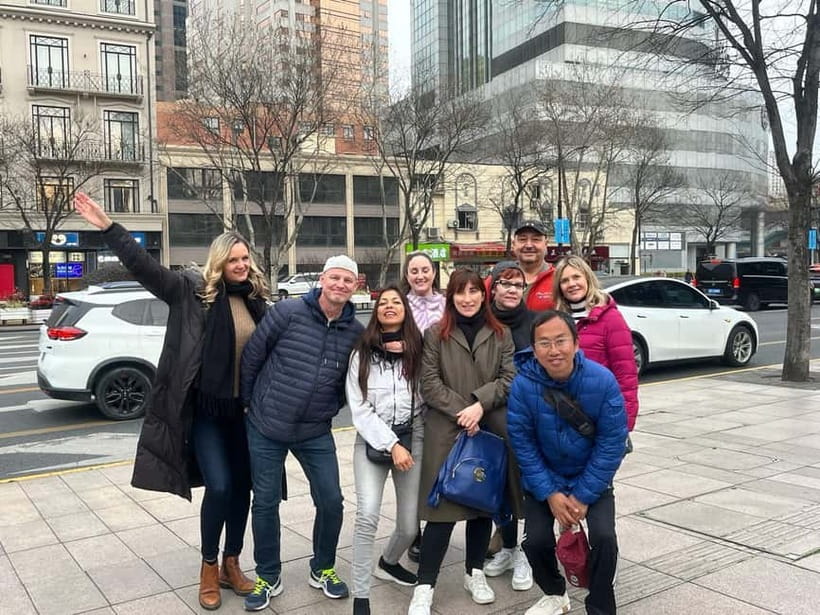
The tour meets at Exit 1 of East Nanjing Road Metro Station (Lines 2/10), right by the Tissot store across from the Swatch store. This is a practical choice because you’re dropped into a very recognizable, central zone, so you’re not hunting for side streets while you’re tired from travel.
Right from the start, you’ll feel the rhythm of Shanghai: big storefronts, street-level movement, and that quick mix of old and new. If you arrive early, it’s also convenient that luggage storage is available near the meeting point, so you can travel light and actually enjoy the walking part.
One small thing to plan for: you’re on your feet for about 2.5 hours. Wear comfortable shoes and carry water. Add sunscreen if the sun is strong, because the best photo points are outdoors and the schedule is built around walking between them.
You can also read our reviews of more tours and experiences in Shanghai.



A local guide’s story beats a checklist every time
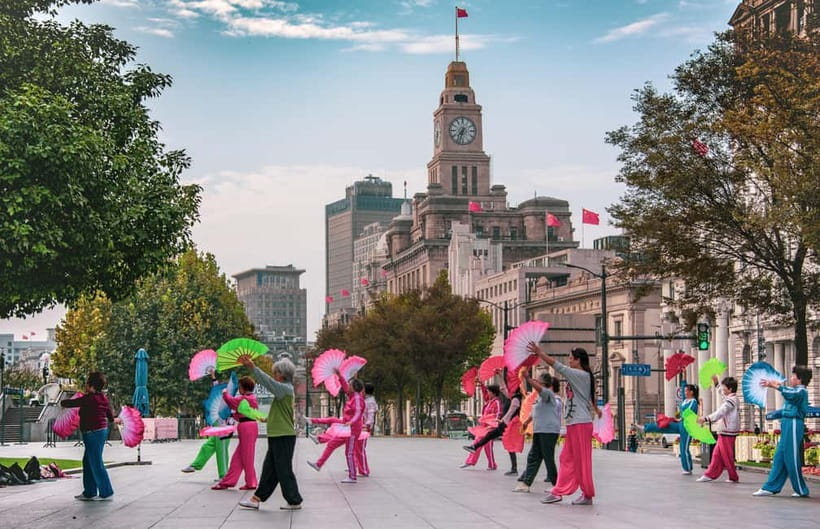
What makes this tour work is how it ties neighborhoods together. You’ll get explanations for the city’s evolution—not as a textbook, but as short stories you can remember when you’re standing in front of the buildings.
The guide is English-speaking, and in the tours I’ve seen people talk about, Bill’s style is professional but relaxed. That matters because you’ll likely have questions—about architecture, Shanghai’s foreign-influenced past, daily life, and what changed when. You can ask, and you’ll get answers that connect to the street in front of you.
This also helps if you’re short on time. In 2.5 hours, you’re not trying to “cover everything.” Instead, you’re building a working map of central Shanghai: where power sat, where trade happened, and how tourism later got layered on top.
People’s Square and the city’s center of gravity
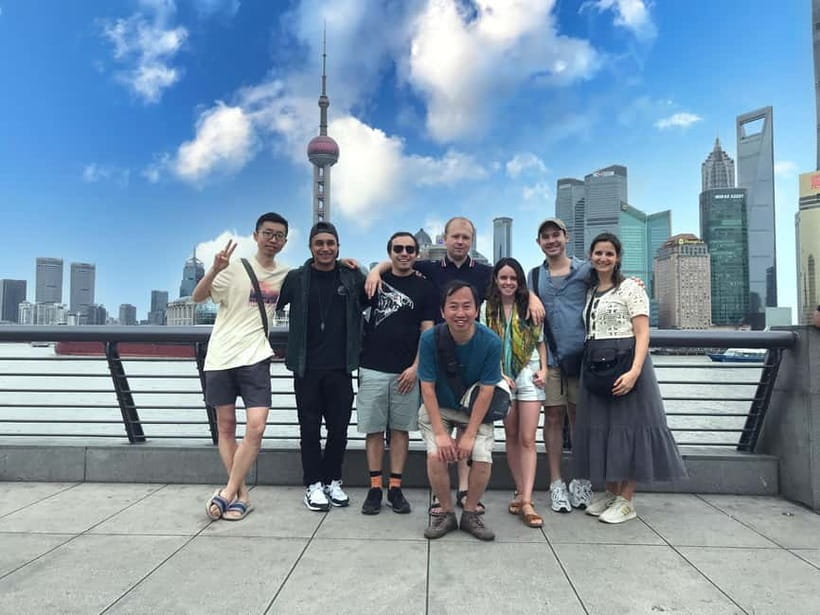
The walk begins by steering you toward People’s Square, which is one of those places that feels like Shanghai’s official “everything happens here” hub. From there, the route connects to City Hall and People’s Park.
People’s Park is especially interesting because it can change with the day. On weekends, it’s known for a marriage market—exactly the kind of living social tradition that helps you understand modern Chinese city life beyond monuments. Even if you’re not there on a weekend, the park gives you breathing room and a sense of how locals use space in the middle of the city.
One practical benefit of this segment: it slows your pace after the busy shopping streets. You’ll have time to absorb the layout, take photos, and get oriented before the tour shifts toward the historic core.
Nanjing Road to the lane houses: Shanghai’s layers in motion
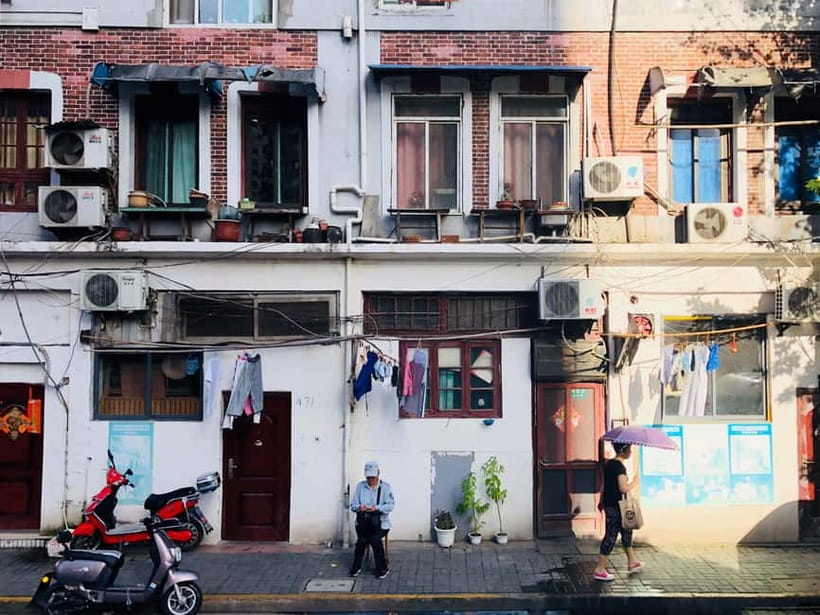
From People’s Square, the route moves toward Nanjing Road Pedestrian Street, then into the more textured fabric of old Shanghai with stops that include Shanghai lane houses.
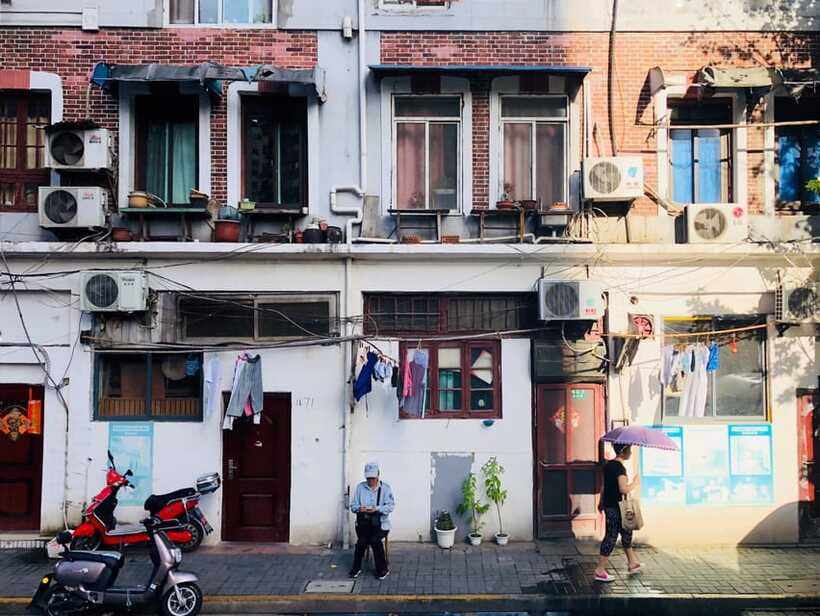
If you’ve only seen Shanghai from the newest angles—skyscrapers, glass, and fast-moving avenues—lane houses help you understand how daily life used to be arranged. It’s not just an architectural curiosity. It’s a clue to how neighborhoods organized community, trade, and movement on foot.
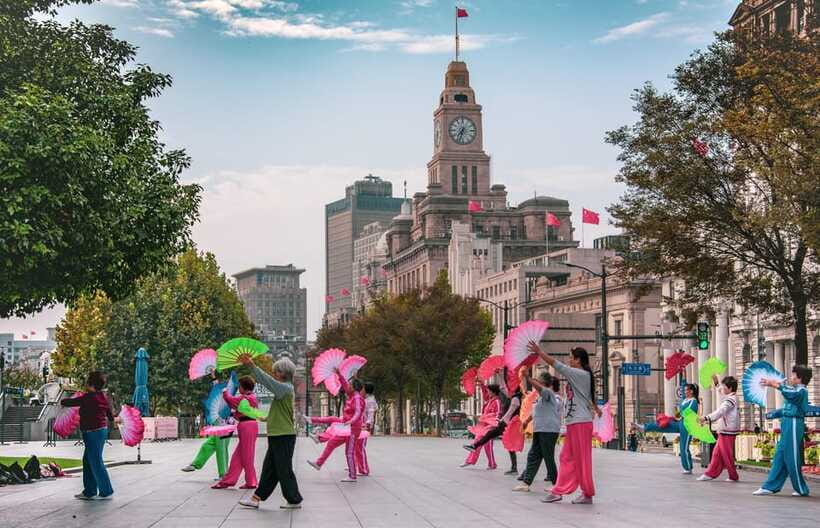
You’ll also pass well-known landmarks tied to different eras, including Peace Hotel and the Customs House (often compared to Big Ben because of its clock-tower look). This isn’t a random photo stop list. The guide uses these points to explain how foreign commerce and local governance shaped the streets you see today.
A small consideration: this part of the walk can feel crowded depending on the time of day. The upside is that you’re not alone in it—you’ve got someone guiding your route so you’re not stuck guessing where to go next.
The Bund waterfront: Wall Street of Asia and the trade era
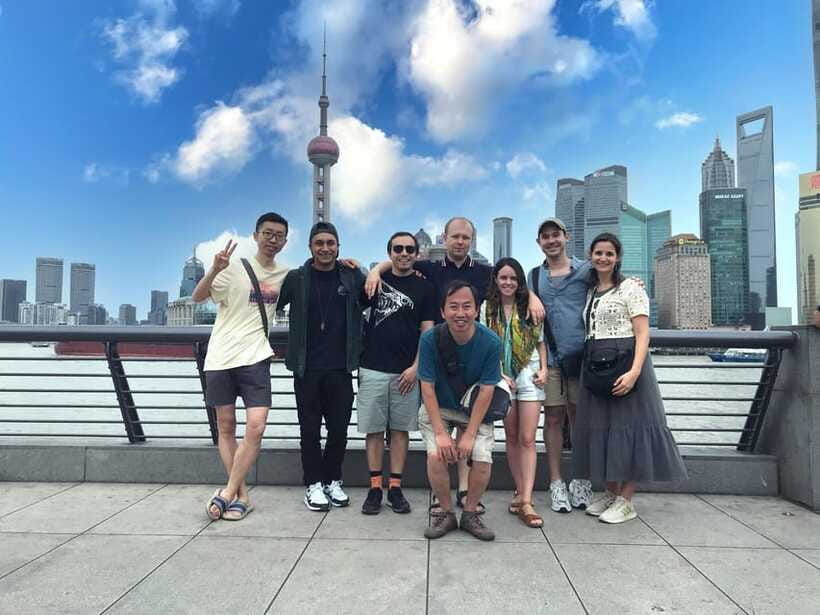
Then you hit the Bund Promenade, and that’s where Shanghai’s story gets cinematic. This is the classic waterfront strip lined with architecture from the period when global finance left its fingerprints on the city.
You’ll hear about the idea of the Bund as the Wall Street of Asia in the 1930s, and the guide will connect it to what trade meant here. The key value is interpretation. When you understand what the buildings were built for, the skyline stops being just scenery and becomes a readable past.
You’ll also pass sites like the Former HSBC Building, and the story ties those landmarks to Shanghai’s evolution. This is one of the most praised parts of the experience because it’s where people say the guide’s humor and context click. You’re standing somewhere famous, but you’re also getting a reason to look twice.



Old Town and Yuyuan Bazaar: from a garden to the street-life maze
After the Bund, the tour shifts into the Old Town area connected to Yuyuan. Here you’ll get a different Shanghai mood: more historic architecture, tighter streets, and that sense of walking through a living neighborhood rather than a curated “attraction” bubble.
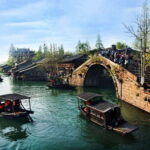
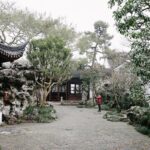
The Yuyuan zone is tied to a Chinese garden with a history reaching back about 400 years. In practical terms, that means you’re not just touring a shopping area—you’re stepping into a district shaped by centuries of design choices about space, water, and visitor movement.
Then comes Yuyuan Bazaar, where the energy changes again. This is where you can browse, pause, and feel the market side of the city. If you like souvenirs but don’t want to feel lost, this is the part that helps because your guide can point out what’s worth your time and what’s just busy noise.
Also, this is where you’ll likely walk through a traditional food street. Even if you don’t eat on every stop, the smells and the quick local chatter make the area feel real, not staged.
Fried dumplings stop: one of the easiest wins in the city
One of the most memorable moments in this tour is the fried dumpling tasting in the Yuyuan area. This is one of those food experiences where guidance matters. In any big food district, you’ll find many options. The value here is having someone steer you toward what to order so you spend your time enjoying food, not decoding menus while hungry.
The tour also positions this well: you’ve been walking through historic streets and market lanes, so when the dumplings arrive, it feels like the natural payoff. For many people, this is what makes the whole 2.5 hours feel worth it—because you’re not leaving with only photos, you’re leaving with a taste of the place.
Practical tip from how the day is structured: bring a camera, but also keep your phone charged for photos at the Bund and quick shots around Yuyuan. The lighting can be good for night shots too, but you’ll be moving fast enough that you don’t want to hunt for outlets.
Price and tipping: why the real cost is what you choose at the end
At booking, the price is listed at $2.27 per person. That number is mainly for reserving your spot. The tour is designed as tip-based, which means the amount you paid at checkout is not the total cost of the guide experience.
The recommended tip range is 150–300 yuan per person (about 20–40 USD/Euro), depending on satisfaction. In other words: you’re effectively paying for a guided walk with local interpretation, but with flexibility based on how the tour lands for you.
Here’s how I think about value in practical terms:
- If you want a fast orientation to central Shanghai and you enjoy stories that connect eras, the tip-based model can feel fair because your payment scales with the quality of the guide interaction.
- If you strongly prefer fixed pricing, you’ll need to mentally budget the tip up front, because that’s where your real cost sits.
Either way, the guidance is in English, and the route is built around a cluster of famous-but-meaningful stops—so you’re not wasting time commuting all over the city for unrelated sights.
Where this walking tour fits best
This is ideal for you if you want:
- a short, high-impact walk (2.5 hours) in central Shanghai
- a local guide’s interpretation, not just landmark photos
- a route that connects the Bund, Old Town, and People’s Square into one storyline
It also suits couples and solo travelers who like meeting a guide, asking questions, and then continuing on your own afterward. The ending point near People’s Square helps too, because you’re near a major metro connection and you can pivot to your next plan easily.
One more note you should treat seriously: the information provided includes wheelchair accessibility but also says it is not suitable for wheelchair users. If mobility is a concern, confirm the real-world route and step-free options with the provider before booking.
Should you book this tour?
If you’re trying to understand Shanghai quickly and you like your sightseeing guided by a local who can explain why things look the way they do, I’d say yes. The route is compact, the stories connect big landmarks to everyday life, and the food moment (fried dumplings) gives the tour a satisfying finish.
Book it especially if it’s your first time in Shanghai or if your days are packed and you need something that makes the city feel coherent fast. Just plan for the tip-based nature: decide your budget for 150–300 yuan per person, wear comfortable shoes, and bring water. Do that, and you’ll walk away with memories that last longer than a photo.
FAQ
Where does the tour meet?
You meet at Exit 1, East Nanjing Road Metro Station (Line 2/10), right by the Tissot store, opposite the Swatch store.
How long is the walking tour?
The tour lasts about 2.5 hours.
What’s included in the tour?
You get a guided walk focused on Shanghai historical and cultural sites, with visits to the Bund, Old Town (including Yuyuan Bazaar), and People’s Square/Park.
What about meals and drinks?
Meals and drinks are not included unless something is specified by the tour.
Is the guide English-speaking?
Yes, the live tour guide provides English.
Is it really a tip-based tour?
Yes. What you pay at booking reserves the spot. At the end, you give the guide a tip based on satisfaction. The recommended tip range is 150–300 yuan per person.
Are there luggage storage options near the start?
Yes. Luggage storage is available right by the meeting point.
Can I cancel if my plans change?
Free cancellation is available up to 24 hours in advance for a full refund.
Is the tour wheelchair accessible?
The information lists wheelchair accessibility, but it also notes it is not suitable for wheelchair users. If you need step-free access, check with the provider before booking.
Where does the tour finish?
The tour ends at People’s Square (People’s Square metro station), near the Former French concession area.