REVIEW · BEIJING
Beijing Temple of Heaven Entrance Ticket (with Optional Guided Service)
Book on Viator →Operated by Discover Beijing Tours · Bookable on Viator
Temple of Heaven, minus the line chaos. I love the skip-the-line QR entry that gets you through fast, and I also like the flexible departure times so you can squeeze this UNESCO stop into a busy Beijing day. One thing to consider: if you choose a guided add-on, the on-site explanation may be in Chinese, so you might not catch everything if you don’t read the language.
This is one of those places where the setting matters as much as the buildings. You’re focused on the ceremonial heart of the complex—especially the Hall of Prayer for Good Harvest—inside a park-like space with lots of walking. In a couple of reviews, people noted it can involve plenty of steps, so bring shoes you’re happy to grind in.
The practical win here is how entry works. You get an official e-ticket with a unique QR code emailed 5–7 days before your visit, and on arrival you just scan and go—no time-draining on-site paperwork. Most people can do this, and the meeting point is set up so you can start and end the activity in one place.
In This Review
- Key highlights worth planning around
- Temple of Heaven in 2–3 hours: what you really get
- Price and logistics: is $8 value or a trap?
- Skip-the-line entry: how the QR code part works
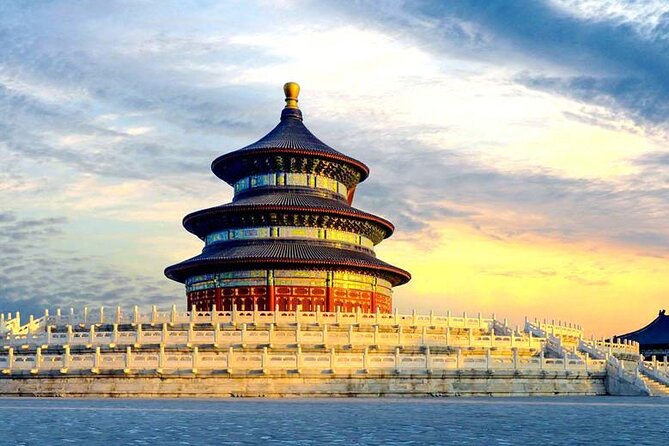
- The Hall of Prayer for Good Harvest: the heart of the visit
- East Gate meets a guide: what the guided upgrade changes
- Private transfers and pacing: making the day feel easy
- Should you book this Temple of Heaven ticket service?
- FAQ
- When will I receive the QR code for entry?
- Do I need to do anything on-site before entering?
- What if I buy only the ticket—do I get a guide?
- Can I add a guided tour and where do we meet?
- Are hotel transfers included?
- How long is the Temple of Heaven visit with this experience?
- Where does the experience start and end?
- Is this a private group activity?
- What happens if weather is bad?
Key highlights worth planning around
- QR code entry, not Chinese-app stress: You scan at the entrance to get instant access.
- Flexible times: Multiple departure times help you avoid wasting your best daylight.
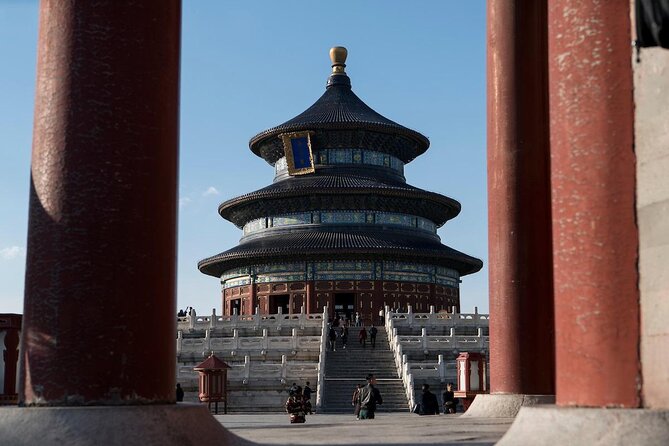
- Hall of Prayer for Good Harvest focus: Plan time for the main ceremonial building area.
- Upgrade to a guide at East Gate: A guided package can add context right where it counts.
- Private group experience: Only your group participates, so you’re not blended into a huge crowd.
- Optional downtown hotel transfers: Premium packages can include round-trip pickup and drop-off.
Temple of Heaven in 2–3 hours: what you really get

A Temple of Heaven visit can balloon fast—because it’s pretty, it’s big, and you’ll keep wanting “one more viewpoint.” This experience keeps things grounded in a practical time window of about 2–3 hours, which is exactly what you want if you’re trying to balance major sights in Beijing without burning the whole day.
The main emphasis is on the ceremonial core, centered on the Hall of Prayer for Good Harvest. That matters because this hall isn’t just a photo stop. It’s the kind of place where the design, setting, and stories behind it all connect, and your time there is usually where a guide (if you add one) can make the visit feel alive.
You’ll also be navigating the grounds of the Temple of Heaven area, which is why pacing matters. Even if you’re not doing every side path, you should expect walking on park grounds and getting up close to structures that often involve stairs. A few people specifically called out lots of walking and climbing steps—so I’d treat this as an active sight, not a sit-and-stroll one.
Finally, it’s worth noting that this experience is shaped around entry efficiency. The Temple of Heaven is famously in-demand, and long lines can swallow your day. By handling entry in advance with a QR code, you give yourself breathing room to actually enjoy the site once you’re in.
You can also read our reviews of more tours and experiences in Beijing.


Price and logistics: is $8 value or a trap?
At $8 per person, this is priced for people who want the ticket handled cleanly, without the usual headaches of last-minute purchases. You’re not just paying for paper; you’re paying for a smoother arrival and fewer points of failure—especially helpful if you don’t want to wrestle with apps or local payment quirks.
Here’s the value logic I’d use:
- If you’re comfortable entering sites on your own, the ticket-only option gives you the essentials at a low cost.
- If you want explanation and story context, you can upgrade to add a guide.
- If you hate transfers, the premium packages can bundle private round-trip pickup and drop-off from your downtown hotel.
What you should check in your mind is what’s included. You get combination entry tickets (and those tickets are what let you access the main complex area). But some add-ons are conditional:
- Ticket-only packages do not include a tour guide or private transfer.
- Guided and transportation upgrades are where those extras kick in.
Also, one review noted a common practical confusion: the printed admission time can look restrictive, but the ticket still may allow entry across the day with a later last admission time. The safest move is simple: once you receive your e-ticket, double-check the entry timing printed on it and plan to arrive earlier rather than gaming the clock.
Overall, at this price, the best value is for travelers who want certainty—your entry method is set, you get a QR code ahead of time, and you can plan your day without last-minute line roulette.
Skip-the-line entry: how the QR code part works
The smartest part of this setup is also the most boring in a good way: you don’t do much once you arrive. After booking, you provide the full names and passport numbers for each traveler. Then you receive an email with an official e-ticket containing a unique QR code.
Two timing details matter for smooth entry:
- The QR code is emailed 5–7 days before your scheduled trip.
- You need to download and save it either on your phone or as a printed copy.
On the day, entry is straightforward. There are no time-consuming on-site procedures—you scan the QR code at the entrance and gain instant access. Another useful point: a single QR code can cover your entire group, which avoids the messy “where is everyone’s ticket?” scramble.
This is especially valuable at Temple of Heaven, where the lines can get long. A few guides and independent visitors have emphasized that time pressure builds up quickly in peak season. Even if you’re an organized planner, waiting in a queue is still waiting—and you can’t photograph, explore, or learn while you’re stuck in it.
One caution: keep your saved QR code accessible offline if possible. Phones die at the wrong moment, and your goal is to avoid turning a smooth entry into an internet scavenger hunt.
If you’re traveling with kids or a multi-generational group, this kind of entry system is a lifesaver. It reduces friction at the start, so you’re not starting the visit stressed.
The Hall of Prayer for Good Harvest: the heart of the visit
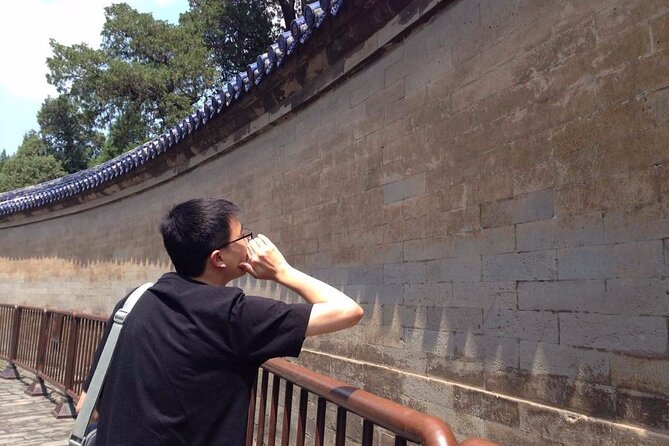
In plain terms: this is the building you should center your experience around. The activity highlights Hall of Prayer for Good Harvest as the key focus, with the experience allotting around 30 minutes tied to the admission for that main hall area.
Why this matters for your planning: if you treat the Temple of Heaven like a generic park with temples, you might miss what makes it special. But if you focus your time at the ceremonial center, you’ll get a more satisfying experience in less time.
If you add a guide, this is where the explanation can change the whole feel. People in the available guide feedback praised guides for connecting the site to Chinese emperors and the stories behind how it functioned. That kind of context helps you see the structures as more than pretty geometry. It also helps you understand why people take certain photos from certain angles—the design wasn’t random.
Even without a guide, you’ll still benefit from being there when you’re ready to look slowly. Temple of Heaven isn’t just one stop; it’s a whole setting of symbolism, pathways, and architecture. The time you spend at the hall should be slow enough for you to actually notice details, even if you’re not reading every sign.
One more practical note: multiple reviews emphasized that there’s a lot of walking and steps. So if you’re planning your “must-see” time, think of the hall as the anchor and build the rest of your visit around how your feet hold up.
East Gate meets a guide: what the guided upgrade changes

If you want more than scenery, the guided option is the whole point. A guided package includes entry tickets and a meet-up with your guide at the East Gate. That matters because it gives you a structured starting point rather than arriving and guessing where to begin.
What you’ll gain is story context. Several named guides popped up in feedback—Miko, Andy, Anson, Kevin, Mike, Ronnie, and Jonathan—and the consistent theme was that they made the site feel like it had purpose, not just aesthetics. In particular, people highlighted how guides explained emperors, dynasties, and the meaning behind what you’re seeing.
I also like how the guided options are time-bounded. A 2-hour guided package sounds like just enough structure to learn the big ideas without turning the day into a lecture. It’s a good match if you’re the type who wants to understand what you’re photographing.
Now the honest caution: at least one review mentioned the explanation was in Chinese, which may limit what you understand if you don’t speak the language. If you’re choosing a guide upgrade, I’d treat it as a “who knows what” situation and plan to ask questions on the spot (or choose your upgrade expecting that some guides may be better at adjusting to visitors than others).
Still, if your goal is to walk away feeling like you understood why this place mattered, guided time spent near the ceremonial center tends to be the best value of your day.






Private transfers and pacing: making the day feel easy
Beijing can be a “get there, then get going” kind of city. That’s why optional private transfers can be more valuable than they sound, especially if you’re staying downtown and don’t want to figure out the last-mile logistics.
In the premium setups, you can add private transfer with pickup and drop-off from your downtown hotel. This turns the day into a cleaner process:
- You start the experience without hunting for transit.
- You finish without reverse-planning.
- Your energy stays for the actual site.
If you choose ticket-only, you’re still fine—because the activity is described as near public transportation. That means you can still use transit if you like saving money or you enjoy navigating like a local. But if you’re traveling with family, carrying bags, or trying to keep a strict itinerary, transfers can remove stress you’ll feel later.
Pacing is your real secret weapon at Temple of Heaven. Even with skip-entry, you’ll spend time walking the grounds and climbing steps. I recommend treating the 2–3 hour window as an “active morning or late afternoon block,” not a quick stop squeezed between meals.
Also, plan around weather. This experience requires good weather, and if it’s canceled due to poor conditions, you’ll be offered a different date or a full refund. That’s not something you ignore in Beijing—rain and harsh weather can make the walking less pleasant and can throw off your timing.
Should you book this Temple of Heaven ticket service?
Book it if you care about smooth entry. If you don’t want to gamble with long lines, arrive with a clear plan, and prefer a QR code solution in advance, this is built for you. The price is low enough that even if you end up skipping the guided upgrade, the entry setup is still the main win.
Choose the guided upgrade if your goal is understanding. If emperors, ceremonial purpose, and the meaning behind the architecture interest you, adding a guide at the East Gate can turn “nice temple” into a real story-based visit. The named guides praised for explaining the site’s history and cultural role are exactly the kind of benefit you want.
Skip the guided upgrade (or double-check your expectations) if you mainly want photos and open space. Some people felt a self-guided approach could be better. Also, if you’re worried about language barriers, remember that at least one guide explanation was in Chinese, so go in ready to ask questions or expect partial understanding.
Finally, bring practical footwear and don’t try to cram too much into the same day. Temple of Heaven rewards slower looking, and the walking adds up. If you plan with that in mind, you’ll leave happy instead of rushed.
FAQ
When will I receive the QR code for entry?
You’ll receive an official e-ticket with a unique QR code by email 5–7 days before your scheduled visit. Save it on your phone or print a copy.
Do I need to do anything on-site before entering?
No. On the day of your visit, you can go straight to the entrance and scan the QR code for instant access.
What if I buy only the ticket—do I get a guide?
If you choose the ticket-only option, you get the entry tickets, but you do not get a tour guide.
Can I add a guided tour and where do we meet?
Yes. If you choose a guided package, you’ll meet your guide at the East Gate and the guided option includes entry tickets.
Are hotel transfers included?
Transfers are included only in the options that add private transportation. Premium options include downtown hotel pickup and drop-off.
How long is the Temple of Heaven visit with this experience?
The duration is approximately 2 to 3 hours.
Where does the experience start and end?
It starts and ends at the meeting point at 旻园1 Tian Tan Dong Lu, Dong Cheng Qu, Bei Jing Shi, China, 100061.
Is this a private group activity?
Yes. It’s listed as private, meaning only your group participates.
What happens if weather is bad?
The experience requires good weather. If it’s canceled due to poor weather, you’ll be offered a different date or a full refund.