REVIEW · SHANGHAI
Shanghai: Private Tour of the Shanghai Museum
Book on GetYourGuide →Operated by Shanghai Guided Tours · Bookable on GetYourGuide
Shanghai’s best museum gets even better with a guide. This private, 3-hour tour is built around real context—so you don’t just look at ancient objects, you understand why they existed and what they meant in Chinese life. I like that you get a local perspective on the full arc of the collections, and I especially love the way the focus moves from bronze ritual to ceramic artistry to jade symbolism. One possible drawback: cameras are not allowed, so if you want lots of photos, plan to rely on notes and memory instead.
If you’re paired with a guide like Linda or Vicky, you’ll likely notice how much energy they bring to the explanations—clear, patient, and geared to questions. I like that the tour format gives you a quick start at the museum entrance and then structured stops in major galleries, so you can cover the big highlights without guessing. Still, it’s private in name, but you should expect a schedule that stays mostly on-topic; if you want total freedom to roam the entire museum on your own, you may feel slightly constrained.
The value is simple: you’re paying for interpretation and time. At $60 per person for 3 hours, you’re getting museum entry plus a live guide, and that can be worth it when the objects are detailed and the stories are not obvious at a glance. If your visit is very short or you already know Chinese art well, you might skip the guide and do it self-paced instead.
In This Review
- Quick hits before you go
- A strong plan for Shanghai Museum’s biggest collections
- Meeting at the Shanghai Museum East Wing entrance
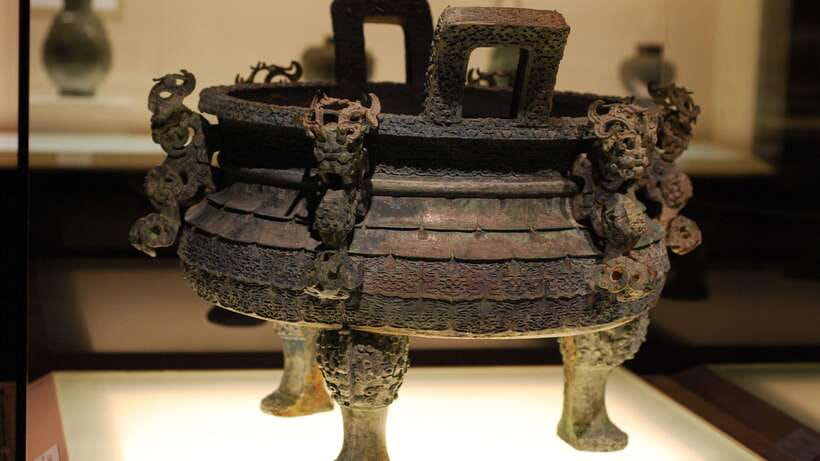
- Bronze Gallery: ritual vessels, weapons, and the politics behind them
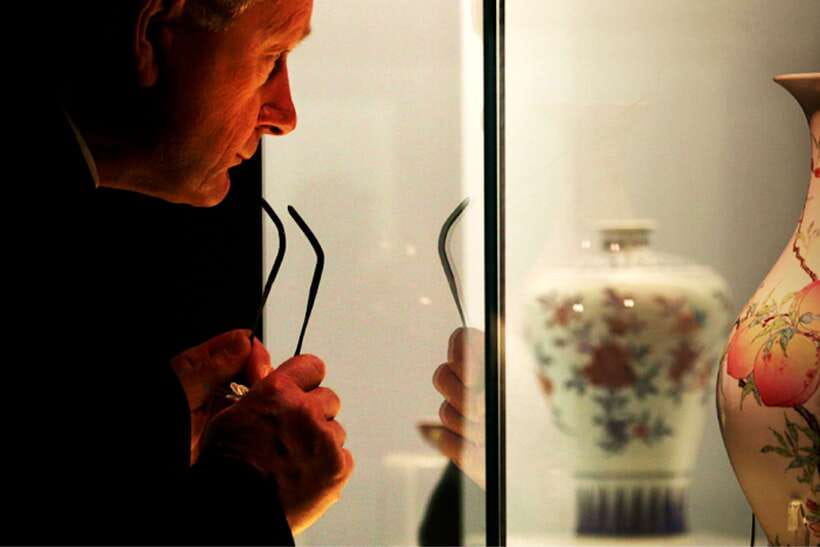
- Ceramics Gallery: porcelain evolution from dynasty to dynasty
- Jade Gallery: symbolism you can actually read
- Other galleries and your wrap-up Q&A
- Language and guide style: how this tour stays readable
- Price value: what $60 covers and when it’s worth it
- What’s not included (and how to plan around it)
- Who this tour fits best
- Should you book the Shanghai Museum private tour?
- FAQ
- How long is the Shanghai Museum private tour?
- Where do we meet the guide?
- What is included in the price?
- Is hotel pickup included?
- Which languages are available for the live guide?
- Are cameras allowed in the museum during this tour?
- What should I bring with me?
- Is entry to special exhibitions included?
- Is free cancellation available?
Quick hits before you go
- East Wing meeting point makes it easy to find your guide right at the entrance.
- Bronze Gallery context explains ritual use and political meaning, not just the object shape.
- Ming and Qing ceramics focus helps you compare styles and design choices with real guidance.
- Blue-and-white porcelain is called out as a must-see moment with historical significance.
- Jade symbolism connects burial and ornament to ideas like purity and moral integrity.
- End-of-tour Q&A gives you time to ask questions while the information is fresh.
A strong plan for Shanghai Museum’s biggest collections
The Shanghai Museum is one of those places where you can easily spend a whole day and still feel like you only scratched the surface. This private tour solves that problem by choosing key rooms and giving you a straight path through the collections that matter most. You’ll see major categories—bronze, ceramics, jade—and you’ll get the meaning behind what you’re looking at.
For most people, the museum’s display is visually stunning but not automatically readable. Labels help, but the real payoff comes when someone explains how the objects were made, who used them, and why they changed over time. That’s exactly what the tour is aiming for: turning artifacts into stories you can carry with you.
And because this is a private tour, the pacing tends to be calmer. Your guide can answer questions and adjust attention if something catches your interest—one reason people often rate these guides highly for being patient and engaging.
You can also read our reviews of more tours and experiences in Shanghai.



Meeting at the Shanghai Museum East Wing entrance
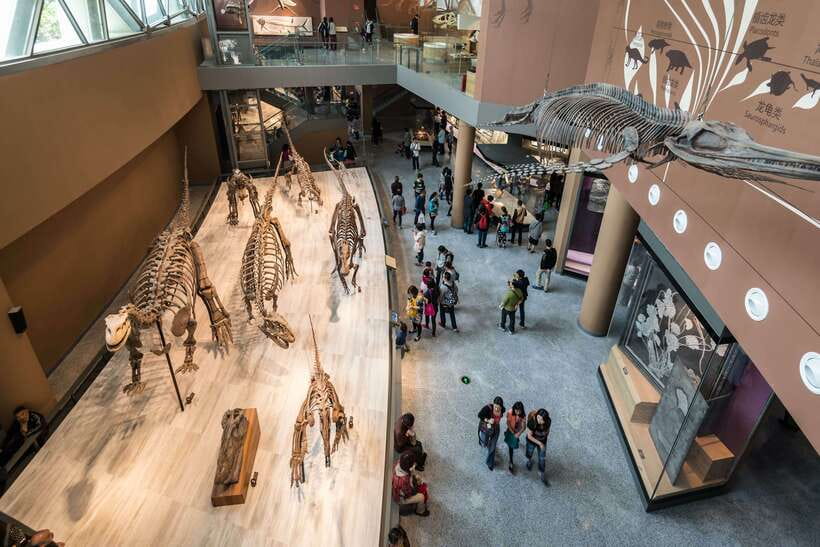
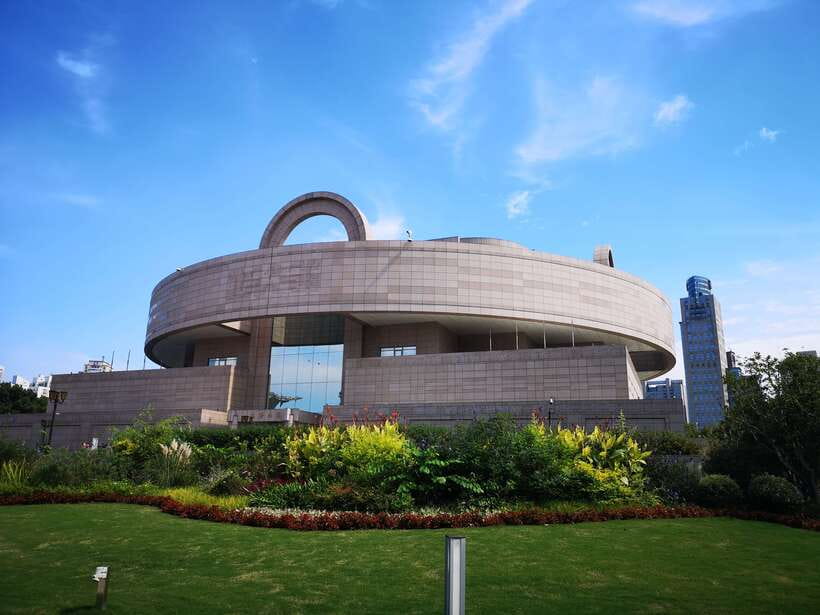
You meet at the entrance of the Shanghai Museum East Wing, and your guide holds a sign with your name. That’s a small detail, but it matters in Shanghai museums where entrances can be confusing and timing can get tight.
You’ll also want to be ready for a practical reality: you must bring a passport or ID card. If you’re traveling with a passport, keep it accessible so you’re not scrambling at check-in.
One more tip that can save stress: some groups receive a message with the exact meetup details ahead of time (for example, a WhatsApp note has been mentioned in past feedback). Even if you don’t get one, arriving a bit early helps you confirm you have the right entrance and the right person.
Bronze Gallery: ritual vessels, weapons, and the politics behind them
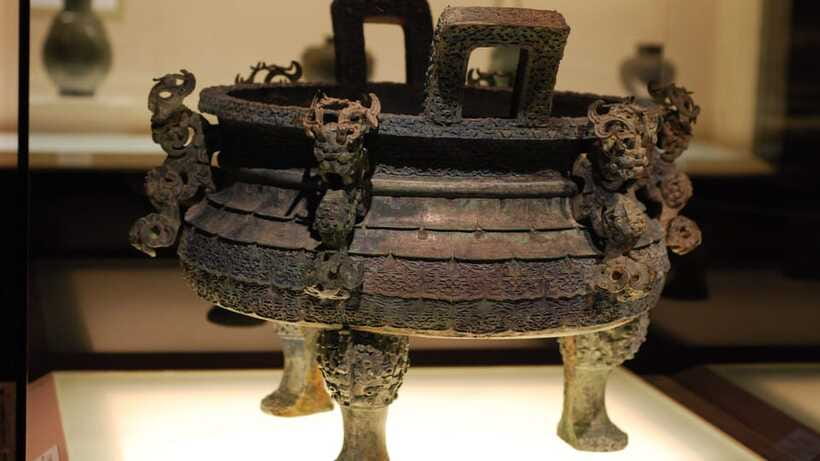
The tour starts in the Bronze Gallery with artifacts from the Shang (1600–1046 BC) and Zhou (1046–256 BC) dynasties. If you’ve ever wondered why ancient bronzes look so formal and heavy, this is where the answer becomes clear.
Your guide explains how bronze mattered in ancient Chinese society. You’ll hear how bronzes weren’t just art objects; they were tied to rituals and ceremonies. Ritual vessels—plus related items like weapons—show how social rank and authority were expressed in the materials people used.
A bonus here is technique. Bronze casting in ancient times wasn’t casual. When your guide talks through the methods and craftsmanship, the shapes make more sense. Instead of seeing a pattern and moving on, you’re learning how the piece was produced and how that production reflects the sophistication of the period.
What to watch for: look for the changes in style between Shang and Zhou pieces and pay attention to how the form signals purpose. If you’re the type who likes to compare eras, this part gives you real structure to do it.
Possible drawback: bronzes can be dense with details, and without a guide you might miss the “why.” This tour is designed to prevent that, but it does mean you’ll want to keep up with explanations rather than treating it like a quick photo stop.
Ceramics Gallery: porcelain evolution from dynasty to dynasty
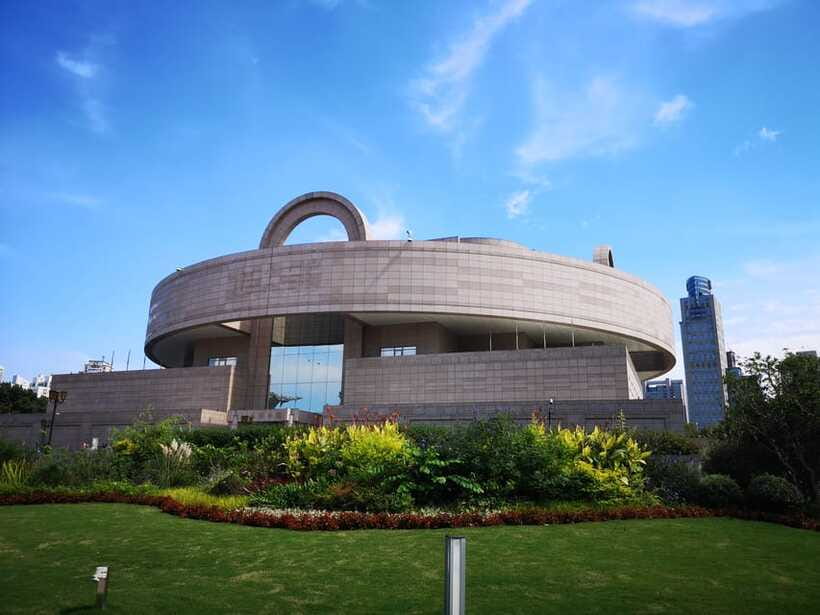
Next comes the Ceramics Gallery, with a strong focus on porcelain from different dynasties, especially the Ming and Qing periods. This is a smart choice because ceramics are easier to connect to daily life and trade, and you can often spot artistic shifts just by looking carefully.
Your guide walks you through the evolution of ceramic art—how styles changed and what influences shaped designs. A big highlight is the chance to examine famous blue-and-white porcelain. The guide can explain why that look became so iconic and what makes it historically significant.
Here’s what I think you’ll appreciate: ceramics are usually shown in series, and a guided visit helps you compare pieces side by side. Instead of one “pretty plate” moment, you get a sequence that shows how taste, technique, and cultural priorities shifted over centuries.
What to watch for: look closely at the motifs and the balance of pattern. If your guide points out specific design features, you’ll start noticing how artists solved visual problems—scale, repetition, symmetry—using the constraints of porcelain.
A practical note: since cameras are not allowed, this gallery is more about observation and learning. If you like sketching, you might bring a small notebook and jot down recurring motifs you want to remember later.
Jade Gallery: symbolism you can actually read
Then you move to the Jade Gallery, where the story becomes symbolic as much as it is material. Jade artifacts dating back thousands of years are a big deal in Chinese tradition, and the tour connects that importance to both daily value and afterlife beliefs.
Your guide explains the cultural significance of jade. You’ll learn how jade shows up in burial items as well as ornaments, and that use helps explain why jade carried moral and social meaning. The tour highlights symbolism like purity and moral integrity, which turns the beauty of the objects into a bigger message.
You’ll also hear about carving techniques. Even when you can’t see every tool mark clearly, the explanation helps you understand why jade pieces look the way they do—how artisans achieved shape, detail, and polish in a hard material.
What to watch for: pay attention to how different jade items relate to function. A burial-related piece can feel more “ceremonial” than an ornament, and the symbolism explained by your guide can help you feel that difference quickly.
Possible drawback: jade can be so beautiful that you might want more time in front of each display case. The tour is only 3 hours, so if jade is your top interest, you may want to ask your guide to spend a little extra time here, even if it means moving faster through other rooms.






Other galleries and your wrap-up Q&A
After the main gallery sequence—bronze, ceramics, jade—your guide introduces you to other galleries available on the day. This is useful because it keeps your tour from feeling like a three-stop checklist. It also means the route can adjust to what’s on display.
At the end, you get a short wrap-up and Q&A time. That’s not a throwaway moment. If you’re the kind of person who keeps asking why something was made a certain way, Q&A is where you get the most “aha” returns. It’s also the best time to ask for suggestions on what to see next inside the museum with your new context.
If you’re visiting with someone who loves art but isn’t into history—or the other way around—this structure helps balance the interests. The guide can explain details in a way that works whether you’re focused on technique, symbolism, or period storytelling.
Language and guide style: how this tour stays readable
The tour is offered with live tour guidance in Chinese and English, and the private nature helps the explanations stay clear. Based on what people have shared in past feedback, guides often bring patience and deep subject knowledge, plus a friendly way of handling questions.
Names mentioned in connection with strong tours include Linda, Vicky, and organizers like Tom who helped set things up. Whether you know the art already or you’re starting from zero, the goal is the same: help you connect visual details to cultural meaning.
If English (or Chinese) is important to you, this is a big advantage. You’re not stuck reading small labels and guessing. You’re getting a human explanation that can respond to your questions.
Price value: what $60 covers and when it’s worth it
At $60 per person for about 3 hours, this tour can feel like a bargain if you care about context. Here’s why: you’re paying for museum entry plus a guide, and museum time with a guide often reduces the chance you “miss” the meaning of what you paid to see.
The big question is whether a guided tour matches your style. If you:
- like explanations,
- want to learn rather than just look,
- and want fewer decision points,
then the pricing makes sense.
If you:
- already know Chinese art history,
- prefer complete freedom,
- or plan to take lots of photos anyway,
you might get similar value by going self-paced and spending extra time on the rooms you enjoy most.
One more value note: the tour is scheduled to fit inside a typical Shanghai museum plan. You’re not losing a half day. You’re getting a concentrated experience.
What’s not included (and how to plan around it)
A few things aren’t part of the package:
- No hotel pickup: you’ll handle your own arrival to the museum.
- Drinks aren’t included: plan to bring water or grab it nearby before or after.
- Special exhibition entry isn’t included: if there’s a special exhibit running during your visit, you may need to pay separately.
Also remember the rule about cameras not being allowed. That affects how you experience the museum. Instead of relying on photos, you’ll lean on the guide’s explanations, the signage, and any notes you take.
Who this tour fits best
This private Shanghai Museum tour is a strong match if you’re:
- a history buff who wants explanations tied to artifacts,
- an art lover who likes technique and symbolism,
- traveling with someone who would benefit from a smoother route through big galleries,
- or visiting Shanghai for the first time and want high-value cultural time.
It’s also a good fit for independent travelers who want structure without committing to a long day. The 3-hour timeframe is realistic, and the sequence keeps you moving while still giving meaning to what you see.
Should you book the Shanghai Museum private tour?
Yes, if you want a guided experience that turns three gallery types—bronze, ceramics, jade—into a connected story. You’ll get the most out of it when you’re open to learning and you ask questions.
You might skip it (or choose a different style) if you plan to spend most of your time photographing, you already know the history deeply, or you prefer to wander the museum entirely on your own schedule.
If you do book, I’d focus on one thing: show up ready to watch and listen. With cameras restricted, the guide’s explanations become the main souvenir.
FAQ
How long is the Shanghai Museum private tour?
The tour lasts 3 hours.
Where do we meet the guide?
You meet at the entrance of the Shanghai Museum East Wing. The guide holds a sign with your name.
What is included in the price?
The price includes a guide and entry to the Shanghai Museum.
Is hotel pickup included?
No. Hotel pickup is not included.
Which languages are available for the live guide?
The live tour guide is available in Chinese and English.
Are cameras allowed in the museum during this tour?
No. Cameras are not allowed.
What should I bring with me?
Bring a passport or ID card.
Is entry to special exhibitions included?
No. Special exhibition entry is not included.
Is free cancellation available?
Yes, you can cancel up to 24 hours in advance for a full refund.