Two ancient water towns, plus dumplings, on one long day. This is a full-day plan that pairs Tongli’s canal scenery and UNESCO-listed garden paths with the quieter feel of Jinze’s courtyard lifestyle. You also get a real meal experience, not just a photo stop: an 8-course home-cooked lunch in a local house, then dumplings you’ll make yourself.
My favorite part is how the day mixes sightseeing with hands-on moments—tea ceremony details and optional calligraphy practice—while still leaving enough time to walk the canals at a human pace. The one thing to think about: you’ll do a good amount of walking on stone lanes and bridges, so bring comfortable shoes and keep your legs ready.
In This Review
- Key takeaways
- Tongli’s canals and the Retreat and Reflection Garden
- Jinze courtyard teahouse lunch in a slower village
- Tea ceremony and calligraphy you can actually try
- Dumpling-making class: three styles, one early supper
- Timing, walking, and the small-group ride from Shanghai
- Price and what’s included (so you can judge value)
- Who should book this Tongli and Jinze day trip?
- Should you book? My quick decision checklist
- FAQ
- What time does the Tongli and Jinze tour start?
- How long is the tour?
- Is hotel pickup and drop-off included?
- How big is the group?
- What does the ticket include?
- Are drinks included?
- Does the tour include dumpling-making?
- Is there calligraphy instruction?
- Is the tour suitable for children?
- What if I need to cancel?
Key takeaways
- Tongli’s Retreat and Reflection Garden gives you calm, shaded walking, not just canal selfies
- A courtyard home lunch in Jinze feels like a real routine meal, with your chef visible in the kitchen
- Tea ceremony + calligraphy turns culture into something you can try, not just watch
- Dumpling class makes dinner early and easy, and you’ll eat what you make
- Small groups (up to 8) make it easier to ask questions and move at the right speed
Tongli’s canals and the Retreat and Reflection Garden
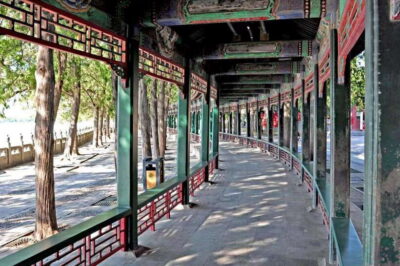
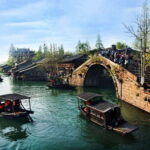
Tongli is the kind of place where you stop looking for landmarks and start paying attention to rhythm. You’ll arrive to a network of canals, stone houses, and old bridges, with tree-lined waterfronts that make even a cloudy day feel like an old painting. The town’s history goes back about 1,500 years, and you can feel that age in how the waterways shape daily life.
The walking tour focuses on the sides of the canals and the alleyways that connect them. That matters, because water towns can turn into a one-track route if you’re just chasing the most obvious spots. Here, you’re guided through the quieter in-between spaces where the stone steps, narrow lanes, and small arch bridges actually make sense.
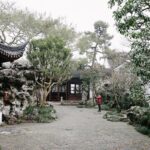
Then comes the highlight for many people: the Retreat and Reflection Garden. It’s a 19th-century oasis of winding paths, reflecting ponds, and pavilions. Even if you’ve visited other Chinese gardens, this one works because it’s not just decoration. It’s designed for movement—turn a corner, see a new angle of water or roofline, pause, then walk again. It’s also a nice break from open-air canal walking, since paths and structures provide moments of shade and shelter.
A practical note: gardens and old water-town lanes often mean uneven pavement and stairs. Plan to move slowly and take breaks. If you enjoy photography, bring your eyes as much as your phone—water towns reward details like doorways, bridge railings, and the way locals use the space.
You can also read our reviews of more tours and experiences in Shanghai.



Jinze courtyard teahouse lunch in a slower village
After Tongli, the vibe shifts west to Jinze, another canal-and-bridge town, but with a different texture. The key is that Jinze feels more “still in motion” day-to-day. Some buildings date to the 10th-century Song dynasty era, and that older architecture shows up in the courtyard layouts and the way homes face inward.
You’re guided through the atmosphere of this more primitive-feeling village, the kind where daily life is less staged for tourists. That’s a real value if you’re tired of water towns that feel like theme parks by noon. Here, you get more of the lived-in feel—people moving around, narrow lanes doing what lanes have always done: connect homes, tea houses, and canal access.
Lunch takes place in a courtyard teahouse, with a home-cooked setup built around an 8-course meal. The chef is working in the kitchen while you’re there, which changes the whole experience. Food tours can be passive; this one is more like sitting down at someone’s home and being treated well.
The meal is paired with drinks such as fresh juice, tea, and options including wine and beer. You’ll also have choices that include Chinese Baijiu (the info lists Mao Tai). If you don’t drink alcohol, tea and juice are part of the included setup, so you’re not stuck waiting for water like you might be on some tours.
If you have dietary needs, you should flag them when booking. The tour info asks you to advise dietary requirements up front, and that’s where you’ll get the best chance of making the lunch fit your needs.
Tea ceremony and calligraphy you can actually try
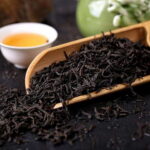
This tour doesn’t treat “culture” like a museum lesson where you stand at the back. In Jinze, you shift from food to tea, with a proper tea ceremony. You’ll sample delicate teas and get the idea behind different leaves and how tea sets matter. There’s also some explanation of the history and ritual, which helps you understand what you’re experiencing instead of just tasting and nodding.
Then there’s an optional add-on that I really like for first-timers: Chinese calligraphy instruction. You’ll use a traditional brush and ink and learn how to read and write particular words. Even if your handwriting comes out looking like modern art, the point is the practice—learning the feel of the brush, ink control, and stroke order guidance.
This is one of those parts where group size matters. With only up to eight people, you’re not shouting over a crowd or watching someone else do all the fun. You can ask questions, get adjustments, and actually try the activity.
If you’re the type who learns by doing, you’ll enjoy this. If you just want scenic photos, you can still do it—tea and calligraphy are short, structured breaks that keep you from burning out during the walking portions.
Dumpling-making class: three styles, one early supper
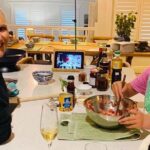
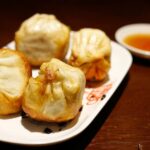
By the time dumpling time arrives, you’re ready for food that’s not just “included,” but made by you. The dumpling session is led by a host, and you’ll watch the process before you take over. You’ll manipulate the dough, then make and cook three versions of dumplings.
The best part is that you don’t just learn the technique and then move on. You’ll eat your dumplings as a light early supper. That sequencing matters. Water towns can be long days, and it’s nice when dinner isn’t a frantic hunt later.
What you get out of it goes beyond taste. Dumplings are one of the foods tourists recognize, but the class helps you see the craft: dough feel, filling distribution, and how cooking changes the texture. And because there are three versions, you get a little variety without turning it into a three-hour cooking class.
My advice: keep your expectations simple. You’re not trying to win a dumpling contest. You’re learning enough to appreciate why locals do it the way they do—and then enjoying the results while the memory is still fresh.
Timing, walking, and the small-group ride from Shanghai
The tour starts at 8:30 am from your central Shanghai hotel. Expect a full day, and plan your schedule around an ending time around early evening. One recent schedule ran from 8:30 am to about 7:00 pm, so I’d treat that as a realistic window even if your day varies a bit.
Transportation is in a comfortable minivan with a driver, plus a guide. You’ll travel eastward from Shanghai’s suburbs toward Tongli, then shift to Jinze afterward. You pass through areas en route while getting context about what you’re about to see.
Two practical wins here:
- Central hotel pickup and drop-off saves you time and confusion.
- Mobile ticket + free 4G WiFi help with navigation, messaging, and sharing photos while you’re in transit.
Small group size is a real quality-of-life factor. With eight people or fewer, you’re less likely to get separated, and it’s easier for the guide (Miki is specifically mentioned as professional in one account) to manage pacing through narrow lanes and garden pathways. You’ll still walk, though—old water towns don’t do “easy mode.”
Wear shoes you can trust on stone. Bring a light layer, since the tour runs in all weather conditions and you’re walking outdoors on both sides of the day. And if you’re someone who gets tired easily, pace yourself: stop often, take photos when you feel inspired, then keep moving without racing.



Price and what’s included (so you can judge value)
At $248 per person for an ~8-hour day, this isn’t a budget snack tour. But it does a lot for the money. Here’s where the value comes from:
You’re paying for guided entrance access and a packed cultural meal-and-activity schedule:
- Entrance fees for the water town sights
- A guided walking tour in Tongli
- The UNESCO-listed garden visit
- An 8-course home-style lunch in Jinze
- Tea ceremony
- Dumpling-making class and the dumplings you eat
- Drinks during the meal experience (fresh juice, tea, and options like beer and wine listed)
- Central Shanghai hotel pickup and drop-off
- Tour guide and transportation in a minivan
- Free 4G WiFi
When tours only include transportation and a guide, you can end up paying extra for the parts that actually create memories. This one front-loads the major experiences so you’re not constantly reaching for your wallet. If your day in China is limited, that matters—time is the expensive part, and you’re using it well.
One consideration: included drinks can include alcohol options. If that’s not your thing, you’re not forced into them, but it’s helpful to know ahead of time that the meal setting includes more than soft drinks.
Who should book this Tongli and Jinze day trip?
This tour is a great fit if you want:
- Old water-town scenery plus a calm garden experience
- A meal that’s part of the cultural show, not just a restaurant lunch
- Hands-on activities like tea ceremony, optional calligraphy, and dumplings
- A small group where you can actually ask questions
It may not be ideal if you:
- Hate walking on uneven stone and narrow lanes
- Want a mostly free-form day with no structured meal or class components
- Are looking for a longer stay in just one town rather than two in a day
The sweet spot is travelers who like variety. You’ll see canal landscapes, then switch to courtyard life, then end with a cooking class that gives you something real to take home—at least in your belly and your photos.
Should you book? My quick decision checklist
Book it if you like your day structured around real experiences: canals with context, a courtyard lunch in a local setting, tea with explanation, and dumplings made by your own hands. Also book it if you’d rather pay for convenience (pickup, entrance fees, guided pacing) than spend your limited time figuring out routes and tickets.
Skip it if you’re the type who wants only scenic wandering with minimal scheduled activities. This day has set stops and classes, and it moves. Still, the pacing is built around breaks—garden walking, then lunch, then tea, then dumpling supper—which helps the whole day feel manageable.
If you want a water-town day that feels like more than sightseeing, Tongli plus Jinze with the courtyard lunch and dumpling-making is a solid bet.
FAQ
What time does the Tongli and Jinze tour start?
The tour start time is 8:30 am.
How long is the tour?
It runs for about 8 hours.
Is hotel pickup and drop-off included?
Yes. Central Shanghai hotel pickup and drop-off are included.
How big is the group?
There is a maximum of 8 travelers per booking.
What does the ticket include?
The tour includes entrance fees, lunch, tea ceremony, dumpling supper, drinks, and guide and transportation, plus central Shanghai pickup and drop-off.
Are drinks included?
Yes. Drinks included are fresh juice, beer, wine, Chinese Baijiu (Mao Tai), and tea.
Does the tour include dumpling-making?
Yes. You’ll join a dumpling-making session, make and cook three versions, and then eat the dumplings as a light early supper.
Is there calligraphy instruction?
Calligraphy is available if you wish to try. You’ll learn to read and write particular words with a traditional brush and ink.
Is the tour suitable for children?
The minimum age is 3 years, and children must be accompanied by an adult. A child rate applies only when sharing with 2 paying adults.
What if I need to cancel?
You can cancel for free up to 24 hours in advance of the experience’s start time for a full refund.