REVIEW · BEIJING
Summer Palace, Hutong Rickshaw, Lama and Confucius Temple Tour
Book on Viator →Operated by Beijing Meitu Travel Agency Co., Ltd. · Bookable on Viator
Beijing in one efficient loop. This guided day strings together the Summer Palace, Hutongs by rickshaw, and two major temples, with tickets and lunch handled so you don’t spend your energy on logistics. I especially liked the hotel pickup and drop-off, and I really valued the guide keeping the story clear and the route sensible from stop to stop.
You should know the schedule is full. With about two hours at Summer Palace, then 90 minutes each for the rickshaw circuit, Lama Temple, and Confucius/Guozijian, you’ll be on the move most of the day. If you want lots of slow wandering, this plan may feel packed.
In This Review
- Key highlights
- Why this Beijing day feels like a smart value at $180.90
- Summer Palace: Empress Dowager Cixi’s world at Yiheyuan
- Hutong rickshaw time: old lanes, a square courtyard, and Houhai photos
- Lama Temple (Yonghegong): Tibetan style, Kangxi to Qianlong, and three big “wonders”
- Temple of Confucius and Guozijian Museum: respect for teachers, plus China’s education machine
- The logistics that matter: timing, transfers, and how you avoid the headache
- Lunch and water: Peking duck, plus a real break in the middle
- Who this tour is best for (and who should skip it)
- Should you book this Beijing Summer Palace and temples tour?
- FAQ
- What time does the tour start?
- How long is the tour?
- Does the price include entrance fees and lunch?
- Is hotel pickup and drop-off included?
- What languages are available for the guide?
- Is tipping included in the tour price?
Key highlights
- Hotel pickup and drop-off so you can start sightseeing right away at 9:00 am
- All entrance fees included, which helps you avoid last-minute ticket stress
- Hutong rickshaw ride through old Beijing lanes plus photo time near Houhai area
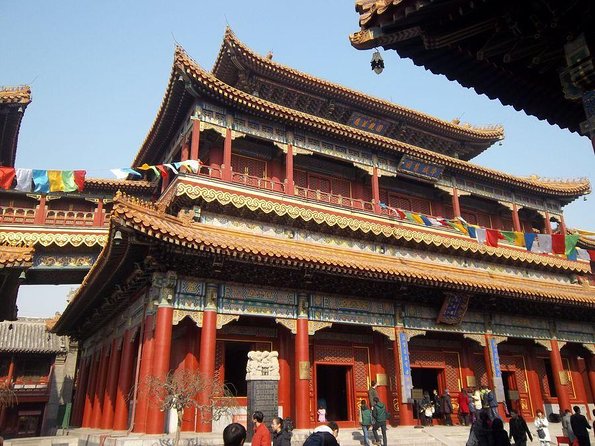
- Lama Temple’s big “wow” stops, including the tall sandalwood Buddha and Five Hundred Arhats mountains
- Temple of Confucius and Guozijian in one run, including the preserved imperial education site
- Peking duck lunch at a popular duck restaurant, plus bottled water
Why this Beijing day feels like a smart value at $180.90
At around $180.90 per person for a full 8-hour day, the price makes sense only if you’re actually using the included pieces. Here, you’re paying for a real package: a professional guide, round-trip hotel pickup and drop-off, air-conditioned car transfers, entrance fees for multiple major sights, and a Peking duck lunch. That is what turns it from a “see a temple” outing into a smooth, low-hassle Beijing day.
Also, the order matters. The tour hits the Summer Palace first, then shifts to old-city texture in the Hutongs, and finishes with the religious/education landmarks in the Lama Temple and Confucius area. In practice, that means you get both Beijing moods: imperial-era scale and local street life, all in one continuous plan.
One small note: this is described as a private tour/activity, so you won’t be spread across a big group with random strangers. That usually makes it easier for your guide to set pace and answer questions on the spot.
You can also read our reviews of more tours and experiences in Beijing.
Summer Palace: Empress Dowager Cixi’s world at Yiheyuan
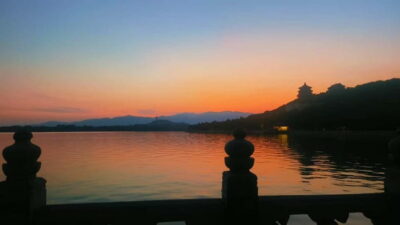
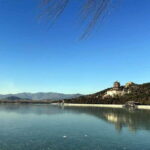
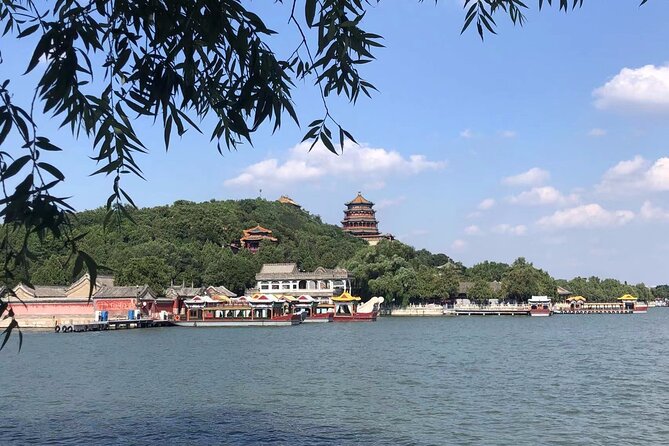
Summer Palace (Yiheyuan) is the kind of place where you can easily burn half a day just trying to orient yourself. With a guide, you get straight to the storytelling. You’ll spend about two hours in the imperial garden complex, built in the mid-1700s, burned in 1860, and rebuilt later. Then you’ll follow your guide’s thread through the reasons it became so famous.
What I like about this stop is the focus on the people behind the postcard views. The tour specifically connects the site to Empress Dowager Cixi, including her extravagant lifestyle and why she loved coming here. You’ll hear about a few signature parts you can’t really appreciate just by walking around: the opera house, rooms used for birthday celebrations, and the famous longest painted corridor. You also get time at Kunming Lake, which is the visual anchor for a lot of the palace scenery.
How to use your time: in a place like this, two hours can either feel rushed or perfectly paced. With a guide framing what matters, you’re more likely to remember the details later. Wear comfortable shoes here. Palace grounds can be deceptively tiring, even when you’re mostly “just walking along water.”
Potential drawback: because your day is timed tightly, you won’t have the luxury of getting lost and staying lost. If you want a slow photo marathon in every corner, you may wish you had more than the scheduled stop.
Hutong rickshaw time: old lanes, a square courtyard, and Houhai photos
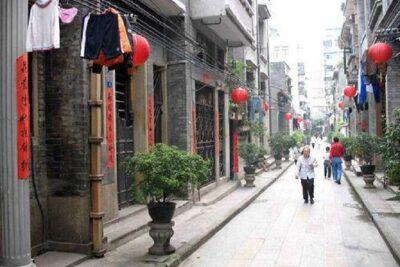
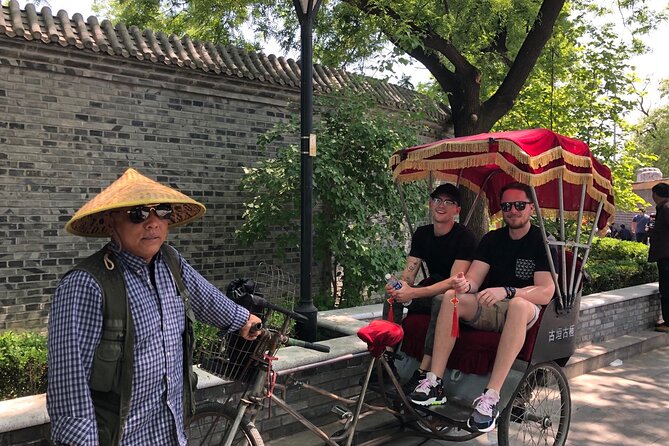
After the palace, the tour shifts into street-level Beijing with a Hutong rickshaw ride. You’ll spend about 1 hour 30 minutes riding through old Beijing Hutongs, with your guide helping you read what you’re seeing: the daily rhythm, the layout logic of courtyards, and the social culture tied to these lanes.
This is one of the best parts of the day if you like contrast. The Summer Palace is grand and formal; the Hutongs are human-scale. You’ll also visit one representative square courtyard, which gives context beyond the “drive-by photo” version of Hutongs. The tour then stops near Yin Ding Bridge in the Houhai Lake area, with a chance to take pictures and feel the change in setting.
One practical consideration: rickshaws move at a slower pace, but you’re still in traffic-adjacent streets and uneven surfaces. If you’re sensitive to bumps, keep that in mind. Also, this stop is 90 minutes, which is a good length for seeing the neighborhood without exhausting you before the next temples.
Lama Temple (Yonghegong): Tibetan style, Kangxi to Qianlong, and three big “wonders”
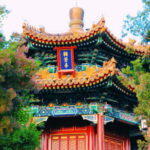
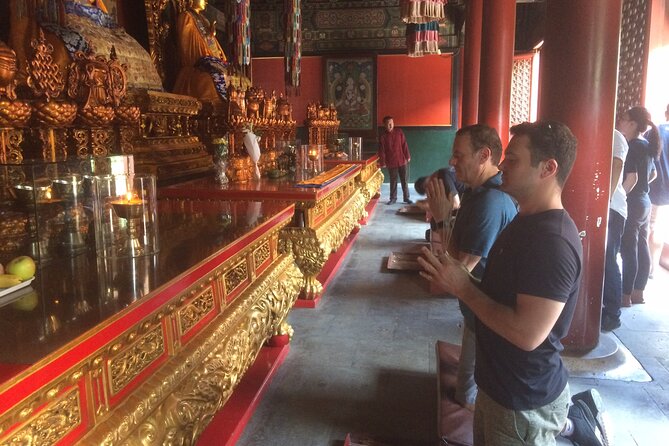
Lama Temple (Yonghegong) is where your tour turns from imperial gardens and old lanes to a major religious site in Beijing. You’ll spend about 1 hour 30 minutes here, and the guide’s job is to help you make sense of the visual intensity.
The tour gives the core background: it was built in 1694 by the Emperor Kangxi for his 4th son, Yin Zhen. Then the next emperor, Qianlong, was born there too, so the complex became associated with a “blessed land” for both emperors. It’s not just trivia; it helps explain why the place feels important and ceremonial rather than random.
You’ll focus on three standout wonders:
- the Five Hundred Arhats mountains
- the 26-meter-high sandalwood Buddha, listed in the Guinness World Book in 1900
- exquisite nan mu Buddha niches
That mix is smart because it hits different kinds of scale: mountain-like sculpture, massive material presence, and detailed carvings up close. A guide also helps you spot what to look for without wasting time guessing where the real highlights are.
Potential drawback: Lama Temple is a busy sightseeing magnet in general, so plan to keep your pace moving and follow your guide’s cues for the best viewing angles. Your scheduled time is generous enough for a closer look, but it’s not a full-day deep dive.
Temple of Confucius and Guozijian Museum: respect for teachers, plus China’s education machine
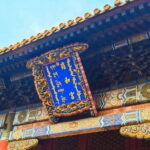
After Lama Temple, you cross the street to the Temple of Confucius, built in 1302 during the Yuan dynasty. You’ll spend time worshiping Confucius in the way the site was designed for, and the tour frames it as a good choice because it’s often less touristy than the big blockbuster options nearby.
From there, you move into the Guozijian Museum, also known as the imperial college. This part is especially valuable if you like the “how society worked” side of history. The tour emphasizes that it’s the only preserved and complete site of the highest institution and administration managing education across the Yuan, Ming, and Qing dynasties. In other words, you’re not only looking at a shrine—you’re walking through the machinery of learning and rank.
If Confucius is new to you, don’t worry. Your guide helps connect the meaning of the worship and the education tradition to what you see in the site layout and preserved structures. One review experience also pointed out the theme of respect for your teacher, and that idea fits the atmosphere here: quiet authority, formal spacing, and the sense that education was a pathway to public life.
Practical note: this is the tail end of the day, so keep your energy for the walk between areas. Bring water earlier than you think you need it. Bottle of water is included, but you’ll still want to pace yourself.
The logistics that matter: timing, transfers, and how you avoid the headache
This tour starts at 9:00 am and runs about 8 hours total. Hotel pickup and drop-off are included, plus an air-conditioned car for transfers between stops. That matters in Beijing, where distances can add up and your feet can get unhappy if you’re planning everything yourself.
All entrance fees are included as well. That’s not just convenience. It reduces the mental load of ticket lines and the stress of deciding what’s worth paying for. You just arrive, scan, and go.
Group size is described as private, meaning it’s only your group. You still get a professional guide, and the guide is available in multiple languages (English, Spanish, French, and German). In reviews, names like Susan and Nancy showed up as standout guides, and Cathy was praised for making the day fun while still educational. Diego is also mentioned as kind and collaborative. The pattern is clear: the guidance is meant to be active, not a passive audio-style narration.
Lunch and water: Peking duck, plus a real break in the middle
You’ll get a famous Peking duck lunch at a popular duck restaurant, and bottled water is included. That’s a nice mid-day reset. It also helps you avoid the common problem on full-day tours: you spend your “lunch time” trying to find food that works for your schedule.
Keep expectations realistic. This is still a scheduled itinerary, so lunch is a break, not a wandering food adventure. But it’s the right kind of included meal: iconic, filling, and close to the route so you can get back to sightseeing without delay.
Who this tour is best for (and who should skip it)
This tour is a great fit if you want:
- a guided day that connects major Beijing sights without map stress
- a mix of imperial landmarks and real old-city texture
- included entrances and a set lunch so you can budget your day cleanly
You might want to skip or choose another format if:
- you prefer long, self-directed time in one attraction
- you’re extremely sensitive to being on your feet for multiple scheduled stops
- you want total flexibility to change the order mid-day (this itinerary is designed as a run)
Should you book this Beijing Summer Palace and temples tour?
If you like your Beijing days organized and meaningful, I’d book it. You get the big names—Summer Palace, Lama Temple, and Confucius—plus the Hutongs rickshaw ride that gives you a local-feeling snapshot you can’t get from a bus-only day. The value is in the bundle: guide, entrances, car transfers, hotel pickup/drop-off, and Peking duck lunch.
I’d book it confidently if you’re traveling with limited time and you want to see a lot without constantly making decisions. If your style is slow and solo, you may prefer a more flexible plan—but for most people, this is a strong, sensible way to spend one full day in Beijing.
FAQ
What time does the tour start?
The tour start time is 9:00 am.
How long is the tour?
It runs about 8 hours (approx.).
Does the price include entrance fees and lunch?
Yes. Entrance fees for the included sights are included, and the tour also includes a Peking duck lunch plus bottled water.
Is hotel pickup and drop-off included?
Yes, hotel pickup and drop-off are included.
What languages are available for the guide?
The guide is available in English, Spanish, French, and German.
Is tipping included in the tour price?
No. Gratuities are not included, and they’re recommended.