REVIEW · CHENGDU
Half-Day Walking Tour with a Vegetarian Lunch at a Nunnery
Book on Viator →Operated by Chilli Cool China · Bookable on Viator
Spices, snacks, and serenity—on foot. This half-day small-group experience mixes Chengdu’s spice market with a Buddhist ceremony and a vegetarian meal at a nunnery, plus time for a tea break. I like the hands-on market tasks and food tasting, and I also like that the day ends at Wenshu Yuan Monastery instead of just circling tourist streets. The one drawback to plan around is that you’re walking through local back streets, so wear shoes you trust and expect real street conditions.
You’ll get a guide who keeps the pace human. The market start includes assigned tasks you can try while you learn the spices and snack culture behind Sichuan cuisine. Later, the nunnery portion is more than just a photo stop; you’ll watch a special Buddhist ceremony and then enjoy vegetarian lunch-style temple food.
The main consideration is that this is an all-weather outdoor walking tour. Even if the schedule shifts a bit, you’ll still want to dress for sun or rain and be ready for a steady half-day on your feet.
In This Review
- Key Things You’ll Notice on This Tour
- Start at the Spice Market: What Makes It More Than Window Shopping
- Chilli Cool China’s Market Walk: How the Guide Keeps It Local
- A Hidden Nunnery Lunch: Buddhist Ceremony and Vegetarian Temple Food
- Visit Wenshu Yuan Monastery: The Calm Ending on Foot
- Tea House Break: The Reset Your Afternoon Actually Needs
- Price and Value for a 4–5 Hour Small-Group Day
- What to Wear, What to Bring, and How to Plan Your Timing
- Who This Tour Is For (and Who Might Skip It)
- Should You Book This Chengdu Half-Day Walk With Vegetarian Lunch?
- FAQ
- Where does the tour start and end?
- What time does the tour begin?
- How long is the tour?
- Is the tour group small?
- What’s included in the price?
- Is the lunch vegetarian?
- Is admission required for the monastery areas?
- What’s the cancellation window for a full refund?
- Is the tour run in bad weather?
Key Things You’ll Notice on This Tour
- Small-group, near-personal pacing (maximum 1 traveler), so questions don’t get rushed
- Hands-on spice market tasks that turn shopping chaos into learning
- Vegetarian lunch at a hidden nunnery paired with a Buddhist ceremony
- Back-street walking that shows you local Chengdu instead of only the big hits
- Afternoon tea and tea house time to slow the pace after eating and walking
Start at the Spice Market: What Makes It More Than Window Shopping
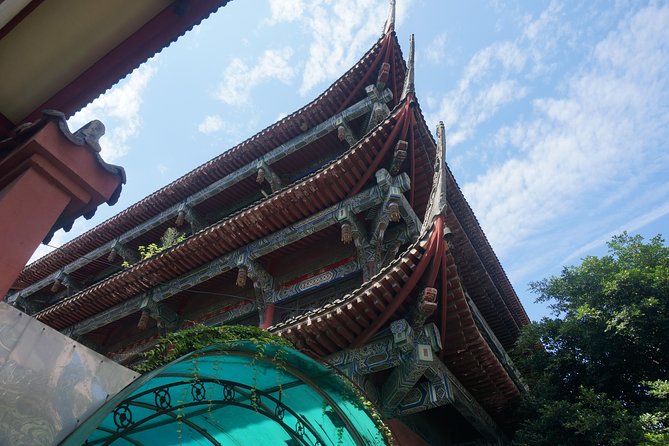
Your day begins at Wenshu Yuan Monastery (66 Wen Shu Yuan Jie, Qing Yang Qu, Qing Yang Qu, Chengdu; meeting at 9:00 am). From there, you head into the spice market area with your guide and a simple goal: learn what goes into Sichuan cooking and try the snacks that ride along with it.
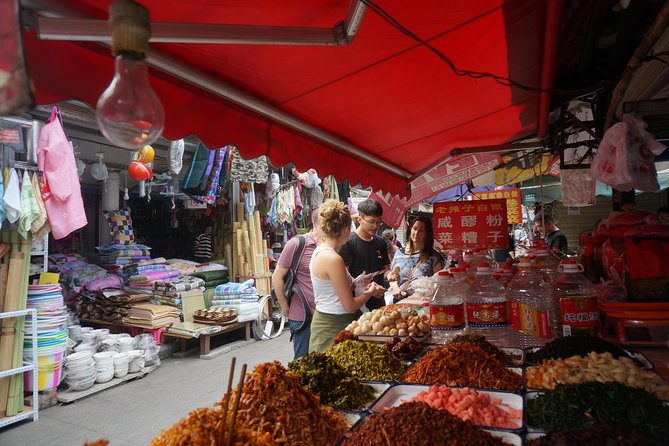
What I like here is that the spice market doesn’t feel like a rushed stroll where someone points and you follow. The tour uses small assigned tasks you can do, which makes the whole market more active. You’re not just watching merchants—you’re responding, tasting, asking questions, and learning how people shop, smell, and snack in their daily rhythm. Even if you’re not a spice super-fan, you’ll come away with a better sense of how Sichuan flavors are built from everyday ingredients you can actually see.
You’ll also get food tasting right in the market zone. That matters because tasting turns learning into something you remember. Instead of a lecture about “Sichuan spices,” you’re connecting flavors to what you’re seeing in the stalls.
One practical note: spice markets can be intense for your senses. Bring your curiosity and go slow in crowded areas. And if you’re sensitive to strong aromas, you’ll still be fine—just know you’re stepping into the real thing.
You can also read our reviews of more tours and experiences in Chengdu.
Chilli Cool China’s Market Walk: How the Guide Keeps It Local
This experience is run by Chilli Cool China, and the vibe is designed to be off-the-beaten-path. Your guide meets you on schedule and then leads you through the spice market with context you can use later when you eat in Chengdu.
The most useful part, in my view, is how the guide explains what you’re seeing in plain terms. You’re learning the ingredients that go into Sichuan cuisine, not just collecting trivia. And because the tour is capped to a very small group (maximum 1 traveler), the conversation can stay flexible. If you want to ask about snack choices, cooking ingredients, or how vendors talk to customers, you’ll have the time to do it.
There’s also a subtle benefit to the way the tour is paced. You’re doing market learning first, when your senses are fresh. By the time you reach the nunnery later, you’re not still processing stalls and smells—you can switch modes and enjoy the quiet.
If you’re coming from a hotel in the right area, there’s an extra convenience too: hotel pick-up and drop-off is available for hotels in Chengdu’s second ring road. That means you spend less time negotiating transit and more time actually moving through the day.
A Hidden Nunnery Lunch: Buddhist Ceremony and Vegetarian Temple Food
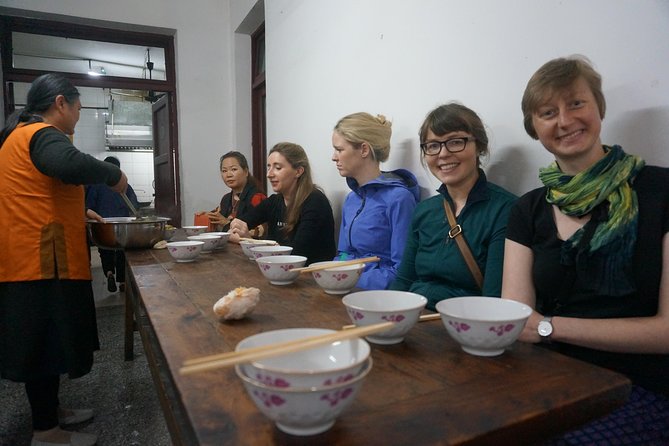
After the spice market fun, you walk to a nunnery tucked away from the main tourist flow for a vegetarian lunch paired with a Buddhist ceremony. This is the heart of the experience, because it changes the whole mood of the day.
Watching a ceremony in a real religious space (instead of just seeing a building) gives you context for how spiritual life shapes everyday culture. It’s also why the vegetarian lunch part works so well. You’re eating in the same atmosphere as the ceremony, so it feels connected instead of like a separate meal stop.
The tour is very clear about what you’ll get: a special Buddhist ceremony and vegetarian lunch at the nunnery. That’s a solid match for anyone who prefers food experiences that go beyond Western expectations. Temple meals tend to be simple, filling, and focused on comfort rather than spectacle. If you’re curious about how vegetarian food fits into Buddhist settings in China, this is a direct way to experience it.
A small practical consideration: ceremonies can ask for quiet attention, and you’ll likely be standing or sitting for periods of time depending on what’s happening. Wear clothing you feel comfortable in for respectful stillness. And since you’ll be coming from a spice market, you might appreciate rinsing your hands before the meal if you can.
Visit Wenshu Yuan Monastery: The Calm Ending on Foot
After lunch and ceremony, the tour leads you to Wenshu Yuan Monastery, described as the oldest temple in Chengdu. This portion gives you a more anchored connection to the city’s spiritual landscape, and it also serves as a natural walking landing point: you’ve spent the morning among spices and snacks, and you finish with a cultural landmark that encourages slower viewing.
Because this is a walking-based experience, you won’t feel trapped inside a van. Instead, you get the benefit of moving through the city in human scale—spotting details that don’t show up when you only see major streets. And you don’t have to stress about transportation at the end since the activity ends back at the meeting point.
If you’re short on time in Chengdu, finishing at a well-known monastery helps. You still experience “off-the-beaten” back streets earlier in the day, but you aren’t left wondering how to get back or where to go next. It’s a tidy arc: learn → taste → ceremony → tea → temple area.
Tea House Break: The Reset Your Afternoon Actually Needs
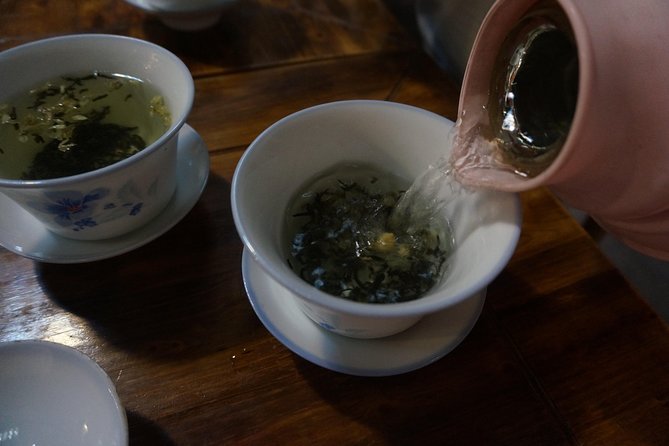
Between the nunnery and the monastery portion, you’ll have local tea in an authentic tea house. I’m a big fan of tea breaks on walking tours because they give you a breather that food alone doesn’t. You already tasted snacks and had lunch—tea helps settle flavors and cool down your senses after spice market aromas.
This is also where the pacing makes sense for a half-day. You’re not pushed into nonstop movement. Instead, you get a calmer moment that helps you process what you learned. If you’re the type who loves to ask questions, tea time is often a natural opening for “one more thing” conversations with your guide.
What to do: take your time with the tea, and if your guide offers small explanations of tea culture, listen. Even basic tea knowledge makes the experience feel more grounded.


Price and Value for a 4–5 Hour Small-Group Day
At $50 per person, this tour isn’t trying to compete with the cheapest “walk and listen” deals. It’s priced more like an experience that mixes multiple value points into one package: spice market guidance, food tasting, lunch, afternoon tea, and bottled water, plus the ceremony and monastery visit.
Here’s the value angle I think matters most: you’re not just paying for access—you’re paying for context and for food that’s part of the learning. Ingredient knowledge without tasting can feel abstract. Food tasting without explanation can feel random. This tour tries to link both.
Also, your group size is extremely small (maximum 1 traveler), which can stretch the value even further. When you can ask questions freely and keep pace at your comfort level, the per-hour value improves fast.
Another plus: admission tickets are free according to the tour details. That removes one common “gotcha” cost that can quietly add up on temple visits.
What to Wear, What to Bring, and How to Plan Your Timing
This tour lasts about 4 to 5 hours. The schedule is built for a morning start at 9:00 am, and you’ll end back at the meeting point. Because it operates in all weather conditions, dress appropriately. Bring a light rain layer if rain is in the forecast, and consider sunscreen if it’s sunny.
For walking comfort, prioritize:
- Comfortable shoes for back streets and temple-area walking
- A light layer you can adjust during the day
- A small towel or wet wipes if you’re sensitive to market smells
Also, the tour uses a mobile ticket, so keep your phone charged and ready. If you rely on screenshots, take a moment to ensure the ticket shows clearly.
If you’re traveling with kids, the minimum age is 5, and children must be accompanied by an adult.
Who This Tour Is For (and Who Might Skip It)
This is a great fit if you want more than a sightseeing checklist in Chengdu. I think it works best for people who:
- Like food and want to connect it to ingredients
- Prefer small groups and direct Q&A with an English-speaking local guide
- Want a cultural experience that includes a real ceremony and a vegetarian temple meal
- Are curious about how local markets function day to day
You might want to consider skipping if you:
- Have limited mobility or don’t enjoy steady walking
- Don’t like food tasting formats (this is built around tasting)
- Prefer purely outdoor, scenic walking with minimal religious settings
Given the format, it’s also ideal for travelers who feel they’ve done the main sights already and want a more human, local half-day.
Should You Book This Chengdu Half-Day Walk With Vegetarian Lunch?
I’d book this if you want a meaningful morning-to-lunch story: spices and snacks first, then ceremony and a meal, then tea and a monastery ending you can orient from. The small-group setup (maximum 1 traveler) and the mix of tastes plus cultural context make it feel like more than a tour bus day.
If you’re price-sensitive, compare this value against tours that only provide a guide. Here, lunch, tea, water, and tasting are part of the experience. And if you’re excited by markets and local food, the ingredient focus will pay off.
In my view, it’s the kind of half-day you’ll remember for the senses—smells, tastes, and that quieter ceremony moment afterward.
FAQ
Where does the tour start and end?
The tour starts at Wenshu Yuan Monastery (66 Wen Shu Yuan Jie, Qing Yang Qu, Cheng Du Shi, Si Chuan Sheng, China, 610084). It ends back at the same meeting point.
What time does the tour begin?
The start time is 9:00 am.
How long is the tour?
The duration is 4 to 5 hours (approx.).
Is the tour group small?
Yes. The tour has a maximum of 1 traveler, so it’s set up for very personalized pacing.
What’s included in the price?
Included items are afternoon tea, food tasting, lunch, hotel pick and drop-off (for hotels in the second ring road), bottled water, and coffee and/or tea.
Is the lunch vegetarian?
Yes. You’ll have a vegetarian lunch at a nunnery along with a special Buddhist ceremony.
Is admission required for the monastery areas?
The tour states admission ticket free.
What’s the cancellation window for a full refund?
You can cancel up to 24 hours in advance for a full refund.
Is the tour run in bad weather?
Yes, it operates in all weather conditions, so dress appropriately.