REVIEW · BEIJING
11-Day Private China Tour: Beijing, Lhasa, Xi’an and Shanghai
Book on Viator →Operated by Travel China Guide · Bookable on Viator
Eleven days to cross China and Tibet. I like the way this trip pairs Mutianyu Great Wall views with real time in Lhasa’s sacred sites, all handled by a guide and driver. You’ll also get a clear rhythm: major landmarks early, calmer cultural moments later, and flights that prevent backtracking. The big consideration is altitude in Tibet, so plan for a slower first day in Lhasa and follow the team’s advice.
What makes the logistics feel easier is what’s included: hotel stays (twin-sharing), internal flights, entrance fees, and a Tibet Travel Permit. I also like that you get a named start in Beijing with pickup at the airport arrival hall, plus day-to-day support from a professional guide. Still, this is a fast-moving route, so if you prefer very slow travel, you may feel the schedule.
In This Review
- Key things worth noticing before you go
- Beijing: from airport pickup to Forbidden City calm
- Mutianyu Great Wall plus Hutong rickshaw time
- Flying to Lhasa: the altitude day you shouldn’t rush
- Lhasa sacred sites: Potala, Jokhang, Barkhor, and Sera debates
- Xi’an: Terracotta Warriors up close, plus a clay-figure break
- Xi’an’s City Wall and Islam in the streets
- Shanghai: museum depth, Yu Garden beauty, and Bund contrast
- Value check: what you pay for (and what you still need to budget)
- Guide quality and the smooth feeling you want in Beijing
- Who should book this (and who should rethink it)
- Should you book this 11-day China tour with Lhasa and Shanghai?
- FAQ
- Is this tour truly private?
- What’s included in the price?
- How do you handle Tibet entry for the tour?
- Are internal flights included?
- What kind of pickup and guidance do you get?
- What should I do about altitude in Lhasa?
Key things worth noticing before you go
- Meet-you-arrival setup in Beijing keeps Day 1 from feeling chaotic
- Mutianyu Great Wall with cable car means big views without a total leg workout
- Three nights in Lhasa gives enough time for Potala, Jokhang, and monastery life
- Sera Monastery debates happen on a set daily schedule (except Sundays)
- Xi’an Terracotta Warriors + a clay workshop adds a hands-on layer, not just photos
- Shanghai at walking scale covers old and modern spots in one smooth flow
Beijing: from airport pickup to Forbidden City calm
You start in Beijing with a simple setup: when you land, a professional guide waits in the arrival hall holding a sign with your name. The driver handles the transfer and assists with check-in. After that, you’re free to rest or organize your own sightseeing, which is a smart way to handle jet lag.
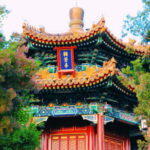
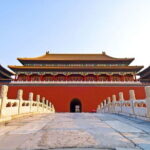
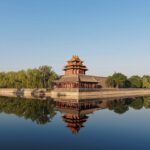
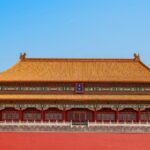
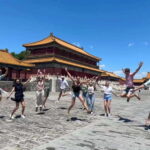
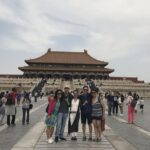
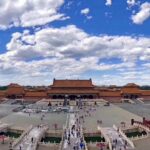
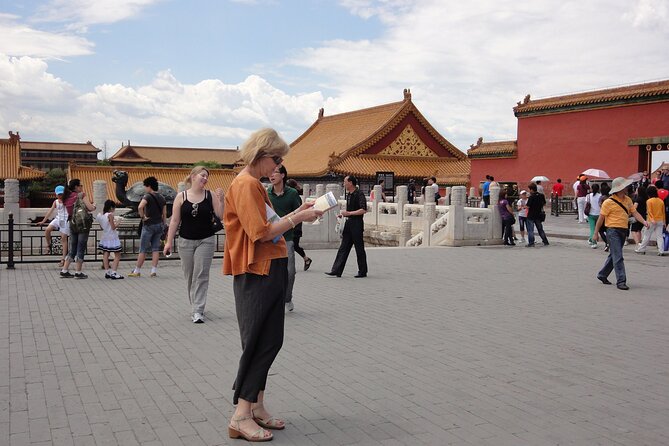
Day 2 hits Tiananmen Square first. It’s the kind of place that makes you stand still for a minute, because it’s huge and very open—great for getting your bearings in the city. Then you head into the Forbidden City (Palace Museum), where the scale can be overwhelming if you don’t have a guide to keep it organized. Here, you’re not just looking at buildings; you’ll learn how emperors lived and ruled, and you’ll have time to appreciate the palace’s collections and major halls.
Lunch is an included welcome meal at a local restaurant, listed as an a la carte lunch valued at CNY150 per person. That matters more than people think: it reduces the decision fatigue of finding food right after a big morning.
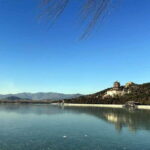
Day 2 closes with the Summer Palace. I like this switch because it adds space and water views after the density of central Beijing. The palace complex is designed like a royal retreat, so you get a different mood than the imperial-city walls.
You can also read our reviews of more tours and experiences in Beijing.
Mutianyu Great Wall plus Hutong rickshaw time
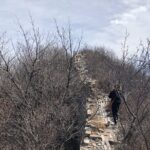
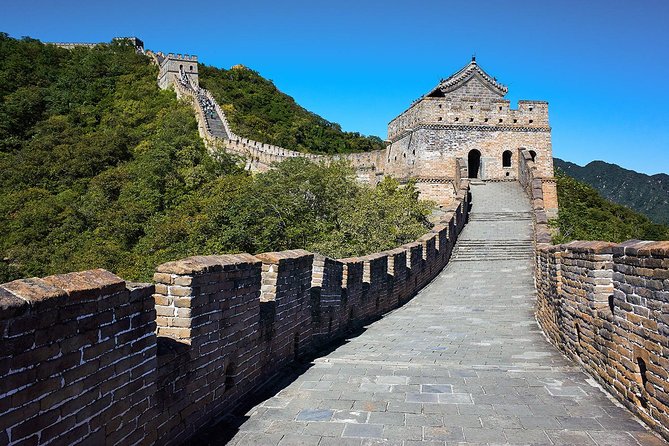
The next day starts with the Mutianyu Great Wall, one of the more scenic sections. You’ll use a round-trip cable car, which is a big deal for value and comfort. You still get the “wall stretching away” feeling, but you’re less likely to burn your energy before you even enjoy the views.
On the way back, you’ll stop for photos outside the Bird’s Nest (Niaochao National Stadium). This is short and photo-focused, so don’t expect a deep museum-style stop—but it’s useful for the iconic Beijing shot.
Then comes a different side of Beijing: a Hutong rickshaw tour. Hutongs are those traditional alley neighborhoods, and the rickshaw lets you glide through without needing to be an expert city navigator. You also get a chance to explore a local family visit, which is one of the parts of this route that feels more human than monumental.
Flying to Lhasa: the altitude day you shouldn’t rush
After the Beijing days, you fly to Lhasa, and your Lhasa guide meets you at the airport. The plan includes a practical orientation about the city and, importantly, advice for easing high altitude reaction while driving into town.
Then the best part happens: rest. You’re given time in your hotel to adapt to the environment. I love this approach because it’s not “tour first, lungs later.” Tibet rewards patience in the first hours, and this schedule builds that pause in.
If you’ve never traveled at altitude before, this day is where you decide how seriously to take comfort. Drink the provided bottled water, keep your pace slow, and don’t plan to “earn” sightseeing by pushing through discomfort.
Lhasa sacred sites: Potala, Jokhang, Barkhor, and Sera debates
You get two full days in Lhasa, and the highlights are well placed.
Day 5 starts with Norbulingka, the Precious Stone Garden. It began as a summer house for generations and now functions as a major local green space. Even if you’re not a garden person, this stop breaks the temple-heavy rhythm and helps you settle into Lhasa’s daily pace.
Next is the Tibet Museum, where you learn Tibetan culture and history through artifacts, religious objects, handwritten ancient texts, Thangka paintings, and crafts. I like museum time on a trip like this because it gives you a map for what you’ll see later at the monasteries and palaces.
The most energetic stop that day is Sera Monastery. The standout detail here is the monks debating Buddhist doctrines between 15:00 and 17:00 daily except Sundays. This isn’t a “quiet viewing” moment. It’s active, vocal, and very focused. If you’re curious about how religious study works in daily life, it’s one of the most memorable experiences on the whole route.
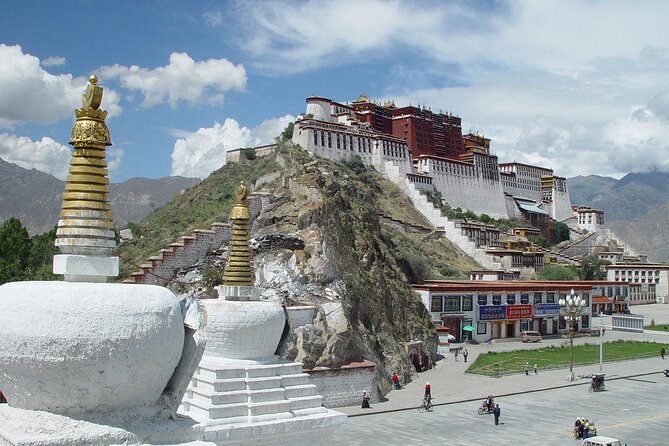
Day 6 is the classic spiritual center of Lhasa. Potala Palace is first—described as built around 1,300 years ago, combining Tibetan temple and palace styles. It’s dramatic in appearance and packed with meaning, and the time allotment gives you a chance to take it in rather than just passing through.
Then you visit the Jokhang Temple, a major pilgrimage destination for Tibetan pilgrims. This is one of those places where the crowd energy can feel intense, because faith and everyday life overlap here.
After that, you walk through Barkhor Street, which keeps the original look of Lhasa. You’ll stroll stone roads, see handicrafts, and experience the area around Buddhist practice. The day ends with a visit near a nunnery to get closer to Buddhist nuns’ lifestyle. This is the kind of stop where respectful behavior matters most—go slow, watch how people move, and keep photos considerate.
Xi’an: Terracotta Warriors up close, plus a clay-figure break
The flight from Lhasa to Xi’an comes with another airport pickup moment: your local guide meets you and transfers you to the downtown hotel, and the rest of the day is free. I like that because Xi’an is a city where you’ll probably want time to find your footing.
Day 8 is the big one: the Museum of Qin Terra-cotta Warriors and Horses. The description emphasizes lifelike soldiers and horses arranged in battle formations with distinct expressions. That’s exactly why this stop works. It isn’t just a wall of statues; it’s an entire battlefield vision. You’ll also see bronze chariots and horses and weapons, plus you’ll have time to explore the variety of figures created around 2,200 years ago.
A smart extra is the visit linked to the first discoverer’s home, which adds story beyond the museum walls. And then you get a hands-on activity: making a mini clay warrior with a local artisan. That’s the kind of small workshop that turns “I saw it” into “I remember how it felt.”
Day 8 rounds out with the Big Wild Goose Pagoda (Dayanta), built in the Tang Dynasty to collect Buddhist sutras from India. If you like tracing how religions travel across centuries, this stop gives you a tangible connection between trade routes and belief.
You also have free time at the Grand Tang Dynasty Ever Bright City, a pedestrian area where people dress in traditional-style clothing. It’s more “show and stroll” than a serious historical site, but it can be a fun decompression after a museum day.
Xi’an’s City Wall and Islam in the streets
On Day 9, you start with the Xi’an City Wall Park, where local people do morning exercises. Then you ascend the wall itself, built around 600 years ago and described as the best-preserved existing city wall in China. Walking up top is one of the best ways to understand a city’s layout—especially after a day inside museums.
The afternoon brings the Great Mosque of Xi’an, one of the largest and oldest Islamic mosques in China. You’ll then have time in the Muslim Quarter and the nearby bazaar area, where you can explore local snacks. This part of Xi’an is where you feel how cultures overlap in everyday life.
Shanghai: museum depth, Yu Garden beauty, and Bund contrast
Next comes the flight to Shanghai, followed by another transfer to your hotel. Shanghai is big, but this route keeps the sightseeing at a manageable, connected scale.
Day 10 starts with the Shanghai Museum, with “rare historical collections” as the focus. Museums here can be a lifesaver if you want culture without just chasing storefronts.
Then you head to Yu Garden (Yuyuan), which is described as elegant and famous. It’s a change of pace—more garden design than city traffic. Over lunch, you’ll enjoy a farewell a la carte meal (valued at CNY150 per person and included), which fits the trip’s theme: major sights plus scheduled food stops.
After lunch comes a Huangpu River cruise. You’ll pass the Oriental Pearl TV Tower while viewing the city from water level. Then you step onto the Bund (Wai Tan), where you walk along the river to see European-style buildings on one side and Pudong’s modern skyline across the water. It’s a visual lesson in how cities remake themselves.
The final stop that day is Tianzifang, an old street area with time to browse for relaxation and casual exploring. With only about 40 minutes listed, it’s best used for quick wandering, not deep shopping.
Value check: what you pay for (and what you still need to budget)
At $4,089 per person, you’re paying for a lot of the expensive, annoying parts: 10 nights in twin-sharing rooms, internal one-way economy flights (Beijing → Lhasa → Xi’an → Shanghai), a Tibet Travel Permit, a professional guide plus experienced driver, and an air-conditioned vehicle. Entrance fees are included, and you’ll also get breakfast for 10 days and lunch for 4 days, plus two bottled waters per person per day. There are also mentions of mobile tickets and group discounts, which usually means smoother entry and fewer last-minute hassles.
What’s not included is also clear: China visa fees, international airfare, and personal expenses. That means your real total cost depends on where you’re flying from and how much you spend outside the planned meals and sites.
If you like traveling with fewer logistics decisions, this price can feel fair. If you love DIY planning and you’re comfortable handling visas and internal transport yourself, you might find cheaper options—but this route bundles so many moving parts that it’s built to reduce stress.
Guide quality and the smooth feeling you want in Beijing
One of the most praised elements from past travelers is guide performance—especially in Beijing. In the Beijing side of the operation, guides such as Candy and John have been specifically mentioned for being organized, efficient, and attentive to how smoothly each stop runs. There’s also mention of Celine doing similarly strong service in Beijing, including customer support like help with a mobile phone.
That matters because Beijing rewards planning. Tiananmen and the Forbidden City areas can be crowded and confusing, and a guide who keeps the day moving without panic is the difference between enjoying the day and feeling rushed.
The same logic carries into Tibet: when altitude and timing matter, you want a team that can explain what to do and when to rest.
Who should book this (and who should rethink it)
This tour fits best if you want:
- UNESCO-level sights without planning the chain of tickets and transfers yourself
- A balanced mix of major monuments and cultural street life (like Hutong rickshaws and Barkhor Street)
- Enough time in Tibet to see the big icons and attend a monastery debate
You might think twice if:
- You want a super-slow pace with lots of free days
- You’re very sensitive to altitude and prefer a gentler Tibet start (even with the provided advice and rest time)
- You expect every sightseeing block to feel flexible—some stops are timed and run on set visiting windows (like Sera’s debate hours)
Should you book this 11-day China tour with Lhasa and Shanghai?
I’d book it if you want the “big map” of China plus real Tibet culture in one organized route. The value comes from how much is included—internal flights, permits, entrance fees, hotels, and most meals—so your vacation time isn’t eaten by planning.
If Tibet is the main draw, this itinerary’s built-in rest day logic and the structured Lhasa stops give you a practical way to experience the region. And if Shanghai and Xi’an are your priorities, the route keeps them efficient: museum first, then iconic city views and local neighborhood time.
If you’re the type who hates schedules, you may feel the pace. But if you’re ready for a guided whirlwind with smart pauses (especially in Lhasa), this is a strong way to do it.
FAQ
Is this tour truly private?
Yes. It’s listed as a private tour/activity, and only your group will participate.
What’s included in the price?
Your package includes 10 nights in twin-sharing accommodations, one-way economy flights within the route, a Tibet Travel Permit, a professional guide and experienced driver, an air-conditioned vehicle, entrance fees, two bottled waters per person per day, and breakfast (10) plus lunch (4). China visa fees, international airfare, and personal expenses are not included.
How do you handle Tibet entry for the tour?
The tour includes a Tibet Travel Permit.
Are internal flights included?
Yes. The package includes three flights: Beijing to Lhasa, Lhasa to Xi’an, and Xi’an to Shanghai.
What kind of pickup and guidance do you get?
In Beijing, your guide meets you at the airport arrival hall with your name sign and helps with hotel transfer and check-in. You’ll also have guides meeting you at airports in the other cities after flights.
What should I do about altitude in Lhasa?
The tour includes tips from the Lhasa guide to help you avoid high altitude reaction while driving into the downtown area, and your schedule includes rest time in your hotel after arrival.