REVIEW · BEIJING
14-Day Small-Group China Tour: Beijing, Xi’an, Guilin, Yangtze Cruise, Shanghai
Book on Viator →Operated by Travel China Guide · Bookable on Viator
If you like big sights without stress, this route has your number. In 14 days you stitch together Beijing, Xi’an, Guilin, the Yangtze River, and Shanghai with a guide, included transport, and almost all the tickets already handled. It’s the kind of trip where you spend less time figuring out logistics and more time actually looking.
I especially like the balance here: huge UNESCO landmarks like the Forbidden City and Great Wall, plus calmer nature scenery like Guilin’s karst hills and the river gorges. I also like that the tour skips the usual time-wasters, with no shopping detours and no factory stops.
One consideration: this is a very sight-heavy schedule. You’ll fly and train between regions, then pack and move again on the Yangtze portion, so it’s not the best fit if you’re hoping for lots of free, slow mornings.
In This Review
- Key points that matter before you book
- Beijing to Shanghai, with the big hits handled
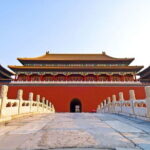
- Tiananmen Square and the Forbidden City: where scale hits you
- Temple of Heaven and an acrobat show: a smoother evening
- Mutianyu Great Wall plus Bird’s Nest and a Hutong rickshaw
- Summer Palace with panda time: Beijing’s most relaxed grandeur
- Xi’an Terracotta Warriors: the archaeology moment people remember
- Big Wild Goose Pagoda and a Tang Dynasty performance (season matters)
- Xi’an City Wall, Tai Chi, the Mosque, and Muslim Quarter food time
- Guilin’s Reed Flute Cave and Elephant Trunk Hill: karst magic, minus the fuss
- Li River cruise to Yangshuo: the “slow win” day
- Chongqing and the Yangtze cruise: three nights that reset your rhythm
- Fengdu Ghost City and Shennv Stream: gorges with atmosphere
- Three Gorges Dam day: pack early and expect a big stop
- Shanghai Museum, Yu Garden, and the Bund finale
- Value check: what $3,139 buys you in real travel time
- Pacing and who this route fits best
- Book it or pass: my practical verdict
- FAQ
- What’s included in the price?
- Are airport transfers included?
- Is the group truly small?
- Do I need to buy entrance tickets separately?
- Are domestic flights and trains covered?
- Is the Li River cruise included, and how long is it?
- When does the Yangtze cruise happen?
- Is the Tang Dynasty show included year-round?
- Does this tour include shopping stops?
- What happens if I need to cancel or change after booking?
Key points that matter before you book
- Small-group size (up to 18) and English-speaking guiding across multiple cities
- No shopping stops (no tea ceremony, factory shops, or shopping-site restaurants)
- UNESCO heavyweights: Forbidden City, Temple of Heaven, Summer Palace, Great Wall, plus major cultural sights in Xi’an and Shanghai
- Two river experiences: Li River to Yangshuo and a 3-night Yangtze cruise
- Well-covered major transport: flights and trains are included, including bullet train Yichang to Shanghai
- Guides get praised by name, including Candy, Sara, Tracy, and Selena in the cities they lead
Beijing to Shanghai, with the big hits handled
This tour is built around efficiency. You’re not left to wander between subway stations while clutching a map and hoping your entrance ticket works. Instead, you get a driver and a professional guide each step of the way, along with entrance fees for the key stops.
The value shows up in the “what you don’t have to manage” category. Flights Beijing to Xi’an and Xi’an to Guilin are included, then you ride high-speed rail to Chongqing and a first-class bullet train to Shanghai. That’s a lot of internal transport for one price, and it matters because China distances can be real.
Also, the tour is designed to limit friction. You start with a welcome meet at Beijing Capital Airport (Shunyi), then you’re moved to your hotel and set up. One day later, you’re already in the center of action.
You can also read our reviews of more tours and experiences in Beijing.
Tiananmen Square and the Forbidden City: where scale hits you
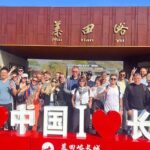
Your Beijing begins with Tiananmen Square, a massive urban space that makes everything around it feel smaller. You don’t just “see” it; you’re positioned to understand why this location matters politically and historically, even if you only skim the details at first glance.
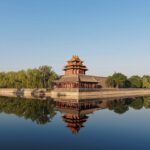
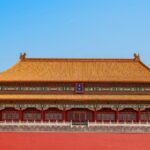
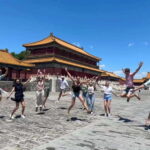
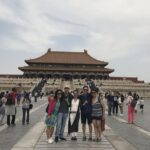
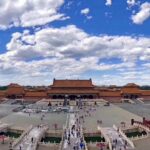
From there, you head straight into the Forbidden City (Palace Museum). Expect a lot of walking, but also the right kind of payoff. This is one of those places where the architecture does half the explaining. The guides help connect what you’re seeing to how power and daily life were organized in the palace world.
A welcome lunch is arranged at a local restaurant, including one of the classic moves: Peking roast duck. It’s a good moment to slow down before you go back into full sightseeing.
If you’re sensitive to crowds, plan to treat this day like an early-start workout. The upside is that you hit these sites while they’re still energetic, before the day fully swells.
Temple of Heaven and an acrobat show: a smoother evening
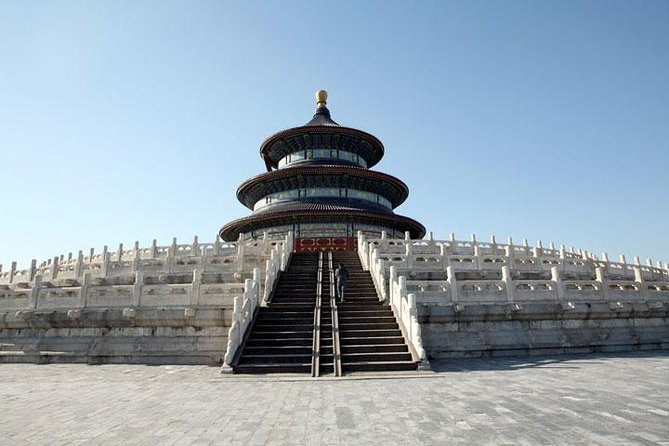
In the afternoon, you visit the Temple of Heaven, where emperors worshipped for good harvests. The architecture here is very different from the Forbidden City. It’s calmer and more open, and it’s easier to appreciate the idea of sacred design once you’ve already seen the palace’s tight power.
At night, you get an included Red Theater acrobatic show. This is a smart choice for a travel schedule like this. It gives you a break from museums and stone while keeping the evening structured. The show time is listed as one hour, so you can usually recover afterward without losing sleep.
Mutianyu Great Wall plus Bird’s Nest and a Hutong rickshaw
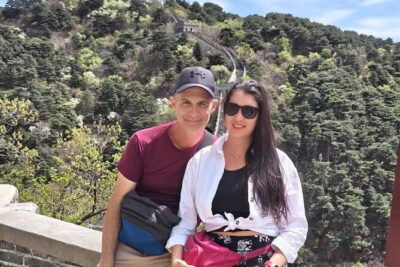
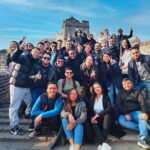
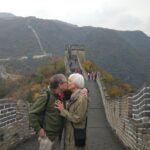
Great Wall day is where your legs earn their keep. You’ll go to Mutianyu Great Wall, and you’ll take a round-trip cable car. That’s a big deal for two reasons: it reduces fatigue and it helps you spend more energy on the actual wall views.
You’ll walk sections from wall to wall with the wall stretching out in both directions. It’s the classic Great Wall wow moment, but Mutianyu is often easier to handle than the most congested alternatives because the experience feels more “tour-managed” and less chaotic.
Then, on the way back, there’s a photo stop at the Olympic National Stadium, the Bird’s Nest. You don’t spend hours here, but it works as a visual bookmark for modern China.
After that, you move into a different Beijing: Hutong alleys. You’ll ride a rickshaw tour and even have a chance to visit a local family. That’s where you feel the neighborhood scale again, and it gives you something the “big sights” never show: everyday life tucked between lanes.
Summer Palace with panda time: Beijing’s most relaxed grandeur
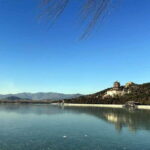
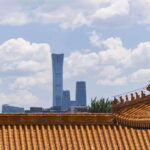
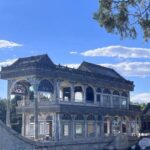
On the next day, you’ll see the Summer Palace, described as the largest existing imperial garden. The key here is that it doesn’t feel like a fortress. It feels like a planned landscape with waterways and grand structures, built for leisure as much as ceremony.
Right before that, you’ll have a morning panda experience. Then it’s straight into the garden world. You’ll probably notice that this day feels more walkable and scenic than the Forbidden City day, which is exactly what you want before the trip moves on.
If you’re the type who likes to slow down with photos, this is one of the best places on the route to do it. You still cover ground, but you’re covering it in a setting that invites you to look sideways, not just ahead.
Xi’an Terracotta Warriors: the archaeology moment people remember
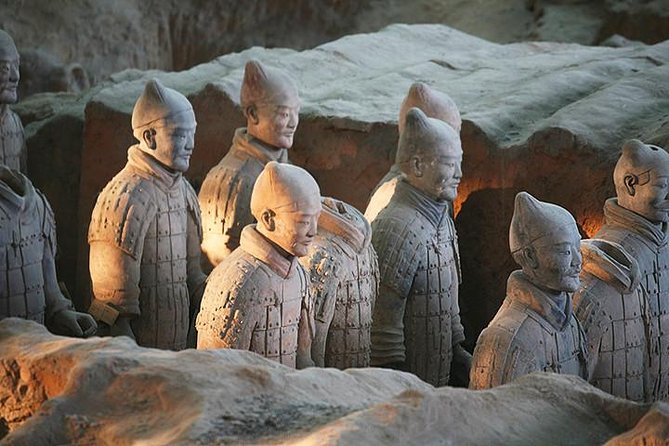
Xi’an starts with the headline: the Museum of Qin Terra-cotta Warriors and Horses. This is one of the most important archaeological finds of the last century, and it shows in the sheer number and detail of the figures.
What I like is that you don’t just stare at pits and statues. The visit includes three excavated pits and also a stop for the home of the first discoverer. Then you even get a hands-on moment: making a mini clay warrior with an artisan.
That workshop-style stop changes how you remember the day. You’ll walk out not only with photos, but with a small physical memory of what the process feels like.
This is also a day where your guide’s pacing matters. You want enough time to understand the layout and the significance without getting rushed into a photo line.
Big Wild Goose Pagoda and a Tang Dynasty performance (season matters)
In the afternoon, you visit the Big Wild Goose Pagoda (Dayanta), built in the Tang Dynasty to store Buddhist scriptures brought from India. Even if you’re not a religion historian, this is a good moment to see how ideas traveled and how architecture served as a storage and symbol.
Then you can add an included evening experience: a Tang Dynasty Music and Dance Show paired with a dumpling dinner. Here’s the practical catch: the show is available Apr to Nov, and the tour price notes that show/dumpling are not included for January, February, March, and December departures.
So if you’re booking outside Apr-Nov, ask what’s included for the entertainment component on your dates. The itinerary still works, but the evening program changes.
Xi’an City Wall, Tai Chi, the Mosque, and Muslim Quarter food time
Another Xi’an highlight is the City Wall. You’ll begin at the City Wall Park and can even practice Tai Chi with the master. After that, you visit the wall itself, which is the most complete existing urban fortification in China.
Cycling is popular here, but bike rental isn’t included. If you want to do it, bring the mindset that this is optional extra activity, not required sightseeing. Even without biking, the wall route gives you a different view of Xi’an than you’ll see from inside the city’s old areas.
You’ll then visit the Xi’an Mosque, one of the oldest and best-preserved Islamic mosques in China, followed by the Muslim Quarter for a lively lunch.
This part of the trip is valuable because it’s not just about monuments. It’s about a living cultural zone where food and everyday commerce blend together. You’ll get a stronger sense of the city’s mix, not only its past.
Guilin’s Reed Flute Cave and Elephant Trunk Hill: karst magic, minus the fuss
After Xi’an, you fly to Guilin and shift from empire walls and terracotta to karst scenery. Your first big stop is Reed Flute Cave, a karst cave about 240 meters long. The stalactites and stalagmites create shapes that your guide will help you interpret as you walk through.
Then comes Elephant Trunk Hill, famous for its elephant-like outline by the river. This isn’t a “hard to reach” detour. It’s part of the classic Guilin lineup, and it’s a good way to orient yourself in the region’s signature look.
If you’re trying to decide what to pack light for this segment, I’d pack comfortable shoes and a layer. Caverns and early outdoor visits can swing temperature-wise depending on the season.
Li River cruise to Yangshuo: the “slow win” day
Here’s where the pacing changes in a good way. You take a cruise from Guilin to Yangshuo. The scenic section between the two cities is often described as the heart of the landscape around Guilin, and the cruise is the easiest way to experience it without constantly moving.
You’ll cruise for about 4.5 hours, dock in Yangshuo, then spend time walking West Street. West Street is touristy in the normal sense, but it’s also useful. It gives you a lively place to get your bearings and then shift into slower countryside drives.
The tour also includes a drive along surrounding roads and an invitation to visit a villager’s home. That’s the kind of stop that can help the scenery feel human, not just like a photo background.
Chongqing and the Yangtze cruise: three nights that reset your rhythm
Next up is a high-speed train ride to Chongqing, then boarding the Century Oasis cruise ship for three nights. You’ll board after an included arrival-to-ship sequence, then after you settle into your private cabin, you get an exclusive buffet dinner and a welcome wine party hosted by the Captain.
The ship is set to sail at 22:00, which means your first night is part cruising, part settling in. Even if you’re eager to see more, the cabin time is a real gift. You’re transferring between regions often. Here, the ship gives you space to breathe.
The Yangtze portion is valuable because it turns long-distance geography into something you can relax with. Instead of constantly changing cities, you’re moving through a huge river corridor while watching the scenery change by the hour.
Fengdu Ghost City and Shennv Stream: gorges with atmosphere
On one day you’ll disembark for Fengdu Ghost City, a palace-complex style excursion showing Chinese folk concepts of the underworld. This is a very different tone from the imperial and modern sites earlier in the trip, which helps keep the overall mix interesting.
You also get time in the afternoon to enjoy the river scenery on deck, and you can choose to attend cultural programs onboard.
Then you’ll hit the “most essential part” day for the gorges route: Shennv Stream, with an onshore excursion while the ship sails through the Qutang, Wu, and Xiling gorges. The exact experience depends on conditions, but the structure of the day is clear: sailing first, then an onshore highlight that gives you a break from just watching.
If you’re prone to motion sensitivity, I’d still plan to spend some time inside between excursions. The cruise format is comfortable, but river days can include movement.
Three Gorges Dam day: pack early and expect a big stop
This is the day where logistics become part of the experience. You’ll pack your luggage and complete check-out procedures before going to the Three Gorges Dam Project excursion.
Then after the dam visit, you’re driven to the Three Gorges Tourist Center in Yichang and sent on to the Yichang East Railway Station for a bullet train to Shanghai.
This sequence works best if you keep your packing simple. Your effort before the dam day will pay off, because you won’t be the one juggling suitcases while everyone else is learning where the next bus stop is.
Shanghai Museum, Yu Garden, and the Bund finale
Shanghai ends the journey with culture and big-city energy. You start with Shanghai Museum, one of the four largest museums in China. It focuses on art works from ancient times, which is a good fit after all the historical sites earlier in the trip.
Next is Yu Garden (Yuyuan) and its nearby bazaar. You’ll see the famous Nine Zigzag Bridge, plus traditional pavilions and garden-style design. The tour also arranges an a la carte lunch at a local famous restaurant, so you’re not stuck searching while your energy is fading.
In the afternoon, you head to the Bund area and take a one-hour cruise along the Huangpu River. That river cruise is a strong last-day choice because it gives you a wider city view without the stress of another major walking circuit.
Then the guide helps you into the hotel lobby for a final goodbye. On the last day, you’ll handle your own way to the airport since hotel-airport transfer is not included.
Value check: what $3,139 buys you in real travel time
At $3,139 per person for about 14 days, the price isn’t cheap, but it’s also not just for sightseeing tickets. You’re paying for a bundle of what typically costs extra when you book a trip yourself:
- domestic airfare (Beijing to Xi’an and Xi’an to Guilin)
- high-speed train segments (Guilin to Chongqing and Yichang to Shanghai, plus a Guilin-to-Chongqing leg)
- a 3-night Yangtze cruise with a cabin
- professional English-speaking guiding across multiple cities
- entrance fees for a lot of major sites
- most meals (breakfast daily, plus lunch and dinner counts are included)
- hotel and cruise accommodation on twin-sharing rooms
Where the value really lands is in your reduced planning load. You can show up, follow the schedule, and spend your mental energy on the sights. It also helps that the tour explicitly avoids shopping detours and factory stops, which often quietly wreck value on similar itineraries.
Pacing and who this route fits best
This trip works best for you if you want “best-of China highlights” without building the puzzle yourself. If it’s your first time in China, you’ll get a strong orientation fast. If you’ve traveled before, you’ll appreciate the way transportation is handled between major regions.
It’s less ideal if you want lots of quiet time. Between Great Wall, Forbidden City, Summer Palace, Terracotta Warriors, Li River to Yangshuo, and the Yangtze gorges, your days are full. You do get the gift of cruise time, but you’re still “on” most of the day.
Also, if you want complete control over every meal or you hate structured days, this won’t match that style. Here, meals are included and the schedule is set, so you’ll go where the day takes you.
Book it or pass: my practical verdict
I’d book this tour if your top priority is hitting the major China landmarks in a way that feels organized, with no shopping trap detours and with transport already figured out. The mix of imperial sites, Islamic heritage in Xi’an, Guilin nature, and river cruising gives you variety without feeling random.
I’d pause before booking if you’re trying to minimize movement and packing. The route includes flights, trains, and a full Yangtze day that starts with check-out. If you know you get worn out easily, you may find the schedule demanding.
If you go, I’d plan for early days, comfortable shoes, and one small strategy: keep a simple day bag for water and snacks so you’re not stuck waiting for the next stop. Small preparation pays off on a tight 14-day run.
FAQ
What’s included in the price?
The tour includes twin-sharing hotel and cruise accommodation, airport-to-hotel and ground transport with air-conditioned vehicles, professional English-speaking guides, entrance fees, most meals (breakfast daily plus specified lunches and dinners), two bottled waters per person per day, and the cruise company service charge. It also includes key transport like flights within China and bullet/high-speed train segments.
Are airport transfers included?
You’re met at Beijing Capital Airport on Day 1. Transfers are included during the tour for city-to-city movement. On Day 14, hotel-airport transfer in Shanghai is not included, so you’ll need to get to the airport on your own (the provider says it can assist if needed).
Is the group truly small?
Yes. This is described as a small group tour with a maximum of 18 travelers.
Do I need to buy entrance tickets separately?
No. Entrance fees are included for the listed attractions, including the major sites like the Forbidden City, Temple of Heaven, Summer Palace, Great Wall, Terracotta Warriors, and Shanghai Museum and Yu Garden.
Are domestic flights and trains covered?
Yes. The tour includes one-way economy airfare Beijing to Xi’an and Xi’an to Guilin, a high-speed train fare from Guilin to Chongqing, and a first-class bullet train ticket from Yichang to Shanghai.
Is the Li River cruise included, and how long is it?
Yes. The cruise from Guilin to Yangshuo is included and is scheduled for about 4.5 hours.
When does the Yangtze cruise happen?
You’ll sail for three nights as part of the Chongqing to Shanghai movement, with excursions including Fengdu Ghost City, Shennv Stream, and the Three Gorges Dam project.
Is the Tang Dynasty show included year-round?
The Tang Dynasty Music and Dance Show is available from Apr to Nov. For departures starting in January, February, March, or December, the tour notes that the show and dumpling dinner are not included.
Does this tour include shopping stops?
No. The tour specifically states there are no shopping detours, no factory stores, no tea ceremony, and no shopping site restaurant.
What happens if I need to cancel or change after booking?
The experience is described as non-refundable and cannot be changed for any reason.