REVIEW · BEIJING
15-Day Classic China Tour with Yangtze Cruise
Book on Viator →Operated by Travel China Guide · Bookable on Viator
A 15-day China run can feel like a blur. This one keeps moving, but it’s built around major UNESCO stops and two cruise-style highlights that break up the travel days. I like that the route mixes iconic monuments with real local life, from Beijing hutongs to Suzhou gardens.
Two things I really like: you get a guided, organized flow that includes the big-ticket entries, and you get real time for the Li River and Yangtze gorges instead of squeezing views in for a photo and a sprint. One consideration: the pace is busy because you’re stacking cities plus flights and high-speed trains, so you’ll want a good plan for rest and for long days on your feet.
In This Review
- Key points worth knowing before you go
- Why this 15-day China route feels manageable
- Beijing: Tiananmen, Forbidden City, and the slower beats of a hutong day
- Mutianyu plus Summer Palace: the Beijing-to-Xi’an shift that keeps your energy
- Xi’an: Terracotta Warriors with hands-on time and a Tang-era vibe
- Flying to Guilin, then choosing your pace in Yangshuo
- Chongqing departure and the Yangtze cruise: when the days slow down
- Three Gorges and the Shennong Stream ferry: the active day on the water
- Suzhou’s gardens and Tongli Water Town: calmer days before Shanghai
- Shanghai Museum, Yu Garden, the Huangpu River, and the Bund
- What $3,969 covers, and why the value depends on how you travel
- How to choose this tour: who it fits best
- Should you book this Classic China Tour with a Yangtze cruise?
- FAQ
- Where does the tour start in Beijing?
- How does the tour handle airport and station transfers?
- Which cities are included besides Beijing?
- Is the Li River cruise included?
- What’s included with the Yangtze River cruise?
- Are entrance fees and guided visits included?
- What meals are included during the trip?
- How do you travel from Xi’an to Guilin?
- Is the tour refundable if I cancel?
- Are tips included?
Key points worth knowing before you go
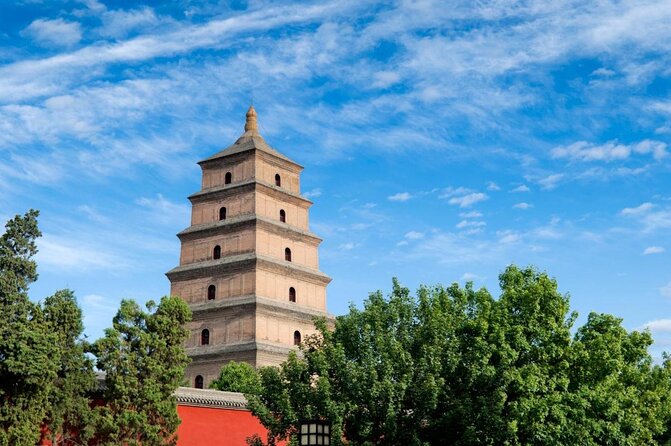
- UNESCO-heavy highlights: Forbidden City, Summer Palace, Temple of Heaven, Terracotta Warriors, Great Wall, plus other historic sites along the way
- Two water-based scenic stretches: a Li River cruise into Yangshuo, then a full Yangtze River cruise from Chongqing with gorge excursions
- Guided transportation that reduces friction: hotel-to-airport, station transfers, and timed entry days with an English-speaking guide
- More than monuments: hutong rickshaw time in Beijing, Muslim Quarter area in Xi’an, cycling or walking in Yangshuo, Suzhou gardens, and Tongli Water Town
- Good structure, but Wi‑Fi quality can vary: one prior booking flagged weak hotel Wi‑Fi, so keep offline maps handy
Why this 15-day China route feels manageable
This tour is basically three chapters: Beijing + Xi’an, then Guilin/Yangshuo, then the Yangtze with a gorge-focused cruise, ending in Suzhou and Shanghai. The value here isn’t just the sights. It’s the way the logistics are pre-arranged: airport pick-up, train station handoffs, and guided visits so you’re not constantly negotiating tickets, directions, or waiting around.
I also like that the travel plan uses different transport types on purpose. You take a one-way flight from Xi’an to Guilin to save time, then high-speed trains later to keep the pace from turning into a full-time travel job. And the cruises matter because they give you long, low-effort viewing time—especially on the Yangtze.
You can also read our reviews of more tours and experiences in Beijing.
Beijing: Tiananmen, Forbidden City, and the slower beats of a hutong day
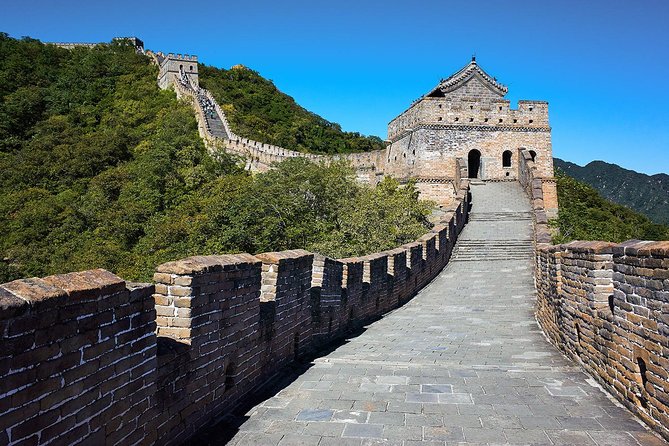
You start with an airport meet in Beijing, after customs and luggage. Your driver brings you to the hotel and helps with check-in, then you get the rest of day one to reset or wander nearby.
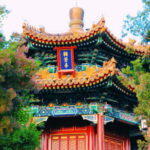
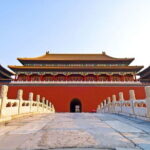
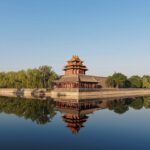
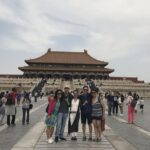
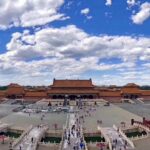
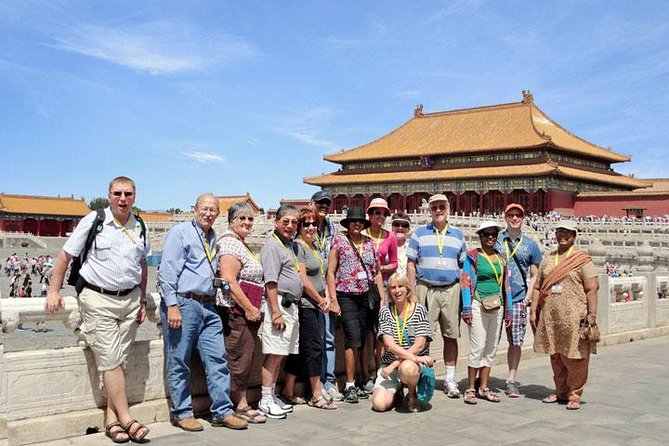
Day two begins at Tiananmen Square, which is one of those places that’s hard to scale mentally until you’re standing there. From there you move into the Forbidden City (Palace Museum), where you’ll spend a focused block exploring halls and pavilions tied to how emperors lived and governed. In the same day you also visit Lama Temple (Yonghegong)—a solemn imperial lamasery with Han, Mongolian, and Tibetan influences—and then Temple of Heaven, where emperors worshipped in hopes of good harvests.
What makes this more than a “check the boxes” day is the balance of styles: imperial power at the Forbidden City, religious practice at Lama Temple, and ritual architecture at Temple of Heaven. You’ll also get lunch that’s included (a welcome lunch valued at CNY 150 per person), which is a nice break from searching for food right after big sightseeing.
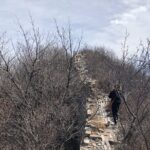
Day three adds the Mutianyu Great Wall. The round-trip cable car is arranged, which makes this feel doable even if your legs are tired from the first two days. And after that you get a quick stop for photos at the Bird’s Nest—not a deep visit, but useful if you want the landmark in your trip memory. The day closes with a hutong rickshaw tour, with a chance to see traditional alleys and (when available) visit a local family. That last part is where Beijing starts to feel lived-in instead of museum-like.
Practical note: this early Beijing chunk is a lot of walking. Wear shoes you trust, and pace yourself in the Forbidden City and on the Wall. Cable car helps, but the Great Wall still asks for stamina.
Mutianyu plus Summer Palace: the Beijing-to-Xi’an shift that keeps your energy
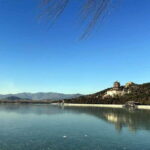
Day four starts with Summer Palace (Yiheyuan). It’s the largest existing imperial garden and a reminder that China’s palace culture wasn’t only about power—it was also about parks, water, and scenery designed for emperors. You get a two-hour block here, enough time to see the major features without turning it into an all-day marathon.
Then the tour pivots fast: you transfer to the railway station and take a high-speed train to Xi’an. Expect this to feel like travel, not sightseeing. The payoff is that you’re saving daylight for the next city, where the main draw starts immediately.
Xi’an: Terracotta Warriors with hands-on time and a Tang-era vibe
Xi’an day five is built around the Museum of Qin Terracotta Warriors and Horses. You’ll see multiple excavated pits and the weapons associated with these ancient figures. After that, you also get a family-style stop related to the first discoverer of the Terracotta Army, plus a hands-on mini workshop to make a clay warrior with help from a local artisan. That craft moment breaks up the intensity of the excavation halls and gives you something tactile to remember.
The next stop is Big Wild Goose Pagoda, a major Buddhist building dating back to the Tang Dynasty. Then you get time near Grand Tang Dynasty Ever-Bright City, a pedestrian area where people dress in traditional-style outfits and you can browse the vibe at your own pace. Lunch is on your own here, so you can choose what fits your tastes.
Day six leans into everyday Xi’an plus its cultural layers. You start with the City Wall area, where you can observe daily life and even practice Tai Chi with a master if it’s available. Cycling on the ancient wall is popular, and bike rental isn’t included, so if this is a must-do for you, budget for it. Then you visit the Great Mosque in the Muslim Quarter area. It’s a strong example of Chinese traditional and Islamic architectural styles in the same space, and nearby alleys can be a good place to snack.
The day also includes a museum stop before flying onward later: Hanyangling (Tomb of Emperor Jingdi). It’s brief, but it helps you round out Xi’an beyond just the Warriors.
Flying to Guilin, then choosing your pace in Yangshuo
You take a one-way economy flight from Xi’an to Guilin, and a local guide meets you at the airport and brings you to the hotel. Then the tour shifts from history-heavy days to nature-centered time.
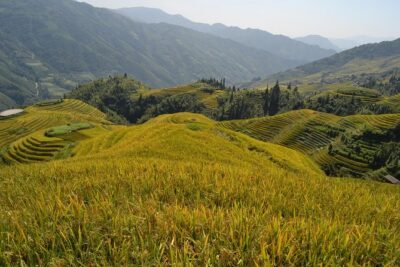
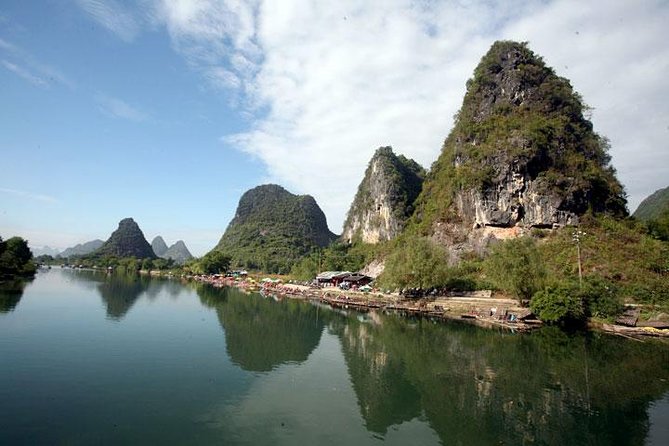
The core Guilin-to-Yangshuo highlight is the Li River. You’ll cruise from Guilin to Yangshuo, arriving in about 4.5 hours. This is the stretch often called the Hundred Miles Gallery, and the main value of having a half-day cruise is that you watch the scenery change slowly, not in ten-second bursts. It’s also a different kind of comfort day because you’re onboard for the long viewing period.
Before or around the start of that river chapter, you tour Reed Flute Cave in Guilin. This kind of stop is a nice counterweight to exterior monuments—cool indoor spaces with a lot of visual drama and a different rhythm than walking streets and gates.
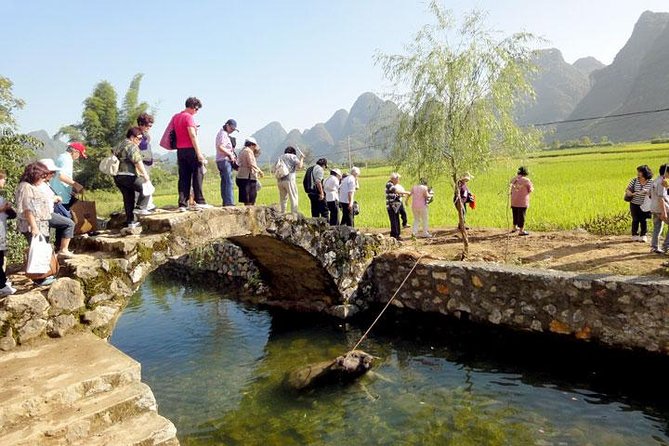
Once you reach Yangshuo, you check in and get time to settle. Then you get options: bike around the countryside (a driver can also drive you to photo stops if you want it easier). Day eight is free for walking or cycling, which is exactly what you want after the busy start of the trip. If you’ve been hitting big sites for days, this free time is where you get to breathe.
Chongqing departure and the Yangtze cruise: when the days slow down
On day nine you move back toward the Yangtze story. You transfer from Guilin and take a bullet train around 5 hours to Chongqing, then board the cruise. The cruise departs from Chongqing at about 21:30, which means you’ll spend the evening onboard and likely get your first real gorge-style nighttime harbor feeling (depending on how the schedule lands).
The cruise includes full board, which is a big deal when you’re traveling from one city to another. Day ten starts with a Safety, Orientation & River Briefing, plus learning about river geography and lore. That sounds formal, but it helps you read what you’re seeing later—especially on days with big canyon walls and fast changes.
Then there’s an excursion to Shuangguizhen / Shuangguishan National Forest Park after lunch. Around 18:00 you’ll have a Captain’s Welcome Party with Chinese folk dancing and music. You can watch or join in, which is the kind of low-pressure cultural moment that doesn’t require you to plan your night in advance.
Three Gorges and the Shennong Stream ferry: the active day on the water
Day eleven is the highlight day for many people because you pass the Qutang Gorge and Wu Gorge in the morning and later go through Xiling Gorge. Then you get a more adventurous outing: you’ll take an eco-friendly ferry into the remote section of the Three Little Gorges area, Shennong Stream or Shennv Stream. After three to four hours, you return to the cruise ship.
This is important for value. Without an excursion like this, gorge cruises can feel like watching from a comfortable deck. With the ferry segment, you actually go deeper and experience how narrow and enclosed some parts of the river corridor can feel.
Day twelve includes the Three Gorges Dam Project excursion. Then, after finishing, you’re driven to the Three Gorges Tourist Center in Yichang and escorted onward for a bullet train to Suzhou. It’s another long transfer day, but the trade-off is that you finish your Yangtze experience and keep moving to a very different style of China afterward.
Suzhou’s gardens and Tongli Water Town: calmer days before Shanghai
In Suzhou you get garden culture in a way that’s easy to appreciate even if you’re not a garden expert. First is the Humble Administrator’s Garden, one of the four most famous gardens in China. Then you visit the Suzhou Museum, which is described as a treasure house for exploration.
After that, you drive about an hour to Tongli Water Town, an ancient town with over a thousand years of history and buildings from the Ming and Qing dynasties. Then you head back to your Shanghai hotel.
This Suzhou-to-Shanghai shift is useful because it changes the visual mood. Beijing and Xi’an are all about power and monuments. Guilin and the Yangtze are about river movement and scale. Suzhou and Tongli are about human-scale design—walkways, water, and quiet corners.
Shanghai Museum, Yu Garden, the Huangpu River, and the Bund
Day fourteen gives you a classic Shanghai mix. You start with the Shanghai Museum, one of the four largest museums in China with a focus on artworks from ancient times. Next is Yu Garden (Yuyuan) with its nearby traditional bazaar area, including the well-known Nine Zigzag Bridge and a mid-lake pavilion setting.
You also get a farewell lunch included here (valued at CNY 150 per person), which is a nice final “we’ve got you fed” moment near the end of the itinerary. Then you take a one-hour cruise on the Huangpu River, and after that you get time on the Bund. The day ends at Tianzifang, a cultural street with artsy stores, bars, and restaurants.
I like that Shanghai here isn’t only about skyline photos. You see museum culture, garden-bazaar culture, and riverfront history, all in a single day plan.
Day fifteen wraps by meeting you at your Shanghai hotel and transferring you to the airport for departure.
What $3,969 covers, and why the value depends on how you travel
At $3,969 per person for about 15 days, the headline price can look steep until you break down what’s already included. This package covers hotel or cruise cabin accommodation (twin-sharing), an internal one-way flight (Xi’an to Guilin), high-speed trains for key legs, Yangtze River cruise with full board, a professional English-speaking guide, air-conditioned coach transport, and entrance fees across the main sights. It also includes breakfasts (14) plus two dinners and six lunches, and even two bottles of water per person per day.
Value math changes if you were planning to do it all yourself. Without pre-booked guides and transfers, you’d likely spend lots of time coordinating trains, buying timed tickets, and translating your way through separate booking systems. Here, you trade some flexibility for fewer headaches—and most people prefer that trade on a first major China trip.
What’s not included matters too. You’ll want to budget for gratuities to guides and drivers (recommended), China visa fees, and your international airfare. Also, while Wi‑Fi quality at hotels can vary, don’t count on it to work reliably everywhere. I’d plan around that by using offline maps and downloaded guides.
How to choose this tour: who it fits best
This tour fits best if you want a guided, structured first-time China trip that hits the big names—Forbidden City, Great Wall, Terracotta Warriors, Li River, and the Three Gorges—without you having to design the puzzle yourself.
It’s also a good match if you like a balance of high-impact days and slower scenic time. The cruise segments are a real reset. And the free Yangshuo day is where your trip can feel less programmed.
If you hate long days of walking or prefer lots of spontaneous planning, you might find the schedule intense because you’re traveling between cities every few days. Still, the built-in transfers and guided entries do reduce the stress of an otherwise fast-moving itinerary.
Should you book this Classic China Tour with a Yangtze cruise?
If you want your first China trip to feel organized, with expert guidance and fewer logistics headaches, I’d say yes, it’s a strong choice. The biggest reason is the combination: you get UNESCO icons plus two major nature chapters, the Li River and a Yangtze gorge-focused cruise, both with excursions built in.
Just go in with the right expectations. This isn’t a slow travel loop. It’s a well-run route that covers a lot, so pack comfortable shoes, plan for active sightseeing days, and treat the cruise as your built-in rest day.
FAQ
Where does the tour start in Beijing?
The tour starts at Capital Airport Shunyi, Beijing, and the start time is listed as 9:00 am.
How does the tour handle airport and station transfers?
You’re met at key points like Beijing Airport, and there are scheduled transfers by driver to hotels and onward to train stations and other activities. The plan includes pickup and drop-offs throughout the itinerary.
Which cities are included besides Beijing?
Besides Beijing, the tour visits Xi’an, Guilin and Yangshuo, Chongqing (for the cruise departure), Suzhou, and Shanghai.
Is the Li River cruise included?
Yes. The tour includes a cruise from Guilin to Yangshuo, described as a half-day cruise that takes about 4.5 hours to arrive.
What’s included with the Yangtze River cruise?
The Yangtze cruise is included with full board. You also have river briefing and several excursions, including Shuangguizhen and the Shennong Stream ferry segment, plus the Three Gorges Dam visit.
Are entrance fees and guided visits included?
Yes. The itinerary shows admissions/entrance tickets as included for the main sights, and it includes a professional English-speaking guide.
What meals are included during the trip?
The package includes 14 breakfasts, 2 dinners, and 6 lunches. It also notes welcome and farewell lunches on specific days.
How do you travel from Xi’an to Guilin?
You take a one-way economy class airfare from Xi’an to Guilin.
Is the tour refundable if I cancel?
No. The experience is listed as non-refundable and cannot be changed for any reason.
Are tips included?
No. Gratuities to guides and drivers are listed as not included, with tipping recommended.