REVIEW · SHANGHAI
Off-beaten Route: Shanghai Old Town Discovery&Street Food Tasting
Book on Viator →Operated by Shanghai Advisor Tour · Bookable on Viator
Old Shanghai has a way of pulling you in.
This Shanghai Old Town Discovery & Street Food Tasting tour strings together history and snacks in a tight 3-hour route, with stops around the Old City Wall area, a 700-year-old Confucius temple, a birds market, and even the last remaining shantytown. You’ll get the look, the stories, and the tastes, without wasting time.
I love that the food isn’t just random street bites. You’ll sample classic local favorites like egg pancakes, sticky rice rolls, wonton soup, and fried dumplings, plus Shanghai noodles and other snacks along the way. And if you’re lucky enough to get Lynn (a guide name that comes up), the vibe is friendly and practical, like exploring on foot with someone who actually cares whether you’re having a good meal.
One thing to consider: this is a walking tour in Old Town streets, and it asks for moderate physical fitness. Also, the experience is weather-dependent, so plan to be flexible if conditions turn poor.
In This Review
- Key things you’ll like
- Why This 3-Hour Old Town Route Works
- Meeting at Huangpu and Ending at a Dim-Sum Finish
- Stop 1: Dajing Ge Pavilion and the Old City Wall Area
- Yu Garden District: A 400-Year Garden Break From the Streets
- Landmarks Along the Way: Birds Market, Confucius Temple, and Shantytown Views
- The Street-Food Tasting: What You’ll Actually Eat
- Tea Ceremony Finish: Slow Down at the Tea House
- Group Size, Pace, and What to Bring
- Price and Value: Is $98 Worth It?
- Who Should Book This Tour (and Who Might Skip It)
- Should You Book Off-beaten Route: Shanghai Old Town Discovery & Street Food Tasting?
- FAQ
- How long is the Shanghai Old Town Discovery & Street Food Tasting tour?
- How much does the tour cost?
- What is the group size?
- What stops are included on the tour?
- What food is included in the street-food tasting?
- Is the tea ceremony included?
- Where do we meet and where does the tour end?
- Can I request dietary requirements?
- What happens if the weather is bad or the minimum number of travelers isn’t met?
Key things you’ll like
- Small group size (max 12) keeps the pace human and the tasting stops more relaxed
- Tea ceremony included adds a calm finish after all the walking and street snacks
- Temple + Old City Wall area gives you real texture for Shanghai Old Town
- Street-food tasting focus means you’re not left guessing what to order
- Hands-on guide support for routes, timing, and making the most of short time
Why This 3-Hour Old Town Route Works
Shanghai Old Town is the kind of place where you can spend all day wandering and still feel like you missed the point. This tour solves that problem by keeping the format simple: walk a smart loop, hit the main historic anchors, then slow down with food and tea.
The biggest value for me is the balance. You get landmarks like the Old City Wall site and the 700-year-old Confucius temple, but you also get street-level Shanghai through snacks you can’t easily order confidently on your own. It’s not just sightseeing; it’s sightseeing with consequences—because you’ll taste the city as you go.
And the timing matters. At about 3 hours, you can fit this into a busy Shanghai day, even if you’re also seeing the Bund or newer parts of the city later. You’re not signing up for an all-day commitment.
You can also read our reviews of more tours and experiences in Shanghai.


Meeting at Huangpu and Ending at a Dim-Sum Finish
The tour starts in Huangpu (200021), and the end point is near Renmin Road by Waitan (the Huang Pu Qu area). It also helps that the tour wraps at a dim-sum shop in the Old Town area, so you’re not left stranded without a place to eat after the tasting.
No hotel pickup is included. That’s pretty common for walking tours, but it does mean you’ll want to be ready to get yourself to Huangpu. If you’re staying somewhere far out, add a little buffer time so you don’t feel stressed about being early.
The format also includes a mobile ticket, which is handy when you’re on the move and trying not to juggle papers. And because the tour is run with a small maximum group, the timing is usually smoother than big coach-style tours.
Stop 1: Dajing Ge Pavilion and the Old City Wall Area
You begin at Dajing Ge Pavilion, and the opening focus is the ancient city wall area. This is a smart start because it gives you context before you go deeper into neighborhoods and food streets.
The city wall area sets the tone for what you’ll see next. Instead of jumping straight to garden photos, you get the historic scaffolding of Old Town Shanghai—how the city organized itself and how people moved through it over time.
The tour includes admission ticket time here (around 1 hour). That matters because it’s not just passing by a viewpoint. You get a real stop rather than a quick photo moment.
A practical consideration: early walking in crowded Old Town streets can be a lot. If you want photos without constantly dodging people, come with a calm mindset. The advantage of a guide is that you can keep moving efficiently instead of getting stuck at every cross-street.
Yu Garden District: A 400-Year Garden Break From the Streets
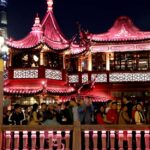
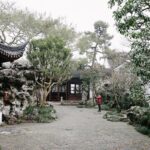
Next you head toward the Yu Garden (Yuyuan) district, where you spend about 1 hour exploring the 400-year-old garden area. This is one of those Shanghai contrasts that makes the whole day feel sharper: you walk through lively streets, then step into a calmer space with classic garden architecture.
Yu Garden is free from an admission-ticket standpoint for this tour, so you’re not paying extra here. But the value is in your time: you’re given a guided experience long enough to actually look around, not just trot past.
What to expect in the garden area:
- Traditional-feeling architecture and rockery-style scenery
- Pond views and slower pacing compared to the street food stops
Potential drawback: gardens can be crowded depending on the time of day. A small group can help you keep your bearings, but you might still feel the general busy energy of a famous spot.
Landmarks Along the Way: Birds Market, Confucius Temple, and Shantytown Views
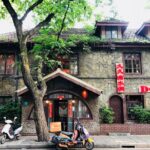
Even if you don’t spend an entire chapter at each landmark, the route is designed to show you a slice of old Shanghai from different angles.
You’ll see highlights mentioned as part of the experience:
- A birds market
- A 700-year-old Confucius temple
- The last remaining shantytown
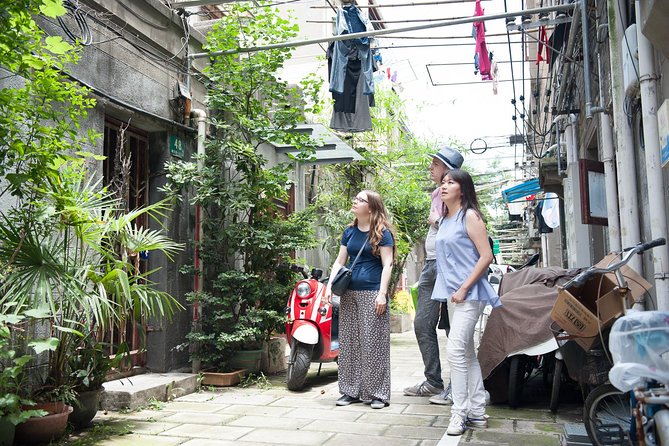
That mix is the key. The market side tells you how everyday life looks. The temple tells you the long cultural timeline. The shantytown reference adds a human realism—Old Town isn’t just decorative; it’s lived in, changed, and preserved in fragments.
Also, temple entrance is included (entrance tickets of temple are part of the tour). That’s a good deal for a short itinerary because temple tickets can add up fast on a self-guided day.
If you’re the type who likes seeing how places function—not just how they photograph—this part of the route is where the tour earns its keep.



The Street-Food Tasting: What You’ll Actually Eat
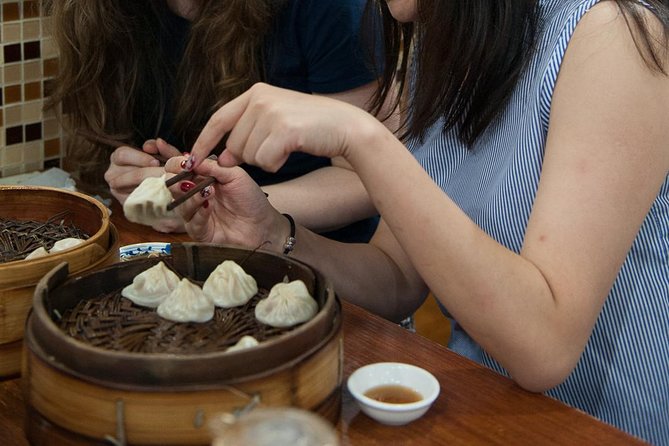
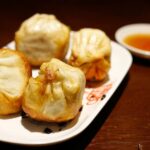
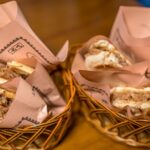
This is a street-food tasting tour, so the food program is the heart of the experience. You’ll sample multiple local items during the walk, and the tour includes snacks (drinks are not included).
From the food list provided, you can expect items such as:
- Egg pancakes
- Sticky rice rolls
- Wonton soup
- Fried dumplings
- Shanghai noodles
- Plus other local snacks along the route
I like this approach because you’re not left translating menus while you’re hungry. Also, “tasting” here means you’re eating a sequence of bites, so you get variety without needing a full meal stop every 20 minutes.
A tip for making this work for you: go into the tour with a light appetite. If you eat a huge breakfast right before, you might feel stuffed by the time you reach the later tasting moments. On the other hand, if you skip meals entirely, you might also get overwhelmed by the pace of multiple snack stops.
Watch for your own spice tolerance too. The tour data doesn’t specify spice level or special customization, but you can and should advise dietary requirements at booking. That’s your best lever for getting something that works for you.
Tea Ceremony Finish: Slow Down at the Tea House
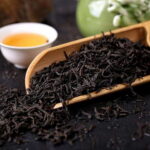
The last major structured stop is a traditional tea ceremony at a local tea house. It’s listed for about 30 minutes, with no additional ticket cost for that segment.
I like the tea ceremony ending because it resets the sensory overload. After streets, crowds, and snack sampling, tea gives you a clean pause—often a chance to ask the guide questions and regroup before you head out.
What this part signals for the overall tour: it’s not purely a food crawl. It’s a cultural add-on that helps the experience feel more complete, especially if you want Old Town Shanghai to feel like more than just eating.
If you prefer faster pacing, don’t worry—this isn’t a long lecture. It’s a short, structured finish.
Group Size, Pace, and What to Bring
This tour is built for a small group. The maximum is listed as 12 travelers, and the experience also describes a small-group feel (up to around the mid-teens). Either way, you should expect something closer to a guided walk with a few friends than a big crowded tour.
That small group size affects your experience in a practical way:
- Less time waiting at each spot
- Easier back-and-forth with your guide
- Better odds of hearing the context instead of just being herded
You should plan for walking on uneven Old Town streets. The tour asks for moderate physical fitness, so if you have mobility concerns, don’t assume the route will be gentle.
What to bring:
- Comfortable shoes (you’ll want traction)
- A light layer (Old Town days can change quickly)
- Any dietary notes you need to communicate at booking
Also, the tour requires good weather. If conditions are poor, the experience may be canceled and you’ll be offered a different date or a full refund.
Price and Value: Is $98 Worth It?
At $98 per person for about 3 hours, this tour prices itself like an experience, not a budget self-guided walk. The key is what you get for that price.
Included items:
- Professional guide
- Tea ceremony experience
- Entrance tickets of temple
- Snacks
- Admission ticket included at the first stop segment
Not included:
- Drinks and other extra snacks
- Hotel pickup/drop-off
So the value logic is simple: you’re paying for guided time, the food tasting program, and at least one meaningful ticketed cultural stop (plus the tea ceremony). If you were doing this yourself, you’d spend time figuring out routes and what’s worth eating—plus you’d likely buy tickets and snacks anyway.
Also, group discounts are mentioned, which can make the per-person cost feel even more reasonable once you compare it to piecing together multiple paid attractions and guided meal stops on your own.
One more practical note: this tour averages being booked around 27 days in advance. If your dates are fixed, reserve early so you don’t end up shopping last-minute.
Who Should Book This Tour (and Who Might Skip It)
This is a great fit if you:
- Want a guided Old Town loop with history and food
- Like tasting multiple local dishes in one morning/afternoon window
- Prefer small groups over crowded tours
- Are interested in Confucian temple history and the feel of older Shanghai streets
It might be less ideal if you:
- Hate walking or aren’t comfortable with moderate physical activity
- Want long, slow time at one major site (this is a multi-stop route)
- Need very specific dietary handling and prefer a fully custom food plan (the tour asks you to advise dietary needs, but the data doesn’t list detailed accommodation for allergies or substitutions)
Should You Book Off-beaten Route: Shanghai Old Town Discovery & Street Food Tasting?
If you want Shanghai Old Town to feel real—food in your hands, history in your ears, and a guided route that keeps you from wandering in circles—this is an easy yes.
Book it if you like:
- Street-food tasting that saves you guesswork
- A short, organized walk that still includes real anchors like the Old City Wall area and a 700-year-old Confucius temple
- A calm cultural finish with a tea ceremony
Hold off if you’re not up for walking, or if your schedule can’t flex around weather. And if you have dietary needs, send them in at booking so the guide can prepare as best as possible.
In short: for the price, the mix of sights + snack tastings + included tea ceremony is a strong use of a half-day in Shanghai.
FAQ
How long is the Shanghai Old Town Discovery & Street Food Tasting tour?
The tour lasts about 3 hours.
How much does the tour cost?
It costs $98.00 per person.
What is the group size?
It has a maximum of 12 travelers.
What stops are included on the tour?
You’ll visit the Dajing Ge Pavilion area, explore the Yu Garden (Yuyuan) district, and finish with a tea ceremony at a local tea house. The route also includes sights such as the Old City Wall area, a birds market, a 700-year-old Confucius temple, and the last remaining shantytown.
What food is included in the street-food tasting?
The tour includes snacks and tastings such as egg pancakes, sticky rice rolls, wonton soup, fried dumplings, and Shanghai noodles (plus other local snacks).
Is the tea ceremony included?
Yes. A traditional tea ceremony experience is included.
Where do we meet and where does the tour end?
The start is in Huangpu, China (200021). The tour ends near Renmin Road by the Waitan area, in the Shanghai Old Town area.
Can I request dietary requirements?
Yes. You should advise any specific dietary requirements at the time of booking.
What happens if the weather is bad or the minimum number of travelers isn’t met?
This experience requires good weather. If it’s canceled due to poor weather, you’ll be offered a different date or a full refund. It also requires a minimum number of travelers; if that minimum isn’t met, you’ll be offered an alternative or a full refund.