REVIEW · DUNHUANG
3-Day Private Silk Road Tour of Dunhuang: Mogao Grottoes, Yulin Grottoes, Crescent Moon Pool
Book on Viator →Operated by Silk Road Angel Tours · Bookable on Viator
A trip through Dunhuang feels like speed-reading history. This private 3-day plan pairs private transport with a smart pace, so you spend less time figuring things out and more time seeing the real Silk Road stops. You’ll cover big-name caves at Mogao and Yulin, then cool off at Crescent Moon Pool and the Singing Sand Dunes.
Two things I really like: first, the logistics are handled with hotel pickup and drop-off, AC vehicle time, bottled water, and admission included. Second, you get daily complimentary lunch, which matters here because the desert day can run hot and long. The one catch to think about is timing and effort: it’s a 3-day itinerary with major sites and an 8:30 am start, so it’s not a slow sightseeing stroll.
In This Review
- Key Points at a Glance
- Private Comfort in Dunhuang: How This Tour Works
- Day 1: Yangguan Pass and the Han-Era Border Story
- Day 2: Mogao Grottoes, Digital Film Center, Crescent Moon Pool, and Dunes
- Mogao Grottoes and the Digital Film Center
- Crescent Moon Pool and Singing Sand Dunes (Plus Optional Extras)
- Day 3: Yulin Caves and Suoyang City Ruins (UNESCO 2015)
- Yulin Caves: Mogao’s Sister Site
- Suoyang City Ruins: UNESCO-listed Silk Road Importance
- Price and Value: What $799 Buys You Here
- Timing, Heat, and Packing Tips You’ll Actually Use
- Who This Tour Suits Best (And Who Might Want Something Different)
- Should You Book This Private 3-Day Silk Road Tour of Dunhuang?
- FAQ
- What does the 3-day tour include?
- What time does the tour start?
- Is this a private tour?
- Are meals included?
- Can I request a vegetarian lunch?
- Are camel riding and the show included?
- Do I need to bring my passport?
- Does the price include entrance tickets?
- Is alcohol included?
- What are my cancellation options?
Key Points at a Glance
- Private group, your pace: It’s truly private, so you’re not stuck with a large bus rhythm.
- Mogao Grottoes scale is the whole story: You’ll see the famous complex plus the Digital Film Center.
- Crescent Moon Pool and Singing Sand Dunes: A classic Dunhuang combo with optional extras if you want them.
- Yulin Caves as the sister site: You’ll pair Mogao’s fame with Yulin’s connected artistic roots.
- Suoyang City ruins after lunch: A UNESCO-listed Silk Road stop in 2015.
- All tickets included, plus mobile ticket: Less hassle, fewer queues and less cash juggling.
Private Comfort in Dunhuang: How This Tour Works
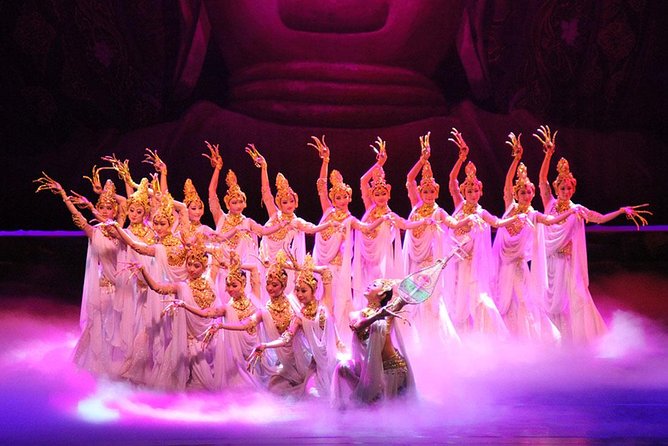
This is a private tour based in Dunhuang, built around three full days of sightseeing with pickup from your hotel and drop-off back at the end of each day. The biggest value of that setup is simple: you don’t waste your morning negotiating rides or timing. You start at 8:30 am, you move efficiently, and you’re back in time to rest.
The tour also runs on air-conditioned transport (a real plus in this part of China). You’ll have bottled water throughout the day and a local guide to keep you pointed in the right direction. Add in admission to all attractions and a mobile ticket, and the day feels smoother than many “tickets included” tours that still leave you hunting for the right desk.
For me, the best part of a private format is flexibility in real life: you can ask questions, adjust for comfort, and spend more time where your attention locks in. The itinerary is still structured, but you’re not trapped behind a large-group schedule.
One drawback to consider: this is a full itinerary with multiple major sites each day. If you’re the type who likes slow museum wandering with frequent stops, you’ll want to pace yourself so you don’t feel rushed when you get to the grotto complexes and desert sites.
You can also read our reviews of more tours and experiences in Dunhuang.
Day 1: Yangguan Pass and the Han-Era Border Story
Your Day 1 focuses on the “gateway” side of the Silk Road: passes and defenses. The day starts with Yangguan Pass and its museum, then you continue to the Yumen Pass (Jade Gate Pass) and the Great Wall of the Han Dynasty area.
Here’s why these stops are worth your attention. Passes like Yangguan and Yumen weren’t just scenic locations; they were the real chokepoints where trade routes had to funnel through. The museum at Yangguan helps you get your bearings fast: you’ll be seeing the physical places with a frame for how the Silk Road moved through harsh territory.
Then you shift from museum context to the landscape-scale idea of frontier protection with the Han Dynasty wall component and the Jade Gate concept around Yumen. Even if you don’t consider yourself a military-history person, border infrastructure changes the way you understand the whole Silk Road story. You start thinking in routes, supply, and survival, not just trade goods.
Practical note: this is a day where the order matters. Doing the museum first gives you something to watch for when you’re out at the passes and wall-related sites. If you try to reverse it, you can feel a step behind.
Day 2: Mogao Grottoes, Digital Film Center, Crescent Moon Pool, and Dunes
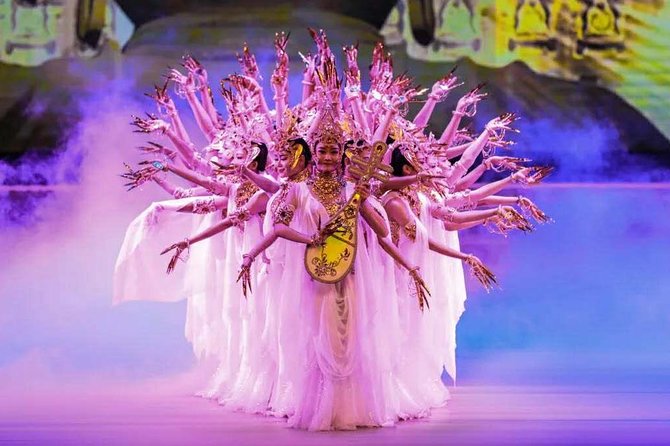
Day 2 is the “big day,” split into two powerful sections: Mogao Grottoes in the morning and the Dunhuang desert classics after lunch.
Mogao Grottoes and the Digital Film Center
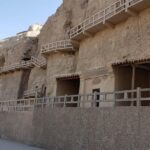
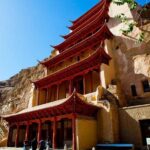
You visit Mogao Grottoes along with the Digital Film Center. Mogao is famous for sheer scale, and this tour gives you hard numbers to hold onto while you’re there: the site includes 492 grottoes, 45,000 square meters of murals, 2,400 painted statues, and over 250 residential caves remaining.
That list matters because it changes how you read the caves. You’re not looking at one “pretty attraction.” You’re looking at an entire long-lived creative program—an art archive built and rebuilt across time. The Digital Film Center stop also helps you structure what you’ll see next, so you aren’t just staring upward with no map in your head.
This day is also where your guide’s role is most useful. They can help you connect what you’re viewing to broader themes, so it doesn’t feel like isolated rooms and panels.
Crescent Moon Pool and Singing Sand Dunes (Plus Optional Extras)
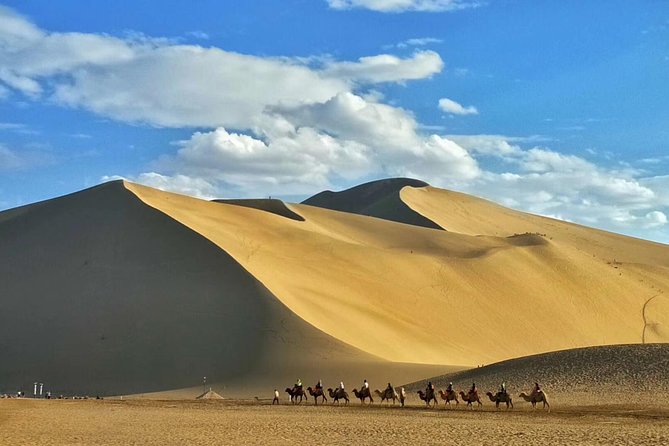
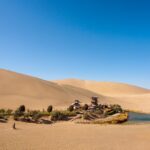
After lunch, the itinerary moves to Crescent Moon Spring (Crescent Moon Pool) and the Singing-Sand Dunes. These are the classic Dunhuang nature stops, and they work as a contrast to the grotto day: murals and caves on one side, dunes and water on the other.
Crescent Moon Pool is the kind of place that changes your pace. Instead of scanning for details in art, you’re looking for a line where sand meets water—something that feels almost impossible in a desert setting. The Singing-Sand Dunes add the action element. The sand has that reputation for sound, and even if you only get a short time on the dunes, it’s the kind of moment that refreshes your brain between cave visits.
You also have optional extras listed for this portion:
- Camel riding
- SILK ROAD SHOW
Since these are optional, you can decide based on your energy level and how you feel about paying extra on top of the main package.
Day 3: Yulin Caves and Suoyang City Ruins (UNESCO 2015)
Day 3 keeps the Silk Road theme, but shifts the emphasis from the most famous complex to a connected counterpart, plus an archaeological city stop.
Yulin Caves: Mogao’s Sister Site
You visit the Yulin Caves, described as having the same origin in contents, artistic style, and form of painting as Mogao, often treated as its sister. That’s a big promise, and it’s one you’ll appreciate if you liked Mogao’s scale and you want to see what changes when you move to a related site.
Yulin tends to feel like a more focused continuation: same family of artistic language, different setting and expression. If Mogao made you wonder what else was out there, Yulin is the answer. You’ll likely come away thinking in patterns rather than just isolated masterpieces.
Suoyang City Ruins: UNESCO-listed Silk Road Importance
After lunch, you visit the ruins of Suoyang City, an important Silk Road stop that was listed in UNESCO in 2015.
Ruins can go two ways on tours: either they feel like “standing around and reading a sign,” or they come alive because someone explains why the place mattered. In this itinerary, Suoyang City works as a neat final chapter. You’ve seen passes (Day 1), caves and desert nature (Day 2), then you end at a city site where people actually lived, traded, and moved through the region.
If you’re the type who likes to close a trip with a sense of “where the story lived,” this last stop does the job.
At the end of the day, you’re dropped back at your Dunhuang hotel.
Price and Value: What $799 Buys You Here
At $799 per person for a 3-day private tour, you’re paying for three things that add real comfort and time savings:
1) Private transport and hotel transfers
Round-trip hotel pickup and drop-off each day means less scrambling. In a place where distances matter, that’s not a small benefit. It also reduces the stress of trying to line up rides between sites.
2) Included admissions and daily lunch
You’ll have admission included for all attractions and lunch each day. This matters in practice because entry tickets plus food stops can add up quickly when you travel independently. Here, it’s handled for you.
3) A local guide for the whole plan
You’re not just getting access to sights; you’re getting interpretation and smoother timing. In the feedback about this tour, a guide named Lily is praised for being very attentive and guiding people toward local culture and eats. That lines up with why private formats feel more personal: the guide can respond to what you care about.
Is it expensive? Yes, relative to a shared group bus. But this price is also a cleaner “one bill” arrangement. If you value comfort, time efficiency, and fewer logistics headaches, it looks like strong value for Dunhuang’s top Silk Road sites.
Timing, Heat, and Packing Tips You’ll Actually Use
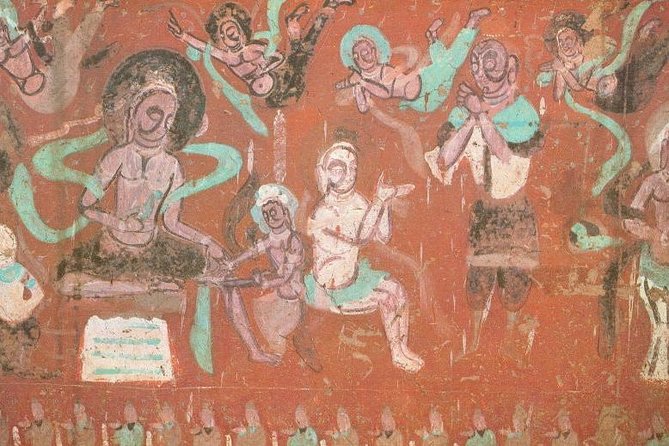
Your start time is 8:30 am, and you’ll spend the days moving between museum stops, caves, and outdoor sites like dunes. That means you should plan like you’re doing a desert itinerary even if some parts are indoors.
Here are the practical moves I’d make before you go:
- Wear comfortable walking shoes. Cave complexes often mean many steps and uneven surfaces.
- Bring sun protection. Even when you’re inside part of the time, the days include outdoor stops.
- Use the included bottled water and keep sipping. You’ll be glad you did on the desert segments.
- If you want the optional camel riding or the SILK ROAD SHOW, decide ahead of time so you don’t lose momentum after lunch.
Also, ask yourself if you prefer a lighter day schedule. This one is full. If you want a trip that feels more like a long weekend, you might add a spare day in Dunhuang for slower wandering and shopping. If you want maximum value in limited time, this plan fits.
Who This Tour Suits Best (And Who Might Want Something Different)
This tour is a good match if you:
- Want a private Silk Road experience without the hassle of coordinating transport and tickets.
- Care about seeing both Mogao and Yulin, not just one famous stop.
- Appreciate included meals so your day stays predictable.
- Prefer an itinerary where you can ask questions and get explanations in real time.
It may not suit you as well if you:
- Want plenty of free time to roam on your own each day.
- Get overwhelmed by packed schedules and early starts.
- Want a purely nature-focused trip with less emphasis on caves.
Should You Book This Private 3-Day Silk Road Tour of Dunhuang?
If you’re aiming for the core Dunhuang experience—passes, Mogao Grottoes, desert highlights at Crescent Moon Pool and Singing Sand Dunes, plus Yulin Caves and UNESCO-listed Suoyang City ruins—this is a strong choice. The private setup, hotel pickup/drop-off, admissions included, and lunch every day make it feel efficient and low-stress for a busy 3-day window.
I’d book it if you value practical comfort and want a guide to help you connect what you’re seeing to the Silk Road story. I’d think twice if you want a relaxed trip with long unscheduled breaks or if you dislike early starts.
FAQ
What does the 3-day tour include?
The tour includes a local guide, air-conditioned transport, hotel pickup and drop-off, bottled water, and lunch each day (3 lunches total). Admission to all attractions is included, and you receive a mobile ticket.
What time does the tour start?
The start time is 8:30 am.
Is this a private tour?
Yes. It’s a private tour/activity, meaning only your group participates.
Are meals included?
Yes. Lunch is included each day.
Can I request a vegetarian lunch?
Yes. A vegetarian option is available, and you should advise at booking if you need it.
Are camel riding and the show included?
Camel riding and the SILK ROAD SHOW are listed as optional extras.
Do I need to bring my passport?
Yes. A current valid passport is required on the day of travel, and the passport name, number, expiry, and country are needed at booking.
Does the price include entrance tickets?
Yes. Admission to all attractions is included.
Is alcohol included?
No. Alcoholic drinks are not included.
What are my cancellation options?
You can cancel for free up to 24 hours in advance for a full refund. If you cancel less than 24 hours before the start time, the amount paid is not refunded.