REVIEW · BEIJING
3-Hour Private Night Tour: Beijing Foodie Experience
Book on Viator →Operated by Unique Beijing Tours · Bookable on Viator
Beijing tastes better after dark. I love the private guide who matches the plan to what you can eat, and I love the sheer range of bites you get, from lamb kabobs and tanjianbing to Yunnan Cross Bridge noodles. One thing to consider: you’ll likely leave stuffed, and a couple of more unusual items (like bamboo worm) cost extra.
This tour also makes the logistics easy. You start in your hotel lobby, head into Dongsi Hutong, and get help finding the right places to order without hunting around alleys on your own.
In This Review
- Key things that make this Beijing night food tour work
- Why Dongsi Hutong at night is the right setting for Beijing food
- Hotel pickup and the transport fees you should plan for
- Stop 1 and the Hutong walk: getting oriented before you eat
- Xinjiang-style kabobs, sides, and the Erguotou moment
- Zhangzizhong Street snacks: tanjianbing and the sweet-savory roller coaster
- Sichuan kabobs, drinks, and the Yunnan shift to comfort food
- The Beijing snack set: why the tour saves room for small sweet bites
- Vegetarian needs and dietary restrictions: what you should tell the guide
- Price and value: what $79.20 buys in a short 3-hour evening
- Who this tour suits best (and who should think twice)
- Should you book this Beijing foodie night tour?
- FAQ
- How long is the private night tour?
- Where does the tour start?
- What food is included in the tasting?
- Are there vegetarian options?
- Is pickup always included?
- Are any items extra cost?
- Is there free cancellation?
Key things that make this Beijing night food tour work
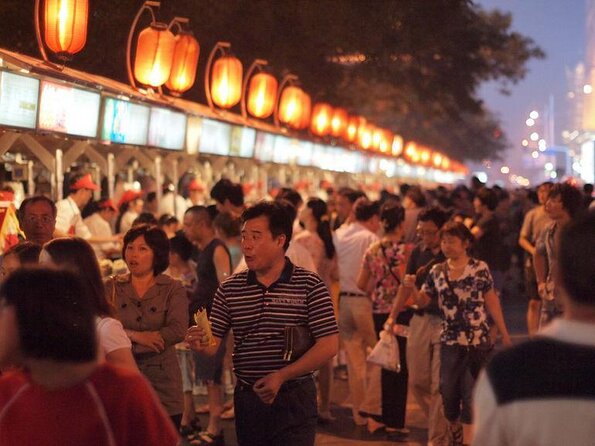
- Private, hotel-lobby meet-up in the city center area so you don’t waste time searching at night
- Dongsi Hutong alleyway tasting so you taste Beijing beyond the main roads
- Cross-regional food mix: Xinjiang-style kabobs, Sichuan kabobs, and Yunnan dishes
- Big flavor variety in a short window including savory pancakes, sweet snacks, and multiple drinks
- Vegetarian option available if you flag it when booking
- Guide-led pace that can matter if you’re slower or need a breather
Why Dongsi Hutong at night is the right setting for Beijing food
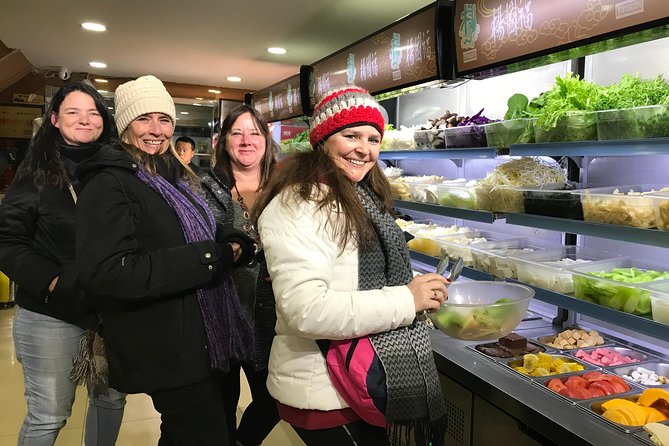
Dongsi Hutong is the kind of neighborhood where food is part of everyday life. At night, those small lanes feel more like places locals actually use, not just photo stops. And because the tour is built around eating, you’re not stuck staring at walls while everyone else is hungry.
What I like about the setup is that it’s not just one type of food. You move through classic Beijing-style snacks and also eat dishes influenced by other Chinese regions, like Xinjiang, Sichuan, and Yunnan. That matters because Beijing food isn’t one single flavor. It’s a whole spectrum.
You also get cultural context tied to what you’re eating. Your guide explains ingredients and meaning as you go, so a bun or pancake becomes more than a random bite. Even if you’re only moderately adventurous, the tour gives you a reason to try things you wouldn’t normally order.
You can also read our reviews of more tours and experiences in Beijing.
Hotel pickup and the transport fees you should plan for
Meet is simple: you greet your guide in your hotel lobby, then you head toward the Hutong area. If your hotel is inside the city, pickup is free. If not, or if you choose the standard travel option, you should budget small transport costs.
The data is clear on fees: transportation from your hotel to the attractions is listed at $5 per person, and there’s also a $5 per person transport fee from your hotel to the Hutong area. In other words, plan on those add-ons if your pickup isn’t included under the free city-area rule. It’s not huge, but it can change the total if you’re traveling as a group.
You’ll also see that the area is near public transportation. That’s useful because Beijing is busy and schedules change fast. If you’re sensitive to timing, this is the kind of tour that can flex a bit because you’re not locked into a one-way, one-route plan.
One more practical point: you get a mobile ticket. That’s handy at night when you don’t want to juggle paper.
Stop 1 and the Hutong walk: getting oriented before you eat
Your evening starts with a guided arrival into Dongsi Hutong. The first leg is mostly about getting your bearings and setting the tone, since you’re meeting in your hotel lobby and then heading into the alley neighborhood.
This is where the private part matters. In a group tour, you sometimes get rushed through the lanes. Here, you’re with your guide and your own group only, so the walking pace can match you. In real experiences, guides like Lucy, Kevin, and Roy were praised for keeping the pace comfortable and making sure people could enjoy the food without falling behind.
Even if you’re not a history buff, the orientation helps. Once you understand what you’re looking at, the food stops feel more grounded. You’re not just hopping from one restaurant to another; you’re moving through a living neighborhood where snacks and meals are woven into the street.
Xinjiang-style kabobs, sides, and the Erguotou moment
At the first main food stop, you’re in a restaurant setting designed for tasting. The plan highlights Xinjiang Taste Restaurant, where you sample 3 to 5 types of kabobs. This is the meal style that makes Xinjiang food easy to love quickly: meat, flavor, and sides that keep you from getting bored after the first bite.
You’ll also see a side-dish parade. Expect items like eggplant, beans, garlic, leeks, and Nang alongside the skewers. For me, that’s a key value detail. You’re not just tasting meat; you’re tasting how Beijing cooks use vegetable flavor and bread texture to balance strong kabob profiles.
Then comes Erguotou, a traditional Chinese white liquor. It’s included in the tasting plan. If you’re the type who prefers not to drink alcohol, tell your guide ahead of time and you can adjust. If you do drink, this is a very Beijing-style experience because it gives you context for how locals pair spirits with savory street food energy.
From a “real value” angle, this first stop does a lot of work. You get multiple protein tastings, side dishes, and a traditional drink in about an hour of your evening. That’s why the tour can feel full without dragging.
Zhangzizhong Street snacks: tanjianbing and the sweet-savory roller coaster
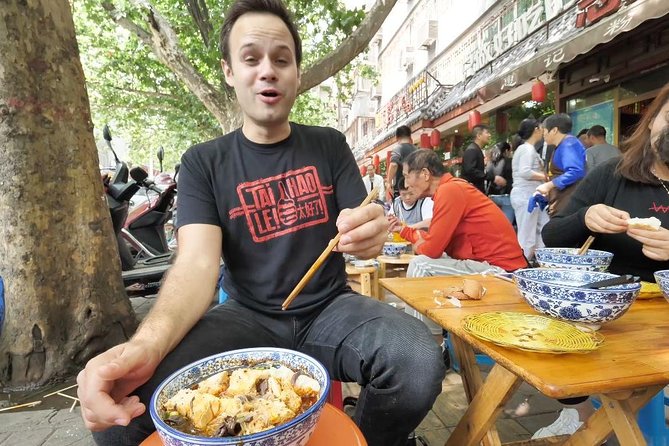
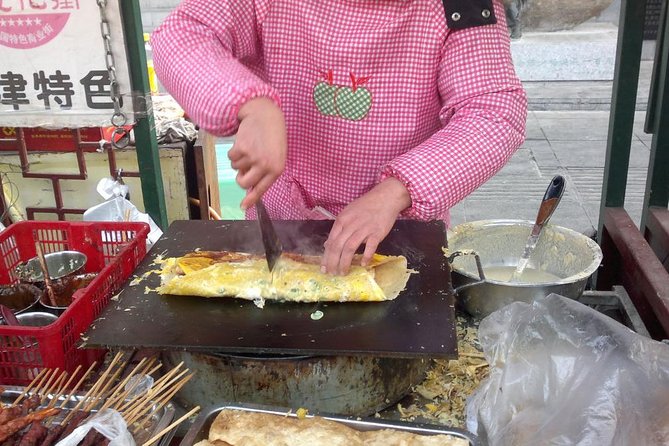
After the kabobs, the tour swings into classic street-snack mode on Zhangzizhong Street. The headline here is tanjianbing, a pan-fried savory pancake that locals like. It’s the kind of food where the crust and filling matter, and you’ll usually get a better experience when someone shows you how it’s built and eaten.
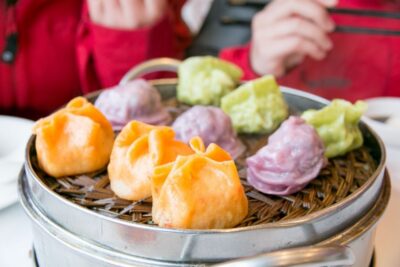
From there, the tour keeps layering in other favorites. You may taste sweet dough, sesame cakes, Ma hua, Zongzi, and also Beijing-style jar yogurt. You’ll also likely encounter Baozi and tanghulu, the sugary crabapple snack on a stick.
This is where your guide’s job turns from “translator” into “taste coach.” Your guide explains ingredients and cultural significance as you go, and you get help ordering and pacing. In real experiences, guides were praised for making the food make sense and for helping people choose even if their comfort level with new flavors was mixed.
A small consideration: not every street stand runs forever, especially late. If you’re hoping to catch every single sweet bite, keep expectations flexible. The best move is to treat this as a curated tasting, not an all-you-can-eat checklist.
Sichuan kabobs, drinks, and the Yunnan shift to comfort food
Next you move through more tastings that include Sichuan kabobs, with the plan listing 5 to 12 skewers at this stage. Sichuan flavor tends to hit differently than Xinjiang: you’re more likely to notice heat and bold seasonings, which is fun if you’re into flavor contrast.
You’ll also get drinks in this part of the run, including peanut beverage or orange soda. That helps a lot when you’re switching between different spice levels and textures. Small sips keep your palate from feeling like it’s in one long flavor overload.
Then the plan turns to Yunnan cuisine at another local restaurant. This is where things feel more comforting and fragrant at the same time. You may taste flower cake, cold pea-based cakes, grilled bread covered with rice flower, rice wine, and plum liquor. The highlight is Cross Bridge rice noodles, a dish known for its assembly and layered flavors.
And if you want to be truly adventure-mode, dish-fired bamboo worm is listed as an optional extra at your own expense. The fact that it’s optional is important. You can keep the tasting broad without feeling pressured to try something that sits outside your comfort zone.
The Beijing snack set: why the tour saves room for small sweet bites
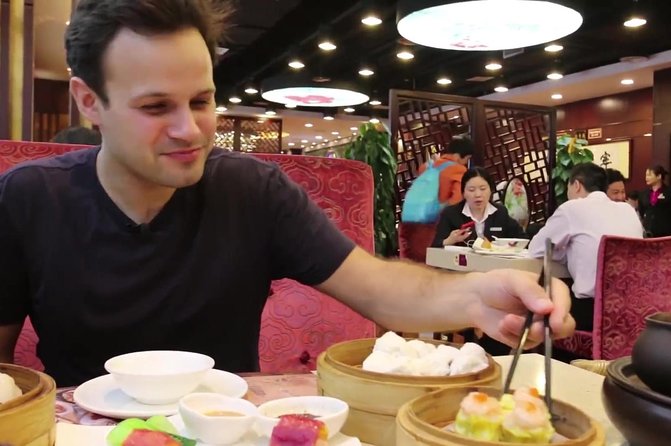
By the time you reach the snack-set stage, the tour is aiming to show you Beijing flavors in bite-sized form. The plan includes items such as glutinous rice roll with sweet bean flour, yellow pea cake, steamed rice cakes with sweet stuffing, seasoned millet porridge, and more.
This section matters because it balances everything else you’ve eaten. If you’ve been riding meat, pancakes, and spicy skewers, these sweets and warm bites reset your palate. Also, small portions help you keep your energy up, especially if you’ve been walking through hutongs and you don’t want your blood sugar to crash.
Portion reality is also worth spelling out. Multiple people praised the tour for being very filling, with enough food that you can end up stuffed by the end. So yes, come hungry—but not in a way that makes you feel regret later. If you’re the kind of person who gets nauseous when you eat too much rich food, pace yourself and ask your guide to slow down.
Vegetarian needs and dietary restrictions: what you should tell the guide
The tour is designed for private matching. You’re asked to advise dietary requirements at booking, and there’s a vegetarian option available if you flag it in advance. The guide can cater to restrictions within the tour flow, which is a huge deal for a night tasting where you don’t want to guess what you can safely eat.
In practical terms, I recommend you send a clear note at booking that lists what you avoid. For example: no pork, no alcohol, no shellfish, dairy-free, gluten concerns. The more specific you are, the more likely the guide can adjust choices at the restaurant level.
It also helps to tell your comfort level with spicy food and strong alcohol like Erguotou. If you’re sensitive to heat, you might want to make sure the Sichuan kabob stage is toned to your liking. If you don’t want alcohol, say so early so nobody assumes you’ll try every drink.
Multiple guides were praised for helping people order well even when preferences varied within the group, so you’re not locked into one person’s style of eating.
Price and value: what $79.20 buys in a short 3-hour evening
At $79.20 per person for about 3 hours, you’re paying for access, guidance, and convenience as much as food. The biggest value isn’t only the dishes themselves. It’s the fact that you get to eat at places that are hard to find and harder to order from if you don’t speak the language.
This tour includes private guidance, hotel-lobby meeting, and food tasting. That means multiple stops and multiple tastes are packaged into one evening without you charting taxi routes across districts. For a first time visitor, it’s a strong way to get real Beijing flavors without worrying about whether the restaurant is open, what’s popular, or whether the staff will understand your order.
You do have possible extra transport fees, and there’s also the optional paid add-on like bamboo worm. But even with those realities, the structure feels efficient. You’re tasting Xinjiang-style kabobs, Beijing snacks, Sichuan skewers, and Yunnan noodle dishes in one go.
One more value lever: booking is usually done around 22 days in advance on average. That doesn’t mean you must book early, but it does hint that guides and schedules get filled.
Who this tour suits best (and who should think twice)
This is a great fit if you want an authentic night food crawl with a guide who can handle ordering and pacing. It also works well if you like variety and you’re curious about flavors from multiple Chinese regions, not just one category of snack.
It’s also a solid choice for travelers who want hutong atmosphere. You get walking through Dongsi Hutong between tastings, not just sitting inside a single restaurant. And guides were specifically praised for adding hutong facts along the way.
I’d think twice if you have a sensitive stomach or you get overwhelmed by lots of food in a short time. One caution from an experience was that there wasn’t a contingency plan if someone couldn’t finish due to illness. That doesn’t mean it will happen to you, but it’s a reason to plan realistically. If you think you might need flexibility, tell your guide early and ask how they handle slower pacing or swapping items.
I’d also be cautious if you strongly dislike alcohol or very spicy foods, since the plan includes Erguotou and Sichuan kabobs as part of the tasting flow. You can usually adjust, but you’ll get the best results if you communicate up front.
Should you book this Beijing foodie night tour?
I’d book it if you want a guided, filling, multi-region tasting that’s built around Dongsi Hutong at night. The best parts are the variety of classics, the private guide support, and the fact that you get stuffed enough to feel like you truly ate your way through the evening.
Skip it or adjust expectations if you don’t want a lot of food, if you dislike alcohol and heat, or if you’re not comfortable with the optional more unusual items. Also, if you’re worried about closures or want a very sweet-focused evening, be open to the fact that late-night snack plans can vary.
Overall, this is the kind of tour that helps you understand Beijing food fast, without turning your night into a maze of taxis, menus, and guesswork.
FAQ
How long is the private night tour?
It runs for about 3 hours.
Where does the tour start?
Your guide meets you at your Beijing hotel lobby.
What food is included in the tasting?
You’ll sample a mix of dishes including kabobs (with sides), tanjianbing, sesame cakes and other Beijing snacks, Sichuan kabobs, and Yunnan specialties like Cross Bridge rice noodles. A Beijing snack set with items like sweet bean flour rolls, yellow pea cake, and millet porridge is also part of the plan.
Are there vegetarian options?
Yes. A vegetarian option is available if you request it at the time of booking.
Is pickup always included?
Pickup is free if your hotel is inside the city. Other transport costs may apply, including $5 per person for transportation from your hotel to the attractions and $5 per person to get to the Hutong area.
Are any items extra cost?
Dish-fired bamboo worm is listed as an optional tasting at your own expense. Everything else described in the tasting plan is included.
Is there free cancellation?
Yes. You can cancel up to 24 hours in advance for a full refund. If you cancel within 24 hours of the start time, the amount you paid isn’t refunded.