REVIEW · BEIJING
A Beijing Tour of Essentials Along the Central Axis
Book on GetYourGuide →Operated by Wander with Jacob · Bookable on GetYourGuide
Beijing’s Central Axis tells a full story. This tour links Tiananmen Square landmarks, the Forbidden City, and then pivots to daily-life Beijing along Qianmen and Wangfujing. You get an in-person guide (often Jacob from Wander with Jacob) who can help you connect what you’re seeing to how modern China grew out of older court power.
What I like most is the flow: you start with the big political center, then walk through the gateway toward the Palace Museum, then end with skyline views from Jingshan. Another win is that tickets and reserved entry are handled for the major stops, so you spend your energy looking instead of bargaining with long lines. One drawback to consider: this is a fixed, very popular corridor, so crowds can spike hard around holidays, and Tiananmen area walking can feel slow even with good organization.
In This Review
- Key Highlights You’ll Notice on This Route
- Beijing’s Central Axis in One Day: Why This Route Works
- Tiananmen Square, National Museums, and the Chairman Mao Memorial Area
- The Walk Under the Pass to Tiananmen Gate and the Forbidden City
- Qianmen Street and Hutong-Time Feel Without Getting Lost
- Wangfujing Street: The Modern Beijing Contrast
- Jingshan Park at the End: A Skyline Moment That Makes Sense
- Price and Value: What You Get for $42 per Person
- Timing, Crowds, and How to Keep the Day Comfortable
- Who This Tour Fits Best
- Should You Book This Central Axis Tour?
- FAQ
- How long is the Beijing Central Axis tour?
- What are the main attractions included?
- Is pickup included?
- What does the price include?
- What should I bring for the tour?
- What language will the guide speak?
- Can I get a full refund if I cancel?
Key Highlights You’ll Notice on This Route
- Reserved entry for the big sights, so your day runs more smoothly.
- Tiananmen Square to Tiananmen Gate walking route that sets the stage before you enter the Forbidden City.
- Qianmen Street hutong-focused time with shopping and preserved streetscape.
- Wangfujing Street as the modern contrast after centuries of imperial buildings.
- Jingshan Park for an easy-to-understand skyline perspective at the end of the day.
- Jacob’s style (professional, patient, and flexible) is repeatedly praised, especially on crowded national holiday days.
Beijing’s Central Axis in One Day: Why This Route Works
If you want Beijing in one clean storyline, this route is hard to beat. You start at the grand public square tied to modern national identity, then move into the former imperial core, and finish with viewpoints and street life that feel more like how people actually live today.
The secret is pacing and order. Tiananmen Square gives you scale. The Forbidden City gives you rules and power—literally arranged in rows, gates, and courtyards. Then Qianmen and Wangfujing reset your eyes from marble and ceremony to sidewalks, snack energy, and everyday shopping. Finally, Jingshan Park gives you a birds-eye sense of how the city layers over itself.
You’ll also appreciate that this tour is built for walking within the central zone. That matters because Beijing’s history isn’t just in buildings—it’s in how you move between them.
You can also read our reviews of more tours and experiences in Beijing.
Tiananmen Square, National Museums, and the Chairman Mao Memorial Area
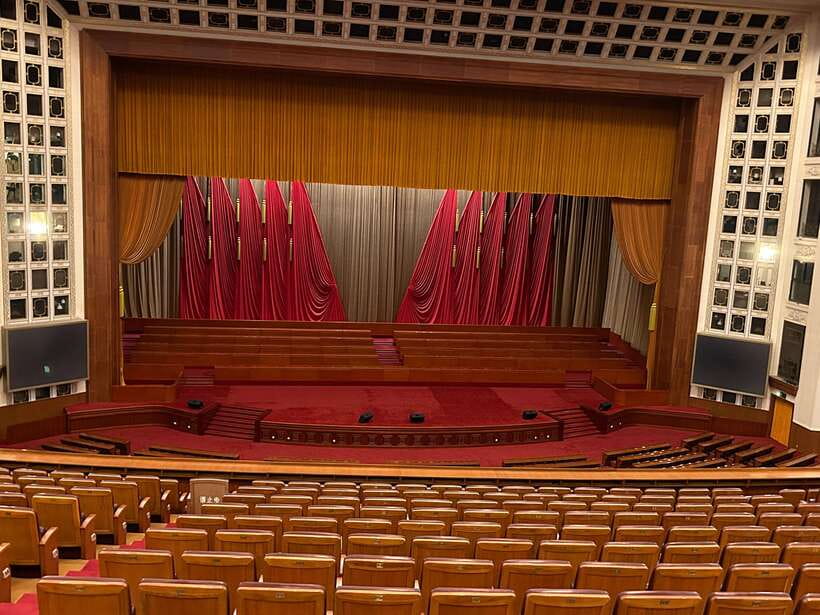
Tiananmen Square is the kind of place that looks simple from a distance and then gets complicated up close. You’ll start here, with a visit time of about an hour, and you’ll see a cluster of major sites within the square area.
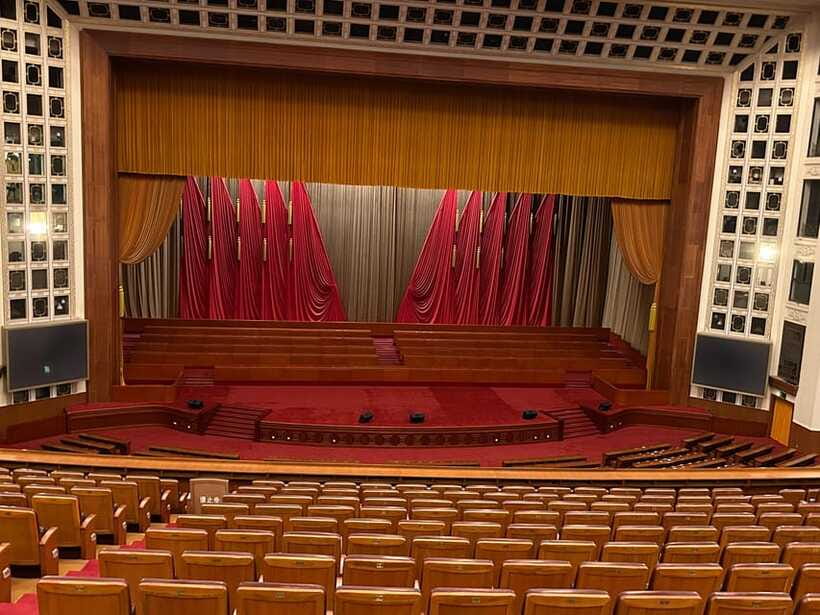
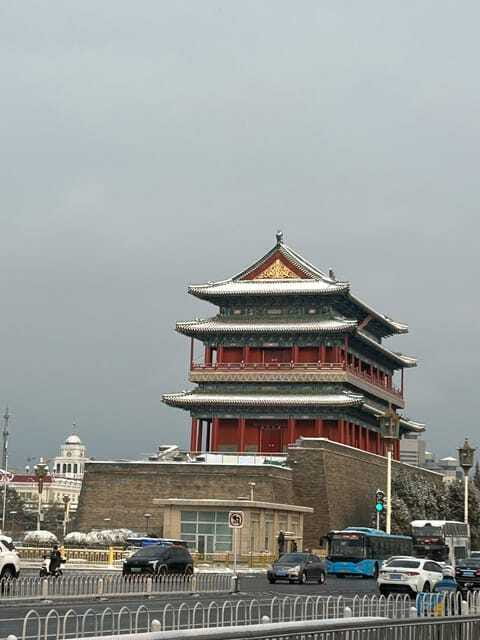
Depending on your exact start time and how the day is flowing, expect to pass by key landmarks such as the National Museum of China, the Chairman Mao Memorial Hall, the Great Hall of the People, and Zhengyangmen Gate (all inside the square/nearby square perimeter). Even if you’re not there for politics, the setting tells you why the square became such a symbolic heart of the city.
Practical take: bring a little patience. This is a place where crowds can swell quickly, and movements can slow down. On major Chinese holidays, it can feel like the whole city funnels into the same few blocks. In those moments, having a guide who can manage timing and keep you oriented helps a lot.
The Walk Under the Pass to Tiananmen Gate and the Forbidden City
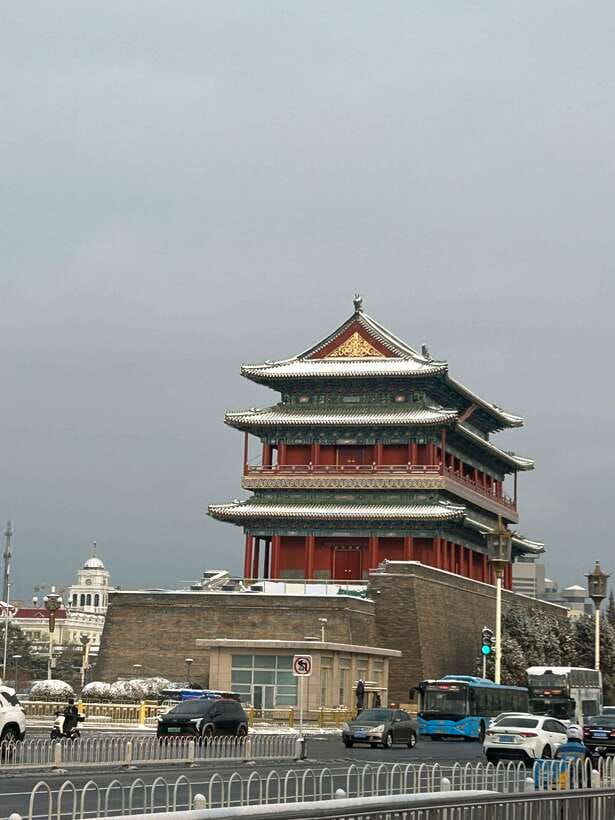
After Tiananmen Square, you’ll walk toward the Tiananmen Gate area. There’s an underpass segment on the way, which is useful because it breaks up the flow so you’re not just shuffling in one tight line.
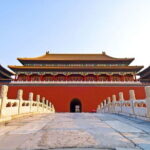
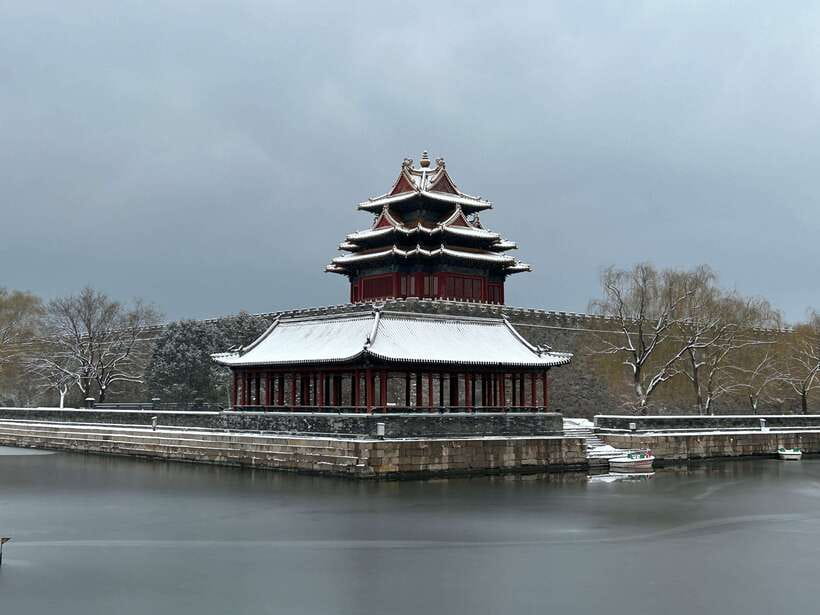
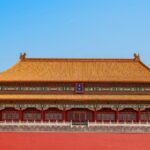
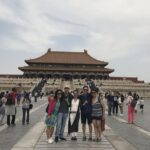
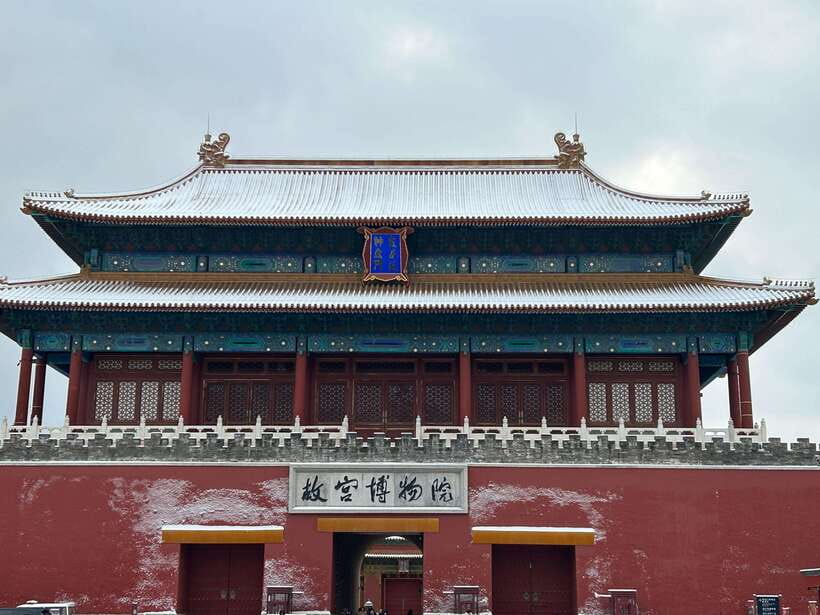
This is where the day turns from civic scale to palace scale. The Forbidden City—also known as the Palace Museum—is where you’ll spend about three hours. Think of it as a whole functional city built for imperial administration, ceremony, and living. The buildings aren’t just pretty. They’re arranged like a system, and the layout is the story.
What helps most is having a guide explain how the site relates to the rise and fall of modern China’s era-making moments. Even if your history background is light, you’ll start to notice patterns: courtyards, gates, and the way power is physically expressed through space.
One thing to watch: the Forbidden City is huge, and “seeing it all” is unrealistic in one visit. Your advantage is that the tour guides your path and keeps you moving through the most important zones instead of getting stuck in a maze of similar halls.
Qianmen Street and Hutong-Time Feel Without Getting Lost
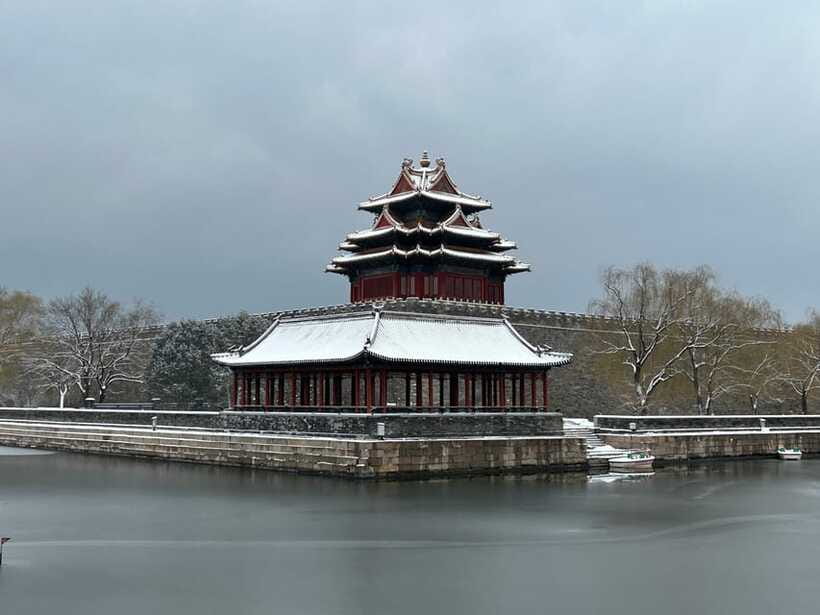
Once you’ve tackled the Forbidden City core, you’ll head toward Qianmen Street. This stop is about a balance: you get time to browse, you get a chance to feel hutong culture, and you get shopping without the pressure of constantly scanning for the next landmark.
The tour includes visit time plus free time (about an hour total at this stop). Qianmen is known for preserving much of its hutong character better than some parts of Beijing that have been rebuilt or modernized more aggressively.
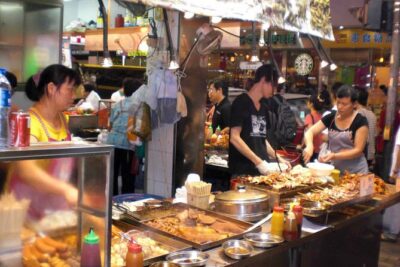
This is the moment where your day stops being only about museums. You’re walking streets that feel more like “Beijing street life,” where you can slow down, look for snacks or small shops, and reset your legs after big indoor complexes.
If you’re the kind of traveler who gets overwhelmed by crowds, treat this as your breathing space. You’re still in the center, but the energy is different—more street-level, less ceremonial.
Wangfujing Street: The Modern Beijing Contrast
After the hutong-flavored break, you’ll shift to Wangfujing Street, with about an hour there. This is Beijing’s “future” moment in the tour’s logic—shopping streets, busy sidewalks, and a sense that the city is still moving fast.
Wangfujing works well after Qianmen because you’re comparing two different Beijing moods in the same day. Qianmen gives you the older, more preserved street rhythm. Wangfujing gives you a sharper, more commercial pulse.
If you’re curious but not a big shopper, you can still enjoy this stop by treating it like a people-watching and street-scene lab. You’ll learn more from what people do—how they eat, where they gather, how the sidewalks feel—than from any single storefront.
Jingshan Park at the End: A Skyline Moment That Makes Sense
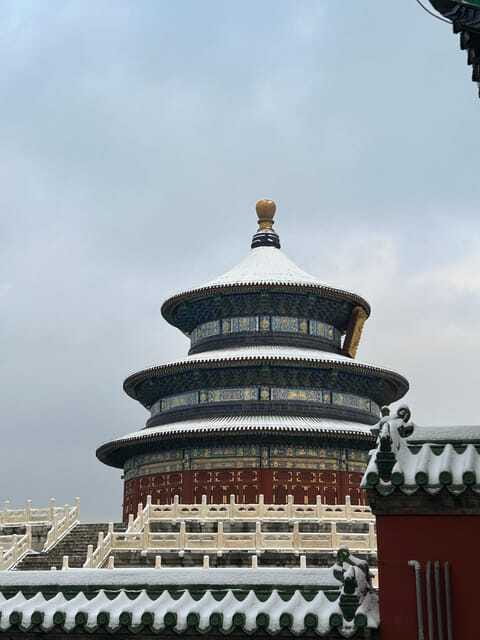
The day ends with Jingshan Park, with about an hour here. This is one of those finishing moves that turns “I saw buildings” into “I understand the city’s shape.”
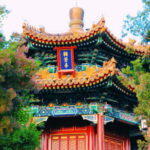
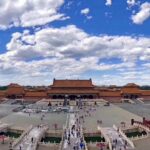
Jingshan is positioned for views across the Forbidden City zone. That means you can look back and connect what you just walked through to what it looks like from outside. It’s a practical way to close the loop. Without a viewpoint, the Forbidden City can start to feel like a long sequence of halls. From Jingshan, it becomes a coherent layout again.
It’s also a good spot to regroup with your guide and ask a few quick questions while you’re still energized. A good guide can point out what to notice next time you come back—because yes, you’ll probably want to come back.
Price and Value: What You Get for $42 per Person
At around $42 per person, this tour can be very good value for a first trip to central Beijing—mainly because so much is handled in advance.
You’re paying for:
- Tickets and reserved entry for the attractions on the route
- In-person guidance through the key stops
- A guidance briefing before entering China
- Local transportation (note: airport express is not included)
What you might still pay separately is getting to the meeting point and any extra local transport if your pickup is outside the free pickup zones. The tour notes that pickup is free in many central districts, while suburban pickup may cost extra. Also, transport fees from the meeting point to the attractions can apply depending on the option you select.
So the real value question is simple: do you want to spend your limited Beijing time figuring out entry lines and routes? If you’d rather have a guide manage access and movement, this price can make sense. If you enjoy independent wandering and are comfortable buying tickets yourself, you might not feel as much benefit.
Timing, Crowds, and How to Keep the Day Comfortable
This tour runs in a window from about 2.5 to 8 hours depending on the selected option and start time. That flexibility is useful because Tiananmen and the Forbidden City can shift from manageable to chaotic based on the day.
Crowds matter most in the square and the Forbidden City perimeter. On very busy national holiday periods, movements can be slower, and the experience becomes more about logistics than calm sightseeing. The good news: the guide’s role becomes even more valuable then. One guide praised in particular, Jacob, was noted for keeping things organized during a crowded national holiday day with police support and lots of traditional outfits around the square.
Your practical comfort tips:
- Wear shoes you can walk in for hours. This is a walking route with real distance between major points.
- Bring water and something light to snack on when you get free time.
- If you’re sensitive to crowd stress, aim for an earlier start when available.
Who This Tour Fits Best
This works best for you if:
- You want a first-time Beijing overview along a meaningful storyline.
- You’d rather have guided context than just photos and guidebook trivia.
- You value reserved entry so you can focus on the sights, not ticket logistics.
- You like a mix of “imperial core” and “street Beijing,” with a viewpoint ending.
It may feel less ideal if you’re looking for a super slow museum day, or if you expect to roam at length on your own without any structure. Also, because the route is fixed, make sure you understand the meeting points and timing expectations so you don’t end up separated at any stage.
Should You Book This Central Axis Tour?
Book it if you want the fastest path to understanding Beijing’s biggest story arc: Tiananmen Square → Tiananmen Gate → Forbidden City → Qianmen → Wangfujing → Jingshan. It’s a clean route with reserved entry and a guide who can connect what you see to why it matters.
Skip or rethink it if you strongly prefer total independence, or if you’re traveling during peak crowd periods and you know you’ll hate slow lines and dense public space. In those cases, the guide’s ability to keep you moving becomes the difference between a stressful day and a smooth one.
FAQ
How long is the Beijing Central Axis tour?
The duration ranges from about 2.5 to 8 hours, depending on the option and starting time availability.
What are the main attractions included?
The tour includes Tiananmen Square, the Forbidden City (Palace Museum), Qianmen Street hutong area, Wangfujing Street, and Jingshan Park.
Is pickup included?
Pickup is optional. Most parts inside Beijing City (including several central districts and nearby areas) are listed as free, while suburban pickup costs extra.
What does the price include?
Tickets and reserved entry for the attractions, a guidance briefing before entering China, in-person guidance, and transportation are included. Airport express is not included.
What should I bring for the tour?
Bring your passport or an ID card for children. You should also avoid bringing dangerous items due to highly secured policies.
What language will the guide speak?
The tour guide is listed as available in Chinese and English.
Can I get a full refund if I cancel?
Free cancellation is available up to 24 hours in advance for a full refund.