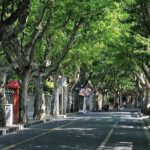
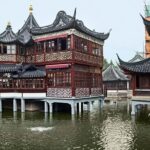
Boat rides in Zhujiajiao slow everything down. This day takes you from modern Shanghai into a water town feel that’s tied to centuries of life along the canals, with bridges, shops, and garden stops along the way. Zhujiajiao is built for wandering at an easy pace, and the boat ride helps you see it the way locals do.
I especially like two parts: the mix of Fangsheng Bridge scenery plus a real walking circuit through the ancient town. I also like that you can add a true hands-on dumpling experience, where you wrap and shape zongzi yourself instead of just buying a snack and moving on.
One consideration: this itinerary depends on good weather, and the guide may adjust the plan if locations become hard to access. It’s usually smooth, but you should plan to be flexible on the day.
In This Review
- Key highlights to know before you go
- Getting from Shanghai to Zhujiajiao without wasting your morning
- Ancient Town first: what to look for in the Zhujiajiao walking time
- Fangsheng Bridge boat ride: the 30-minute view that changes everything
- Zongzi stop at Zhujiajiao Glutinous Rice Dumpling King
- Hexinyuan Garden and the temple stop: quiet breaks from the food and water
- The hands-on dumpling meal: the add-on that makes the day feel personal
- Gardens, temples, and what the included tickets actually mean for you
- Markets and crafts along the canals: what to buy (and when to slow down)
- Price and value: what $158 buys you in a day trip
- Who this tour suits best (and who might want a different plan)
- Should you book this Zhujiajiao boat ride and dumpling experience?
Key highlights to know before you go
- Private tour feel with your own guide and group, so you’re not stuck waiting on strangers.
- A real 30-minute boat ride at Fangsheng Bridge, timed for a classic water-town view.
- Garden and temple access included, with options for which garden/temple you visit.
- Zongzi focus through the dumpling stop, followed by an optional dumpling-making session.
- Market + home-style learning: fresh ingredients at a traditional stall, then wrapping dumplings at a local home.
- Multiple transport options: metro tickets are optional, or you can add a car package with hotel pickup/drop-off.
Getting from Shanghai to Zhujiajiao without wasting your morning
Shanghai to Zhujiajiao is one of those simple logistics trips that can turn into a headache if you wing it. Here, you start from a clear meeting point: Hotel Park Hotel Shanghai, 170 Nanjing Xi Lu (南京西路), Huangpu District. The activity ends back at the same place.
You have two practical ways to get there. If you’re using the subway, the one-way trip from downtown Shanghai to Watertown Zhujiajiao is about 1.5 hours. If you prefer less hassle, you can choose the car package that includes free hotel pickup and drop-off.
Duration runs about 5 to 8 hours, which means it’s long enough to feel like a day trip, but short enough that you won’t lose your entire afternoon. If you’re visiting at peak times, it helps to know you’re going with a guide and a plan, not just following a map through canals.
You can also read our reviews of more tours and experiences in Shanghai.


Ancient Town first: what to look for in the Zhujiajiao walking time
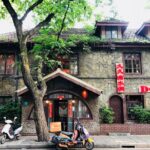
The day starts in Zhujiajiao Ancient Town with around 3 hours of time on foot. This is where the experience becomes more than a photo stop. You’re walking alongside the canal life that makes the town feel different from central Shanghai: water channels, bridges, and small storefronts right where you’d expect everyday errands.
This is also a good window to slow down. You’ll pass places tied to food, crafts, and gardens. The town’s water-heavy environment matters because it supports local crafts and trade that depend on freshwater—things like embroidery, pottery, wood carving, and jewelry using freshwater pearls.
A small piece of real-world advice: if you’re choosing the dumpling-making option later, don’t go into the day starving and also don’t overeat early. The plan itself suggests you avoid eating excessively before setting off—mainly because you’ll still be doing food steps later.
Fangsheng Bridge boat ride: the 30-minute view that changes everything
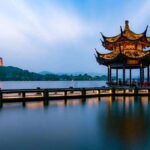
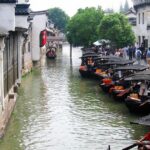
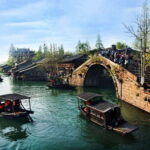
Next comes the centerpiece for many people: a cruise through the water-town scenery around Fangsheng Bridge. The time here is about 30 minutes, and that half hour is surprisingly effective. From the boat, the town reads differently. You notice how homes, shops, and garden edges line up with the water, and you see why the bridges feel like landmarks instead of just crossing points.
Even if you’ve seen canal towns before, this one works because of the pacing. You’re not rushed through the entire town from one viewpoint to the next. You’re given a moving perspective, with gentle scenery along the banks and bridge after bridge.
Practical tip: keep your camera ready but don’t block yourself. People tend to want to take shots in bursts, and a guide helps keep the flow calm.
Zongzi stop at Zhujiajiao Glutinous Rice Dumpling King
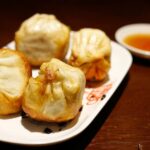
Food time is built right into the itinerary with Zhujiajiao Glutinous Rice Dumpling King, a stop that lasts about 1.5 hours. Here, the focus is zongzi—glutinous rice dumplings wrapped for flavor and tradition.
This isn’t just about eating. Zongzi is one of those foods where the local context matters: why it’s shaped a certain way, what filling styles you’ll see, and why the town’s food culture is tied to seasonal or everyday ingredients. The stop gives you time to sample regional tastes and understand what you’re actually tasting.
If you’re adding the hands-on meal later, this is also where you can figure out your preferred flavors before you get your hands working. Some fillings can be more suited to sweet profiles, others more savory. Use this step to learn what you like.
Hexinyuan Garden and the temple stop: quiet breaks from the food and water
After the dumpling focus, the plan adds two calmer stops: a garden and a temple.
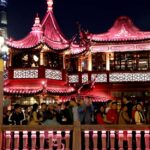
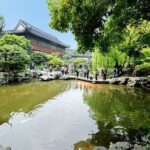
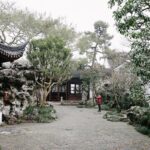
First, you’ll spend about 35 minutes at Hexinyuan (often translated as the Garden of Inseparable Hearts). Gardens in a water town aren’t just pretty. They’re a way of understanding the lifestyle of wealth and family tradition in the area—pavilions, ponds, rockeries, and foliage all arranged so you can slow down and read the space.
Then you’ll visit Zhujiajiao Chenghuangmiao Temple, about 25 minutes. This temple is dedicated to the local city god or deity believed to protect the residents and support community wellbeing. It’s represented through officials and heroes in the traditional story framework of a local protective deity.
Why these stops are worth your time: after you’ve spent much of the day with canals and food, the garden and temple give you context. They explain why water towns feel spiritual and social at the same time—not just commercial.
The hands-on dumpling meal: the add-on that makes the day feel personal
This is the part I’d prioritize if you like food experiences that go beyond eating.
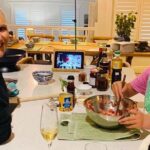
At the traditional market stop (about 1.5 hours), you’ll see fresh produce and ingredients, then you move into wrapping and shaping dumplings at a local home setting tied to Watertown Aunt’s home. In other words, it’s not just watching. You’re participating.
The hands-on option also includes local drinks, plus the overall “sips and bites” package includes one bottled water per person. The combination matters: you get a learning moment, then you get to enjoy what you made.
What you should know before you pick this option:
- You’ll be working with your hands, so bring a calm mindset. If you’re traveling with kids, it can be a fun activity, but anyone under 16 must have a parent or guardian with them.
- The day’s food steps are sequenced. The plan even suggests not eating excessively beforehand, because you’ll still be doing dumpling steps and sampling food flavors.
If you’re the type who likes travel photos, dumpling-making still wins. There are pictures you can take while you wrap. But the bigger win is the memory you carry home: the shapes you made, the flavors you tasted, and the small “how did they do this for generations?” feeling.
Gardens, temples, and what the included tickets actually mean for you
The tour includes entry tickets to a garden and a temple. The exact choices run based on your preference: Kezhi Garden or Hexin Garden and a Taoism Temple or Buddhism Temple (your choice).
That flexibility is practical. Shanghai travelers often have limited time and strong preferences, and this lets you tailor the spiritual stop without the day turning into a negotiation. Even if you’re not sure which tradition you’ll enjoy most, the guide can help you make the best call based on what you care about—peaceful garden pacing or temple symbolism.
Also note that while the day includes specific named stops (like Hexinyuan and Chenghuangmiao Temple), the ticketed choices are built into the package as options. This is the kind of inclusion that saves time and keeps your schedule from drifting.
Markets and crafts along the canals: what to buy (and when to slow down)
Zhujiajiao has a strong craft thread because it’s a water town where freshwater life supports local making. The day’s broader experience touches on that theme—especially where ingredients and handwork intersect.
The traditional stall portion is where you’ll get a glimpse of everyday sourcing. Then, the dumpling steps turn the idea into action. If you want to buy something, this is usually the most sensible time: you’re already in the market environment, and you’ve seen how the ingredients matter.
A smart approach is to shop slowly. People get caught in the rush of snapping photos and moving on. If you take your time here, you’ll feel how the town’s commerce and culture blend rather than feeling like a timed shopping stop.
Price and value: what $158 buys you in a day trip
At $158.00 per person, the biggest value question is simple: does it feel worth it compared to DIY?
Here’s what you’re paying for, in plain terms:
- A private tour guide service (not a mixed-group shuffle).
- A boat ride (included).
- Entry tickets for the garden/temple components.
- Sips and bites plus one bottled water per person.
- Optional add-ons: round-trip metro tickets, hotel pickup/drop-off via car package, and the hands-on dumpling meal with local drinks.
The private guide piece is the key for many people. This kind of day works best when someone helps you pace it and explains what you’re seeing—especially in a water town where the story of temples, gardens, and food traditions can feel abstract if you only read signage.
Also, this is booked with decent lead time on average—about 22 days in advance—so if you’re traveling during busy weeks, booking early usually gives you more choices in timing.
Bottom line: if you want the boat ride plus organized stops and don’t want to spend your day figuring out transport, this price looks fair. If you’re purely price-driven and love DIY walking without guidance, you can always do less. But you’ll lose the “eat, learn, and move on” flow that makes this day work.
Who this tour suits best (and who might want a different plan)
This fits best if you want:
- A half-day structure that covers the main water-town highlights without you planning every step.
- The feeling of a private group and a guide who can keep your timing smooth.
- Food as a core experience, not an afterthought.
It’s also a good fit if you like cultural stops mixed into the day: garden time and temple time, not just water views.
It might be less ideal if:
- You hate any schedule at all. This route is designed as a sequence of timed stops.
- You’re traveling when weather is unstable. The experience requires good weather, and the plan can shift for poor conditions or access issues.
- You want a full-day deep itinerary. This is built as a 5 to 8 hour day, not an all-day immersion.
Should you book this Zhujiajiao boat ride and dumpling experience?
If you’re visiting Shanghai and want one trip that gives you canals, bridges, classic town walking, and a food activity you can actually do with your hands, I’d say book it. The standout choice is the hands-on dumpling meal because it turns the day from sightseeing into participation.
Before you commit, do two quick checks:
- If dumpling-making is your goal, plan your eating so you’re not too full later.
- If your travel dates are tied to a questionable weather forecast, keep flexibility in mind since the guide may adjust the day.
For most visitors, this is the sweet spot between structured and authentic—especially if you like learning while you wander and tasting while you go.