REVIEW · BEIJING
Beijing: 2-day Small Group Great Wall Hiking Gubeikou&Jinshanling
Book on Viator →Operated by Great Wall Hiking · Bookable on Viator
The Great Wall, minus the herd. This two-day hike takes you along restored and more untouched stretches near Jinshanling and Gubeikou, with time on the Wall before most crowds show up. I like the small-group setup, and I like that you get an actual overnight in the nearby village instead of racing back and forth in a long day. One thing to keep in mind: this is real walking on uneven stone, and the path has no toilets.
What I like most is the rhythm: hike hours each day, return for dinner and breakfast, then go back out with your legs warmed up and your photos dialed in. I also like the practical tour design—transport, entrance tickets, bottled water support, and a local guide who helps you find your way when you’re working your legs.
Possible drawback: there’s limited English commentary, since the local farmer guide is mainly there to lead you, not lecture. If you want lots of deep history talk nonstop, you may need to ask specific questions in the moment.
In This Review
- Key things to know before you hike Jinshanling and Gubeikou
- Why Jinshanling and Gubeikou Beat the Big-Crowd Great Wall
- Day 1: Climbing to Simatai West and the East-Five-Eye watchtower
- Day 2: Wild, less-visited Gubeikou hiking toward Jinshanling
- Village overnight: what the farmer guesthouse feels like
- What’s included, what isn’t, and what you should pack
- Guides, group size, and how to get the best photos
- Price and value: is $268 a good deal for two days on the Wall?
- Should you book this Jinshanling and Gubeikou hike?
- FAQ
- What parts of the Great Wall does this tour focus on?
- How big is the group?
- What fitness level do I need?
- Is transportation included?
- Is the overnight stay included?
- What meals are included?
- Are entrance fees included?
- Are there toilets along the hiking path?
- What should I bring for the hike?
- What is the cancellation rule if the weather is bad or plans change?
Key things to know before you hike Jinshanling and Gubeikou
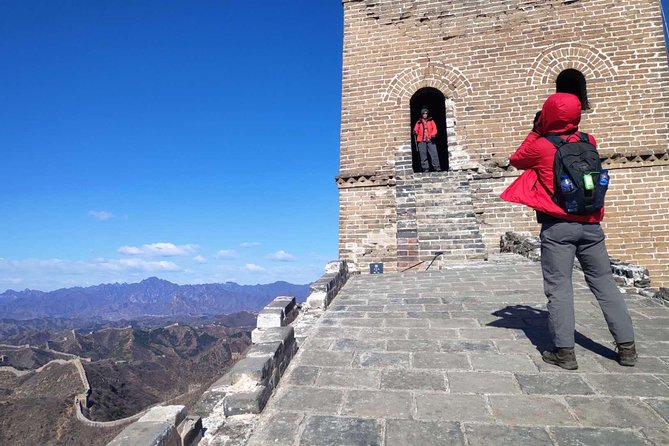
Small group cap of 10 means you can move at a human pace on the Wall.
Early access timing gives you calmer views and better photo windows before the biggest rush.
Restored plus wild sections let you see different “faces” of the Great Wall in just two days.
No toilet on the Wall path means you’ll need to prepare and carry toilet paper.
Farmer guesthouse overnight keeps the experience grounded and makes the second day easier than a day-trip grind.
Why Jinshanling and Gubeikou Beat the Big-Crowd Great Wall
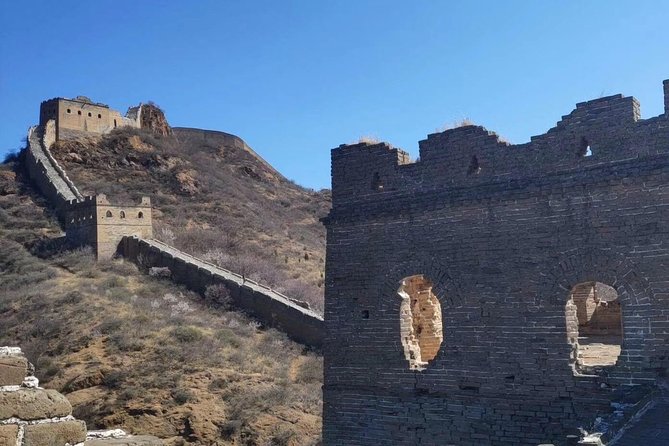
If you picture the Great Wall as a crowded line of people taking the same angle, this route offers a better deal on your time and energy. You’ll spend your hiking hours in areas known for a mix of brickwork, guard towers, and older, more original sections rather than only the busiest, most commercial segment. That variety matters, because the Wall isn’t one uniform wall. It changes with the terrain, the restoration level, and the way different stretches were built and maintained.
Another big win is how the schedule protects your mornings. You’re given time on the Wall before many other visitors arrive, so you can pause at watchtowers and stone details without constantly dodging elbows. For photos, that early window is everything—lighter sky, fewer people in the frame, and more space to walk to the good viewpoints.
This trip also respects your stamina. It’s not a sprint-and-vanish Great Wall checklist. You hike several hours each day, then you actually settle in for the night in the village at a local farmer’s guesthouse. That’s a comfortable way to turn “one Great Wall day” into a real two-day hiking experience.
The last practical advantage: logistics are handled. You get an air-con vehicle and an experienced driver, plus entrance fees and meals in the plan. That means less time negotiating rides and tickets, more time walking and looking closely at the Wall’s construction.
You can also read our reviews of more tours and experiences in Beijing.


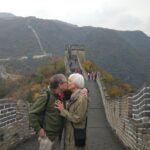
Day 1: Climbing to Simatai West and the East-Five-Eye watchtower
Day 1 centers on the Jinshanling area, with a start that gets you moving into the action early. You’ll begin with a climb that includes roughly a 40-minute steps hike to reach the East-Five-Eye watchtower at the Simatai West/Jinshanling East area. That first stretch is often where you decide your pace: go steady, take short breaks, and save the legs for the longer Wall time after the climb.
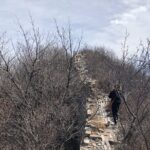
Once you’re on the Wall, you’ll get a close-up view of the features that make this monument so recognizable: guard towers, decorative stone details, and the way brickwork shifts as the trail bends across the ridgeline. The experience is designed for walking from point A to point B on the Wall each day, so you’re not just climbing up and turning around.
This route also gives you enough time to slow down. You’re not rushed through the good sections. You get time for photo stops and for simply looking—at the texture of the stones, the alignment of towers, and the feeling of height as the Wall narrows and drops with the terrain.
A small note that helps you prepare: you’ll want a day pack with the basics for your hike (water you’ll access during breaks, snacks, and your personal essentials). Your heavier belongings ride with the vehicle to the accommodation, so you’re not carrying everything on your back for hours.
Day 2: Wild, less-visited Gubeikou hiking toward Jinshanling
Day 2 starts after breakfast, with a planned 08:30 departure from Coaling Dragon Hill (Panlongshan) at Gubeikou. The focus here is a more “wild” and less crowded vibe. The route is described as original and less visited, and that tracks with how people usually feel once they’re away from the most famous access points.
This day is built as steady walking for about five hours. You’ll hike along sections that mix restored and untouched segments, and you’ll keep moving along the Wall instead of doing a short out-and-back. The payoff comes from the combination of effort and scenery. When you’ve been walking for a while, the best views are the ones you reach after the climb—not the ones right by the entrance.
You’ll also be in the sweet spot for photos again. The plan is built around being on the Wall earlier, so you can enjoy the architecture and stone work with fewer interruptions. If you’re picky about getting the right tower angle in a clean frame, this kind of timing is worth more than adding another “touristy” lookout.
One important reality check: this path is outdoors for long stretches. The tour notes there are no toilets along the Wall path, with toilets at the entrances of Gubeikou and Jinshanling. You’ll want to plan your bathroom breaks around entrances and always carry toilet paper.
Village overnight: what the farmer guesthouse feels like
This trip isn’t just about hiking. The overnight stay in the village at a local farmer’s guesthouse is part of what makes the experience satisfying. Instead of sleeping in a city hotel and commuting out for one short Wall window, you settle near the action and wake up closer to the hiking.
Your accommodation is twin-shared, which keeps costs down and fits the small-group feel. You’ll also have included meals: dinner and breakfast are provided, with two lunches during your hiking days and bottled water on your walks.
What I like about a farm-guesthouse setup for a Great Wall hike is that it makes the experience feel less like a theme park. You’re not just buying time on a monument; you’re living the rhythm of a rural day with early departures and slower evenings.
It’s also practical for Day 2. Hiking for hours on Day 1 leaves you tired. Staying close means you’re not fighting long travel after a hard day on uneven stone.
What’s included, what isn’t, and what you should pack
This tour is structured to remove the most annoying parts of a Great Wall trip: you get transportation, entrance tickets, meals, and a guide. Included items also cover bottled water on hiking days, and you receive a certificate of completion for your Great Wall hike.
Included:
- Air-con vehicle with experienced driver
- Dinner, breakfast, and meals listed in the plan (1 breakfast, 2 lunches, 1 dinner)
- One night twin-shared guesthouse accommodation near the Wall
- Bottled water during the hikes
- Limited English-speaking local farmer guide (mainly for leading the way)
- Entrance fees included
Not included:
- Travel insurance
- Personal expenses
Your packing list should be boring and correct. Bring comfortable shoes or boots, sunscreen, sunglasses, and a cap. The tour also suggests a first aid kit, lip balm, and a day pack for water/snacks. If you need trekking poles, the tour notes they bring them in the vehicle—just tell your guide you’d like to use them.
And please plan for the toilet situation. The path itself has no toilets, and the tour also specifically advises carrying toilet paper. That’s one of those details that sounds minor until you’re halfway through the morning.

Guides, group size, and how to get the best photos
With a maximum group size of 10 travelers, you get a more human experience on the Wall. You don’t have a constant crowd pressing behind you, and it’s easier to stop for photos without losing the whole group. That matters because Great Wall walking is slower than flat hiking. People adjust pace as they go, and smaller groups help everyone stay synced.
The guide experience is practical. The local farmer guide is limited English-speaking and mainly helps you find the route. Still, the experience is not silent. In this kind of group hiking setting, you usually get explanations in the moments that matter—where you’re standing, what structure you’re passing, and what to look at in the stonework.
It’s also a nice touch that the tour emphasizes a responsible hiking mindset: take nothing but photos, leave nothing but footprint. That isn’t just a slogan. When you’re walking sections that feel more original, it’s easier to respect the place and keep the experience light on impact.
For your photos, think timing plus effort. The early mornings help you avoid crowds, but the best frames still come when you reach the watchtower areas after steady walking. Give yourself breaks. Don’t burn out climbing, and you’ll get more than one good shot per day instead of chasing only the first viewpoint.
Price and value: is $268 a good deal for two days on the Wall?
At $268 per person, this isn’t the cheapest way to see the Great Wall. But it’s also not the kind of tour where you pay extra for nothing. You’re paying for a full two-day experience that includes:
- Multiple hours of guided hiking across meaningful stretches
- Round-trip ground logistics via air-con vehicle
- Entrance tickets
- A village overnight at a guesthouse
- Meals (breakfast, two lunches, dinner)
- Bottled water during hiking
- Basic personal-use support like trekking poles (if you need them)
If you tried to DIY this, you’d likely spend time and money solving separate problems: getting transport, booking the right entrance tickets, arranging a reliable guide, and finding a village place that works for a second hiking morning. Here, those moving parts are packaged together, which can be worth a lot if you prefer to spend your limited trip time walking and photographing instead of coordinating.
For value, also consider who this is for. If you’re comfortable with moderate fitness and want a true hiking version of the Great Wall, the price starts to make sense fast. If you want a mostly flat, fully paved stroll with frequent restroom access, you may find better options elsewhere—because this one is built for walkers.
Should you book this Jinshanling and Gubeikou hike?
Book it if you want two real days on the Great Wall with early timing, a smaller group, and a village overnight that turns the trip into something more than a quick photo stop.
Skip it (or be cautious) if your priorities are mostly comfort and conveniences like toilets every few minutes. The hike days are long, the Wall path has no toilets, and you’ll need to carry essentials and manage your pace on stone steps.
Before you go, check your own fitness honestly. The tour calls for moderate physical fitness, and you should plan for climbs and uneven sections. If you’re the type who loves quiet viewpoints, guard towers, and getting up close to brickwork details, this is a strong fit.
If you want one Great Wall memory that feels like hiking—not sightseeing-by-bus—this is exactly the kind of trip that delivers.
FAQ
What parts of the Great Wall does this tour focus on?
This two-day hike focuses on sections near Jinshanling and Gubeikou, including an area near Simatai West/Jinshanling East and a route starting from Coaling Dragon Hill (Panlongshan) at Gubeikou.
How big is the group?
The tour has a maximum of 10 travelers.
What fitness level do I need?
The tour recommends moderate physical fitness, since you’ll hike for several hours each day on the Great Wall.
Is transportation included?
Yes. You’ll travel by air-con vehicle with an experienced driver.
Is the overnight stay included?
Yes. You stay one night in a local farmer’s guesthouse in a twin-shared room near the Great Wall.
What meals are included?
Meals included are 1 breakfast, 2 lunches, and 1 dinner.
Are entrance fees included?
Yes. Admission tickets/entrance fees are included as part of the tour.
Are there toilets along the hiking path?
There are no toilets along the Wall path. Toilets are available at the entrances of Gubeikou and Jinshanling, and you should carry toilet paper.
What should I bring for the hike?
Bring comfortable shoes or boots, sunscreen, sunglasses, and a cap. The tour also recommends a first aid kit and lip balm, and you should carry a day pack for water, snacks, and personal items.
What is the cancellation rule if the weather is bad or plans change?
You can cancel for a full refund up to 24 hours before the experience start time. The tour also notes it requires good weather, and if it’s canceled due to poor weather, you’ll be offered a different date or a full refund.