REVIEW · BEIJING
Beijing: Temple of Heaven Park Ticket with guide(optional)
Book on GetYourGuide →Operated by Chinatravelhelper · Bookable on GetYourGuide
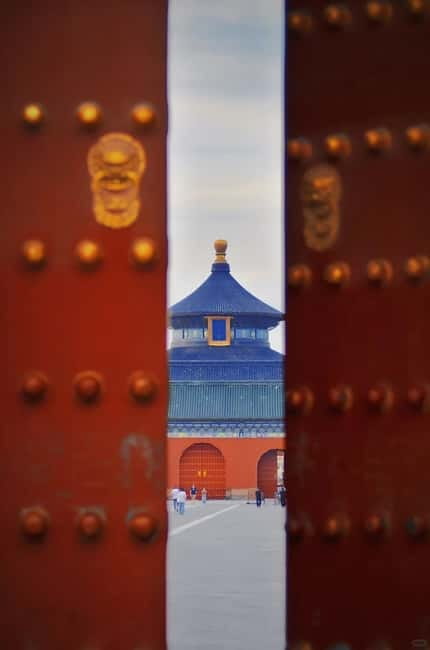
Beijing’s Temple of Heaven is classic Beijing magic. I like that you get the Hall of Prayer for Good Harvests in full view and that the park feels calm, shaded, and beautifully old with those famous ancient cypress trees. You also walk through the heart of the idea of a round heaven and square earth, which makes the architecture click fast even if you do not speak Chinese.
One watch-out: the ticket situation can be confusing. The QR code you receive is not the actual ticket, and if you do not get the right version for your time slot you may end up paying an extra fee for some areas inside the grounds.
In This Review
- Key Highlights You’ll Actually Care About
- Getting There and Getting In Without Ticket Headaches
- Hall of Prayer for Good Harvests: The Main Photo Spot, Explained
- A Route of Altars: From Spring Prayer to Winter Solstice
- Palace of Abstinence and the Divine Music Office: The Pre-Ritual World
- Timing and Ticket Types: When You Get More Than the Basic Entry
- Optional English Guide: What You Gain in a Small Group
- Price and Value: Is $39 Fair for Temple of Heaven Park?
- How Long You’ll Be There (and Why It Matters)
- Practical Tips for a Calm Day in the Park
- Should You Book This Temple of Heaven Park Tour?
- FAQ
- What do I need to bring for entry?
- Is the QR code the real ticket?
- What should I know about ticket inclusion and extra fees?
- What are the main places in the park I’ll visit?
- How do I get there by metro?
- How long is the tour?
Key Highlights You’ll Actually Care About
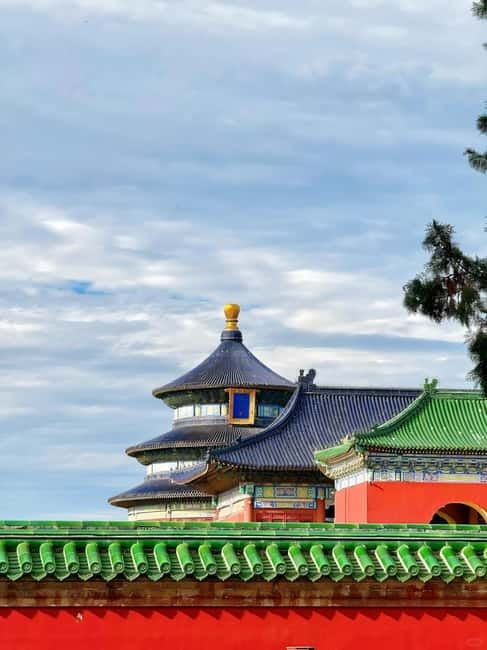
- Hall of Prayer for Good Harvests: the iconic main structure tied to imperial prayer for good harvests
- Serene Temple of Heaven Park: ancient cypress trees and a quieter pace than you might expect
- Heaven-and-earth symbolism: circular vs square layout explained through the route
- Spring and winter ceremony points: Altar of Prayer for Good Harvests plus the Circular Mound Altar
- Palace of Abstinence + Divine Music Office: you see what was happening before the big rituals
- Small group size (up to 10): easier questions, less wandering, more sense-making
Getting There and Getting In Without Ticket Headaches
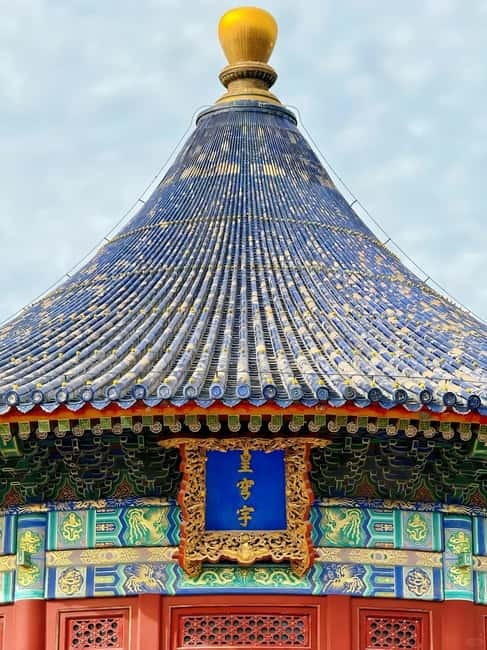
The experience starts before you even step through the gates. Plan your metro route using the nearby station options: get off at Temple of Heaven East Gate (Line 5), or use TianQiao (Line 8) and walk or connect on foot from there.
Next is the one item that can trip you up: the QR code from GetYourGuide is not your real entry ticket. You need to check your email or WhatsApp message for the actual ticket details, and your name and passport number are essential. I’d also make sure you know which gate you should enter, because knowing the right entry point can save time when crowds or local timing changes.
If you want the smoothest start, bring your passport and plan to arrive with buffer time. You are also asked not to bring alcohol or drugs, and fireworks are not allowed.
You can also read our reviews of more tours and experiences in Beijing.


Hall of Prayer for Good Harvests: The Main Photo Spot, Explained
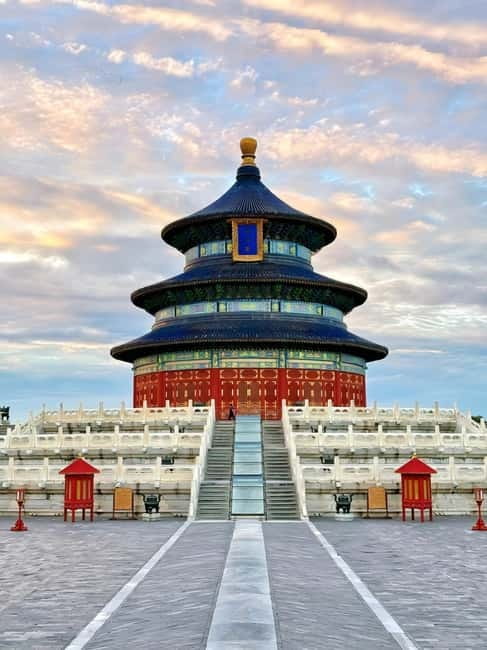
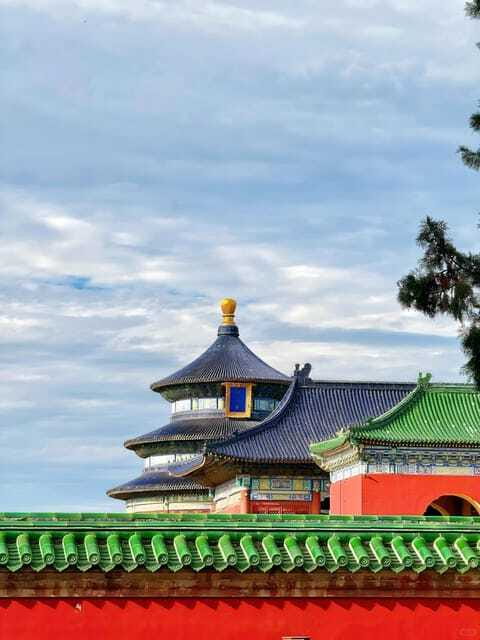
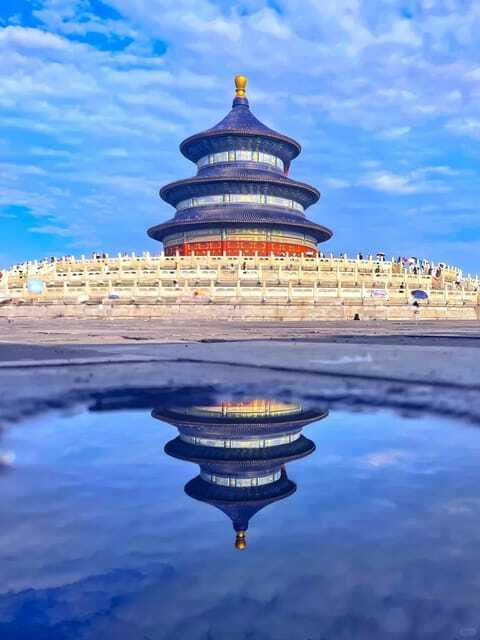
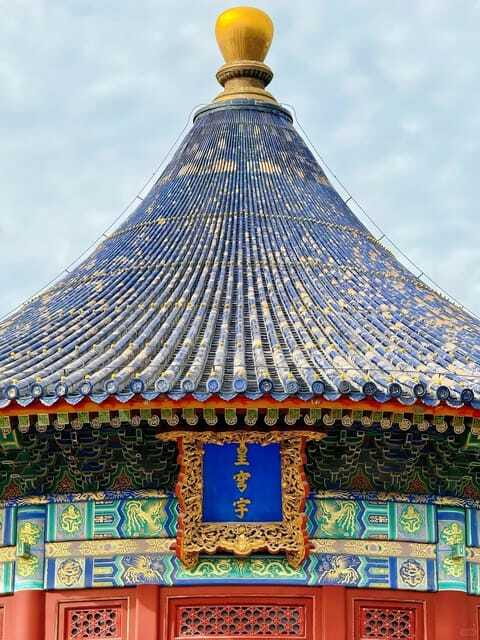
This is the building people recognize instantly, and for good reason. The Hall of Prayer for Good Harvests sits at the center of the imperial ceremony story, where emperors held rites to pray for good harvests. Even if you only know a few basics, you’ll feel the structure is designed to communicate order and meaning, not just impress.
What I like about it is that you can read it visually as you move around. You’ll see why this place is treated as a symbol of how ancient China connected the heavens to farming, seasons, and the idea of cosmic balance. The whole park layout follows that thinking: the northern part is circular and the southern part is square, tied to the belief in a round heaven and square earth.
A small practical note: the best experience comes when you treat the Hall of Prayer as a stop within a route, not a single end point. The guide (if you choose it) helps you connect what you’re seeing now to what you’ll see next—so it does not feel like random “temple sightseeing.”
A Route of Altars: From Spring Prayer to Winter Solstice
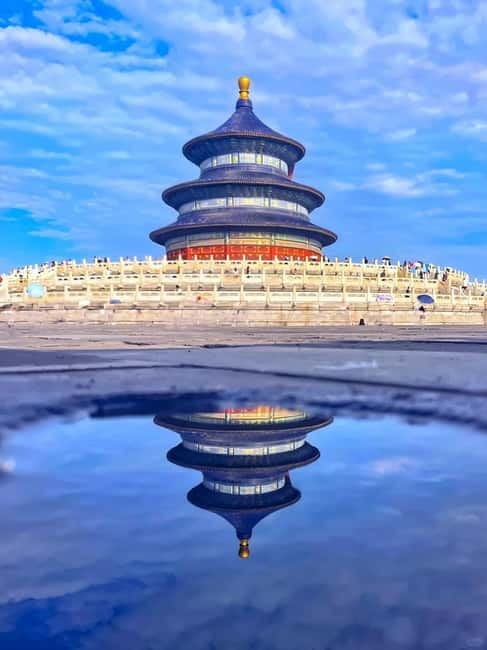
Temple of Heaven Park works because it is organized like a route through ceremony zones. The main “check-in” stops you’ll want to hit include the Altar of Prayer for Good Harvests (for spring prayers) and the Circular Mound Altar (for worship on the Winter Solstice).
Here’s the value: these are not just decorative points on a map. They represent how emperors framed the year through specific rituals tied to seasons. When you connect “spring prayers” with one altar and “Winter Solstice” with another, the park’s geometry stops being abstract. It turns into a calendar made of stone and pathways.
One thing to plan for is timing. The park and the attractions have set daily windows, and your ticket type can affect whether you can enter certain parts. I’ll lay out the schedule clearly below so you do not accidentally lose access.
Palace of Abstinence and the Divine Music Office: The Pre-Ritual World
Most visitors focus on the big buildings, but the ceremony story really starts earlier than you think. Two stops that help you understand that are the Palace of Abstinence and the Divine Music Office.
The Palace of Abstinence matters because it’s where the emperor stayed before ceremonies. That detail changes how you interpret the space. You’re not just touring a monument; you’re seeing the “preparation phase” of an imperial event—ritual mindset first, then the main rites.
The Divine Music Office adds another layer. This is where ceremonial music and rituals were rehearsed. Even if you do not hear anything in the moment, you can still grasp the logic: big religious-political events required practice, coordination, and sound. It’s a useful reminder that ceremonies were systems, not just one dramatic moment.
If you’re traveling with kids or you like “how things worked” stories, these two stops are often the most satisfying. They turn the Temple of Heaven from architecture into a functioning world.
Timing and Ticket Types: When You Get More Than the Basic Entry
This is the part you should treat like homework, because it affects value. The park’s access times vary by dates, and attractions inside the park have their own windows.
From 11.01–3.31 (second year):
- Park hours: 6:30–21:00
- Attractions in the park: 8:00–16:30
From 4.01–10.31:
- Park hours: 6:00–21:00
- Attractions in the park: 8:00–17:30
Now the crucial detail: if your booking is bought before 16:30, you may receive combined tickets (except Monday) that include entry of attractions in the park. Other time slots are more likely to be basic tickets.
Why that matters for your budget: your tour price is positioned as $39 per person, and the value depends on what that entry actually unlocks for your time slot. Reviews include cases where people had to buy tickets on-site or pay extra due to what was included, which usually comes down to not having the correct ticket type for that day and time.
So my practical advice is simple: before you go, confirm the entry scope for your time slot. It is the difference between a smooth “walk the full route” day and a “stop, pay again, reset your plan” day.



Optional English Guide: What You Gain in a Small Group
This experience is offered as a small group, limited to 10 participants, and it can include a live English guide (the guide is described as live and English, with the tour taking about 3 hours for the guided portion). Even if you choose to go without a guide, you’ll still cover the main areas, but you may miss the connections that make the route feel coherent.
If you do choose the guide, what you’ll likely appreciate most is explanation of the symbolism behind what you see. The park is built around ceremony logic—heaven vs earth, seasons, and preparation for rites. Without context, it can read like “nice old buildings.” With context, you start to recognize why each stop belongs.
The small group also helps with pacing. You can ask quick questions rather than shouting over a bigger crowd, and you’re less likely to end up separated while you hunt for the right gate or entrance point.
Price and Value: Is $39 Fair for Temple of Heaven Park?
$39 per person can be a very fair price, or a disappointing one, depending on what your ticket includes. The included items are Temple of Heaven Park tickets plus an information service fee. Food is not included, and you should expect you’ll spend most of your time walking between key stops.
Here’s how I judge the value:
- If your ticket includes the entry of the attractions in the park (not just basic park entry), then you’re paying for convenience, saved time, and a guided sense-making route.
- If your ticket ends up being more limited for your time slot, you might pay extra at the gate or lose access to the parts you came for.
That matches what can happen in real life. One booking issue included not receiving the tickets ahead of time, forcing an on-site purchase. Another situation involved paying an extra fee because the area people expected wasn’t included. Those are exactly the kinds of misses that turn a “good deal” into “why did I pay twice?”
So, for value, do two things: confirm your ticket details inside the messages you receive, and align your booking time with the schedule window that includes attractions (when possible).
How Long You’ll Be There (and Why It Matters)
The duration is listed as 3 to 8 hours, and the guided tour portion is about 3 hours. That wide range likely reflects how much time you spend at each stop, whether you keep moving through the route quickly, and how much time you take for breaks and photos.
If you’re the type who likes to see everything in one go, you’ll probably lean toward the longer end. If you prefer a focused route—main Hall first, then the altars and the ceremony buildings—you can keep it closer to the guided time and still get a solid day.
The main reason duration matters: attractions have tighter opening windows than the park itself. If you arrive late, you might still have access to the grounds but not the specific attraction entries you wanted.
Practical Tips for a Calm Day in the Park
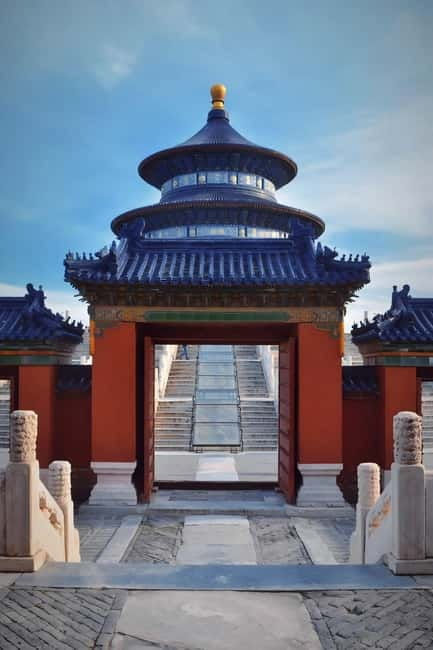
Temple of Heaven Park has a reputation for being peaceful compared with some other big Beijing sights, and that’s part of its appeal. The ancient cypress trees and the wide ceremonial paths help the day feel less like a sprint.
A few practical pointers based on what this kind of visit requires:
- Bring your passport (your name and passport number matter for entry).
- Make sure you have the correct ticket message details, not just the QR code.
- Plan your entry timing so you’re inside the attraction windows, not only the general park hours.
- Expect you’ll be moving between multiple ceremonial areas, since the experience is structured around several stops (Hall of Prayer, altars, palace, and the music office).
Also keep your expectations grounded: you are there for the route and the symbolism as much as for the single big building. When you treat it like that, the whole park becomes easier to understand.
Should You Book This Temple of Heaven Park Tour?
Book it if you want a structured, English-friendly way to understand what you’re seeing at Temple of Heaven Park. With a small group and a guide option, you’ll likely get more meaning from the route—especially around the spring prayer and winter solstice altar points, plus the pre-ceremony context at the palace and music office.
Skip or reconsider if you’re the kind of traveler who already has your ticketing nailed and you prefer to manage everything independently. Also be cautious if you tend to book close to the attraction cutoff times, because what’s included can change based on your time slot and day of the week.
If you do book, take five minutes before you leave: verify your actual ticket details are in your email or WhatsApp message, double-check your passport name/number match, and plan your metro to arrive early enough for the attraction windows.
FAQ
What do I need to bring for entry?
You should bring your passport. Your name and passport number are essential for the ticketing details tied to entry.
Is the QR code the real ticket?
No. The QR code from GetYourGuide is not the actual ticket. Check your email or WhatsApp for the real ticket details.
What should I know about ticket inclusion and extra fees?
Depending on your booking time, you may get combined tickets that include entry of attractions in the park (except Monday) if purchased before 16:30. Other time slots are more likely to be basic tickets, and you may need extra payment if you want specific attraction areas.
What are the main places in the park I’ll visit?
The experience highlights include the Hall of Prayer for Good Harvests, plus key ceremony-related stops such as the Altar of Prayer for Good Harvests, Circular Mound Altar, Palace of Abstinence, and the Divine Music Office.
How do I get there by metro?
You can use Line 5 and get off at Temple of Heaven East Gate, or use Line 8 and get off at TianQiao.
How long is the tour?
The total duration is listed as 3 to 8 hours, with the guided tour portion set at about 3 hours. The exact start time depends on availability.