REVIEW · BEIJING
Beijing: China National Film Museum Entry Reservation
Book on GetYourGuide →Operated by PANDA HAPPY JOURNEY IN CHINA · Bookable on GetYourGuide
Film and dinosaurs in one stop?
The China National Film Museum is a big, public place built for film lovers, with enough exhibition space to make a quick visit feel like a real outing. I like that you get a clear view of how Chinese cinema evolved over time, and I also like that the museum experience comes with an English textual and visual guide so you’re not stuck guessing what you’re looking at.
The museum is laid out with 21 exhibition halls and 6 movie halls (including an IMAX GT hall), so you can choose how story-heavy or screen-heavy you want your 2 hours to be. One drawback to plan around: a lot of the on-site information appears to be in Mandarin, so if you want every label explained without reading at all, this may feel frustrating.
In This Review
- Key Things You’ll Notice Right Away
- Why This Museum Feels More Like a Film-Lab Than a Typical Attraction
- Museum Layout: How to Use 2 Hours Without Feeling Rushed
- A simple way to decide your priorities
- Floor by Floor: What Each Major Area Gives You
- The First Floor Theme Exhibition: A New Journey of Struggle
- The Big Timeline Exhibition: A Century of History, A Century of Glory
- Movie Halls and IMAX GT: When You Want the Screen Part
- Entry Without Headaches: Using Your QR Code Correctly
- English Guide vs. Mandarin Labels: The Real “Tourist Friendliness” Question
- My practical advice
- The Dinosaur Surprise: Why That Entrance Makes People Smile
- Staff, Flow, and How to Avoid Feeling Lost
- Price and Value: What You’re Really Paying For
- Who Should Book This and Who Might Skip It
- You should book it if you want…
- You might skip or adjust expectations if…
- Quick Practical Checklist for Your Visit
- Should You Book This Reservation?
- FAQ
- How do I enter the China National Film Museum with my reservation?
- Is the QR code in the GetYourGuide app the same as the admission ticket?
- What’s the duration of this experience?
- What do I get with my ticket?
- Are movie screenings included?
- Do I need to bring anything?
- Is smoking allowed inside?
- Can I cancel if my plans change?
Key Things You’ll Notice Right Away
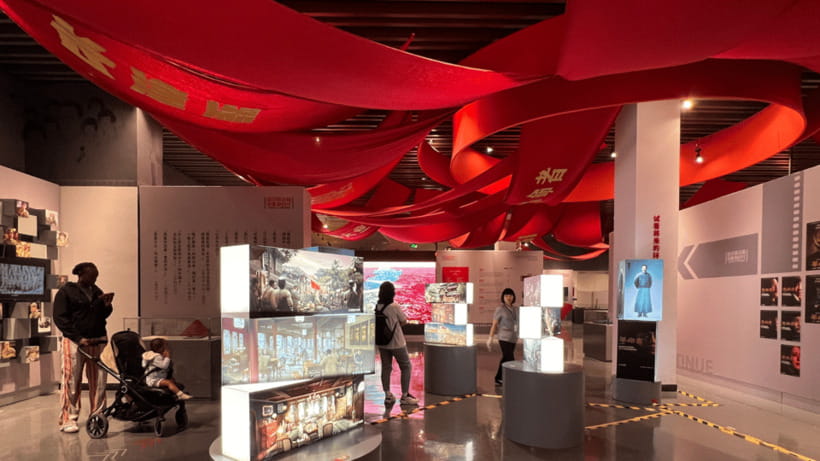
- A museum built specifically for film history, not just posters and props
- 21 exhibition halls + 6 movie halls, so the visit has real range
- Floors with a clear timeline, including the century-focused exhibition on multiple levels
- Dinosaur-themed areas near the entrance that break up the seriousness in a fun way
- English guide included, but expect on-site signage to lean Chinese
- IMAX GT hall on-site, with paid screenings you can add if you want
Why This Museum Feels More Like a Film-Lab Than a Typical Attraction
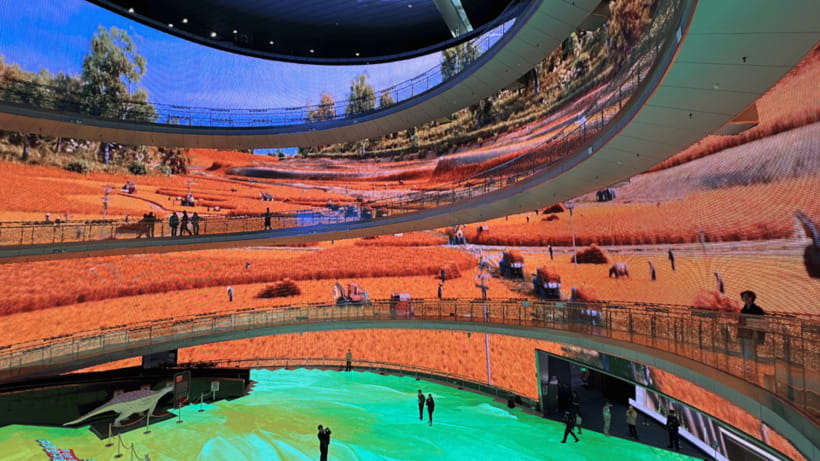
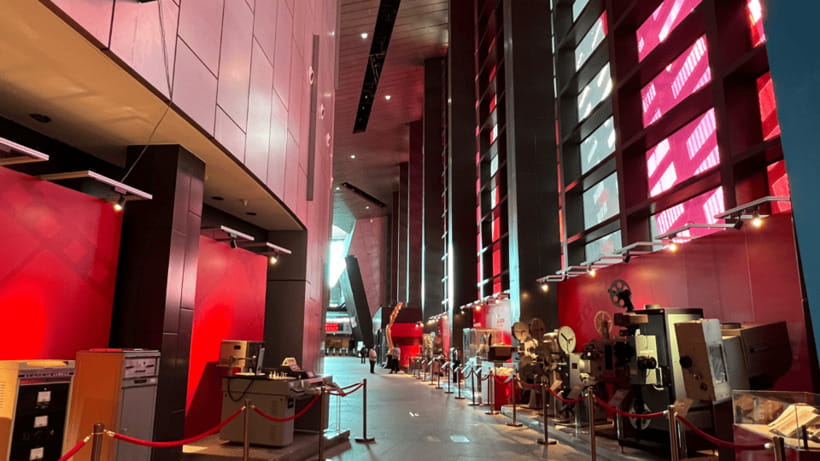
If you’re the type who watches movies and then wonders how the magic gets made, this museum is built for that exact curiosity. The way it’s organized makes film history feel practical: you see the development of films across different periods and stages, and the exhibits aim to explain what makes cinema work as an art form and an industry.
The best part is that the museum isn’t just one long hallway of images. It has real exhibition zones across the building, plus multiple movie halls. That matters because film history can get abstract fast. Here, you can keep it moving—read, watch, and then connect the dots between what you just saw on a screen and what you’re learning about behind the scenes.
You can also read our reviews of more tours and experiences in Beijing.


Museum Layout: How to Use 2 Hours Without Feeling Rushed
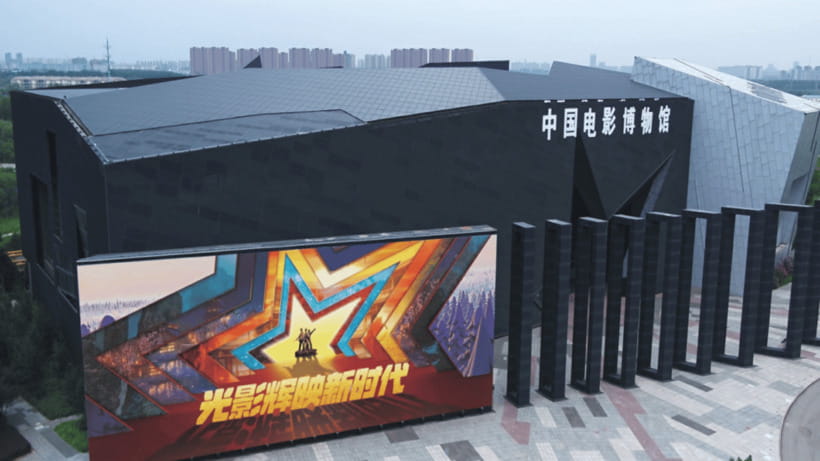
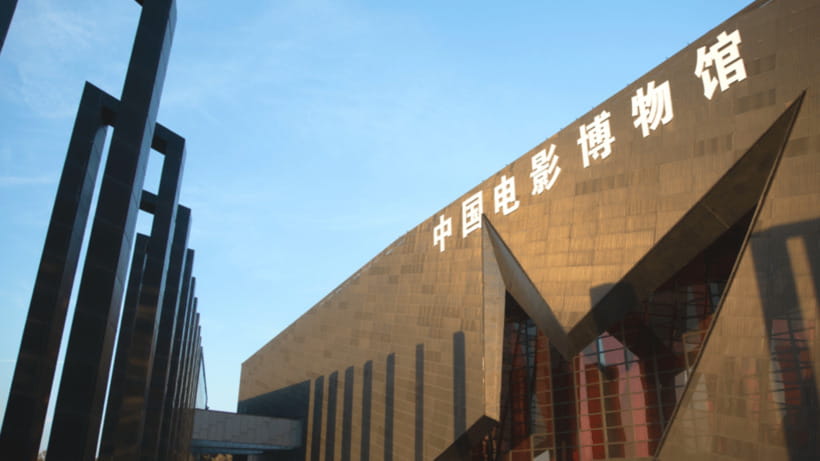
You’ll likely need a plan here, because the museum is large enough that wandering without direction can eat your time. The building covers nearly 38,000 square meters, and the museum grounds cover 8.7 acres. That sounds huge (because it is), but the exhibition setup gives you anchors.
Here’s the structure that helps you build an easy 2-hour route:
- First floor: you’ll find the theme exhibition called A New Journey of Struggle.
I’d treat this as your “orientation” stop—an entry point that sets context before you go into the deeper timeline.
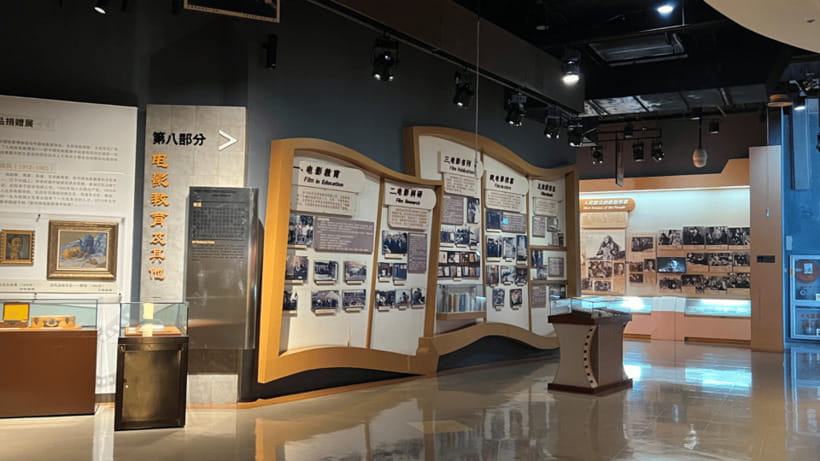
- Second, third, and fourth floors: these levels focus on A Century of History, A Century of Glory.
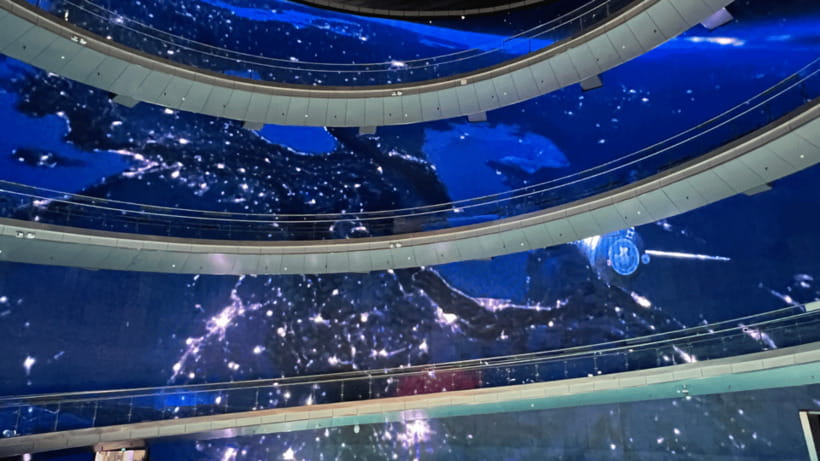
This is where the museum connects the dots: how Chinese films developed across eras, plus major artistic achievements by film-makers, and even the “secrets” of filmmaking.
- Movie halls (6 total, including IMAX GT):
If you want your visit to end with impact, save at least one movie hall slot for later in your time window. Just know paid screenings are not included, so choose based on what you’re willing to add to your budget.
A simple way to decide your priorities
If you’re short on time (or you’re traveling with anyone who gets tired of reading), aim for:
1) first floor theme stop
2) one main timeline loop across the upper floors
3) one movie hall moment if the schedule and ticket price work for you
If you’re traveling with film nerds (or you are one), you can flip that and spend more time in the century timeline before you commit to a screening.
Floor by Floor: What Each Major Area Gives You
The First Floor Theme Exhibition: A New Journey of Struggle
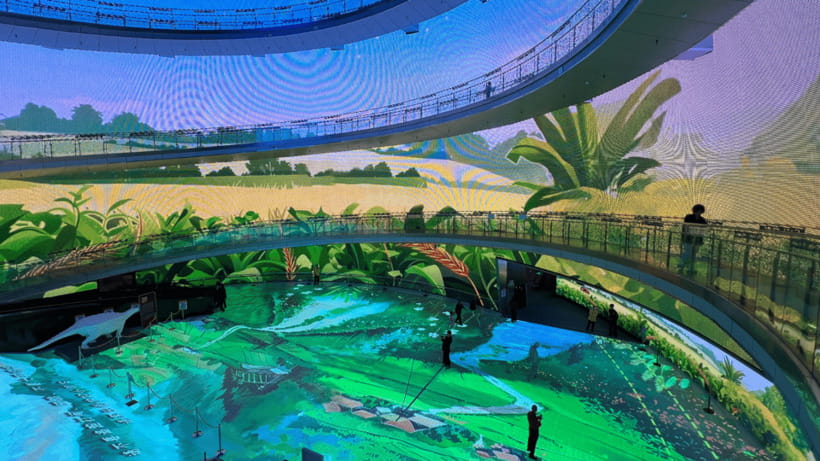
I like the first-floor exhibition because it helps you land on the museum’s point quickly. Instead of starting at the far end of film history, you begin with a theme that feels like a starting line. For many visitors, that makes the later “century” exhibition easier to understand because you’ve already got the idea of where things are headed.
This is also a good place to move slowly. Even if your Mandarin reading isn’t strong, the visual side of film culture usually carries the message: timelines, era themes, and how the museum frames big shifts in filmmaking.





The Big Timeline Exhibition: A Century of History, A Century of Glory
This is the heavy hitter. On the second, third, and fourth floors, you’ll see exhibits covering:
- how films developed in different periods and stages
- significant artistic achievements from major film-makers
- explanations tied to film-making process
The value here is that the museum doesn’t treat film history as a list of releases. It tries to show cinema as a creative system that changes with time—technology, style, and the culture around it.
And here’s a practical tip: if you’re trying to see as much as possible in 2 hours, don’t read everything. Choose sections that match your interests—modern film style if you care about what’s current, or earlier eras if you’re curious about how the industry formed. The museum layout makes it easier to do selective reading than it would in a smaller exhibit.
Movie Halls and IMAX GT: When You Want the Screen Part
The museum has six movie halls, including an IMAX GT hall that can seat over 1,000 people. That gives you options beyond the static exhibits. If you watch a film clip or screening inside the museum, it helps you connect the museum’s themes to actual moving images.
Just keep your expectations aligned with the ticket type you’re booking. Movie screenings are not included in the entry reservation. So treat this like a choose-your-own-adventure moment:
- Want the storytelling through exhibits only? Skip paid screenings.
- Want to make it more cinematic? Add a screening if the time and price fit your plan.
Entry Without Headaches: Using Your QR Code Correctly
One of the most helpful parts of this booking is simple: you can skip the ticket line and enter using the QR code you’re sent. After you order, you’ll receive an e-ticket by email or WhatsApp, and you should use the QR code provided separately for admission.
Important detail that can save you real time: the QR code you see in the GetYourGuide app is not the entry ticket. You need the QR code they send separately for museum admission.
If you hate standing in lines (same), this is the kind of convenience that justifies choosing a reservation. Your 2 hours starts when you walk in, not when you reach the front of a line.
English Guide vs. Mandarin Labels: The Real “Tourist Friendliness” Question
Here’s the honest balance: the experience includes an English version of the textual and visual guide, which is a big plus. That means you’re not completely stranded if you don’t read Mandarin.
But based on feedback, on-site descriptions can be Mandarin-only, and that can limit how much you’ll personally absorb if you want full explanations everywhere. If you’re the type who reads everything at museums, you may spend more time than expected trying to translate. If you’re okay with sampling highlights and using the English guide to connect the main points, you’ll still get a lot out of it.
My practical advice
- Bring patience if you want to read every label.
- Or focus on the layout and visuals, and treat the English guide as your “main story.”
- If you’re traveling with kids or friends who move fast, prioritize exhibits that have clear visuals and then top off with a movie hall moment if you can.
The Dinosaur Surprise: Why That Entrance Makes People Smile
One review point stood out because it adds personality: the entrance to exhibition areas with dinosaurs. That detail matters more than you might think. In a museum dedicated to film history, a dinosaur-themed area can provide a quick reset—something fun and unexpected before you settle into serious timelines and filmmaking techniques.
It also makes the museum feel less like a straight lecture. If you’re going with family, that kind of moment can help kids stay engaged long enough to enjoy the film-related exhibits afterward.
Staff, Flow, and How to Avoid Feeling Lost
I appreciate when a museum feels supported, and the staff here is described as friendly and helpful. When you’re dealing with a large building and language barriers, that matters. If you’re unsure where to go next, a quick question can save you from wasting time.
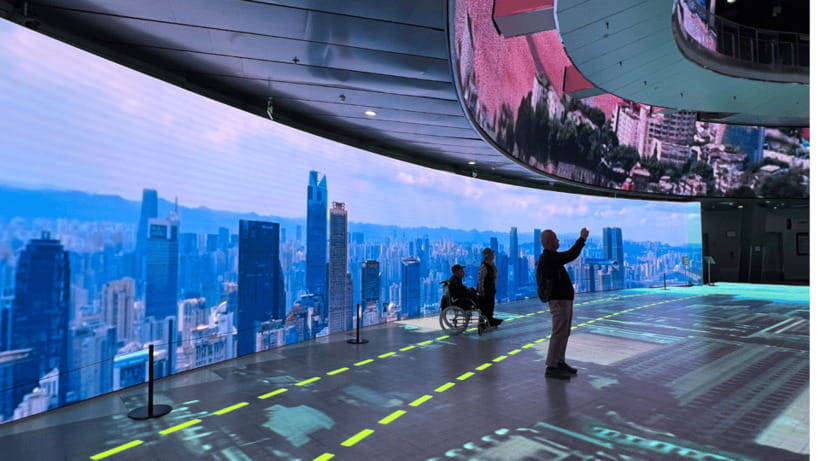
For flow, the building’s multi-floor timeline is an asset. You can follow a logical route without needing a live guide. You’ll basically do:
- theme introduction first
- timeline exhibition on upper levels
- optional movie hall viewing
That’s the kind of self-guided structure that works well for couples, solo travelers, and families who prefer independence.
Price and Value: What You’re Really Paying For
At $4.82 per person for about 2 hours, the value is hard to ignore. You’re not paying extra for a live guide, and you’re not locked into a fixed script—your time can be your pace.
Here’s where the value gets real:
- You get entry reservation to a major museum site
- You receive an English textual and visual guide
- You can explore 21 exhibition halls and reach 6 movie halls (even if you choose not to buy screenings)
The only cost you might add is movie screenings. So your total “museum day” budget depends on whether you want the IMAX experience or another paid show inside the halls. If you want the cinema part but don’t need IMAX, you might keep costs low by focusing on exhibits.
Who Should Book This and Who Might Skip It
You should book it if you want…
- A film-history stop that’s more organized than a random “things to see” museum
- A clear timeline concept across multiple floors
- A self-guided visit that can still include an English guide
- A low-cost activity that can fit into a larger Beijing plan
You might skip or adjust expectations if…
- You only want English explanations everywhere
- You dislike reading labels and prefer full guided interpretation
- You’re expecting the paid movie screenings to be automatically included
Quick Practical Checklist for Your Visit
- Bring your passport
- Know the QR code rules: use the QR code sent for admission, not the app’s code
- Expect no smoking inside
- Plan around 2 hours and choose whether you want to add a paid screening
Should You Book This Reservation?
I’d book it if you want an efficient, low-cost way to understand Chinese cinema’s development and filmmaking culture. The combination of a structured multi-floor exhibition, 21 exhibition halls, English guide support, and a QR code entry system makes it a smart choice for a short Beijing stop.
Just be realistic about language. This is not a fully English-led experience on every label. If you’re okay using the English guide as your main support (and you mainly want the big story and visuals), you’ll probably feel satisfied. If you need every detail in English with zero reading effort, you’ll likely want a different guided option.
FAQ
How do I enter the China National Film Museum with my reservation?
After you order, you’ll receive an e-ticket by email or WhatsApp. Use the QR code sent separately for admission to enter directly.
Is the QR code in the GetYourGuide app the same as the admission ticket?
No. The code from the GetYourGuide app is not your entry ticket. You must use the QR code they send separately for museum admission.
What’s the duration of this experience?
The experience is listed as 2 hours, with starting times based on availability.
What do I get with my ticket?
You get an entry reservation for the China National Film Museum and an English version of the textual and visual guide.
Are movie screenings included?
Paid movie screenings are not included.
Do I need to bring anything?
You should bring your passport.
Is smoking allowed inside?
No, smoking is not allowed.
Can I cancel if my plans change?
Free cancellation is available up to 24 hours in advance for a full refund.