REVIEW · BEIJING
Beijing: Confucius Temple and the Impercial College E-ticket
Book on GetYourGuide →Operated by PidanTravelAgency · Bookable on GetYourGuide
Stone tablets and exam scores in Beijing. This is a smart one-day ticket that pairs the Confucius Temple with the Guozijian Imperial College, in a layout that makes the story easy to follow from place to place. I like two things a lot: the stone tablets tied to the imperial examination, and the simple QR code + passport entry that helps you start sightseeing fast.
The main drawback is time pressure: it’s built for a 1-day visit, so you’ll want to pick what you read carefully and what you just glance at. If you try to absorb every hall at a sprint, the details can blur.
In This Review
- Key highlights you’ll notice fast
- Entering Confucius Temple and Guozijian with QR code ease
- Confucius Temple: Teacher Gate to Dacheng Hall and the Jinshi stone record
- The temple layout that turns walking into understanding
- The stone tablets: 51,624 Jinshi carved in groups
- Three exhibitions inside Confucius Temple
- A practical tip for your visit
- Guozijian Imperial College: the highest education institution in Yuan, Ming, and Qing
- Why the symmetry matters
- What you should focus on in Guozijian
- How to read the imperial examination theme without getting lost
- Timing and pacing for a smooth one-day circuit
- Price and value: why $7 makes sense for two big monuments
- Who this Confucius Temple and Guozijian combo fits best
- Should you book this e-ticket?
- FAQ
- How much does this Confucius Temple and Imperial College e-ticket cost?
- How long is the experience valid?
- Can I enter using a QR code?
- What do I need to bring for entry?
- Does the ticket skip the ticket line?
- What’s included in the ticket?
- What will I be able to see at Confucius Temple?
- Is this experience wheelchair accessible?
- Can I cancel if my plans change?
Key highlights you’ll notice fast
- Yuan-dynasty setting: Confucius Temple dates to the Yuan era, with a centuries-old ceremonial complex to explore.
- Exam tablets with real names: 198 stone tablets, grouped in four sets, carved with 51,624 Jinshi names, birthplaces, and ranks.
- Two sides of one theme: the rule of temple on the left and college on the right turns Confucius worship into education history.
- Curated exhibitions inside: you can see displays connected to the Dacheng Hall and the history of Confucius in Beijing.
- Straightforward entry: you use your QR code and original passport to get in, with ticket-line skipping noted.
- Audio option at the entrance: an audioguide can be purchased at the temple entrance.
Entering Confucius Temple and Guozijian with QR code ease
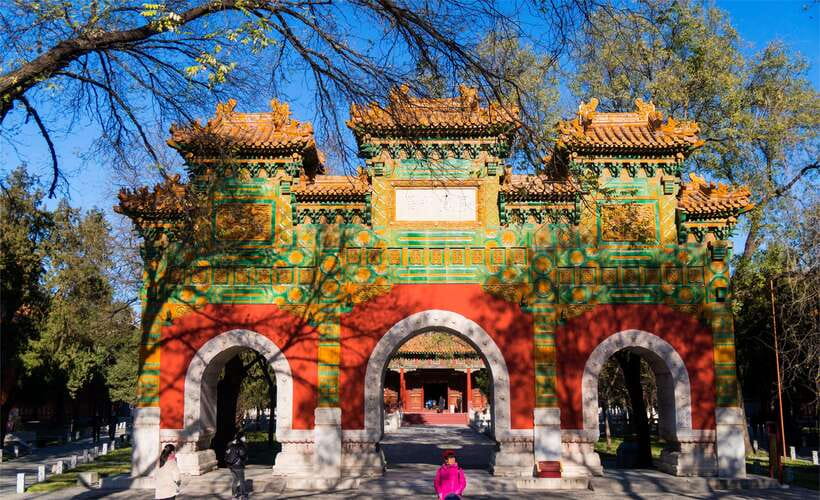
This experience is priced at about $7 per person and covers two major sites in one day: Beijing Confucius Temple and the Guozijian Imperial College. The real win for your time is the entry method. You don’t need to hunt for paper tickets. Bring your original passport (or ID card, as noted) and your electronic ticket, then use the QR code to enter.
The sites are arranged like a storybook. Confucius Temple sits on the left side theme-wise, while Guozijian sits on the right as the education counterpart. That temple-on-the-left, college-on-the-right idea helps you understand what you’re seeing without needing a lecture first.
Also, this is described as a private group. That matters more than you might think in China’s big heritage areas. You’re less likely to get swallowed by a mass crowd, and you can focus on reading the stonework and noticing layout details.
You can also read our reviews of more tours and experiences in Beijing.



Confucius Temple: Teacher Gate to Dacheng Hall and the Jinshi stone record
Beijing Confucius Temple was built in the Yuan dynasty, dated to 1306 in the Dade period. That 700+ year timeline is the backdrop for what you actually walk through: a ceremonial complex that held memorial ceremonies for Confucius across the Yuan, Ming, and Qing dynasties.
What makes this place feel “real” isn’t just the age. It’s the way the complex is organized on a south-to-north axis. Along that central line, you move through key gates and halls: the Teacher Gate, Dacheng Gate, Dacheng Hall, and the Chong Sheng Temple. If you enjoy architecture that has a purpose, this axis helps you keep your bearings.
The temple layout that turns walking into understanding
Confucius Temple covers over 22,000 square meters, with a construction area of 7400 square meters, and includes three courtyards. Courtyards do more than look scenic here. They create pauses that let you slow down, then redirect your attention back to the main axis.
The stone tablets: 51,624 Jinshi carved in groups
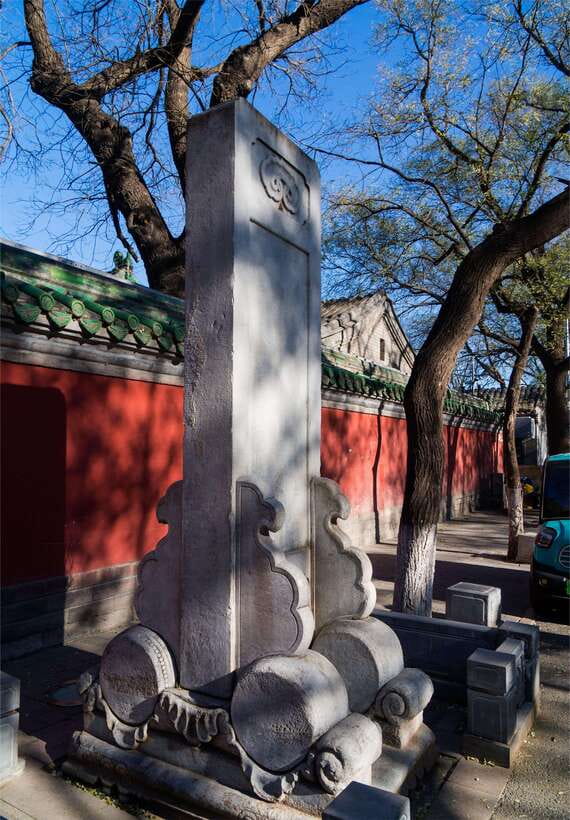
Here’s the standout feature tied directly to the imperial examination. The complex includes 198 stone tablets, arranged on either side of the front courtyard in four groups. The tablets hold 51,624 names, including Jinshi identifiers like birthplaces and ranks.
Even if you’re not a specialist, those numbers matter because they signal why these stones are more than decorative. They are research material tied to the Chinese imperial examination system, and they give the exam a human face—thousands of real people reduced to carved records.
When you stand near the tablets, don’t just skim. Look for how the groups are organized. Four groups means someone wanted order and retrieval, not chaos. If you’ve ever wondered how an empire managed scholarship at scale, this is a physical answer.
Three exhibitions inside Confucius Temple
At the moment, the temple includes three exhibitions that help you interpret what you’re seeing instead of just wandering through hall after hall:
- Exhibition of the Restored Dacheng Hall
- Exhibition of the Great Confucius
- Exhibition of the History of Beijing Confucius Temple
If you’re choosing only one thing to pay close attention to, I’d pick the restored Dacheng Hall display. Restoration stories are often where you learn how the original space worked and why certain design choices mattered. It’s also easier to connect restoration details to the hall you see afterward.





A practical tip for your visit
This stop rewards calm. You’ll get more from the stone tablets if you give yourself a few moments per area, rather than trying to photograph everything and move on immediately. If you want guidance, an audioguide is available for purchase at the entrance, which can help translate what you’re looking at.
Guozijian Imperial College: the highest education institution in Yuan, Ming, and Qing
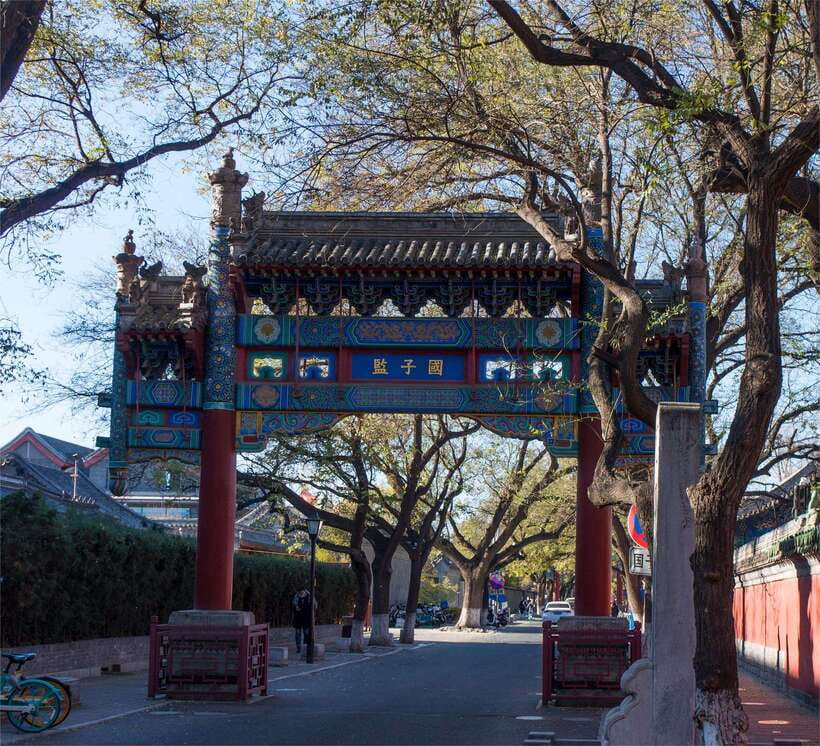
Guozijian is the education side of the same theme. This was described as the highest educational institution and a state administering organ of education during the three dynasties: Yuan, Ming, and Qing.
It was built in 1308 in the Yuan dynasty, during the Zhida reign. Like Confucius Temple, it’s laid out for order: Guozijian covers 28,000 square meters and includes three courtyards.
The central axis here is packed with names that sound official because that’s the point. As you move along the axis, you encounter:
- Jixian Gate
- Taixue (Imperial College) Gate
- Glazed memorial Arch
- Biyong Hall
- Yilun Hall
- Jingyi Hall
There are also two halls and six main rooms. Two notable structures are the Imperial tablet Pavilion, plus the Bell and Drum Pavilion, placed in a traditional, symmetrical arrangement beside the central axis.
Why the symmetry matters
This is one of those places where “pretty” and “functional” overlap. Symmetry isn’t just aesthetics; it supports ceremony, movement, and authority. When you stand in front of a gate or hall and notice the balanced placement of key buildings, you feel the message the institution wanted to send: learning was structured, ranked, and officially supervised.
What you should focus on in Guozijian
If your brain loves a simple mission, here it is: try to connect what you saw in the Confucius Temple to the education function of Guozijian.
Confucius Temple anchors the values and rituals tied to Confucian thought. Guozijian turns those ideas into policy and training. When you put the two together, the imperial examination system makes more sense—not just as a contest, but as a pipeline from learning to status.
How to read the imperial examination theme without getting lost
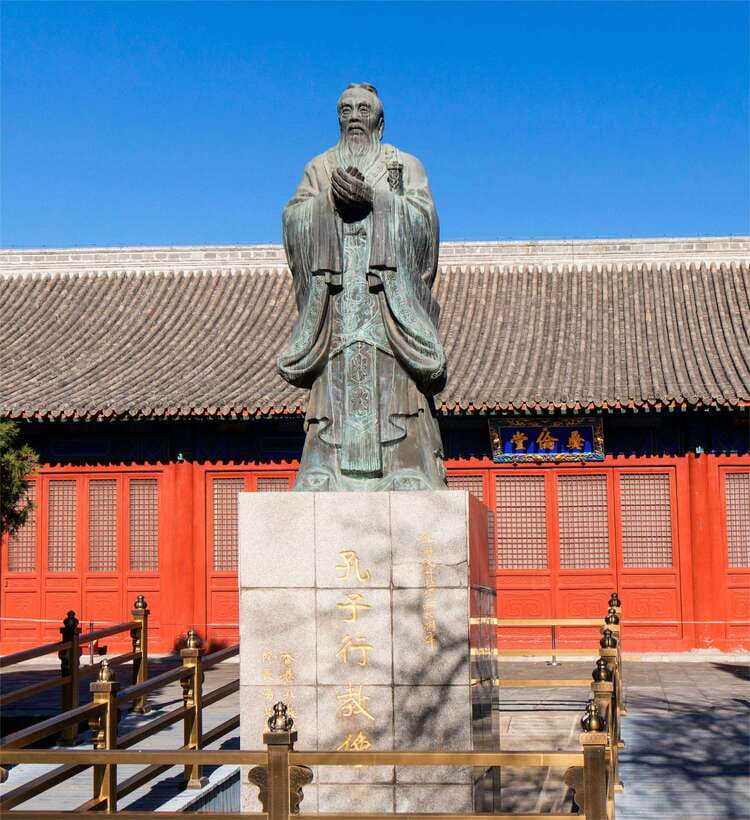
This ticket highlights the exhibition of the Chinese Imperial Examination, and that’s a good sign. It suggests the day isn’t only about admiring buildings; it also aims to explain the system behind the stone tablets and the scholarly culture around them.
Here’s how to make that theme click while you walk:
- Treat the stone tablets as the exam’s “data.”
- Treat the halls and courtyards as the exam’s “stage.”
- Treat the exhibitions as the “decoder ring” for what you’re seeing.
Even if your Chinese reading is limited, you can still understand the logic. You’re looking for connections: Where do displays reference the examination? Where do tablets connect to ranks? Where does the architectural order reinforce authority?
If you buy or use an audioguide, use it as a tool, not a crutch. Let it help you interpret one section well, then turn it off for the next stretch so you can notice the space with your own eyes.
Timing and pacing for a smooth one-day circuit
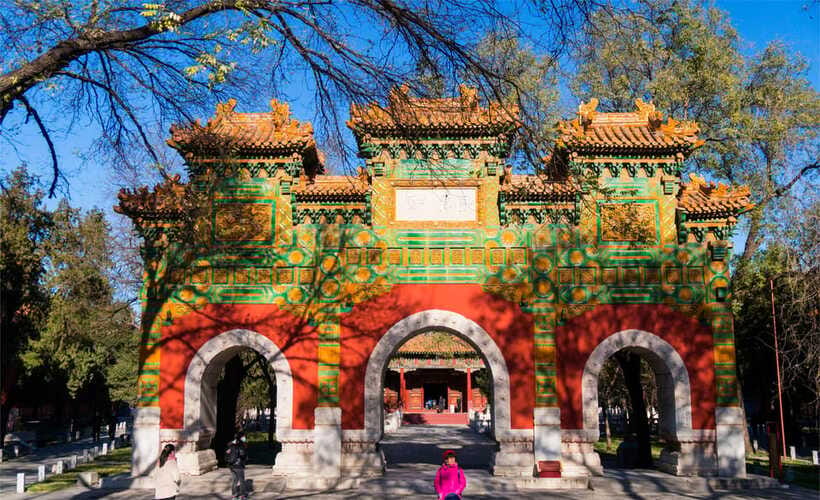
You’re getting two sites for one day, so your pacing matters. The risk isn’t that there isn’t enough to see. It’s that there’s too much to absorb at once.
My suggestion: pick your priority order before you step inside:
- Stone tablets and the exam-related displays
- Main halls along the central axes (Teacher Gate to Dacheng Hall, then the Guozijian axis)
- The supporting exhibitions and smaller areas you can enjoy slowly
Also, build in a buffer. Even with skip-the-line entry, you’ll still face natural delays: people stopping for photos, staff guiding flow, and the simple reality that courtyards make you slow down.
If you’re the type who likes to read every label, you’ll feel happiest here. If you’re more of a “photos first, labels later” person, plan to at least do one exhibition carefully so the day doesn’t become only a photo walk.
Price and value: why $7 makes sense for two big monuments
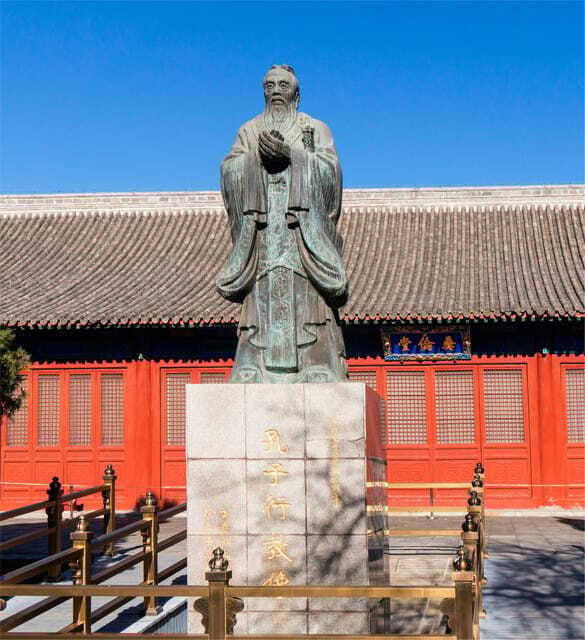
At about $7 per person, this ticket is strong value for a straightforward reason: it bundles two major heritage complexes that would each be a destination on their own.
You also get practical perks that reduce friction:
- Tourist attraction ticket included
- Notes about skipping the ticket line
- Use of QR code and electronic tickets
- A private group format is indicated
Now, a balanced note: low price doesn’t automatically mean you’ll get a guided lecture. Your experience here depends on how much you want to self-navigate using the exhibitions and whatever interpretive support is available at the site. If you love independent exploration, that’s a plus.
If you need constant, detailed explanation from a guide every step of the way, you may want to confirm what kind of on-site interpretation is available beyond the exhibitions and the optional audioguide purchase.
Who this Confucius Temple and Guozijian combo fits best
This works best for you if you:
- Like history that’s tied to physical artifacts (especially the stone tablets)
- Want to understand Confucian culture through education and exams, not only philosophy
- Enjoy classical architecture and layout, especially central axes and courtyard planning
- Prefer a calm private-group feel rather than a full-on group scrum
It’s also a good choice for a first trip to this part of Beijing, because it tells a clear story: Confucius in ceremonial space, then education and status in institutional space.
If you’re visiting mostly for modern art, shopping streets, or nightlife, you might find the pace slower than your usual style. But if you want one day that feels anchored in the empire’s learning system, this is a very direct route.
Should you book this e-ticket?
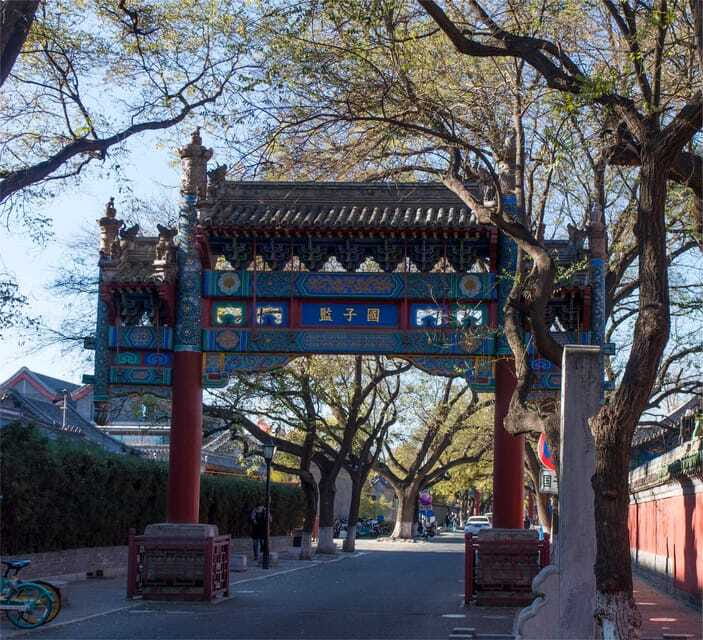
I’d book it if you want a compact way to experience two of Beijing’s most relevant historical sites for Confucian culture and state education. The strongest reasons are the exam-linked stone tablets, the curated exhibitions, and the low-cost QR code entry that keeps the day efficient.
Skip the ticket if you only want extremely fast, minimal walking, or if you’re convinced you need a full guided narrative for every room. Otherwise, this one-day combo is a solid, good-value way to connect what you see on the ground to how the imperial examination system shaped lives.
FAQ
How much does this Confucius Temple and Imperial College e-ticket cost?
The price is listed as $7 per person.
How long is the experience valid?
The ticket is valid for 1 day.
Can I enter using a QR code?
Yes. The entry instructions say you can use your QR code and your passport to enter.
What do I need to bring for entry?
You should bring your passport or ID card, and you’ll need the original passport along with your electronic ticket.
Does the ticket skip the ticket line?
Yes, skip-the-ticket-line access is noted.
What’s included in the ticket?
It includes the tourist attraction ticket.
What will I be able to see at Confucius Temple?
You can see the Confucius Temple complex, including the main halls along the central axis, and there are currently three exhibitions available in the temple.
Is this experience wheelchair accessible?
It is listed as wheelchair accessible.
Can I cancel if my plans change?
There is free cancellation up to 24 hours in advance for a full refund.