REVIEW · BEIJING
Beijing: Guyaju Cave Dwellings with Optional Visits
Book on GetYourGuide →Operated by Fun Beijing Travel · Bookable on GetYourGuide
Cave homes beat city traffic every time. This private Guyaju Cave Dwellings day pairs well with an optional extra stop (Longqing Gorge, Ming Tombs, or one of two Great Wall sections), so you get one easy win: ancient living spaces plus dramatic scenery or major landmarks without feeling rushed. I love the small-group feel you get with a professional English-speaking guide and driver, and I also like how you’re not left wrestling with ticket counters—your guide helps. The only real drawback to plan for is that while Guyaju is quiet and under-the-radar, some add-on options (like Longqing Gorge) can turn more touristy later in the day.
On the ground, the tone is relaxed. You’ll ride out from Beijing in a comfortable private car, then spend about 1.5 hours at Guyaju Geological Park. From there, your day stretches to roughly 2 hours for the extra choice, with one day totaling about 8 hours and ending back in central Beijing around Qianmen or your downtown hotel area.
In This Review
- Key things to know before you go
- Smooth Pickup and Ticket Help (So You Don’t Waste Half the Day)
- Guyaju Cave Dwellings: 117 Caves Carved Into Living Rock
- Why Guyaju works even if you’re not a history-nerd
- How long you’ll spend
- Longqing Gorge: Boat Ride, Karst Caves, and the Calm Before the Crowd
- One smart move: start early
- What to know before you overhype the boat
- Ming Tombs: Sacred Way Statues and Dingling’s Underground Palace
- Why this pair feels satisfying
- Great Wall Day: Badaling for Icons, Juyongguan for a Calmer Feel
- Option: Badaling Great Wall (the classic, well kept)
- Option: Juyongguan Great Wall (less crowded, more functional)
- How to choose between the two
- Price and Value: What $151 Buys You on an 8-Hour Private Day
- Timing, Crowds, and What to Wear
- What to bring
- Who Should Book This Guyaju Combo Tour?
- Should You Book? My Practical Recommendation
- FAQ
- Are entrance tickets included?
- Is lunch included?
- How long is the tour?
- What’s included in the private tour package?
- What are the available pickup and drop-off options?
- What optional add-ons can I choose after Guyaju?
- Can I take a cable car on this tour?
- What should I bring?
- Is there an English-speaking guide?
Key things to know before you go
- 117 ancient caves at Guyaju tied to the Tang Dynasty and the Xiyi ethnic minority make for a “how did they do that?” kind of visit
- Private pickup + English guide means you get context during the drive, not just at the stops
- Ticket support on the day helps you avoid time wasted figuring out entry lines
- Four combo styles let you match the day to your mood: nature, royal history, or the Great Wall
- Less-crowded feel is part of the appeal, especially if you start early
Smooth Pickup and Ticket Help (So You Don’t Waste Half the Day)
The best part of this format is how much you avoid friction. You’re picked up in central Beijing (the info lists Qianmen as an option) and you’ll meet your guide in the hotel lobby with a sign—easy to spot, no scavenger hunt. Then you ride about 2 hours to Guyaju with your private driver and an English-speaking guide who talks during the drive.
That “talk during the ride” matters more than it sounds. When you reach Guyaju, you already understand what you’re looking at and why people built homes into the rock in the first place. In the reviews you can see this pattern clearly: guides like Linda, Christine, and Jack were praised for being friendly, experienced, and good at explaining what you see.
One more practical win: tickets aren’t included, but you’re not on your own. The tour notes say you can purchase entrance tickets on the day with your guide’s help. That’s a big deal in China when ticket options can feel confusing at first glance, especially if you’re trying to move quickly before crowds build.
What’s not included: lunch and entrance fees. You’ll likely want to budget for those separately, but the upside is you can eat at a place your guide recommends and pay your own way.
You can also read our reviews of more tours and experiences in Beijing.

Guyaju Cave Dwellings: 117 Caves Carved Into Living Rock
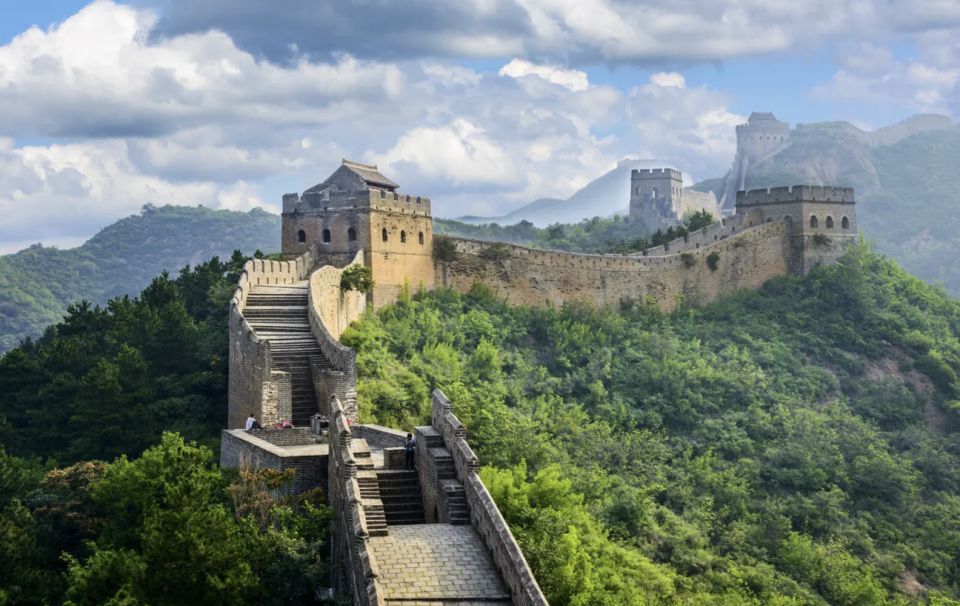
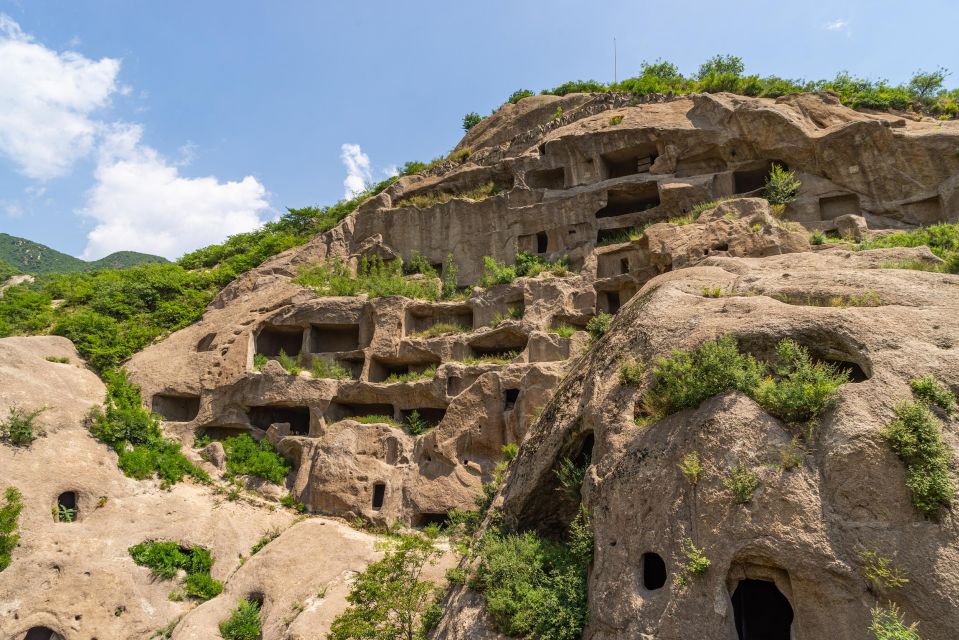
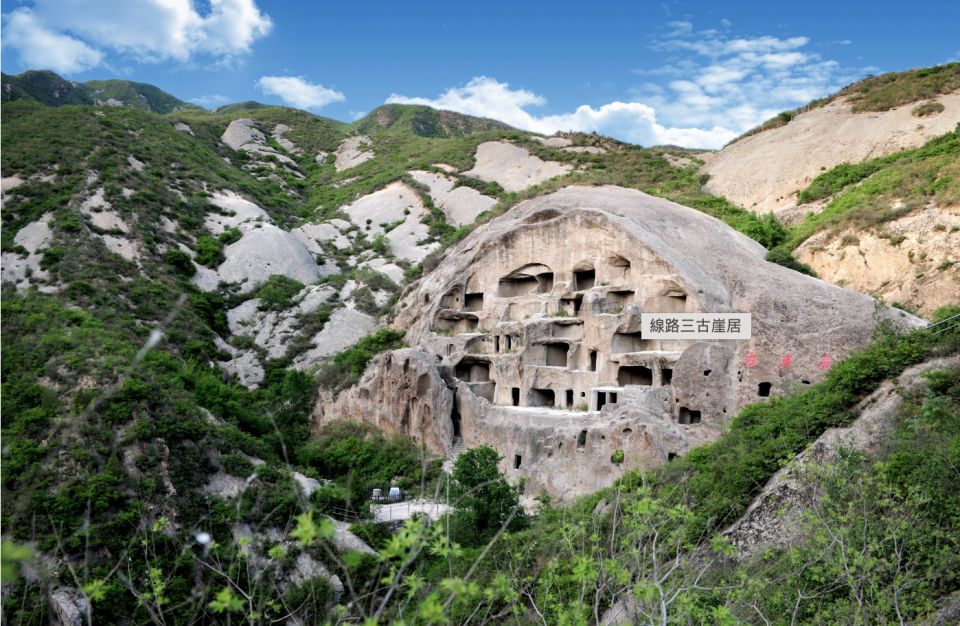
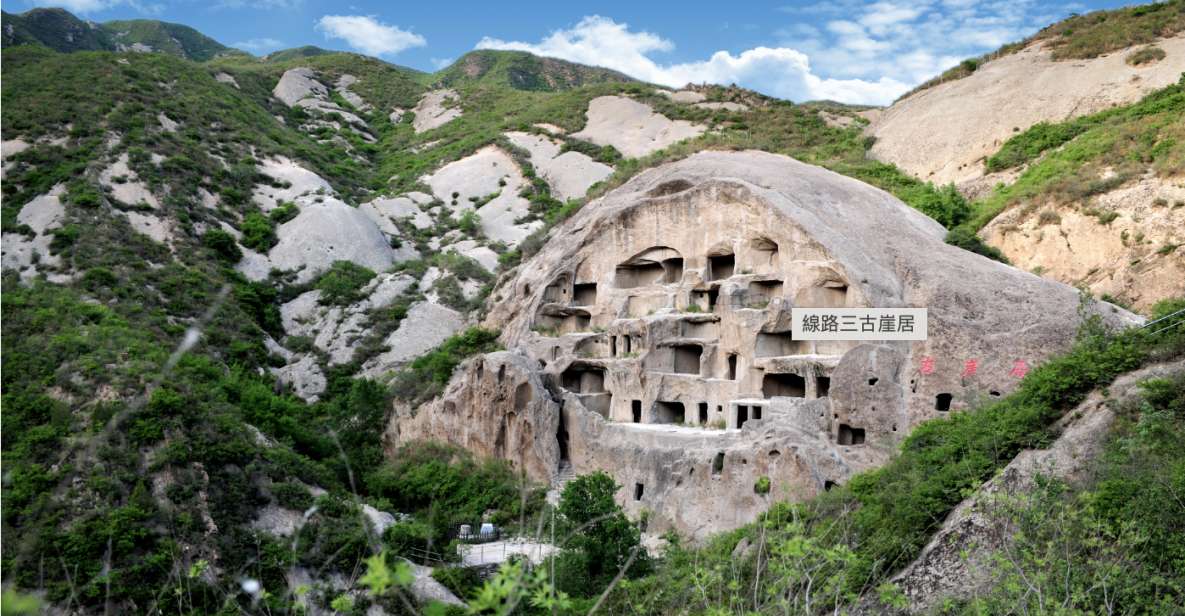
Guyaju is the anchor of the day, and it’s the part most people remember later. At the Guyaju Geological Park, you’ll visit 117 ancient caves, described as carved during the Tang Dynasty (618–907 AD) by the Xiyi ethnic minority.
The caves are clustered in two rock-face village areas. The visual is the point: it looks like a human ant farm, except the “ants” are architectural solutions—layers of carved space that follow the shape of the cliff. You get that mix of art and engineering where the setting forces the design.
Why Guyaju works even if you’re not a history-nerd
You don’t need a degree to enjoy it. The caves are tangible. You walk through the carved environment, you see how the settlement is arranged on the cliff, and you use your eyes more than your imagination. And because it’s relatively less known, it tends to feel easier than the headline attractions in Beijing.
That said, one realistic consideration is that you may not get exact answers on every cave’s dating or origin details. In one case, the cave background was described as limited in terms of the age and creation specifics. So if you crave very precise scholarship about every chamber, you might feel a little of that gap. If you’re there for the experience of the place—structure, setting, and scale—you’ll be in your element.
How long you’ll spend
Plan for about 1.5 hours for Guyaju. That’s usually enough time to see the key caves and village layout without your brain turning to mush from walking and reading.
Footwear tip: wear comfortable shoes. The ground and paths can be uneven and you’ll appreciate support after you finish climbing and photo stops.
Longqing Gorge: Boat Ride, Karst Caves, and the Calm Before the Crowd
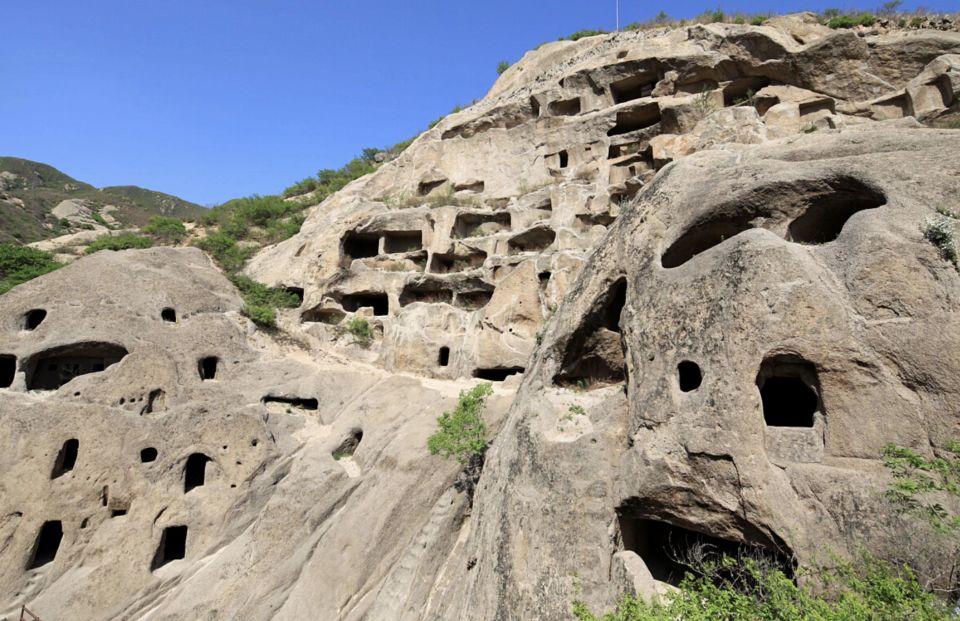
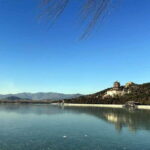
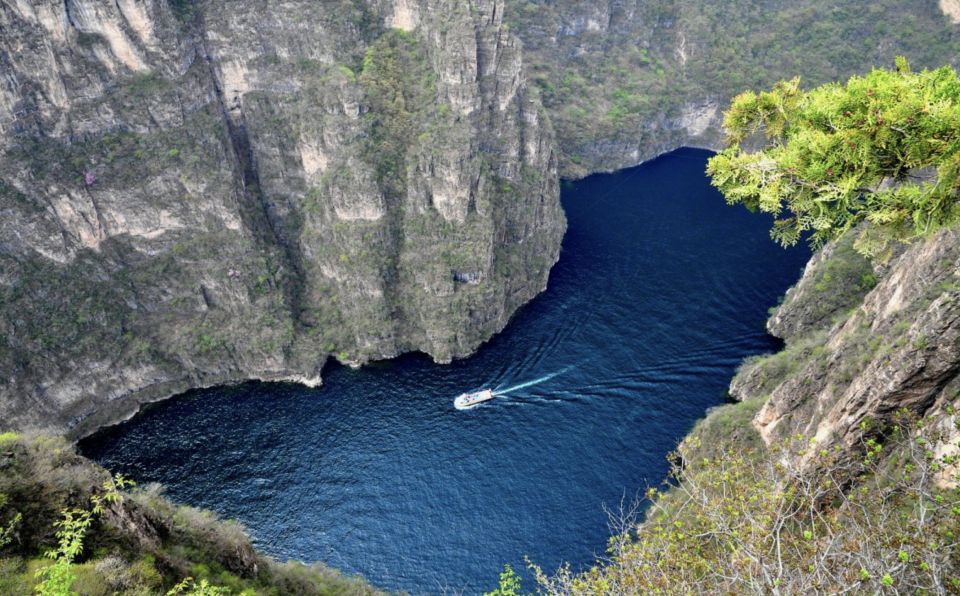
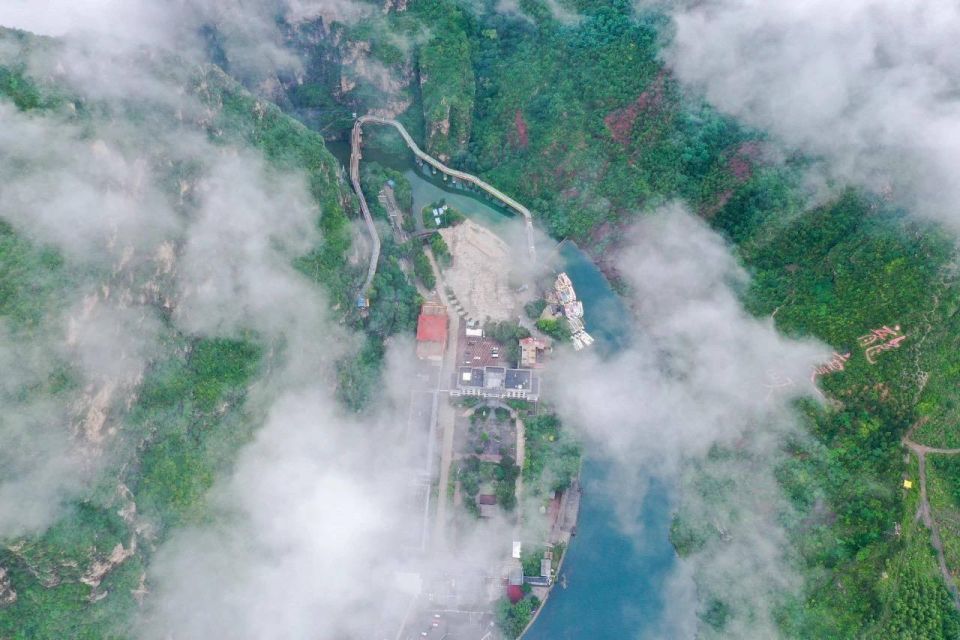
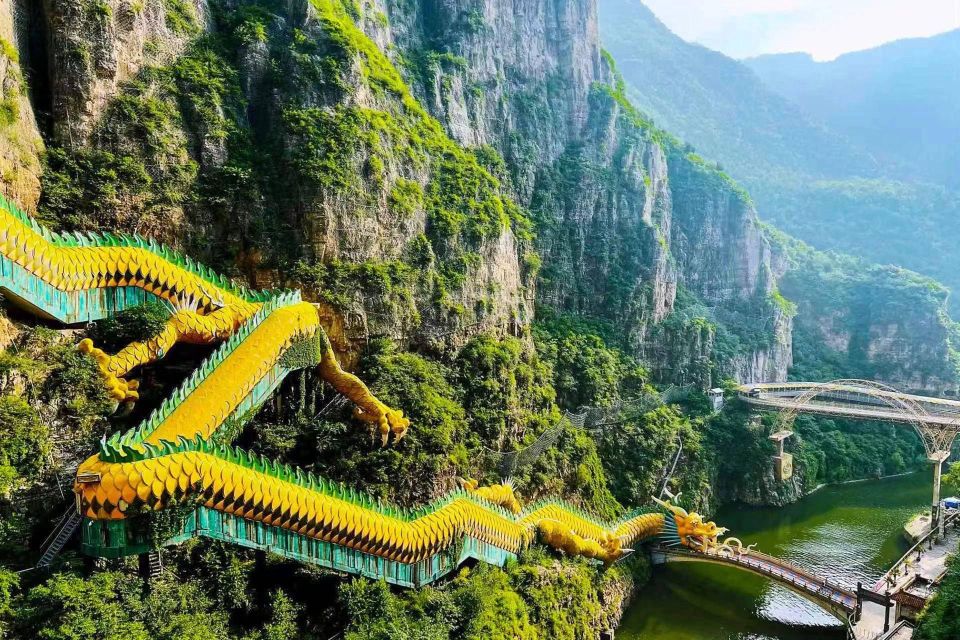
If you want nature with drama, choose Guyaju + Longqing Gorge. Longqing Gorge is often called the Little Three Gorges, and it’s known for karst scenery: clear water, wooded mountain slopes, unusual rock formations, and cave features you can spot along the route.
Expect a scenic boat ride as the centerpiece, plus time to see areas your guide points out. Highlights named in the tour description include:
- Bell Mountain
- Phoenix-Coronet Island
- Dongdazhai
- Moon Bay
The vibe here is different from Guyaju. Guyaju is intimate and built into stone. Longqing Gorge is open-air and cinematic. You’ll get the feeling of leaving the city noise behind.
One smart move: start early
A tip from the experience pattern you’ll likely want to follow: go early if you can. One booking noted that the early pickup led to fewer people at the first stop. If your schedule allows, choosing an earlier start gives you a better chance of seeing Longqing Gorge with less crowd pressure.
What to know before you overhype the boat
There’s a mild caution. The boat ride was described as pretty but not the most spectacular part in one account, and the gorge can become more touristy at peak times. Still, the tradeoff is worth it for most people: you get a scenic break and photo opportunities that are hard to recreate elsewhere.
Ming Tombs: Sacred Way Statues and Dingling’s Underground Palace
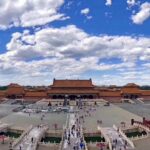
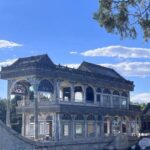
If your taste runs toward major history, pick Guyaju + Ming Tombs. This option is more “museum and monuments” than “scenery,” and it’s a strong choice when you want a clear story of an imperial dynasty.
You’ll begin with the Sacred Way, which is lined with 18 pairs of 500-year-old marble statues. The statues are paired and arranged like a ceremonial runway, and your guide explains the logic behind the site, including references to Fengshui theory.
Then you go to Dingling Tomb, where Emperor Wanli and his two empresses were buried. The main focus here is the underground experience: you’ll explore the underground palace area (described as having five grand chambers) and then head to the museum to view unearthed treasures.
Why this pair feels satisfying
Guyaju gives you a sense of how people lived and adapted to landscape. Ming Tombs gives you how power structured landscape. Together, it’s a nice contrast: human survival vs human control.
One practical note: you’ll need enough energy for tomb paths and museum walking. This isn’t a “sit down and watch TV” style stop—build in time to move.
Great Wall Day: Badaling for Icons, Juyongguan for a Calmer Feel
You get two Great Wall choices, and the difference is real. Both are part of the Ming-era world, but they offer different levels of crowd and different kinds of wall experience.
Option: Badaling Great Wall (the classic, well kept)
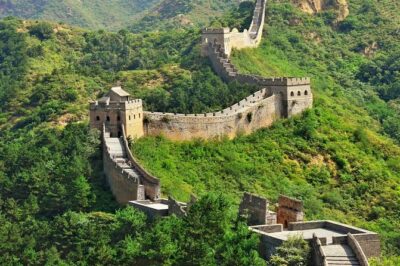
Choose Guyaju + Badaling Great Wall if you want the most iconic, well-preserved stretch. Badaling is described as outstanding and famous, hailed as one of the world’s seven construction wonders.
Plan about 1–2 hours hiking. You’ll explore different watchtowers with your guide. There’s also a convenience option mentioned in the tour info: you can take the cable car up to save time and energy.
This is the best choice if you only want one Great Wall and you prefer everything to be clearly signposted and easy to navigate.
Option: Juyongguan Great Wall (less crowded, more functional)
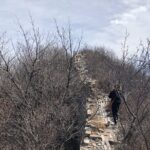
Choose Guyaju + Juyongguan Great Wall if you want a calmer wall experience. Juyongguan is described as less crowded and known for diverse functional structures tied to logistics, management, and defense. The site also has a past as a major traffic artery between Beijing and Inner Mongolia during the Yuan Dynasty.
If you like a wall that feels like a working system rather than a theme-park climb, Juyongguan is the smarter fit.
How to choose between the two
- Pick Badaling for maximum recognition and comfort (and the cable car option).
- Pick Juyongguan if you care more about a quieter walk and functional history.
Price and Value: What $151 Buys You on an 8-Hour Private Day
The listed price is $151 per person for an 8-hour experience. That’s not “cheap,” but it’s also not just paying for entry tickets. You’re paying for:
- a private English-speaking guide
- a private driver and transfer
- a full day structure built around efficient travel and timed stops
Since lunch and entrance fees aren’t included, you should budget extra money. But that can still be good value because your guide can help you buy tickets without you hunting for the right window, and lunch recommendations let you avoid the usual tourist-food roulette.
Where the value gets especially strong is when you compare this to the hassle of doing the same day with buses and trains, especially when Guyaju itself isn’t the most common DIY destination.
And in reviews, the driver experience was repeatedly described as professional and safe—one named Mr Tian stood out for smooth driving and feeling secure, plus riders were provided with water and Coca-Cola.
That kind of comfort isn’t glamorous, but it makes a long day more tolerable.
Timing, Crowds, and What to Wear
This trip runs about 8 hours. You should expect a chunk of time traveling (roughly 2 hours each way, based on the tour description), then 1.5 hours for Guyaju, then your add-on for roughly 2 hours.
Crowds matter most at two points: the gorge and the Great Wall (depending on section and time). The tone of the experience often improves when you start early—one booking specifically praised an early pickup for leading to fewer people at the first stop.
What to bring
- Comfortable shoes (seriously—don’t treat this like a museum day)
- Something light for water (the guide/driver may provide water, but it’s still smart to be ready)
Weather is another factor. If it’s cloudy, some outdoor spots can feel quieter and less crowded; if it’s hot, plan for sun and hydration.
Who Should Book This Guyaju Combo Tour?
This is a good match if you want:
- a day outside central Beijing without losing structure
- a private guide who can answer questions and adjust on the fly
- one major anchor (Guyaju) plus a choice that fits your mood
It’s especially ideal for couples and small groups who want a calmer day than the big group bus circuit. If you’re the type who likes nature scenes, Ming Dynasty history, or the Great Wall but hates waste-time logistics, this format will feel efficient.
It may not be perfect if you’re looking for extremely detailed cave scholarship or if you want a guaranteed “quiet” experience at every stop—some add-ons can get busier depending on timing.
Should You Book? My Practical Recommendation
If I were helping a friend decide, I’d say book this if Guyaju is on your list and you want to pair it with something that makes the day feel complete. The private guide + ticket help + driver combination is the backbone of the value, and Guyaju itself is the kind of place that feels fresh compared to the typical Beijing checklist.
Choose your add-on based on what you enjoy most:
- Want scenic breathing room? Go Longqing Gorge.
- Want imperial landmarks and museum time? Go Ming Tombs.
- Want Great Wall time with a clear plan? Choose Badaling for the classic climb or Juyongguan for a calmer feel.
If you tell me which month you’re going and whether you prefer nature, history, or walls, I can help you pick the best combo choice.
FAQ
Are entrance tickets included?
No. Entrance fees aren’t included, and you can purchase them on the day with your guide’s assistance.
Is lunch included?
No. Lunch isn’t included. Your guide can recommend local restaurants, and you pay for your meal separately.
How long is the tour?
The duration is listed as 8 hours.
What’s included in the private tour package?
You get a private English-speaking tour guide and private transfer service.
What are the available pickup and drop-off options?
The info lists pickup at Qianmen and also says hotel pickup is included (the guide meets you in the hotel lobby holding a sign with your name). Drop-off is also listed for Beijing, Qianmen.
What optional add-ons can I choose after Guyaju?
You can pair Guyaju with one of these: Longqing Gorge, Ming Tombs, Badaling Great Wall, or Juyongguan Great Wall.
Can I take a cable car on this tour?
For the Badaling option, the tour description says you can take the cable car to save energy and time.
What should I bring?
Wear comfortable shoes.
Is there an English-speaking guide?
Yes. The tour is listed as English with a live guide.