REVIEW · HANGZHOU
Wuzhen Water Town Private Day Tour from Hangzhou
Book on Viator →Operated by Hangzhou Delight Travel Service Co., LTD. · Bookable on Viator
Water towns move slower, and that’s the point. This private Wuzhen day tour is built for an easy rhythm: hotel pickup in Hangzhou, about 1.5 hours by coach to Wuzhen, then a guided circuit through workshops, museum exhibits, and classic water-town scenes. You’ll also get the option to slow down with a river cruise at the end.
I especially like the cultural stop order—Zhao Hall (Hundred-Bed Museum) first, then the Sanbai Wine Workshop and dye crafts—so everything feels connected instead of random. I also like the way the day is packaged around real crafts (ancient bedmaking, wine brewing history, and indigo calico techniques), with admission tickets handled and a private group set-up.
One consideration: plan for a long day (about 7–10 hours) and know that Wuzhen can feel packed during Chinese public holidays.
In This Review
- Key points to know before you go
- From Hangzhou Pickup to Wuzhen Arrival: start easy, stay focused
- Zhao Hall Hundred-Bed Museum: the kind of museum you can actually picture
- Sanbai Wine Workshop: Song Dynasty buildings and Ming Dynasty production
- Hongyuan Thai dye house: indigo calico and the hands-on meaning of blue
- Shadow puppet show with traditional instruments: the cultural break that makes the day feel complete
- Wuzhen water town time: optional river cruise and the best viewing beats
- Price and value: is $150 per person fair for this private format?
- What the guided schedule feels like on the ground (7–10 hours)
- Crowds, weather, and timing tips that actually help
- Who this private Wuzhen day tour is best for
- Should you book this Wuzhen Water Town Private Day Tour?
- FAQ
- What time does the Wuzhen tour start from Hangzhou?
- How long is the Wuzhen day tour?
- Is hotel pickup included?
- What does the tour include besides transportation?
- Is lunch included?
- What stops are included in the guided itinerary?
- Is the river cruise included?
- Is this a private tour?
- Do I need to buy tickets separately?
- What if the weather is bad?
- What is the cancellation window?
Key points to know before you go
- Private pickup in downtown Hangzhou saves time versus navigating solo
- Zhao Hall Hundred-Bed Museum focuses on ancient beds tied to the Yangtze River delta
- Song-Dynasty Sanbai Wine Workshop is one of the few remaining wineries in Wuzhen
- Hongyuan indigo dye shows how blue calico gets its color the traditional way
- Shadow puppet show adds a cultural performance right inside the town experience
- Optional scenic river cruise lets you pick how slow the day goes
From Hangzhou Pickup to Wuzhen Arrival: start easy, stay focused
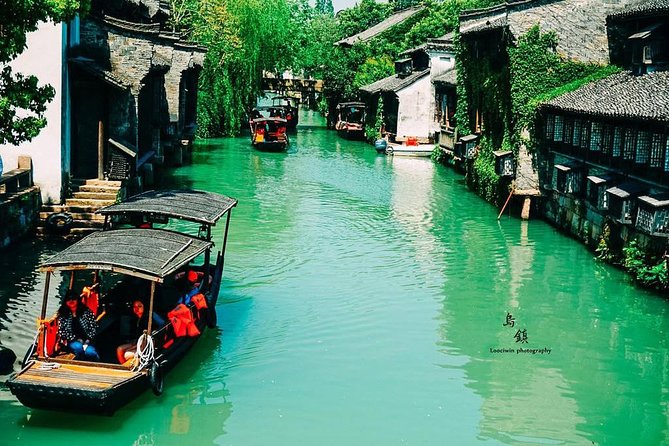
Your day starts with coach pickup from your Hangzhou hotel. After about 1.5 hours on the road, you arrive in Wuzhen ready for a guided walk that keeps you from guessing what to see first.
This is one of those tours where the logistics matter as much as the sights. With hotel pickup and drop-off, you can spend your energy on the town itself instead of transport timing. The day is also built around a clear sequence of stops, so you’re not bouncing between far-apart areas without context.
The tour begins at 9:30 am and runs about 7 to 10 hours. That’s a big chunk of the day, so I recommend thinking of it as a full “story day”: you’ll go from exhibits and workshops to performances and (if you choose) a scenic cruise. If you like steady pacing, you’ll probably enjoy it. If you’re trying to cram in multiple destinations, this will likely feel like too much.
You can also read our reviews of more tours and experiences in Hangzhou.


Zhao Hall Hundred-Bed Museum: the kind of museum you can actually picture
The first major stop is the Hundred-Bed Museum (Zhao Hall). This isn’t just an array of old objects behind glass. It’s described as the first museum in China to collect and exhibit ancient beds from the Yangtze River delta area, which is a neat angle—daily life as a cultural record.
What you’ll see is craftsmanship: elaborate designs, decorative carving, and the visual language of how comfort and status were expressed through furniture. The guide shares stories that connect the beds to older Chinese civilization in the region. Even if you don’t read every label, the point is visual and emotional—you can look at a bed and understand it as a historical artifact, not just an item.
Practical note: this stop tends to reward people who like details and slow looking. If you’re more into street photos and waterfront views, you’ll still get value from the museum, but you may want to keep a relaxed pace so you don’t feel rushed before the town walk begins. Either way, it’s a smart first stop because it gives you cultural context before you move outdoors.
Sanbai Wine Workshop: Song Dynasty buildings and Ming Dynasty production
Next up is the Sanbai Wine Workshop, built during the Song Dynasty. It’s noted as the only remaining winery in Wuzhen, which matters because it keeps the day from turning into generic souvenir stops.
Here’s the historical chain the guide helps you follow. Brewing liquor was a huge industry in Wuzhen during the Ming Dynasty, and there were reportedly over 20 distilleries operating at the time. Then the workshop work shifts from the big-picture economy to the practical craft: you can witness how wine is made using traditional techniques.
This stop can be surprisingly fun if you’re the type who likes “how it’s made” experiences. You’re not just looking at old tools; you’re being shown a process tied to place. And because this winery is tied to a surviving location in Wuzhen, it feels more grounded than a reconstructed theme display.
If you’re sensitive to strong smells or want to avoid tasting-type activities, you can still get plenty out of the craft observation. The core value is the cultural and historical explanation plus seeing traditional brewing methods in action.
Hongyuan Thai dye house: indigo calico and the hands-on meaning of blue
After wine, you’ll go to Hongyuan Thai dye (indigo-dyed printed calico). Wuzhen is described as one of the principal sources of flower-printed blue cloth, which tells you why indigo dye belongs in a “water town” tour. The town wasn’t only about waterways and bridges—it was also an industrial arts center.
This stop is about the time-honored technique of making indigo-dyed printed calico. You’ll see the method and learn how the color and pattern connect to the wider tradition of textile production. If you’ve ever seen those deep-blue printed fabrics in Chinese markets, this is the “where it comes from” moment.
Even if dye production isn’t your usual interest, you’ll likely appreciate it because the tour ties the craft to specific local output. It turns a pretty fabric from a product you buy into a process you understand. That’s when souvenirs stop feeling random.
One small planning tip: if you’re taking photos, look for moments where light hits fabric or patterned surfaces clearly. Dye workshops can be darker or more enclosed depending on the space, so be ready to adjust your camera settings.
Shadow puppet show with traditional instruments: the cultural break that makes the day feel complete
After the workshop stops, you’ll watch a shadow puppet show with musical accompaniment on traditional Chinese instruments. This is the kind of add-on that makes the day feel like more than a museum-and-shopping loop.
The value is rhythm. You’re coming off visual craft lessons (beds, wine, indigo), and then you get storytelling through performance. The musical accompaniment matters because it connects the puppetry to broader traditional arts instead of presenting it as a standalone novelty.
This is also a good reset if you’ve been walking a lot. Even if your Chinese is limited, the experience still lands because you’re watching a performance style tied to place and heritage. And since it’s scheduled within the tour flow, you don’t have to figure out where to find it after you’ve already covered the main sights.


Wuzhen water town time: optional river cruise and the best viewing beats
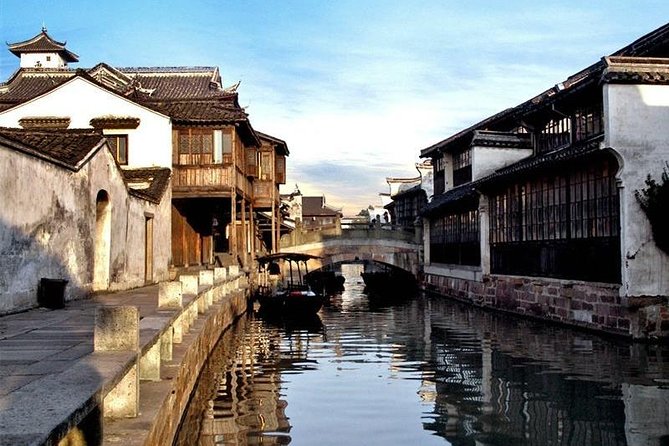
Then it’s back to the town itself: you’ll explore Wuzhen’s highlights as a guided experience. One option at the end is a scenic cruise on the river. Since it’s described as optional, you’ll want to make a simple call based on your energy and how much you want to slow down.
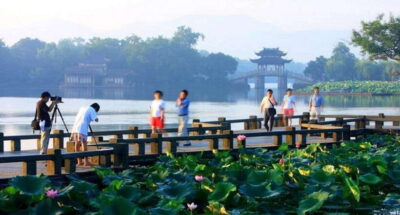
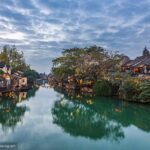
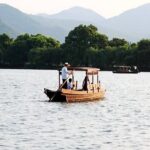
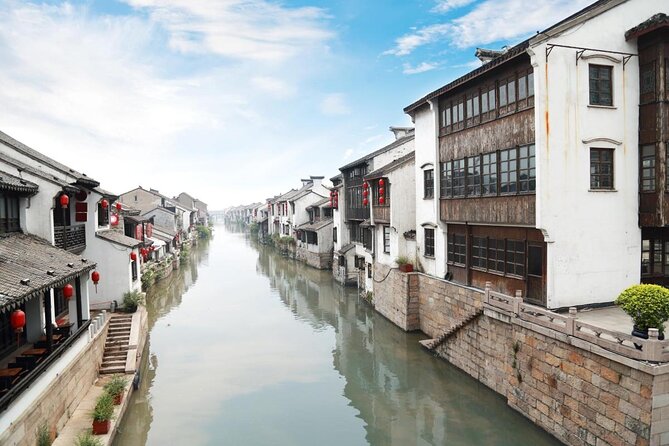
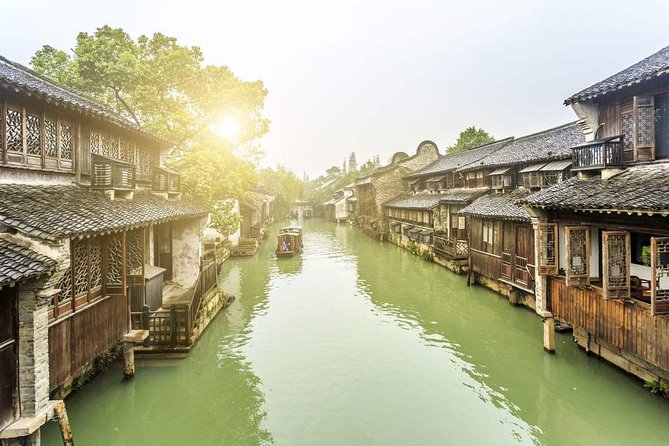
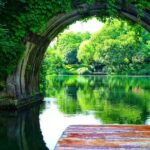
A cruise works well if you want a different perspective. Water towns look different from land than from the water, and the cruise can help you see the town’s layout and waterfront architecture as one connected scene. It’s also a great “closing chapter” after craft workshops and museum time.
You should also know that Wuzhen can get crowded during Chinese public holidays. One review-style observation in the provided information notes that there was more crowding at that time, even though the visit was still judged worth it. So if your travel dates include major holidays, go with patience. If you can, aim for earlier arrival time within the day and keep your expectations realistic for photo time.
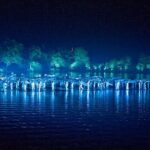
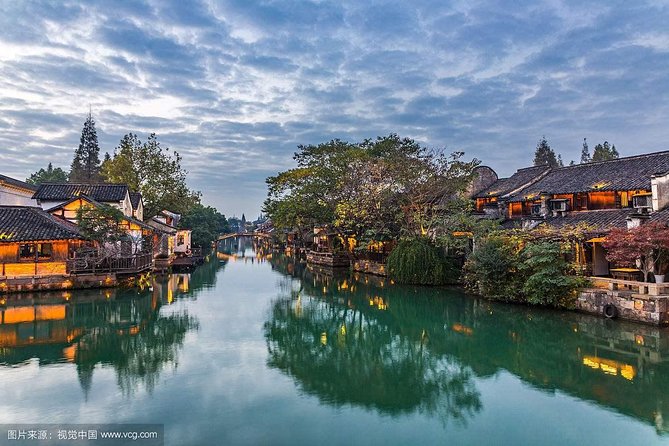
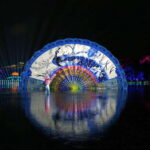
If your tour timing lines up with evening, you may catch a special feel in Wuzhen’s West Part night view, which has been called unique in the feedback you provided. Just don’t count on it as guaranteed timing—treat it as a bonus if you end up lingering as the day winds down.
Price and value: is $150 per person fair for this private format?
At $150 per person, this is not the cheapest way to reach Wuzhen. But private, door-to-door transport plus guided entry into multiple paid experiences can change the math.
Here’s what’s included in the package details:
- Private transportation (coach pickup and return)
- Admission tickets (so you’re not separately buying entry for the included stops)
- A full guided circuit across the main highlights
What’s not included is listed as lunch in the provided tour data. At the same time, other itinerary language mentions lunch, so the most practical move is to confirm with the provider when you book. In the meantime, I recommend budgeting for a meal you can buy on your own or bringing a light snack so hunger doesn’t hijack your pacing.
Who does this price make sense for?
- Small groups or families who want less hassle and more control of the day
- People who value workshop-style cultural stops (beds, wine process, indigo dye) rather than only wandering for photos
- Anyone who hates figuring out regional schedules and would rather have pickup handled
Who might find it pricey?
- Solo travelers who are happy with cheaper public transport and self-guided entry
- People who mostly want just the waterfront stroll and don’t care about museum and workshop stops
Think of the cost as paying for time saved and a guided narrative that connects the craft stops to what you’re seeing around you.
What the guided schedule feels like on the ground (7–10 hours)
A day like this can feel either smooth or exhausting depending on how you approach it. The best strategy is to treat each stop as a chapter, not a checklist.
Start with Zhao Hall to get cultural grounding. Then move to the Sanbai Wine Workshop for local industry history and traditional brewing technique. After that comes the craft switch to indigo-dyed calico at Hongyuan, which gives you a textile-output lens for why Wuzhen matters beyond scenery. The shadow puppet show then resets your brain and gives you a cultural performance break. Finally, the town explore and optional river cruise rounds the day into a complete arc.
Also, since this is a private tour and only your group participates, you’re less likely to get that trapped feeling that can happen on big bus tours. A private format usually makes the pace easier to manage, even when the day is long.
One more tip: wear comfortable shoes. Even if the day includes performances and indoor exhibits, you’ll still be doing real walking through a water town.
Crowds, weather, and timing tips that actually help
Wuzhen is popular, and the provided information includes a strong hint: it can be crowded during public holidays. If your dates include those busy periods, plan for slower moving lines and more competition for photo spots.
Weather matters too. The tour information states the experience requires good weather, meaning the provider may offer a different date or a refund if conditions are poor. So if you’re traveling in a rainy season window, it’s smart to keep your schedule flexible if possible.
For the best experience, I’d do two things:
- Go in with a calm mindset if it’s a holiday week.
- Keep your schedule light on both ends of the day so you can absorb delays without stressing.
The payoff is that even in busier conditions, the value of seeing crafts and historical exhibits as part of a guided circuit can cut through crowd fatigue.
Who this private Wuzhen day tour is best for
This tour fits well if you want more than a scenic photo walk. It’s especially good for people who enjoy craft and process: ancient beds, wine making techniques, and indigo dye for printed calico.
It’s also ideal if you’re staying in downtown Hangzhou and want an easy day trip with pickup and drop-off. The “private” part makes it better for groups that want quieter pacing, and it can be a nice choice for families who want structure and explained context.
You may want to skip or adjust expectations if:
- You only care about waterfront strolling and don’t want museum/workshop time
- Your schedule is very tight and you can’t spare a 7–10 hour block
- You’re extremely sensitive to crowds and your dates fall on peak holiday periods
Should you book this Wuzhen Water Town Private Day Tour?
Yes, if you want a guided day that explains why Wuzhen is famous—through craft workshops, the Zhao Hall Hundred-Bed Museum, and indigo dye and wine traditions—not just through waterfront scenery. I think the biggest strength is the sequence: it builds a story from daily life (beds), to industry (wine), to textile art (indigo calico), then finishes with performance and water-town views.
Book it particularly if you hate logistics and want pickup handled, especially for families or small groups. Confirm lunch details before you go, since the provided information lists lunch as not included in one place even while itinerary language suggests lunch is part of the experience.
If you’re craving structure, cultural stops, and an easy return to Hangzhou at the end of the day, this private format is a solid value—just go in prepared for possible holiday crowds.
FAQ
What time does the Wuzhen tour start from Hangzhou?
The start time is 9:30 am.
How long is the Wuzhen day tour?
It runs about 7 to 10 hours.
Is hotel pickup included?
Yes. The tour includes coach pickup from your Hangzhou hotel (downtown).
What does the tour include besides transportation?
Admission tickets are included, along with guided visits to the main stops listed (Wuzhen Water Town, Zhao Hall Hundred-Bed Museum, Sanbai Wine Workshop, Hongyuan dye house, and a shadow puppet show).
Is lunch included?
Lunch is listed as not included in the provided details, so it’s smart to confirm when booking.
What stops are included in the guided itinerary?
You’ll visit Wuzhen Water Town, the Hundred-Bed Museum (Zhao Hall), the Sanbai Wine Workshop, and the Hongyuan Thai dye house, plus a shadow puppet show with traditional instruments.
Is the river cruise included?
A scenic river cruise is described as optional.
Is this a private tour?
Yes. It’s a private tour/activity, and only your group will participate.
Do I need to buy tickets separately?
No. Admission tickets are included, and a mobile ticket is mentioned.
What if the weather is bad?
The experience requires good weather. If it’s canceled due to poor weather, you’ll be offered a different date or a full refund.
What is the cancellation window?
Free cancellation is available up to 24 hours in advance for a full refund. If you cancel less than 24 hours before the start time, the amount paid is not refunded.