REVIEW · BEIJING
Beijing Hutong Breakfast Food Tour
Book on Viator →Operated by UnTour Food Tours · Bookable on Viator
Breakfast walks through old Beijing.
This small-group hutong breakfast tour is a fast, friendly way to taste classic morning food while you’re guided through backstreets most people miss. I especially like how you get a real mix—jianbing, baozi, silken tofu toppings, sweet soy milk, and almond pudding—without playing menu guessing games.
The other big win is the guide’s role: you’re not just collecting snacks, you’re learning how Beijing families start their day in the hutongs, including practical how-to-do-it moments like how to order and pay. One thing to consider is that this is a walking tour with multiple tastings, so if you’re very picky, very full after breakfast already, or need a special diet, you’ll want to plan carefully and give dietary notes ahead of time.
In This Review
- Key Reasons This Hutong Breakfast Tour Works
- Why Hutong Breakfast Tastes Better on Foot
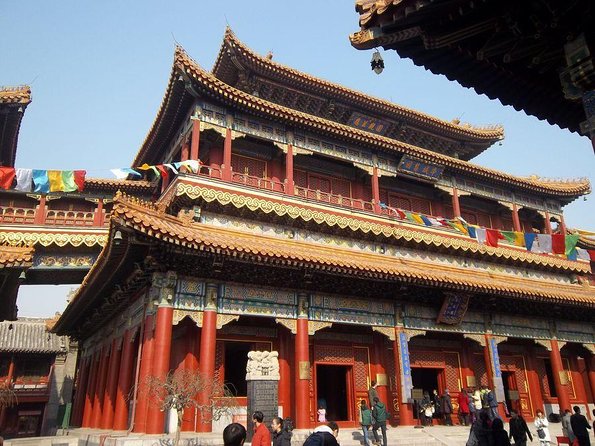
- Meeting Around Lama Temple and Getting Into the Neighborhood Tempo
- The Breakfast Tastings: What You’ll Actually Eat (and Why It’s a Smart Mix)
- Watching Jianbing Made and Other Small Moments That Feel Local
- Moving Through the Hutongs: Less Tourist Food, More Everyday Life
- Temple of Confucius and Guozijian Museum: A Cultural Pause Without Killing the Morning
- Finishing Near the Bell & Drum Towers: Practical Orientation
- Price and Value: Why $55 Can Actually Make Sense
- When This Tour Is a Great Fit (and When It Might Not Be)
- Booking Smart: What to Know Before You Go
- Should You Book the Beijing Hutong Breakfast Food Tour?
- FAQ
- What time does the Beijing Hutong Breakfast Food Tour start?
- How long is the tour?
- Is food included, and what kinds of breakfast items are served?
- Are drinks included?
- Where do I meet and where does the tour end?
- What if I have dietary requirements?
Key Reasons This Hutong Breakfast Tour Works
- A max group size of 8 people means you can ask questions and move at a human pace
- Real breakfast classics like baozi, jianbing, tofu, fried dough, and sweet soy milk
- Start near Lama Temple and walk through side hutongs where daily life is visible
- Enough food for a full morning meal, so you can skip scheduling another breakfast right after
- A built-in orientation finish near the Bell & Drum Towers area to help you get your bearings
Why Hutong Breakfast Tastes Better on Foot
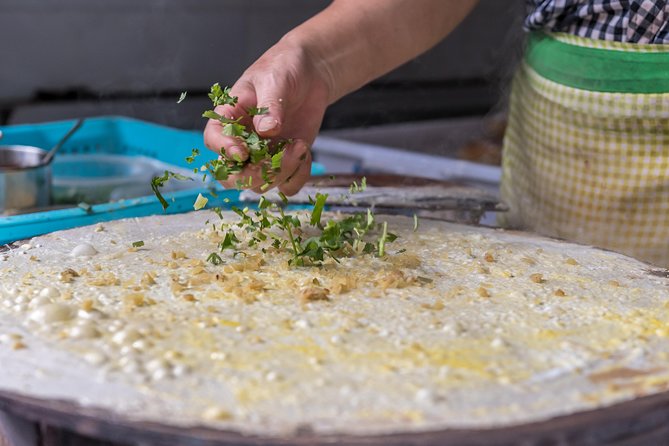
Beijing’s hutongs are where the city feels lived-in. You don’t need a museum to understand that—breakfast does it for you. This tour is built around the idea that the best meals in local neighborhoods happen early, at small stalls and casual shops, not on big tourist strips.
What you’re really buying is time and access. On your own, it’s hard to know which places are actually good, what to order, and how things work when you don’t read the menu quickly. With a guide, you can focus on eating and watching the rhythm of the neighborhood—people grabbing something hot, sitting shoulder to shoulder, and keeping the morning moving.
You can also read our reviews of more tours and experiences in Beijing.
Meeting Around Lama Temple and Getting Into the Neighborhood Tempo
The morning starts in central Beijing near the Lama Temple subway area (meet around the Lama Temple stop, by the C side and the Kouzhan Bike Rental Station). From there, you head into the hutongs behind the sanctuary instead of following crowds toward “easy” food zones.
That first walking stretch matters. It’s how you shed the tourist brain and start thinking like a local: short distances, small storefronts, alley turns you’d never guess, and the feeling that breakfast is part of the daily route, not a destination.
This also helps you see how the hutong layout works in practice. You learn quickly that Beijing’s old alleyway system can look confusing from street level—but once someone leads you through it, it clicks.
The Breakfast Tastings: What You’ll Actually Eat (and Why It’s a Smart Mix)
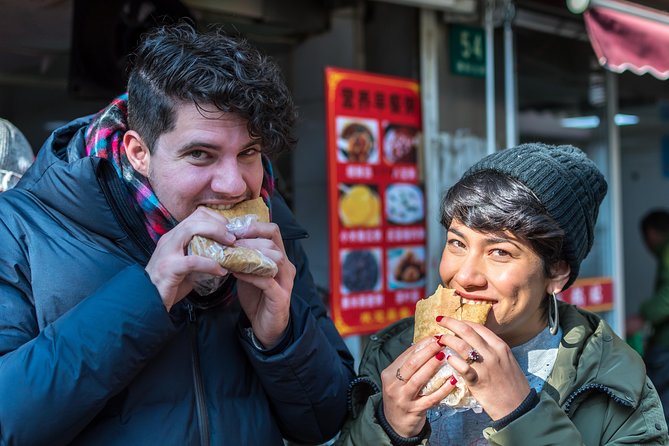
You’ll rack up a lot of food. The plan is to make the tastings add up to what feels like a full meal, so you usually won’t need to eat again for hours after.
Here’s the kind of lineup you can expect during the tour:
- Baozi (steamed buns)—a classic start: warm, filling, and easy to eat on the move
- Jianbing (savory pancakes)—often made fresh right in front of you
- Silken tofu with savory toppings—light but deeply flavorful
- Fried dough—crisp on the outside, soft inside
- Brown sugar donuts—sweet, comforting, and very Beijing morning energy
- Sweet soy milk—smooth, mild sweetness to balance the savory items
- Almond pudding to close out—cool, soft, and a nice finishing note
The smart part isn’t just the list. It’s the sequence and balance. Savory items keep you grounded, and the sweet bites keep you from getting food-fatigued. Also, jianbing is one of those dishes where watching the cooking process teaches you what to look for—thin batter, quick handling, and that signature combination of textures and sauces.
If you’re worried about getting too full: you’re walking for about 3 hours total, and the tastings are paced across stops. Still, do yourself a favor and show up hungry, not stuffed.
Watching Jianbing Made and Other Small Moments That Feel Local
One of the best parts of this style of tour is how small details become big learning moments. You can see fresh jianbing being prepared before you finish with almond pudding, and that simple flow makes the food feel connected instead of random.
The guide also explains what you’re eating and how it fits into daily routine. That matters because hutong breakfast isn’t just about flavor—it’s about convenience, timing, and what the neighborhood expects from a morning meal.
In past tours, guides such as Garth have been praised for connecting the story behind foods to the reality of daily life, so you don’t just taste—you understand. You’ll also get practical advice that helps you navigate China-style ordering and payment basics, which can save time later when you’re dining on your own.
Moving Through the Hutongs: Less Tourist Food, More Everyday Life
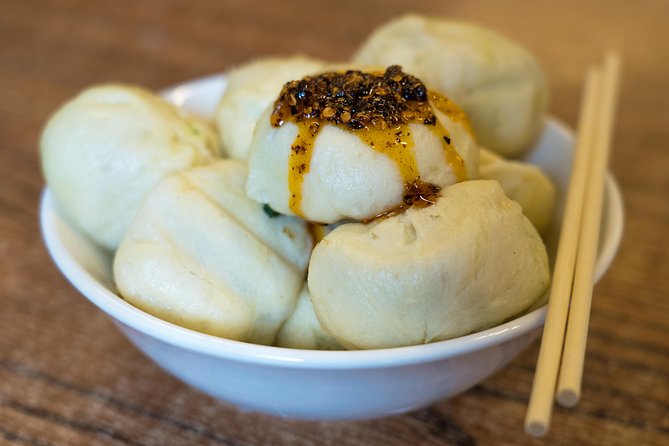
This tour is designed to take you off the main food corridors and into side streets. Instead of stopping where menus are built for tourists, you go to the kinds of everyday places where residents actually start their day.
That choice pays off in two ways:
- Better atmosphere: You see normal routines—people grabbing breakfast quickly, chatting, and moving on.
- Better food odds: Places that rely on local repeat business tend to be consistent, even if the signage is minimal.
Also, the group size helps here. A smaller group doesn’t clog walkways as much, and it’s easier for the guide to handle small logistics like timing and getting everyone into the right stall quickly.
Temple of Confucius and Guozijian Museum: A Cultural Pause Without Killing the Morning
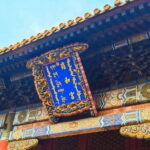
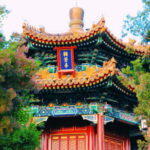
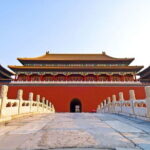
After you cross from the Lama Temple area, you’ll spend time near the Temple of Confucius and Guozijian Museum area. The tour includes a quick look at a major gate structure, then you follow leafy hutongs and pass by these landmark sites.
This isn’t a long, slow sightseeing detour. It’s a short cultural checkpoint that keeps your bearings and adds meaning to the morning walk. The timing is helpful too: you get food, then you get a break to reset before the final stretch.
If you love learning how daily life and cultural space overlap in Beijing, you’ll enjoy this stop. If you’re mainly in it for food only, consider it a quick visual context break rather than a headline museum moment.
Finishing Near the Bell & Drum Towers: Practical Orientation
The tour ends near the Bell & Drum Towers area. These towers are known as a historical timekeeping reference point on Beijing’s central axis, and in real life they help you re-orient quickly after walking in hutongs.
You finish at 219 An Nei Da Jie, near the intersection of Andingmen Nei Dajie and Gulou Dong Dajie. From there, it’s about a 15-minute walk to either Beixinqiao Metro (Line 5) or Andingmen Metro (Line 2).
That’s a nice setup. You get out of the hutongs with a clear landmark nearby, then you can head to other parts of the city without feeling lost.
Price and Value: Why $55 Can Actually Make Sense
At $55 per person, this doesn’t try to compete with free street snacking. But it does something more useful than just handing you food coupons: it buys you guidance, pacing, and access to local breakfast spots.
Here’s where the value comes from:
- Multiple tastings add up to what can replace a real meal, reducing your need to pay for breakfast separately
- A guide handles the ordering and helps you understand what you’re eating, including how dishes show up in routine
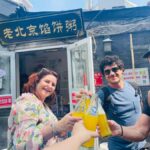
- Bottled water and soft drinks are included, so you’re not hunting for drinks mid-walk
- A post-tour welcome packet adds practical restaurant recommendations and local travel tips so your first hours in Beijing don’t stay guesswork
Also, this is the kind of experience that’s easier to enjoy when you don’t have to negotiate language barriers. If you’ve ever stood in front of a stall trying to figure out what’s safe, tasty, and fast, you already know why this matters.
When This Tour Is a Great Fit (and When It Might Not Be)
I think this tour is best for:
- First-timers in Beijing who want an early win on local food
- People who like walking and don’t mind alleyway detours
- Anyone who wants more than a food list—someone who wants the why behind the dishes
- Eat-curious visitors who enjoy both savory and sweet breakfast bites
It may be less ideal if:
- You need strict dietary accommodations and haven’t planned ahead. You can request dietary needs when booking, but it requires advanced notice.
- You hate walking or have mobility constraints, since it’s a walking hutong tour.
- You’re extremely cautious about trying new textures (tofu, jianbing, and fried dough aren’t everyone’s favorite on the first try).
Booking Smart: What to Know Before You Go
A few practical points to help you have a smooth morning:
- It starts at 8:00 am, so set your alarm like you mean it.
- It runs for about 3 hours total.
- It’s maximum 8 people, so it stays intimate and question-friendly.
- You’ll use a mobile ticket.
- It’s near public transportation, which is helpful for the start and especially for getting home after you finish near Gulou area.
The average booking lead time is about 19 days, which is a hint that good mornings get snapped up. If you’re traveling in a busy season, book early and lock it in.
Should You Book the Beijing Hutong Breakfast Food Tour?
Yes, I’d book it if your priority is authentic Beijing breakfast in real neighborhoods, not a checklist meal in a tourist lane. The combination of small-group walking, substantial tastings, and a guide who explains both food and routine is exactly what makes this worth paying for.
Skip it only if you’re not into walking, you’re not willing to try a variety of textures (especially tofu and jianbing), or you need dietary support but didn’t plan early enough to request it.
If you want a first-day highlight that feels like Beijing, not a themed version of it, this one is a strong choice.
FAQ
What time does the Beijing Hutong Breakfast Food Tour start?
The tour starts at 8:00 am.
How long is the tour?
It lasts about 3 hours.
Is food included, and what kinds of breakfast items are served?
Yes. The tour includes breakfast tastings and you can expect items such as baozi (steamed buns), jianbing (savory pancakes), silken tofu with savory toppings, fried dough, sweet soy milk, brown sugar donuts, and almond pudding.
Are drinks included?
Yes. Bottled water and soft drinks are included.
Where do I meet and where does the tour end?
You meet near the Lama Temple subway area (C side by the Kouzhan Bike Rental Station) and the tour ends at 219 An Nei Da Jie near the intersection of Andingmen Nei Dajie and Gulou Dong Dajie.
What if I have dietary requirements?
You should advise any specific dietary requirements at the time of booking by emailing in advance, since advanced notice is required to cater to restrictions.