REVIEW · BEIJING
Beijing: Hutong Breakfast Food Tour
Book on GetYourGuide →Operated by Lost Plate Food Tours · Bookable on GetYourGuide
One morning, twelve reasons to get moving. A hutong breakfast tour is a fast way to understand old Beijing through food, and this one leans hard into bold classics like Douzhi and handmade pork zongzi. I love that you get a real route through local market life, not just a string of tastings in front of the same block, and I also like the mix of savory comfort foods plus a few sweet surprises. The one drawback to consider: you are eating a lot in a short 3 hours, so if you want slow pacing or very specific dietary substitutions, you may feel rushed (vegetarian-friendly, but substitutions are not available for every dish).
Here is the practical part that matters: the tour starts at the Zhongguo Meishuguan subway area (Line 8, Exit B), and your guide will be easy to spot with a bright yellow Lost Plate tote bag. You’ll be walking through hutong lanes and courtyards, which is great for atmosphere and photos, but you should plan to wear comfortable shoes and keep your hands free.
The best way to think of this experience is as an all-access pass to Old Beijing breakfast flavors: tangy, crispy, chewy, and a little weird in a good way.
In This Review
- Key Points Worth Knowing Before You Go
- Finding the Guide at Zhongguo Meishuguan Exit B
- What You Eat in 3 Hours: Zongzi, Jianbing, Douzhi, and More
- Aunt Jie’s Zongzi: Handmade Craft You Can Actually See
- Douzhi: The Bold, Michelin-Recognized Beijing Breakfast Tradition
- Mr. Yu’s Beef Flatbread and Tofu Pudding
- Hutong Secrets: Stone Doorways, Signs, and Courtyards
- Jianbing With a Cheesy Twist: The Hole-in-the-Wall Moment
- Sweet Pancake Reality Check: Red Bean Paste Comes Up
- Price and Value: Why $45 Can Feel Like a Deal
- Logistics and Comfort Tips That Make the Walk Easier
- Who This Tour Suits Best (and Who Might Feel Frustrated)
- Should You Book This Beijing Hutong Breakfast Tour?
- FAQ
- Where is the meeting point for the hutong breakfast tour?
- How long is the Beijing hutong breakfast food tour?
- What subway line should I take?
- Is hotel pickup included?
- What food and drinks are included in the price?
- Is the tour vegetarian-friendly?
- Is the tour suitable for people with mobility impairments?
Key Points Worth Knowing Before You Go
- Start at Line 8, Exit B: Zhongguo Meishuguan station is the key, and the guide is waiting outside with a bright yellow Lost Plate tote bag.
- 12+ dishes across 5+ hidden spots: you’ll snack your way through multiple local stops, with unlimited food and drinks at more than 6 places.
- Douzhi is the signature challenge: bold, Michelin-recognized tradition that’s a real Beijing breakfast conversation starter.
- Handmade pork zongzi from Aunt Jie: classic wrapping craft, plus the satisfaction of trying it right at the source.
- Mr. Yu’s comfort food combo: beef flatbread and tofu pudding are the kind of foods that feel like childhood, not tourist food.
- A cheesy jianbing hole-in-the-wall: expect a savory pancake moment you’ll talk about later.
Finding the Guide at Zhongguo Meishuguan Exit B
Getting to the meeting point is usually the easiest part, as long as you follow the station exits carefully. Head to Zhongguo Meishuguan (National Art Museum) on subway Line 8. When you exit, go to Exit B and stay on the street level—your guide will be upstairs outside the exit, waiting.
Look for the bright yellow Lost Plate tote bag. That visual cue sounds small, but it saves time when the station area is busy.
Plan extra time if you’re arriving during rush hour, because traffic around this zone can be heavy. If you are using navigation, Google Maps may require a VPN in China, but a Baidu Map link is also provided—use whichever one works smoothly for your setup.
You can also read our reviews of more tours and experiences in Beijing.

What You Eat in 3 Hours: Zongzi, Jianbing, Douzhi, and More
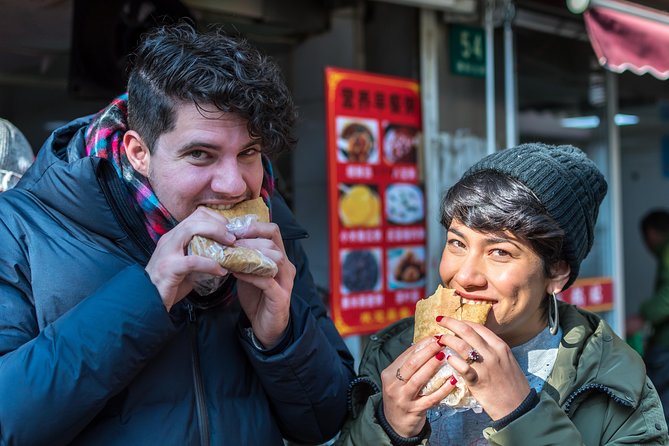
This is a snack marathon built for breakfast energy. Over the 3-hour walk, you’ll try 12+ dishes across 5+ hidden spots, with unlimited food and drinks at more than 6 eateries and street stalls. That matters because it keeps the price feeling fair—you’re not paying for a few bites and paying again for everything else.
You’ll see a lot of variety in texture and flavor. There are crispy items, chewy dumpling-like bites, tangy ferments, and hot pancakes. There are also sweet stops, including imperial-era sweets once made for emperors, which gives the tour a sense of where certain flavors came from.
The highlights are clear, but the real win is how the stops complement each other:
- You start with market and handmade craft (zongzi).
- You hit a bold signature tradition (douzhi).
- You slow down into comfort food (beef flatbread and tofu pudding).
- You finish with a classic street breakfast format, upgraded with a cheesy twist (jianbing).
Aunt Jie’s Zongzi: Handmade Craft You Can Actually See
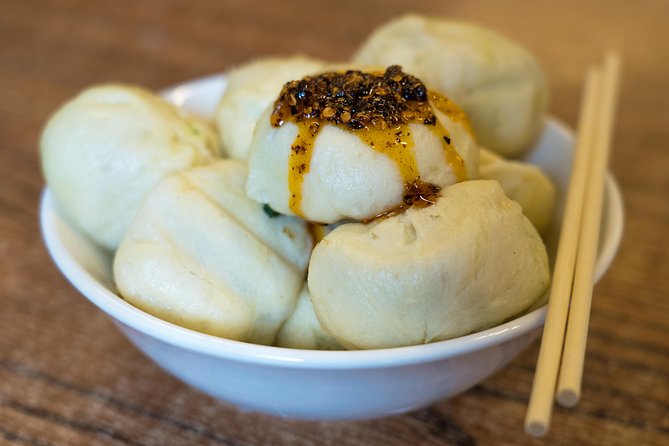
One of the strongest moments is the handmade pork zongzi stop with Aunt Jie. Zongzi are rice dumplings wrapped in leaves, and the best part of trying them on a tour like this is timing: you are eating them in the context of the making.
Even if you’ve had zongzi before, this is the kind of tasting that connects the food to process. You’re not just tasting; you’re learning what makes a good wrap, and why handmade versions feel different—more fragrant, more consistent, and often more satisfying.
It also sets you up for the rest of the tour. Zongzi are filling, so you can handle the punchier flavors later without feeling like your stomach is overloaded too early.
Douzhi: The Bold, Michelin-Recognized Beijing Breakfast Tradition
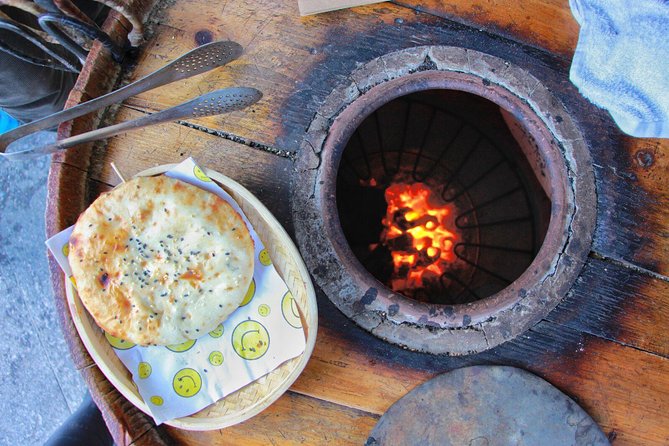
If you’re curious about why Beijing breakfast has a reputation, you’ll get your answer with douzhi. The tour frames it as Beijing’s boldest tradition and highlights it as Michelin-recognized, so it’s not the kind of food you accidentally stumble into on your own.
Douzhi can be an acquired taste because it leans tangy and fermented, and it is very much a local attitude food. On a tour, that’s the advantage: your guide can help you understand what to expect before you take that first bite.
Practical tip: treat douzhi like a deciding moment, not a background snack. Taste it, then keep moving. The surrounding food stops—crispy items and warm pancakes—make it easier to balance the flavor without needing to stop and “reset” every few minutes.
Mr. Yu’s Beef Flatbread and Tofu Pudding
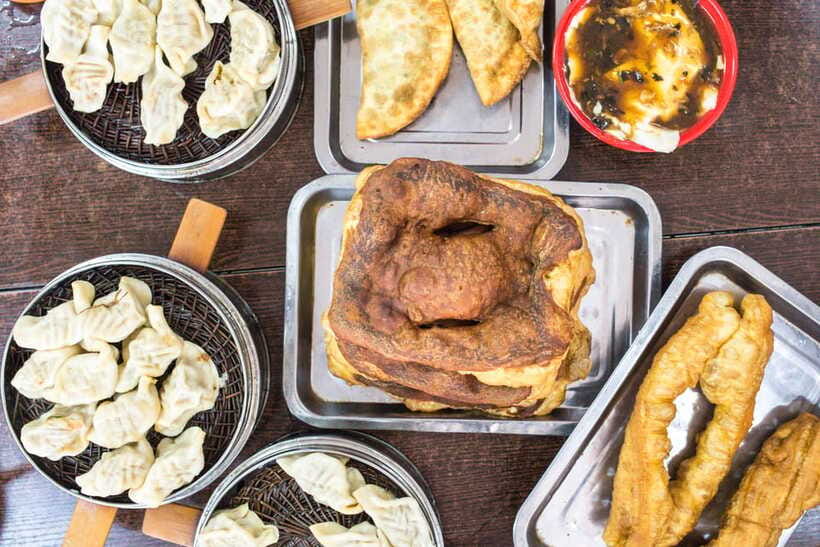
A major comfort-food stop comes from Mr. Yu, where you’ll try beef flatbread and tofu pudding. This isn’t just about flavor. It’s about mood.
Beef flatbread is hearty and filling, usually with a satisfying chew and savory depth. Tofu pudding adds a smoother texture and a gentle palate feel, which is a nice counterpoint after the more intense items.
The tour also emphasizes that this is comfort food shaped by childhood memories—so even if you don’t grow up in Beijing, the goal is that you’ll taste the familiar logic behind what people reach for at breakfast. For you, that means fewer “food stunt” moments and more “this actually makes sense” bites.
Hutong Secrets: Stone Doorways, Signs, and Courtyards
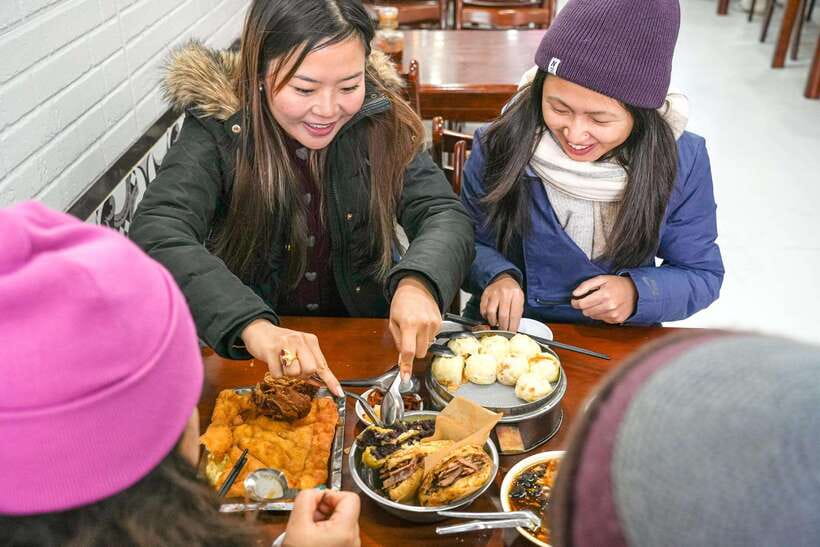
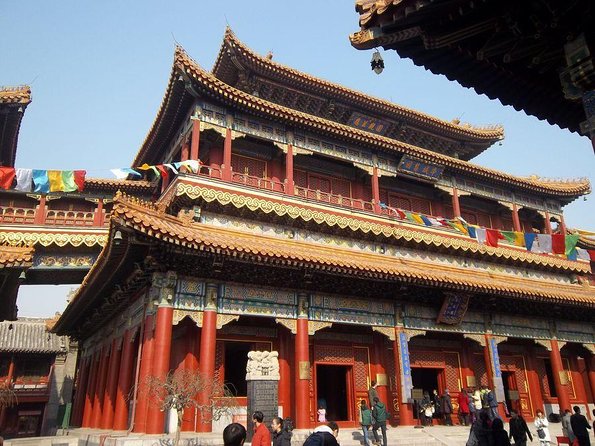
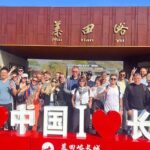
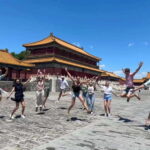
The best tours in Beijing don’t only feed you; they teach you how to notice. This one includes a walk through hutong lanes where you’ll see quirky details in stone doorways, signs, and courtyards.
Why I like this part: it turns the food into a story you can picture. When you understand how narrow lanes, courtyard homes, and old signage work, the snacks stop feeling random. You start seeing how breakfast culture fits into daily life.
Also, this walking section helps your appetite. You’re covering ground on foot, and the change of scenery between stops keeps the experience from feeling like a checklist.
Practical note: the tour isn’t suitable for people with mobility impairments. It’s a walking experience through hutongs, so assume uneven, tight, and weather-exposed areas.
Jianbing With a Cheesy Twist: The Hole-in-the-Wall Moment
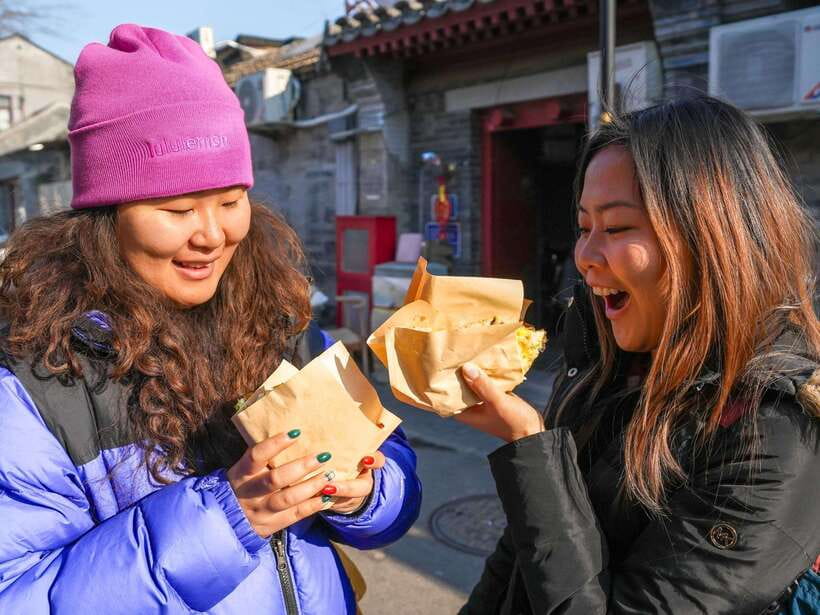
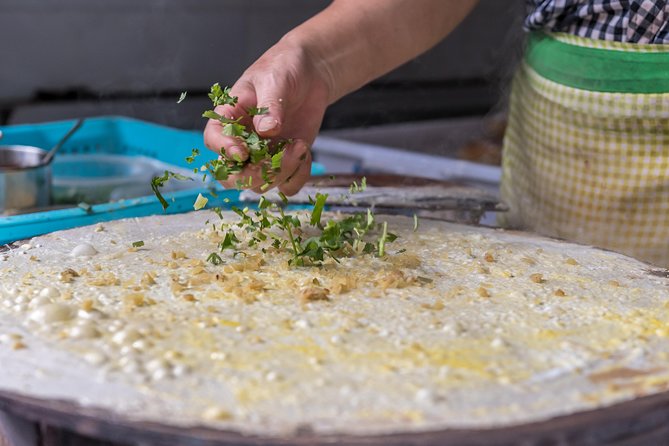
No Beijing breakfast tour is complete without jianbing, and this one includes a cheesy twist at a hole-in-the-wall favorite spot. Jianbing is already a street breakfast classic, but adding cheese changes the texture and richness, making it a more filling, slightly more indulgent bite.
This stop also tends to feel like a payoff. After zongzi, douzhi, and comfort-food bowls and plates, the jianbing gives you something hot, crisp-edged, and easy to eat while walking.
If you’re the type who wants one “signature” bite to remember, this is often it. The cheesier profile makes it feel more modern without turning it into a completely different food.
Sweet Pancake Reality Check: Red Bean Paste Comes Up
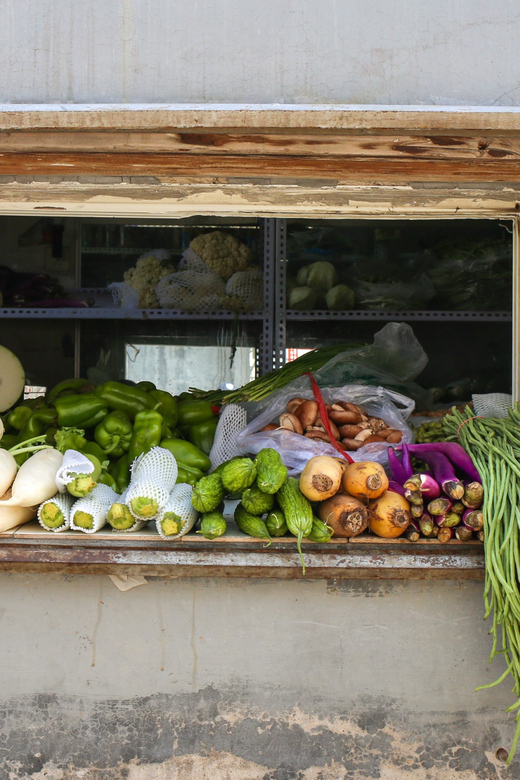
This tour includes sweet pancakes and other sweets, including references to imperial-era desserts. That sounds fun, and it is—just be prepared for a sugar pattern.
Some people’s favorite moments are sweet, like a sweet pancake, and an egg-and-bacon style pancake. But the tour can also stack several red bean paste dessert bites in a short span. If you know you don’t love red bean paste, you’ll want to pace your bites and keep water nearby.
Good news: the tour includes unlimited water and soft drinks. So you can balance sweetness without feeling like you have to order extra things on your own.
Price and Value: Why $45 Can Feel Like a Deal
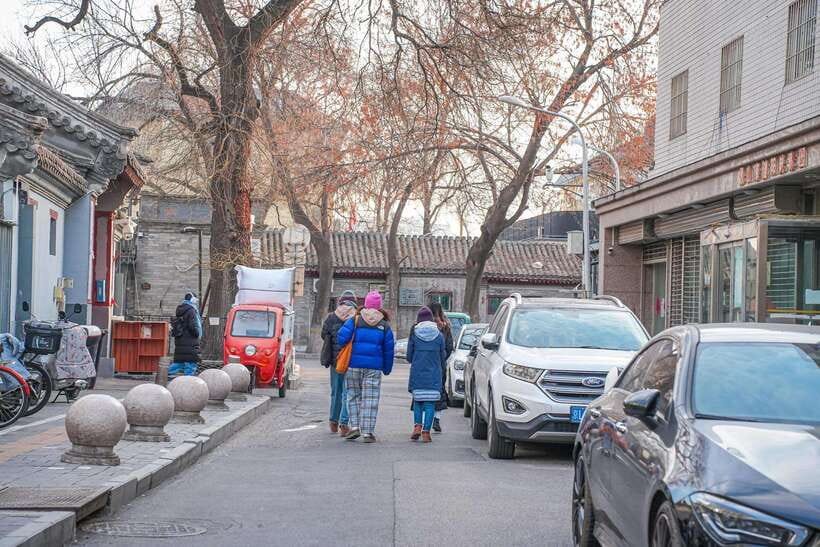
At $45 per person for about 3 hours, the math works mainly because of volume. You’re getting unlimited food and drinks across more than 6 places, plus water and soft drinks, and you’re trying 12+ dishes. That’s the difference between a tasting tour and a food tour.
Also, you’re paying for an English-speaking guide who helps you navigate hidden stops you’d likely miss without local context. Even if you’re comfortable ordering food, the tour reduces decision fatigue and adds meaning to what you eat—especially for foods like douzhi.
Is it worth it if you’re picky? It can still be worth it, but keep the substitution rule in mind: the tour is vegetarian-friendly, yet substitutions are not available for every dish. If you have strict needs beyond vegetarian preferences, you may need to evaluate carefully.
Logistics and Comfort Tips That Make the Walk Easier
A few small choices can make or break this kind of tour.
Wear comfortable shoes. Hutong walking is part of the deal, and you’ll be moving between courtyards and market areas. Also, you can’t bring luggage or large bags, so travel light.
It operates rain or shine, so dress for the weather. If it’s wet, expect slippery pavement and fewer options to dry off between stops. The tour keeps going, which is great for reliability, but you should show up ready.
Group size isn’t listed, but the tour requires a minimum number of people to operate. If it doesn’t meet the threshold, you might be offered an alternative date or a full refund, so it’s usually easiest to book when your schedule has a little flexibility.
Who This Tour Suits Best (and Who Might Feel Frustrated)
This is a strong fit for you if you want:
- A breakfast-focused tour that’s actually filling
- Local foods you might not order confidently on your own
- A mix of savory and sweet, with at least one challenging tasting like douzhi
- An English guide who explains what you’re eating and why it matters
It may feel less ideal if:
- You have mobility limitations and need a more accessible route
- You need lots of specific dietary substitutions
- You don’t handle strong, tangy flavors well, since douzhi is part of the core experience
- You prefer slow, seated meals rather than a steady moving format
Should You Book This Beijing Hutong Breakfast Tour?
I think this is an easy yes if you like food that tells you something—about habits, seasons, and what locals eat before the day gets busy. The combination of Aunt Jie’s handmade zongzi, Mr. Yu’s comfort stops, and the douzhi challenge makes this more than a snack crawl.
Book if you’re comfortable walking for 3 hours, you travel light, and you’re open to fermented and tangy flavors. Skip or reconsider if you can’t handle that pace, you need strict substitutions, or you want a more comfortable, less walking-heavy experience.
If you’re the kind of person who loves finding your way into local routines, this is one of the more rewarding ways to do it in Beijing.
FAQ
Where is the meeting point for the hutong breakfast tour?
Meet at Zhongguo Meishuguan (National Art Museum) Subway Station, Exit B, street level. Your guide will be carrying a bright yellow Lost Plate tote bag.
How long is the Beijing hutong breakfast food tour?
The tour lasts 3 hours.
What subway line should I take?
The meeting station is on subway Line 8. Follow signs to Exit B after you get off the train.
Is hotel pickup included?
No. Hotel pickup and drop-off are not included.
What food and drinks are included in the price?
You get unlimited food and drinks in over 6 eateries and street stalls, plus unlimited water and soft drinks.
Is the tour vegetarian-friendly?
It is vegetarian-friendly, but substitutions are not available for every dish.
Is the tour suitable for people with mobility impairments?
No. It is not suitable for people with mobility impairments.