REVIEW · BEIJING
Beijing: Zhongshan Park Entrance Ticket
Book on GetYourGuide →Operated by China Tour Guide · Bookable on GetYourGuide
Zhongshan Park feels like a time capsule in the middle of Beijing. This entrance ticket is a simple, cost-friendly way to reach a former imperial altar site turned public park, with standout stops like the Five-color Soil Altar area and the Yu Garden goldfish viewing. The trade-off: this is ticket-only, so you won’t have a guided tour to translate what you’re looking at.
I like that the plan is flexible. You get the park entrance, you use your own pace, and you can build in breaks when you want. One drawback to watch for is that any mismatch with your e-ticket details can slow you down at access control.
In This Review
- Key things that make this ticket work
- Zhongshan Park in central Beijing: why this altar-garden is worth your time
- Price and logistics: what $12 buys you (and what it doesn’t)
- Booking your QR code: the detail that can make or break entry
- Where to go first: Zhongshan Park Entrance Gate and your easiest starting flow
- The altar-area monuments: Five-color Soil Altar and the ritual buildings
- Yu Garden and goldfish viewing: a calmer, more everyday side of the park
- Laijin Yuxuan teahouse in the east: the break that turns a walk into an afternoon
- A realistic 1-day plan: how to pace Zhongshan Park without getting rushed
- Accessibility and comfort: what to know before you arrive
- Who this entrance ticket is best for (and who should choose something else)
- Should you book this Zhongshan Park entrance ticket?
- FAQ
- Is this ticket for a guided tour?
- Do I get hotel pickup or drop-off?
- Where do I meet for the ticket?
- When should I book?
- What do I need to provide to receive the QR ticket?
- How long is the ticket valid for?
Key things that make this ticket work
- Ticket-only flexibility: no guide, no hotel pickup, just entry to Zhongshan Park.
- Skip the ticket line: you’re meant to move faster than walk-up ticket buyers.
- QR delivery by email/WhatsApp: you supply passport and contact details so you receive the ticket images.
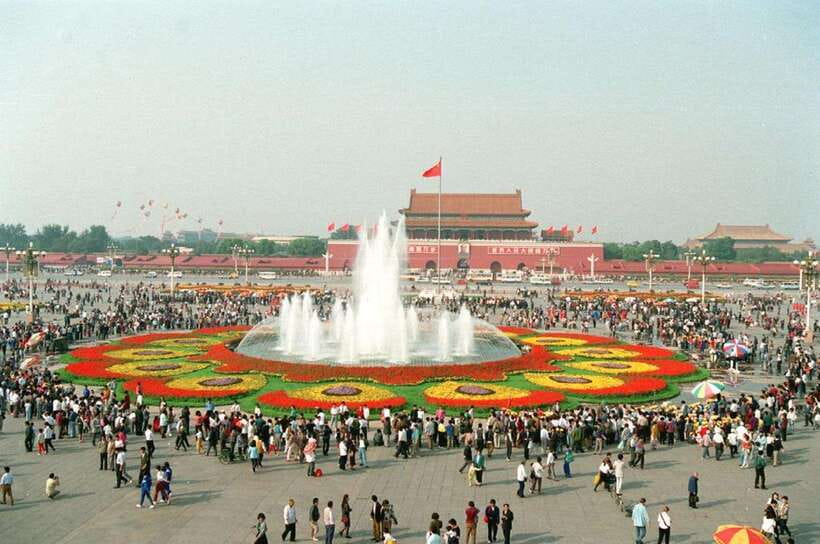
- Central location: it’s west of Tian’anmen Square, inside Beijing’s busy core.
- Self-paced sights: you choose how much time to spend at altar buildings, Yu Garden, and the teahouse area.
Zhongshan Park in central Beijing: why this altar-garden is worth your time

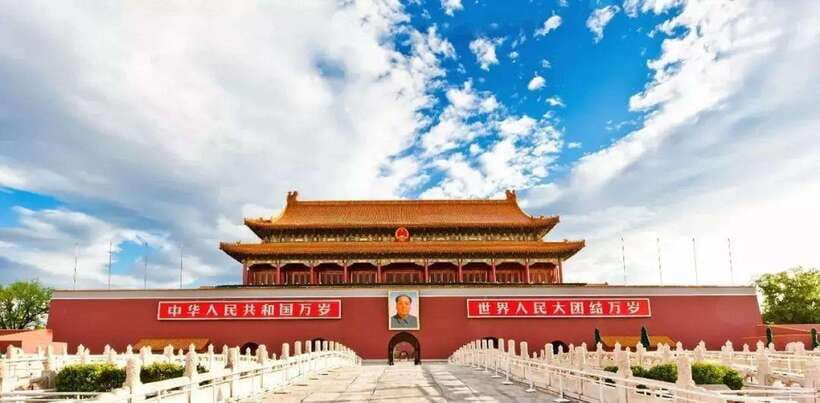
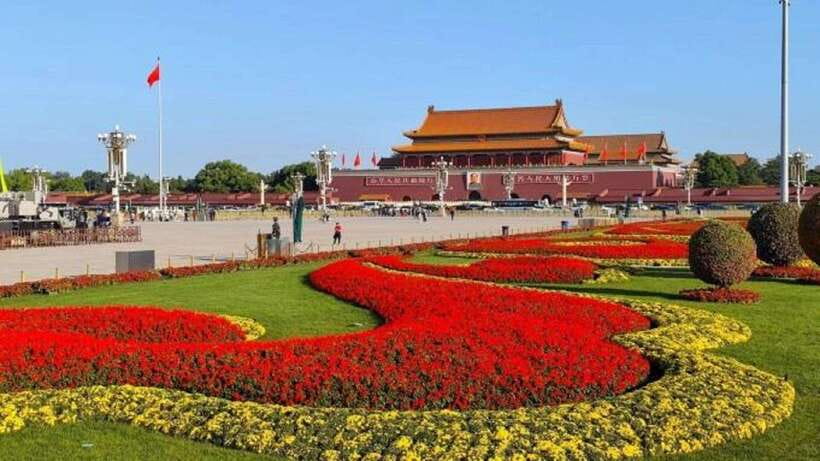
Zhongshan Park (中山公园) sits in central Beijing, to the west of Tian’anmen Square. If you’re already doing the classic Tian’anmen-to-Forbidden-City zone, this is one of the best ways to swap straight museum hours for a calmer, old-style garden that still carries meaning.
Here’s the key story: the park was originally the Shejitan, or Altar of Land and Grain. It was built in 1421 under the “left ancestral temple, right altar” system, which linked sacred space to imperial authority and national agricultural hopes. Ming and Qing emperors came here to offer sacrifices connected to earth and agriculture. In 1913, the site became a public park, and later it was renamed Zhongshan Park in 1928 in memory of Sun Yat-Sen.
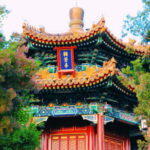
So what do you actually see on the ground? The park includes multiple ceremonial structures, plus garden-style highlights. You’re not just strolling grass paths; you’re walking through an area that was designed for major ritual and state-level symbolism. Even without a guide, you’ll feel the shift from strict imperial geometry to a more relaxed public garden life.
You can also read our reviews of more tours and experiences in Beijing.

Price and logistics: what $12 buys you (and what it doesn’t)
For about $12 per person, you’re buying a straightforward product: admission ticket only. That’s good value if your goal is independence, not a packaged explanation.
This ticket does not include:
- A tour guide
- Hotel pickup or drop-off
- Meals
That limitation matters more than it sounds. If you want the full behind-the-scenes story of every pavilion and altar function, plan to read up beforehand or use your phone for quick context once you’re inside. If you’re happy walking, taking your time, and letting the site’s scale do some of the explaining, then this ticket-only format is exactly the point.
It also helps that the park covers 23.8 hectares. That’s big enough for a full day of wandering, yet not so huge that you’ll feel trapped by transit logistics inside Beijing’s center.
Booking your QR code: the detail that can make or break entry
This experience runs on a QR code ticket system, and the small admin steps are not optional.
You need to book at least one day in advance. After booking, you must message with:
- Every visitor’s full name
- Passport number
- Contact details (email or WhatsApp) so they can send your ticket QR images
And yes, they specifically note that images can’t be received via messages, which is why email/WhatsApp matters. In practice, that means you should treat the QR delivery step like part of your trip planning, not a formality.
There’s also a clear caution from real-world experience: when ticket details don’t match what the system expects, you may end up spending extra time arguing with access control. The best fix is boring but effective—double-check your names and passport numbers are entered exactly as they appear on your passport, and make sure you provide an address (email/WhatsApp) that you’ll actually receive the QR on.
If you do that, the “skip the ticket line” feature becomes genuinely useful instead of turning into a promise you can’t cash.
Where to go first: Zhongshan Park Entrance Gate and your easiest starting flow

Your meeting point is the Zhongshan Park Entrance Gate. Since there’s no guided tour, your first job is mental: get your bearings fast, then move toward the park’s main points at a pace you can sustain.
A smart self-guided flow looks like this:
- Start by entering and doing a quick scan of the map signage.
- Walk toward the ceremonial altar buildings first if you want the biggest “imperial site” feeling while you still have energy.
- Then shift into garden-mode for Yu Garden and the teahouse area later.
Why this order helps: the altar structures tend to reward slow looking—details, layout, and scale. If you save those for the end, you’ll often rush because you’re tired.
Also keep in mind that one major teahouse location is noted as being in the east of the park. So if you want that break without backtracking, you’ll save steps by planning your route so you finish your walk toward the east.
The altar-area monuments: Five-color Soil Altar and the ritual buildings
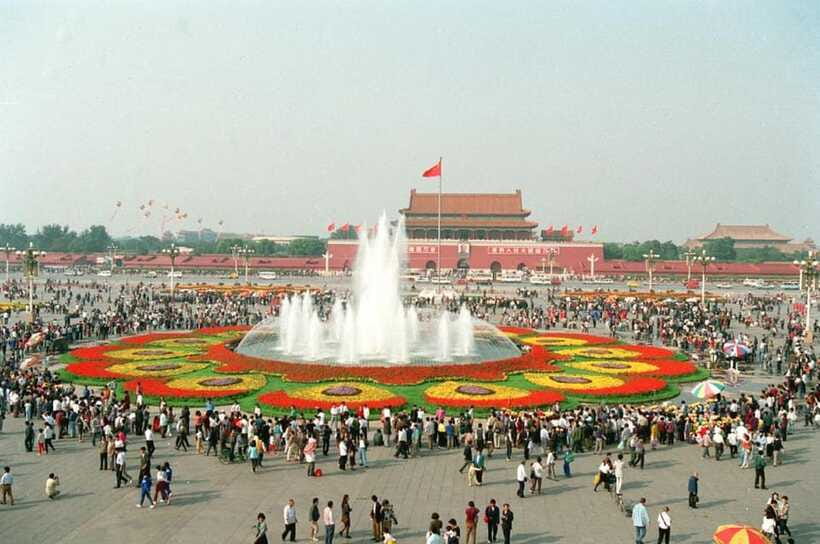
One reason this park feels different from typical city parks is that it still includes recognizable components from the old altar complex.
Inside Zhongshan Park, you can look for buildings and key spots such as:
- Five-color Soil Altar
- Sacrificial Kitchen
- Sacrificial Storehouse
- Animal Sacrifice Pavilion
Even if you don’t understand the technical details, you’ll likely appreciate the logic: these are not random photo stops. They connect to a ceremonial sequence—preparation, storage, and the rituals themselves—so the layout feels purposeful.
I like this part because it’s a blend of architecture and symbolism. In many parks, you’re mostly enjoying shade and flowers. Here, the design comes from state ceremony. That makes your walk more meaningful, even when you’re just moving from one structure to the next.
One practical note: because this is an entrance ticket with no guide, your experience depends on how much you want to interpret. If you’re the type who reads a few signs and then moves on, you’ll be fine. If you want deep historical explanations in every location, you’ll likely feel the missing guide.


Yu Garden and goldfish viewing: a calmer, more everyday side of the park
After the more ceremonial buildings, Zhongshan Park shifts into garden pleasures. One highlighted scenic spot is Yu Garden, where visitors can watch precious goldfish.
This is a good mid-day move, because it changes the mood from “big stone ceremony” to something more intimate and relaxing. Goldfish viewing also gives you a built-in reason to pause. If you’re traveling with kids or you just want a slower moment in your day, this kind of pocket attraction works well.
Since Yu Garden is listed as one of the park’s scenic points, you can treat it like an anchor. Spend time here, then decide whether you want to linger around other structures or move on to the teahouse area.
Laijin Yuxuan teahouse in the east: the break that turns a walk into an afternoon
A century-old teahouse, Laijin Yuxuan, is located in the east of the park. This is the kind of detail that can quietly upgrade a ticket-only visit into a more memorable day.
Because you’re not paying for a guided lunch or meal package, the teahouse option is your chance to add local rhythm. Even if you don’t turn it into a big sit-down meal, simply taking a pause in a long-running teahouse setting helps you absorb the park as more than just a set of sights.
The east location matters for pacing. If you plan to reach Laijin Yuxuan near the end of your visit, you’ll likely walk less back-and-forth. If you go there early, you may reduce your energy for the altar buildings later.
A realistic 1-day plan: how to pace Zhongshan Park without getting rushed
This ticket is valid for one day, and the park’s 23.8 hectares is enough space to justify taking it slow. Still, you don’t want to wander aimlessly for hours if you have limited time in Beijing.
A practical pacing strategy:
- Do your “high meaning” stops first (altar buildings like the Five-color Soil Altar area).
- Follow with the scenic garden moment (Yu Garden and goldfish viewing).
- Finish with the teahouse in the east (Laijin Yuxuan), so your day ends with a natural rest.
If you’re the fast-walker type, you can still cover the main highlights and squeeze in extra photos. If you like lingering, you can spend longer near the ceremonial buildings and then relax at Yu Garden before settling down at the teahouse.
What you won’t get here is a built-in schedule. Since this is admission only, your timing is yours to control. That’s a plus if you like independence, and a minus if you need structure.
Accessibility and comfort: what to know before you arrive
The ticket setup says it’s wheelchair accessible, which is helpful if mobility is part of your planning. Also, the only required bring item is your passport.
If you’re traveling from other central sights, build in time for walking and for any on-the-ground entry checks. The positive side of the system is “skip the ticket line,” but real entry time can still vary depending on how smoothly your QR is recognized.
Who this entrance ticket is best for (and who should choose something else)
This experience fits best if you:
- Want independence in a central Beijing location near Tian’anmen Square
- Prefer self-guided walking rather than paying for a guided explanation
- Like mixing architectural/ritual sites with garden breaks
- Are comfortable doing your own reading on key spots
It may not be the best fit if you:
- Expect a guide to interpret the altar complex and building functions
- Want hotel pickup/drop-off convenience
- Need a meal package included in the price
In other words, this ticket works like a key. You unlock the park, then you choose how you want the day to unfold.
Should you book this Zhongshan Park entrance ticket?
I’d book it if you want a low-friction, budget-friendly way to visit a major central Beijing park with real ceremonial depth. The value is strongest when you can handle the ticket-only setup: you bring your passport, you provide accurate details, and you follow through on receiving the QR images by email or WhatsApp.
I’d be cautious if you know you’re likely to enter wrong personal info or you won’t keep an eye on your email/WhatsApp after booking. In that case, the risk isn’t the park—it’s the moment you hit access control with a QR that doesn’t match.
If you like structure, you may also want a guided tour add-on elsewhere, because this ticket won’t explain the Five-color Soil Altar or the ritual buildings for you. But if you enjoy wandering with a light plan and a few key targets, this is a solid way to spend a day in Beijing without overpaying for logistics.
FAQ
Is this ticket for a guided tour?
No. This option includes admission to Zhongshan Park only. It does not include a tour guide.
Do I get hotel pickup or drop-off?
No. There is no hotel pickup or drop-off included.
Where do I meet for the ticket?
The meeting point is Zhongshan Park Entrance Gate.
When should I book?
You must book at least one day in advance.
What do I need to provide to receive the QR ticket?
Send each visitor’s full name, passport number, and an email or WhatsApp address for receiving the ticket QR images.
How long is the ticket valid for?
It’s valid for 1 day.