REVIEW · HANGZHOU
Day Tour to Discover the Secrets of Hangzhou’s Tea Culture
Book on Viator →Operated by China Private Tours · Bookable on Viator
Longjing tea is the main character today. This 6-hour Hangzhou tour packs Longjing/Dragonwell sights into a smooth day: the China National Tea Museum, the famous tea bushes, and tea village production lessons south of West Lake.
I especially like how the day stays focused on tea itself, not just photos. Seeing the Eighteen Imperial Tea Bushes and learning what makes Dragonwell special in the first place is the kind of cultural detail you’ll remember long after the tasting cup is empty.
Second, I like the “do the thinking for you” side of the logistics: hotel pickup or train-station pickup, an AC car, bottled water, and an English-speaking guide who can explain what you’re actually looking at. One drawback to plan for: the schedule is tight, so you won’t have hours to wander on your own—expect guided timing and some walking.
In This Review
- Key points to know before you go
- Longjing Tea Culture Right South of West Lake
- Price and Logistics: What You’re Paying For
- The Day’s Rhythm: From West Lake Views to Tea Museum Learning
- Stop 1: West Lake (Xi Hu) for orientation and atmosphere
- Stop 2: China National Tea Museum (1.5 hours)
- The Imperial Tea Story: Eighteen Imperial Tea Bushes
- Meijiawu Tea Village: The Place Where Learning Turns Practical
- Stop 3: Hangzhou Longjingshan Tea Cultural Village / Meijiawu (about 2 hours 20 minutes)
- Lunch option: restaurant or a homecooked meal at a farmer’s home
- QingHeFang (Hefang Street): A Short Cultural Reset After Tea
- Stop 4: QingHeFang / Hefang Street (about 1 hour)
- Guide Quality Makes a Difference: Why This Tour Usually Feels Personal
- How Long Will It Feel? Manage Your Expectations
- What to Bring (and What to Plan For)
- Who This Tour Suits Best
- Quick Reality Check: The Main Trade-offs
- Should You Book This Hangzhou Tea Culture Tour?
- FAQ
- FAQ
- Is pickup included?
- What is the duration of the tour?
- What attractions are included in the itinerary?
- Does the tour include tea tasting?
- Are entrance fees included?
- Is lunch included?
- What’s the weather situation?
- Do you need to know Chinese?
- Is the tour private?
Key points to know before you go
- Real Longjing tea focus: You’ll connect the tea in the cup to how it’s grown and processed nearby.
- Imperial Tea Bushes stop: The attention from an emperor in the 1700s is part of the story you’ll see on-site.
- Tea museum time: The China National Tea Museum gives context before the village visits.
- Meijiawu Tea Village production learning: This is where the day gets practical, not just scenic.
- Cultural stroll at Hefang Street (QingHeFang): A chance to balance tea learning with Hangzhou street life.
- Private group experience: Only your group participates, so you can ask questions without feeling rushed.
Longjing Tea Culture Right South of West Lake
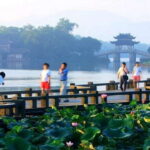
Hangzhou’s West Lake is famous for a reason, but this tour treats it like a gateway—then takes you into the tea world just south of it. You’re in the Longjing area, where Dragonwell tea (Longjing) is grown and where a lot of the “how it’s made” story happens close to the city.
What I like most is that the day isn’t built around generic sightseeing. You get a clear through-line: how tea becomes tea. You’ll start with West Lake, then move into museum context, then head to the Longjingshan/Meijiawu tea area for the production side, and finish with a cultural street stop at QingHeFang.
Also, the trip is designed to be easy on your body and time. You’ll have hotel or train station pickup and drop-off, plus an AC car. Even if you’re not trying to cover “everything,” this kind of planning matters—especially in Hangzhou, where getting around efficiently saves energy for the parts you actually came for.
You can also read our reviews of more tours and experiences in Hangzhou.

Price and Logistics: What You’re Paying For
At $161 per person for about 6 hours, this isn’t a bargain-bin outing. But it’s also not just paying for transportation. Your ticket includes entrance fees, a guide, and a tea tasting at the tea village, plus bottled water during the day.
Here’s how I’d frame the value:
- You get English-speaking guidance through multiple themed stops (museum + tea sites).
- You avoid time lost to route-finding because pickup/drop-off is handled.
- You’re not stuck with a long shopping push; the attention stays on tea culture and the places tied to Longjing.
One practical note: “private tour” here means only your group participates. That’s ideal if you like asking questions and want a day that doesn’t feel like cattle herding. If your group is small, the private format can actually feel like good value compared with cobbling together separate tickets and transport.
The Day’s Rhythm: From West Lake Views to Tea Museum Learning
Stop 1: West Lake (Xi Hu) for orientation and atmosphere
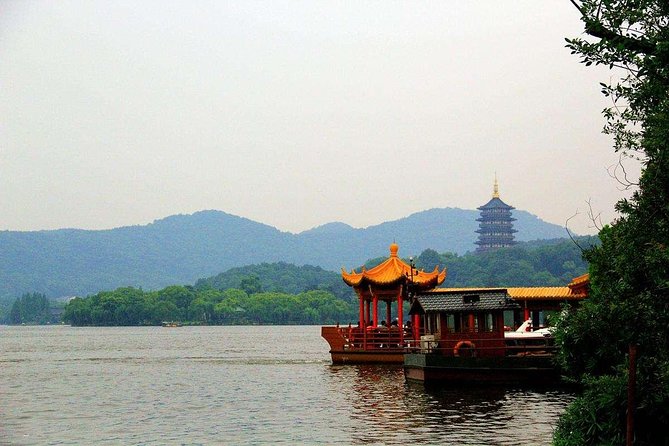
You begin with pickup, then ease into the day with a West Lake stop. This works well because West Lake gives you a mental reset—plants, water, and the sense of place—before you switch into tea details.
Even though the West Lake portion isn’t described as the “main lesson,” it’s useful. It helps you understand why Longjing tea is tied to this region’s identity. You’ll also get a longer, more relaxed start than you would if you jumped straight into museum time.
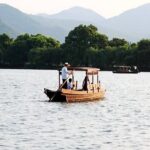
If you like small extras, the Long Lake area often allows for optional time such as a short boat ride on West Lake—at least one version of this experience has included it as a nice change of pace. If that matters to you, ask your guide or confirm with the provider ahead of time.
Stop 2: China National Tea Museum (1.5 hours)
After West Lake, the China National Tea Museum is where the background comes in. This is the stop that helps you connect what you see later at the tea village to a bigger tea story.
With your English-speaking guide, you’re not just looking at objects behind glass. You’re getting explanations that link tea culture to real production and regional identity. This is the kind of museum visit that’s most enjoyable when you treat it like a briefing before hands-on learning.
One benefit of spending about 1.5 hours here: it’s long enough to get real context, but not so long that you feel museum fatigue. It sets you up for Meijiawu without making the day feel like school.


The Imperial Tea Story: Eighteen Imperial Tea Bushes
This is the stop name-checks for a reason. You’ll see the Eighteen Imperial Tea Bushes, known from an emperor’s attention in the 1700s. That detail isn’t just trivia. It gives you a lens for why Longjing became a big deal—tea here wasn’t only a local drink. It carried status, reputation, and historical weight.
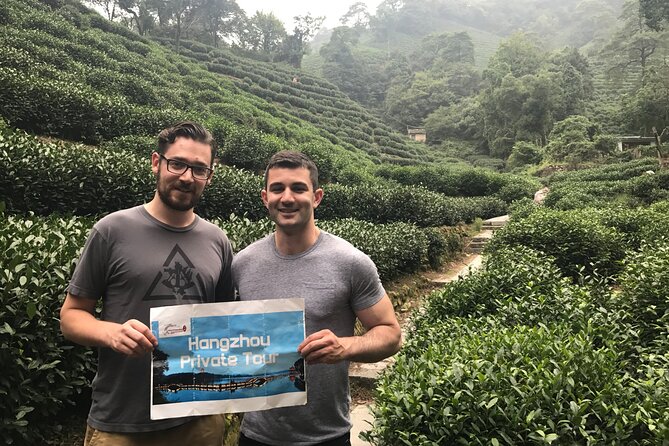
Walking among these famous bushes changes how you experience tea. Instead of thinking of tea as just a product, you start thinking of it as a plant with a specific growing environment and a long cultural memory.
If you’re the kind of person who likes “why this matters” stories, this is a highlight. And if you’re more practical, the imperial backstory still helps you understand why the region protects and celebrates these tea traditions.
Meijiawu Tea Village: The Place Where Learning Turns Practical
Stop 3: Hangzhou Longjingshan Tea Cultural Village / Meijiawu (about 2 hours 20 minutes)
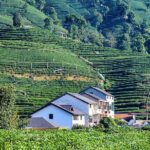
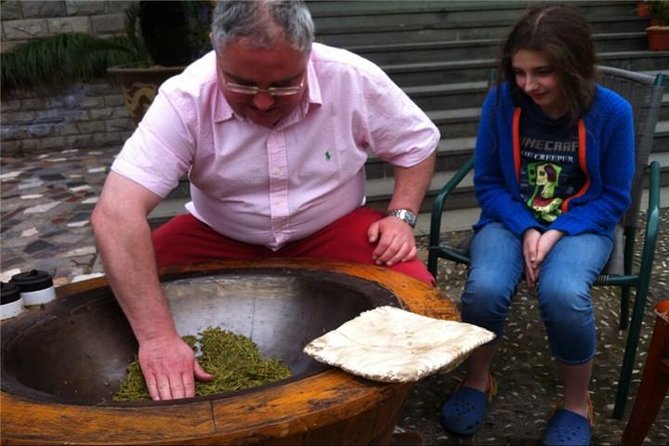
This is where the day feels most grounded. In Meijiawu Tea Village, your guide’s role shifts from explaining history to helping you understand tea production and tea culture as a process you can picture.
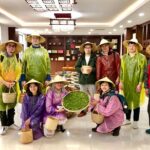
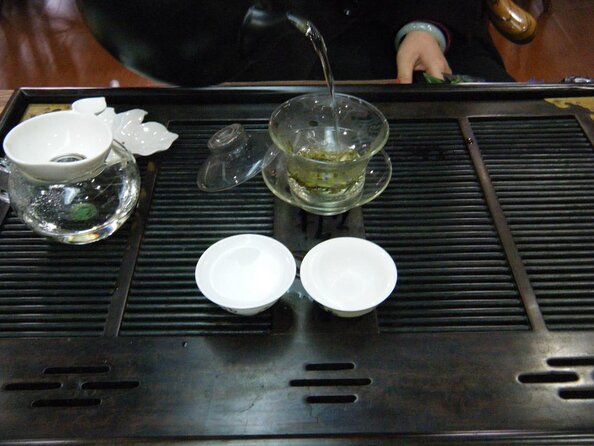
You’ll be welcomed into a traditional tea house setting, then guided by local tea farmers and your tour guide. You also get a tea tasting at the tea village, which is one of the best parts of the itinerary because you can compare what you learned to what you taste.
A practical tip: bring your curiosity, not just your hunger for photos. Ask what you’re tasting and why different steps matter. Even if you don’t become a tea expert by the end of the day, you’ll leave with a clearer sense of how Longjing’s identity is shaped by where it grows and how it’s processed.
Lunch option: restaurant or a homecooked meal at a farmer’s home
Food is part of tea culture here, and you have options depending on the tour package you book. You can choose lunch at a local restaurant run by locals, or opt for a homecooked meal at a farmer’s home.
This is a genuine “make it yours” choice. If you want cultural texture without too much extra travel, a local restaurant lunch is easy. If you want the warm, lived-in feeling of a farmer’s home meal, that option is built into the experience when you book the right setup.
If you have dietary needs, it’s important to advise them at booking. The tour notes ask you to share any dietary requirements ahead of time.
QingHeFang (Hefang Street): A Short Cultural Reset After Tea
Stop 4: QingHeFang / Hefang Street (about 1 hour)
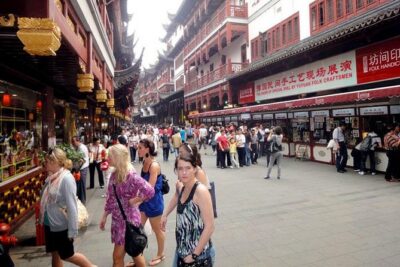
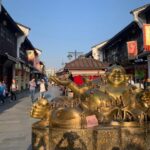
After tea-focused learning, the Hefang Street (QingHeFang) stop is a nice change of pace. Your guide helps you navigate the pedestrian area and points you toward the local cultural essence of Hangzhou.
This isn’t positioned as a long shopping spree. It’s more like a way to round off the day with street-level Hangzhou life. If you like grabbing a snack, seeing old-style street rhythm, or just getting a sense of the city beyond tea museums, this hour is well used.
One caution: this is a walking stop. Wear comfortable shoes. Also, since the tour runs in all weather, bring a plan for rain or heat.
Guide Quality Makes a Difference: Why This Tour Usually Feels Personal
The best tours are the ones where the guide can explain what you’re seeing without turning it into a lecture. This one tends to hit that sweet spot because it’s built around an English-speaking expert guide and private group pacing.
You’ll get different guide styles, but the names that show up in the experience include Bonnie, Ivy, Sharon, and Nancy. In each case, the common thread is strong tea and local history understanding, plus good coordination with the driver so the day doesn’t feel chaotic.
If you’re hoping to ask specific questions—like what to look for in Longjing tea, how tea processing affects flavor, or how the Longjing region gained its reputation—this format is well suited.
How Long Will It Feel? Manage Your Expectations
The whole experience runs about 6 hours. That sounds short until you realize it includes multiple locations: West Lake, the tea museum, tea village time, and a street stop. So you should expect a “guided pace” day.
The upside: you’ll cover a lot without spending half the time on transit problems. The downside: you won’t roam freely for long stretches. If your dream is a slow afternoon in tea village gardens with zero schedule pressure, this may feel a bit structured.
My advice: treat this as a focused taste of Hangzhou tea culture. For deeper independent exploring, you can come back another day to the areas you liked most.
What to Bring (and What to Plan For)
The tour notes emphasize practical comfort: comfortable walking shoes, and appropriate clothing for weather since it operates in all weather conditions. You’ll be on your feet across multiple stops.
You’ll also have unlimited bottled water provided, which is a small detail that really helps when you’re walking around tea sites.
If you’re sensitive to heat or humidity, plan your clothing like you would for an outdoor day. The tea village portion especially can involve strolling and standing while listening.
Who This Tour Suits Best
This experience fits you if:
- You want Longjing tea culture with real on-site connections (imperial bushes + tea village).
- You prefer a guide-led day over figuring out tickets and transport alone.
- You enjoy tasting something that you learned about a few minutes earlier.
It may be less ideal if:
- You hate structured schedules and want lots of unscripted time.
- You’re expecting a full West Lake day with minimal tea-related stops.
It’s also a good match for couples, small groups, and solo travelers who want a private setup and a clear itinerary.
Quick Reality Check: The Main Trade-offs
Here are the trade-offs I’d be honest about before you book:
- You’ll learn a lot about tea, but it’s not a “Hangzhou art and alleyways all day” tour.
- The day includes multiple themed stops, so you’ll walk more than you might expect from a “tea tasting tour.”
- Lunch options depend on the package you select, so double-check before you commit if food style matters to you.
Should You Book This Hangzhou Tea Culture Tour?
If you’re the kind of traveler who likes understanding what you’re tasting and where it comes from, I think this is a strong booking choice. The value isn’t just the tea tasting—it’s the chain from Imperial Tea Bushes to museum context to Meijiawu production learning, all organized with pickup, entrance fees, and a guide who can explain in English.
I’d skip it only if you’re mostly chasing broad West Lake sightseeing, or if you want a very slow, independent day with lots of free wandering. For anyone aiming for a concentrated, well-structured tea culture experience near Hangzhou, this one makes sense.
FAQ
FAQ
Is pickup included?
Yes. The experience includes hotel pickup or train station pickup and drop-off.
What is the duration of the tour?
It’s about 6 hours.
What attractions are included in the itinerary?
You’ll visit West Lake, the China National Tea Museum, Hangzhou Longjingshan Tea Cultural Village (Meijiawu area), and QingHeFang (Hefang Street).
Does the tour include tea tasting?
Yes. Tea tasting is included at the tea village.
Are entrance fees included?
Yes. Entrance fees to the attractions listed in the itinerary are included.
Is lunch included?
Lunch is included if you book the all-inclusive option. Lunch can be at a local restaurant run by locals, or you may be able to choose a homecooked meal at a local farmer’s home.
What’s the weather situation?
The tour operates in all weather conditions, so dress appropriately.
Do you need to know Chinese?
No. The tour includes an English-speaking expert guide.
Is the tour private?
Yes. It’s a private tour/activity, so only your group participates.