Chengdu tastes better in its backstreets. This 3-hour Chengdu street-food tour sends you into small-group lanes where locals actually snack, not just pose for photos. You’ll follow an English-speaking guide with U.S. experience in the West-meets-East culture zone, explaining myths, traditions, and everyday habits tied to what you’re eating.
I really like the sheer practicality: you get all food and drinks included, typically 5–7 tastings you can’t easily line up on your own. I also enjoy the way the guide connects each dish to daily life, so something like 蛋洪糕 egg cake pancakes or 狼牙土豆 wolf tooth potatoes isn’t just a snack stop.
One consideration: this is street food, so you should be ready for bold flavors and Sichuan-style heat, and you’re expected to start with an empty belly. If you’re extremely picky, hate spice, or have serious dietary restrictions, you’ll want to plan carefully and communicate early.
In This Review
- Key highlights at a glance
- Why this Chengdu hidden-alleys food tour feels different
- Getting to the tour: Jianshe North Road (Line 6/17, Exit C)
- Stop one: tea, dessert, street food, and BBQ on local streets
- The short metro hop and why it works
- Stop two: beer, street snacks, and a second alleys loop
- The dishes that make the tour worth doing
- 蛋洪糕 egg cakes (Chengdu-style pancakes)
- 狼牙土豆 wolf tooth potatoes
- Cold skewers and Sichuan-style flavors
- 麻辣汤 (spicy, numbing-style soup)
- Cultural talk you’ll actually remember
- Value and price: is $73 fair for 3 hours?
- Who should book this (and who might want a different plan)
- What the group experience feels like in practice
- Should you book this Chengdu food tour?
- FAQ
- FAQ
- How long is the Chengdu street-food tour?
- Where do I meet the guide?
- What’s included in the price?
- Do I need to pay extra for food during the tour?
- What language is the guide?
- Can the tour help if I’m sensitive to spice?
- Is there public transportation involved?
- Is this tour refundable?
Key highlights at a glance
- 5–7 Chengdu snacks and drinks included so you can focus on eating instead of budgeting mid-tour
- English-speaking local guide with U.S. experience, plus cultural talk about daily life and myths
- Hidden alley street-stops that feel like you’ve tagged along with a friend
- Iconic Sichuan bites like 蛋洪糕 egg cakes and 狼牙土豆 wolf tooth potatoes
- A short metro hop (~10 minutes) to link two food areas without exhausting walking
- Spice-level and preference awareness, so you’re not forced into flavors that don’t fit you
Why this Chengdu hidden-alleys food tour feels different
This tour is built for people who like food that has a real routine behind it. In Chengdu, that means carts, stalls, and side streets where the menu changes with the neighborhood. The best part is that you don’t need to decode what’s being cooked; your guide does that, then gives you the why behind the what.
The small group matters. It keeps the pace relaxed and lets you ask questions without feeling rushed. I like that the vibe is conversation-first, not lecture-first, especially when you’re comparing daily life in China with life in the West.
You’ll also get a clear “you eat, you talk, you walk” rhythm. That 3-hour length is long enough to build momentum, but short enough that you’re still hungry for the second half.
You can also read our reviews of more tours and experiences in Chengdu.
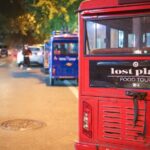
Getting to the tour: Jianshe North Road (Line 6/17, Exit C)
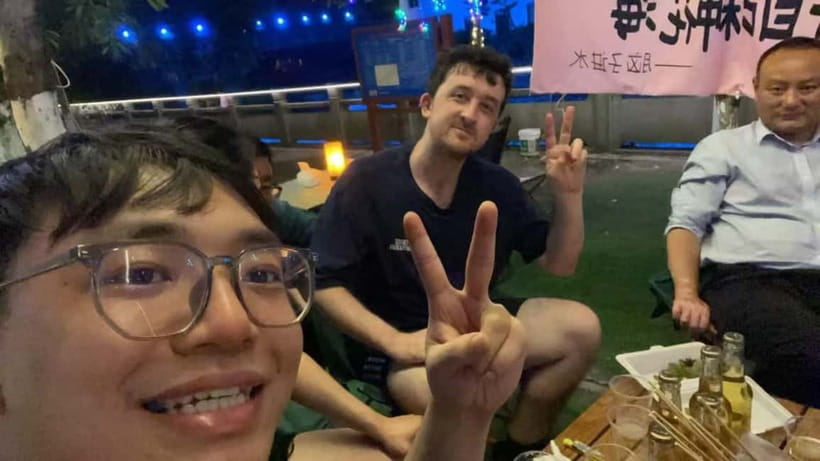
Meeting point is simple: Line 6/17 at Jianshe North Road, Exit C. This matters because it prevents that classic travel-day scramble where you burn energy before you even start snacking.
From there, you’ll head out into quieter lanes connected to local food stalls and market activity. You’ll also get welcome refreshments during the early part of the walk, which is a small detail but a smart way to ease you into the evening pace.
If you’re using metro, you’ll enjoy the fact that the tour includes at least one public-transport segment between zones. That keeps the tour from feeling like nonstop city-stretching.
Stop one: tea, dessert, street food, and BBQ on local streets
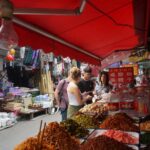
The first main segment is all about getting your senses online. You’ll start with tea and dessert, then move into street food and BBQ-style stalls, with multiple tastings along the way. This is where you learn the ordering logic—what people usually go for, and how families and friends treat food like part of the social calendar.
Expect a mix of textures and temperatures. That matters in Chengdu, where some bites are meant to cool you down, while others hit with fragrance and heat. The guide’s cultural context helps you notice those differences instead of treating every snack as the same category.
This is also the segment where the market feeling shows up. You’re not just eating at one place; you’re watching the flow of what locals choose and how stalls work as a system. That’s part of why the tour can feel more grounded than a standard “try three dishes and leave” route.
The short metro hop and why it works
You’ll take a metro/subway ride of about 10 minutes between food areas. That move is practical. It helps you cover more variety without turning the evening into a leg-day workout.
It also keeps the food story coherent. Chengdu neighborhoods can feel different even when they’re close, and the tour uses transport to connect those micro-scenes. So you’re not just circling the same block again and again.
If you’re someone who gets tired easily from walking at night, this transport break is a real win. If you’re energetic, you’ll still appreciate the pace reset before the next round of tastings.
Stop two: beer, street snacks, and a second alleys loop
The second hidden-alleys segment leans into the “linger” side of local eating. You’ll hit another cluster of beer, street food, BBQ, and local snacks, with more tasting and market time.
Beer inclusion changes the feel of the tour. It’s not a separate pub crawl—it’s part of how the night works in many Chinese snack districts. The guide helps you connect what you’re drinking to what you’re eating, so you don’t end up with random pairings.
This is also where you’ll likely reach the more “adventurous” items. If you’ve been saving courage, this is when you spend it. You’ll be guided on what to try next based on what you’re enjoying.



The dishes that make the tour worth doing
This tour isn’t trying to impress you with fancy presentation. It’s about flavor, technique, and local identity. The specific items you should watch for include:
蛋洪糕 egg cakes (Chengdu-style pancakes)
Egg cakes are listed as a signature Chengdu item, and the local name 蛋洪糕 shows up in the experience’s recommended bites. Think of it as a pancake-style snack that’s recognizable once you try it, with a Chengdu personality you won’t get from generic street food elsewhere.
Why it’s a highlight: your guide can explain how something that feels simple becomes a daily staple. You’re not just eating; you’re learning what locals look for in texture and balance.
狼牙土豆 wolf tooth potatoes
Wolf tooth potatoes are one of the big wow factors. They’re named for their distinct appearance, and you’ll taste them prepared in Chengdu’s style. I like this kind of dish on a food tour because it’s not a “sure, I can get that anywhere” choice.
And yes, the flavor is part of the story. The guide helps you understand why this preparation exists and what makes it a local favorite rather than a tourist substitution.
Cold skewers and Sichuan-style flavors
Cold skewers are another listed highlight, including options like beef, chicken feet, and potatoes. They’re described as fragrant and spicy, so if you’re spice-curious, this is a solid place to test your tolerance.
The guide is also mindful about preferences. One booking notes that spicy level and personal tastes were considered, which is exactly what you want when you’re eating unfamiliar dishes.
麻辣汤 (spicy, numbing-style soup)
麻辣湯 shows up in the dish list from a recent booking experience. Even if you’re not chasing maximum heat, it’s a great cultural marker: Sichuan flavor isn’t just about hot pepper; it’s about the whole sensation.
If you’re a first-timer, you can use it as a reference point for what your body likes that day. Then you can adjust your ordering decisions for the remaining tastings.
Cultural talk you’ll actually remember
Food tours can become a checklist. This one uses food to teach how people think and live. The guide explains myths, traditions, and daily life tied to the dishes you’re tasting.
That part is especially valuable if you’re trying to understand differences between Chinese and Western culture without turning it into a debate. You’ll talk through stories behind habits, and that helps you notice how food fits into social life.
I also like that the guide’s background includes living in the U.S. and being fluent in both English and Chinese culture. That kind of bridge makes explanations clearer for visitors who want context without getting overwhelmed.
Value and price: is $73 fair for 3 hours?
At $73 per person for 3 hours, this is positioned as a mid-priced street food experience. The question is whether it feels “deal-ish” or “meh.”
Here’s what makes it better than random self-guided snack hopping:
- You’re typically getting 5–7 authentic snacks and drinks, not just a couple of bites
- You save time guessing what’s safe, local, and worth your money
- The guide turns each dish into something you can remember, not just something you consume
- Transportation between food areas is built in (public transit or private car optional), with a metro ride used in the route
Street food in China can be cheap on your own. But the cost here is buying convenience plus cultural interpretation plus a guided route through places you likely wouldn’t find easily without local help.
If you love food and want a low-stress evening with direction, it’s good value. If you’re the type who already knows exactly what to order and where, you might not feel the savings as much.
Who should book this (and who might want a different plan)
This tour suits you if you:
- love street food and want a guided way to try multiple items
- want to learn the stories behind dishes, not just eat them
- enjoy conversation and cultural comparison
- like a relaxed pace with a small group
It might not be ideal if you:
- hate spice or want only mild flavors (you can ask, but this is still a Sichuan-focused route)
- have strict dietary restrictions and need guaranteed accommodations (you’ll want to message in advance and confirm)
- prefer fine dining or full sit-down meals (this is stall and alley style)
Also, remember the basic instruction: come with an empty belly. This tour’s lineup assumes you’ll be ready to snack hard.
What the group experience feels like in practice
A small group changes everything. You don’t have to shout across a crowd. You can ask quick questions about ingredients or why a dish is eaten at night. It also keeps the pacing friendly, so you don’t feel like you’re speed-running meals.
The guide’s English is highlighted in multiple experiences, which matters because food can get complicated fast (spices, textures, and local names). Even if you speak some Chinese, having clear explanations in your language makes the night smoother.
One detail I especially appreciate from the experience style: the guide responds to preferences, including spicy tolerance. That turns the tour from generic sampling into something more tailored to you.
Should you book this Chengdu food tour?
If you want a 3-hour night in Chengdu that feels local, not scripted, I’d book it. You’re paying for guidance through real snack streets, multiple tastings and drinks included, plus a guide who can explain what you’re eating and why it matters.
Book it especially if you’re curious about Sichuan flavors like 蛋洪糕 egg cakes, 狼牙土豆 wolf tooth potatoes, and 麻辣汤. The best match is a hungry foodie who likes conversation and doesn’t mind getting a little adventurous.
FAQ
FAQ
How long is the Chengdu street-food tour?
The tour lasts 3 hours.
Where do I meet the guide?
You meet at Jianshe North Road subway station, Line 6/17, Exit C.
What’s included in the price?
The tour includes 5–7 authentic Chengdu snacks and drinks, exploring hidden streets and local stalls, an English-speaking guide with Western living experience, and a souvenir local food list (optional).
Do I need to pay extra for food during the tour?
No. The tour includes the food and drinks provided during the tastings, so you shouldn’t have surprises for what’s on the route.
What language is the guide?
The experience lists guide languages as English, Japanese, and Chinese.
Can the tour help if I’m sensitive to spice?
The provided information and experiences note that the guide considers spicy level and preferences, so you can communicate what you can handle.
Is there public transportation involved?
Yes. The route includes a metro/subway segment of about 10 minutes, and the tour also lists public transportation or a private car as optional.
Is this tour refundable?
It includes free cancellation up to 24 hours in advance for a full refund, and you can also reserve now & pay later.