REVIEW · CHENGDU
Full-Day Tour of Leshan’s Giant Buddha from Chengdu
Book on GetYourGuide →Operated by Andy's private china tours · Bookable on GetYourGuide
One Buddha, three rivers, and serious stairs.
This full-day trip to Leshan lets you see the Giant Buddha of Leshan—the world’s largest carved stone Buddha—and move around for multiple viewpoints, from river-level views to high angles over the Buddha’s knees. I also love how the guides bring the site to life, with praised English storytelling like Weaver’s friendly, clear explanations and Chen’s detailed history of how the carving was made and what locals pay attention to.
The day is long (8 to 10 hours) and the walking can be real, even if you choose the gentler option. If you don’t want stairs, plan on using the boat instead of climbing—but the choice can depend on traffic. Also, lunch is not included, and site fees are paid in cash on the day.
In This Review
- Key things to know before you go
- One giant stone Buddha—and why the setting matters
- Chengdu to Leshan: a door-to-door private day trip
- Leshan Grand Buddha Scenic Area: photo stop, boat cruise, and timed sightseeing
- Climbing the Buddha: what you gain from the stairs and cliff views
- Lunch near the Buddha: one hour of real fuel, not a food quest
- Lingyun Temple and Museum: history with purpose, not just facts
- Price and value: what your $173 really buys
- Boat versus climb: how to choose without regret
- What to bring (and what to leave behind)
- Who this Leshan tour is best for—and who should pass
- Should you book the Full-Day Leshan Giant Buddha tour from Chengdu?
- FAQ
- How long is the Leshan Giant Buddha full-day tour?
- Is lunch included in the tour price?
- What fees should I expect to pay in cash on site?
- Does the tour include hotel pickup and drop-off in Chengdu?
- Can I avoid climbing by taking a boat?
- What languages is the tour guide available in?
Key things to know before you go
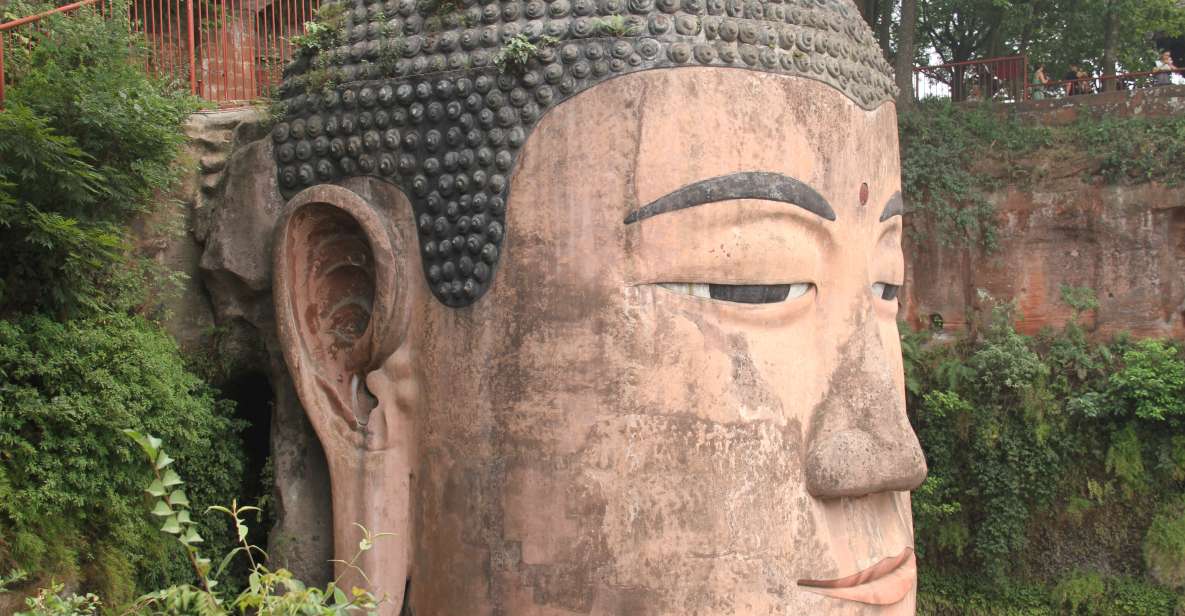
- Multiple ways to see the Buddha: climb for top views or take a boat cruise below if you prefer less walking
- Stunning vantage points at elbow-and-knee level: you get angles most people miss from just the main photo stop
- Lingyun Temple and Museum context: you’ll learn why the Buddha was carved and what it was meant to fix
- English guide quality matters here: Weaver and Chen are specifically praised for clear history and local lore
- Budget for cash on site: the Giant Buddha and optional boat ride cost extra (and lunch is separate)
One giant stone Buddha—and why the setting matters
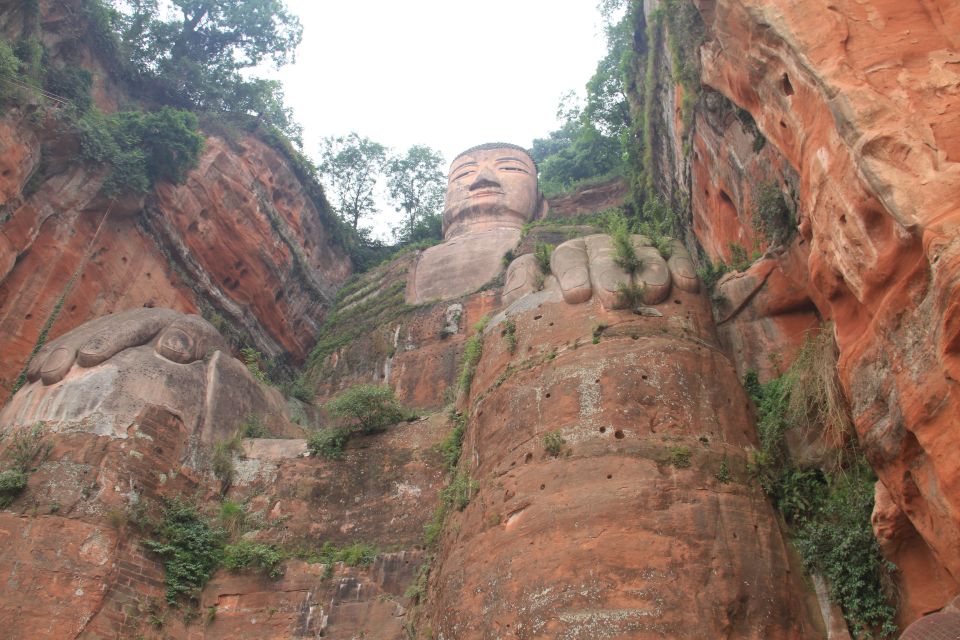
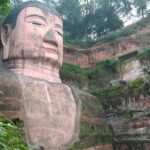
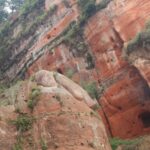
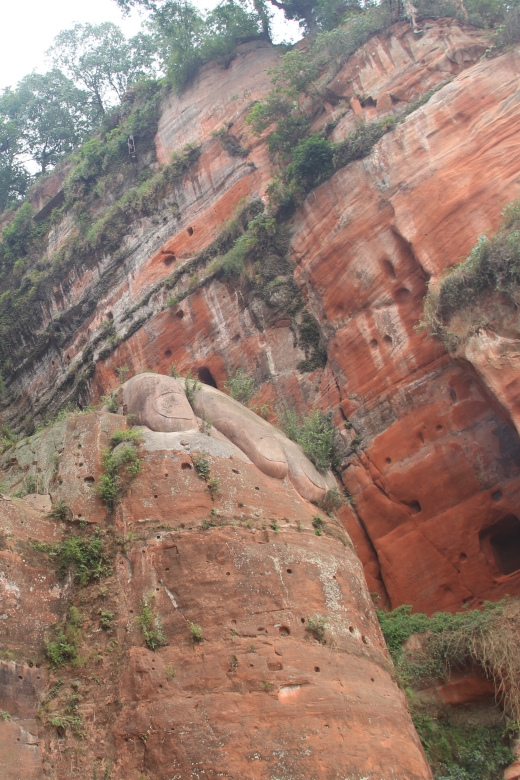
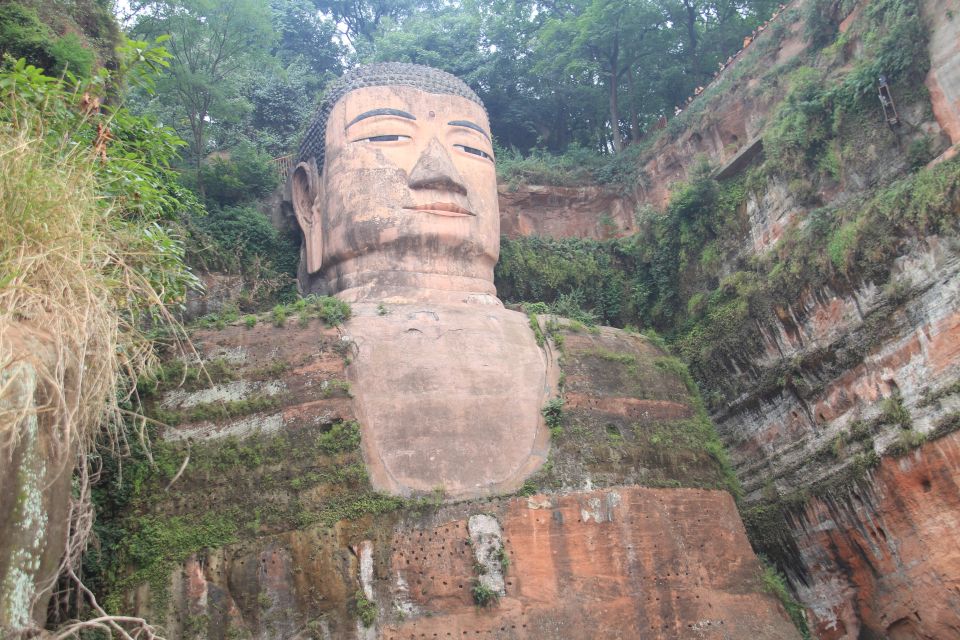
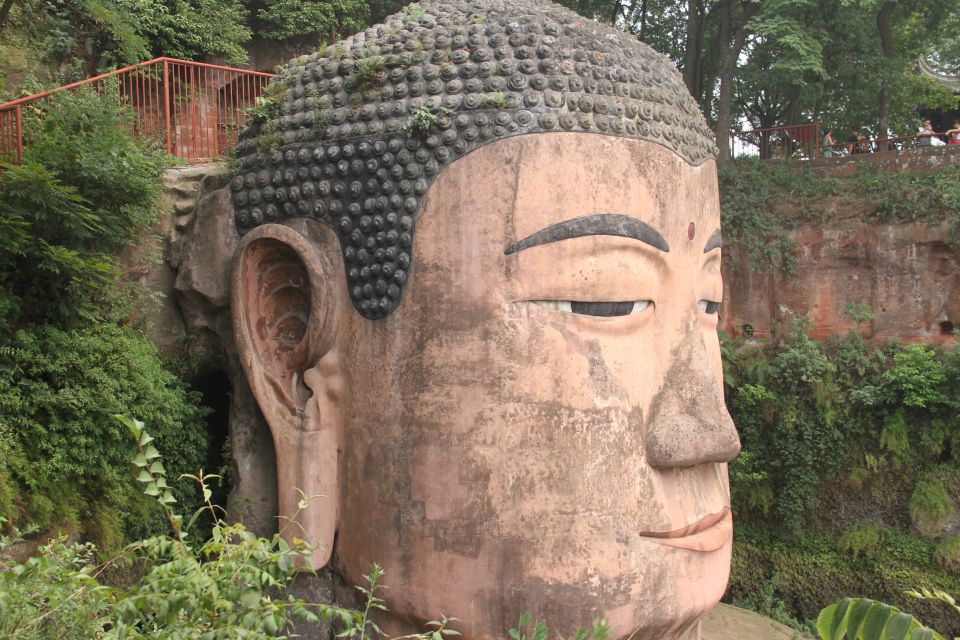
Leshan’s Giant Buddha isn’t just impressive because it’s huge. It’s impressive because it was engineered to interact with the river world below it. The statue was carved into the cliffs of Lingyun Shan starting in the 8th century, and the purpose is tied to the turbulent waters where three rivers meet under its gaze. That means when you look at the Buddha, you’re also looking at the logic of the place: stone, water, and faith all in one frame.
What I like about this tour format is that it gives you more than one “type” of seeing. You get a river scene option, you get the stair-carved approach, and you get the chance to view from higher up. If you’re the kind of traveler who hates doing one photo and leaving, you’ll appreciate how the plan builds toward bigger views.
And yes, the statue is a major global sight. But the real payoff is how you move from near the base to higher perspectives. That climb (or partial avoidance via boat) changes how the Buddha reads in your mind.
You can also read our reviews of more tours and experiences in Chengdu.
Chengdu to Leshan: a door-to-door private day trip
This is built as a full-day outing, running about 8–10 hours. The biggest practical win is that you get hotel pickup and drop-off by private car. So you’re not spending the day figuring out transfers, tickets, and timing. You’re focusing on the site.
Pickup is optional if you’re staying in Chengdu, and the tour ends back in the Chengdu area with drop-offs that can include Chengdu and the Tianfu Residential District. Because it’s a private group with an English-speaking guide, you can move at a pace that works for your day instead of being trapped in a fast group rhythm.
The trade-off is that you’re committing to a long day. Comfortable shoes matter. So does water and a plan for breaks, because the walking up and around the scenic area isn’t just a casual stroll.
Leshan Grand Buddha Scenic Area: photo stop, boat cruise, and timed sightseeing
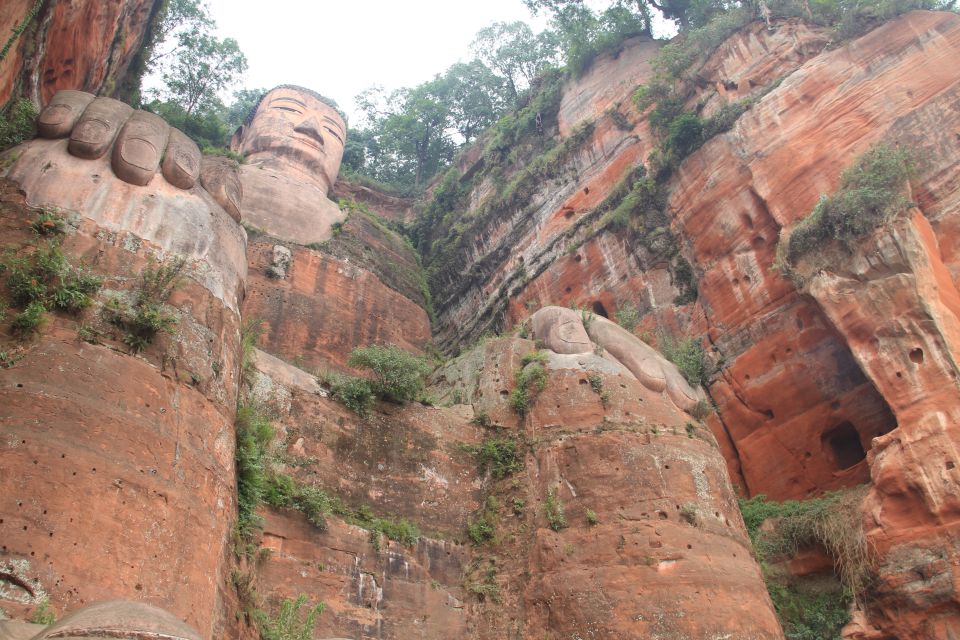
Your main time block is around the Leshan Grand Buddha Scenic Area—about 3 hours. You’ll have a photo stop, time for sightseeing, and walking, with a river option in the mix.
Here’s the key choice: you can drift past the Giant Buddha on a riverboat if you don’t want to climb. Or you can keep your time on the land route and climb toward the top. The tour description makes it clear that the boat alternative depends on conditions—specifically traffic—so you should mentally plan for flexibility. If boats are delayed, you may still end up doing more walking than you expected.
This part of the day is also where you start getting those layered views:
- Close enough angles to feel the scale
- River-level sightlines across the water
- Higher angles later if you climb
If you’re someone who loves “progressive sightseeing” (one step turns into a better view), you’ll likely enjoy this section. You’re not just standing still; you’re moving through vantage points.
Climbing the Buddha: what you gain from the stairs and cliff views
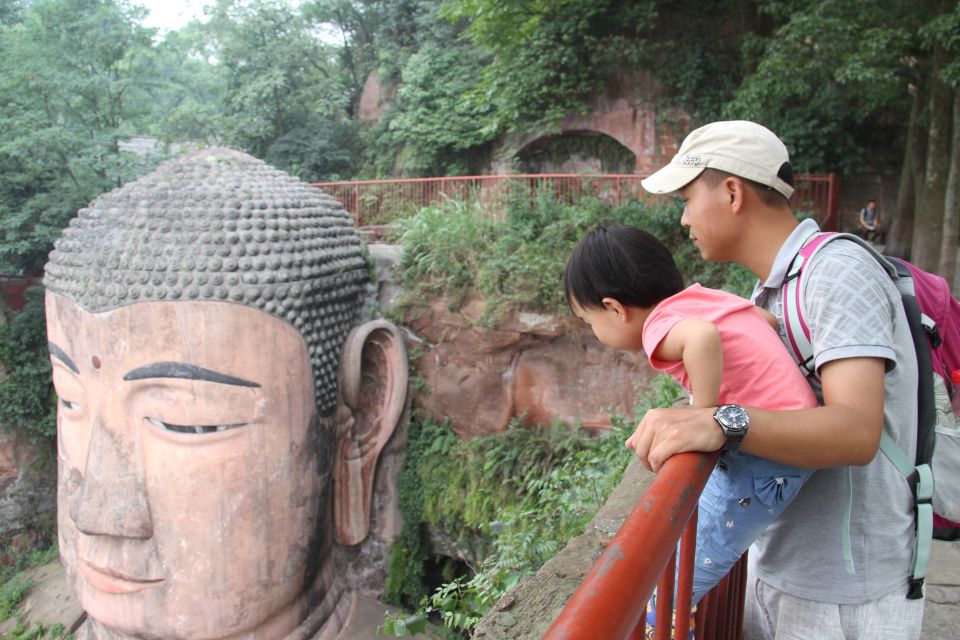
One reason this site sticks with people is the way the stairs are carved into the cliff. They connect the area near the Buddha’s feet up toward higher ground, letting you work your way up through the viewing zones. That’s not a gimmick. It’s a huge part of why you feel like you’re studying the statue from multiple levels instead of just admiring it at a distance.
When you climb, you can enjoy views that reach over the Buddha’s body—described in the tour notes as stunning over the elbows and knees—and you also pick up the river scene and Leshan’s skyline in the same frame. That combination is powerful. You’re seeing the statue as a landmark that shapes the whole area around it.
Practical note: the tour isn’t set up for wheelchair users. If mobility is limited, the boat option can reduce how much climbing you do, but you still need to be realistic about the walking inside the scenic area.
If you do climb, the payoff is your perspective. From the top, you get a strong sense of how the statue relates to the river confluence below. It’s the kind of view that makes you understand why the carving was built in the first place.
Lunch near the Buddha: one hour of real fuel, not a food quest
After your scenic-area time, you’ll have about one hour for lunch at a restaurant with the Giant Buddha in sight. That’s a nice setup because you can rest without leaving the atmosphere behind.
The important detail is that lunch is not included in the tour price. So plan to pay for your meal separately, ideally with a mix of cash you can handle on-site. Since the day also includes other paid fees in cash, this is one more reason to carry some readiness funds.
Also, this kind of stop is usually best for simple, filling food rather than a slow, fancy meal. You’re there for the Buddha and the surrounding sights. Use lunch to refuel and reset your energy for the next stop.


Lingyun Temple and Museum: history with purpose, not just facts
The second major learning stop is the Lingyun Temple and Museum. This is where the trip shifts from visuals to meaning.
You’ll get a deeper look into the history of the Giant Buddha—including the story of why it was carved into the cliffs. The tour description ties it to calming the waters of the three rivers. But the museum side matters because it explains that story as something more than a mythic intro. It gives you a structured way to understand the site’s religious and cultural role over time.
This is also where a strong guide helps the most. Based on the highest praise from past guests, Weaver and Chen are remembered for going beyond surface-level remarks, with detail on how the statue was made and with local lore and what to notice. That kind of storytelling is especially useful in a museum setting because it helps you connect what you’re seeing on the panels back to what you stood beneath earlier.
Price and value: what your $173 really buys
The tour price is $173 per person, and it includes big-ticket logistics: hotel pickup/drop-off by private car, an English-speaking guide, and access that depends on the option you take (entrance ticket or boat ticket is listed in the inclusions). Still, there are real on-site costs.
Here’s what you should plan for in your budget:
- Giant Buddha entrance fee: 90 RMB per person (paid in cash)
- Optional boat trip: 70 RMB per person (paid in cash)
- Lunch: not included
So your day isn’t “$173 all-in.” But it’s also not just a basic transport ticket either. The value is in:
- Door-to-door private transportation that saves time and stress
- A guide who can explain what you’re looking at (and answer your questions while you’re there)
- A route that includes both the scenic area and the temple/museum context in one long block
If you tried to DIY this, you’d likely spend a chunk of your day on planning and coordination. Paying for a private guide and transport can be worth it if you want a smoother route and clearer site interpretation—especially at a place this big, where the “right” time allocation actually matters.
Boat versus climb: how to choose without regret
I like that this tour gives you a choice. Not everyone wants the stamina cost of climbing, and not everyone wants the time uncertainty of a boat.
Still, make the decision with the day’s logic in mind:
- If you climb, you’ll earn top views and higher perspectives that connect to the cliff stair route.
- If you boat, you reduce climbing and can still admire the Buddha from below, but the option can depend on traffic.
- Since the tour includes both scenic-area movement and later temple/museum time, choosing one main viewing method helps keep the day from feeling scattered.
Here’s a simple way to think about it: if you’re chasing the most dramatic viewpoint, you’ll likely prefer climbing. If you’re chasing smoother pacing and want to avoid the steep effort, you’ll likely prefer the boat.
Either way, come ready for walking. Even a boat-forward plan still has you moving around the scenic area.
What to bring (and what to leave behind)
This is the kind of day where practical packing beats a big bag.
Bring:
- Passport or ID card
- Comfortable shoes
- Camera
- Cash (for entrance fees and any optional boat costs)
Leave behind:
- Luggage or large bags (not allowed)
- Pets (not allowed)
A small camera and comfortable footwear make a real difference here. You’ll be looking up often, then stepping around often. Good shoes help you enjoy the view instead of thinking about your ankles the whole time.
Who this Leshan tour is best for—and who should pass
This works especially well if you:
- Want a single-day visit to Leshan with organized sightseeing and an English guide
- Care about understanding the why behind the statue, not just the size
- Like having more than one viewing angle (river and cliff approaches)
- Prefer private pacing rather than being swept along in a big group
You might want to reconsider if:
- You can’t manage stairs and steep walking. The tour notes it’s not suitable for wheelchair users, and the land route involves cliff access.
- You’re hoping for a short, low-effort outing. This is a full-day plan with a lot of moving.
Should you book the Full-Day Leshan Giant Buddha tour from Chengdu?
If your goal is to see the Giant Buddha of Leshan and understand it while you’re there, this tour is an easy yes. The best part is how the day pairs big views with meaningful context at Lingyun Temple and Museum, guided by English explanations that past guests specifically praised—especially Weaver’s friendly communication and Chen’s detailed making-history and local-lore focus.
Book it if you value convenience (private pickup/drop-off) and you want a planned route that doesn’t leave you guessing. Just be honest with yourself about walking and bring cash for the on-site fees and lunch.
If you tell me your group size and whether you want the boat option versus climbing, I can suggest how to plan your day around comfort and timing.
FAQ
How long is the Leshan Giant Buddha full-day tour?
It runs about 8 to 10 hours in total.
Is lunch included in the tour price?
No. Lunch is not included, and you’ll eat at a restaurant within sight of the Giant Buddha.
What fees should I expect to pay in cash on site?
The Giant Buddha entrance fee is 90 RMB per person. If you choose the optional boat trip, it costs 70 RMB per person. These are not included in the tour price.
Does the tour include hotel pickup and drop-off in Chengdu?
Yes. Hotel pickup and drop-off by private car is included, with pickup optional from your Chengdu hotel.
Can I avoid climbing by taking a boat?
Yes, there’s a boat cruise option to view the Buddha from the river if you don’t want to climb, but whether it works can depend on traffic.
What languages is the tour guide available in?
The guide provides service in Chinese and English.