REVIEW · BEIJING
Chinese Tea ceremony in Beijing Hutong courtyard
Book on GetYourGuide →Operated by Bayi Teahouse · Bookable on GetYourGuide
A Beijing Hutong tea stop feels like a secret door. In just 1 hour, you’ll sit in a traditional courtyard setting close to the Forbidden City and learn how Chinese tea is brewed, poured, and talked about. It is part calm ritual, part cultural chat with the kind of people who actually live this neighborhood rhythm.
I really like two things here: you get to choose from several tea styles and taste them properly, and the hosts keep the experience human and conversational (often with a friendly English-speaking guide such as Limeng). One possible drawback: the published price can feel incomplete because there’s an extra 100 RMB per person fee that you should plan for.
If you want a quick, low-effort cultural win, this fits. If you’re very price-sensitive, do the math before you book so the final cost matches your expectations.
In This Review
- Key Highlights You’ll Actually Care About
- Tea in a Hutong Courtyard Near the Forbidden City
- Where the Experience Takes Place (and Why the Location Adds Value)
- Choosing Your Tea: Black, Green, Wulong, or Pu’er
- What Happens During the 1-Hour Ceremony (Step by Step)
- 1) Welcome and tea selection
- 2) Explanation of tea culture and serving style
- 3) Proper brewing and tasting
- 4) Snacks with the tea
- 5) Time for conversation
- The Hutong Courtyard Part: Real Daily Life Energy
- English-Friendly Guidance (So You Don’t Miss the Best Parts)
- Price and the Added 100 RMB Fee: Is It Worth It?
- Logistics That Affect Your Day (Pickup and Timing)
- Who Should Book This (and Who Might Prefer Something Else)
- Should You Book This Chinese Tea Ceremony in a Hutong Courtyard?
- FAQ
- How long is the Chinese tea ceremony?
- Where is it located in relation to the Forbidden City?
- What tea types can I choose from?
- What’s included in the experience?
- Is there an extra charge on top of the listed price?
- Is the tour offered in English?
- How big is the group?
- Is hotel pickup provided?
- Can I cancel for a full refund?
Key Highlights You’ll Actually Care About
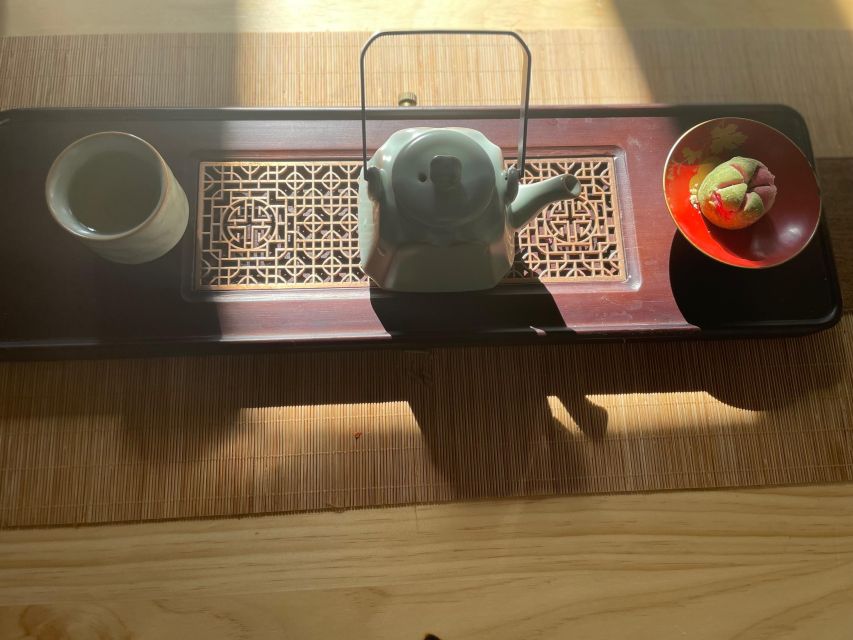
- Multiple tea options in one sitting: black, green, wulong, and Pu’er, with one pot of tea included
- Small group size (4 max): more time with your host instead of crowd pacing
- Close to major sights: about 150 meters from the east gate of the Forbidden City, plus nearby landmarks like Pudusi inheritance areas and the Imperial Ancestral Temple
- Hutong courtyard atmosphere: you are in a real residential-style setting, not a themed showroom
- English instruction: you’ll follow the tea culture explanation without guessing
- Optional short Hutong walk: you may end with a stroll through nearby Hutong lanes around the Forbidden City area
Tea in a Hutong Courtyard Near the Forbidden City
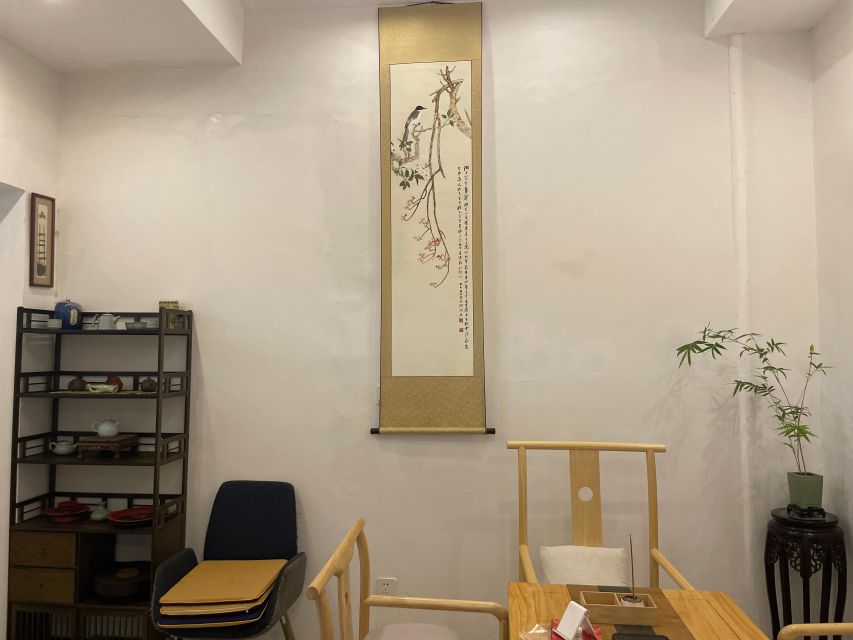
Beijing has a way of making the obvious feel touristy fast. This tea ceremony turns the volume down and lets you focus on something slower: water temperature, aroma, and the small manners of pouring.
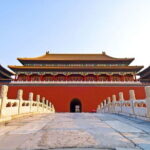
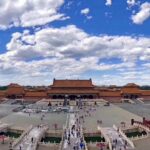
The setting matters. You are in a Hutong courtyard at a workshop area about 150 meters from the east gate of the Forbidden City, so you can combine this with a day of sightseeing without losing momentum. Yet the ceremony itself is the point. Instead of rushing from one checkpoint to the next, you settle in for a guided session that feels like visiting a neighbor, not buying a ticket.
The group size is also part of the magic. With a maximum of 4 participants, you are not fighting for attention or waiting your turn to ask basic questions like how long to brew or why the tea tastes different at different strengths.
You can also read our reviews of more tours and experiences in Beijing.

Where the Experience Takes Place (and Why the Location Adds Value)
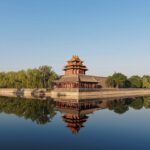
This ceremony is built around a very specific geography: the historic core of Beijing. The workshop is close to the Forbidden City, and the neighborhood around it is loaded with landmarks. You might also pass by or be near areas tied to Pudusi inheritance and the Imperial Ancestral Temple, depending on your exact walking route.
Here’s why that matters for you: tea ceremonies are best when they connect to your day. If you’re already planning to see the Forbidden City, this is a smart pairing. You get cultural context while the streets are still fresh in your mind. Then you can walk out and continue with historic sights feeling less like a checklist and more like one coherent story.
Also, there’s a practical convenience: the tea stop is listed as about 800 meters west of the exit gate of the Forbidden City (and close to the east side as well). In plain terms, you should expect a short, manageable walk from the Forbidden City area rather than a long transit mission.
Choosing Your Tea: Black, Green, Wulong, or Pu’er
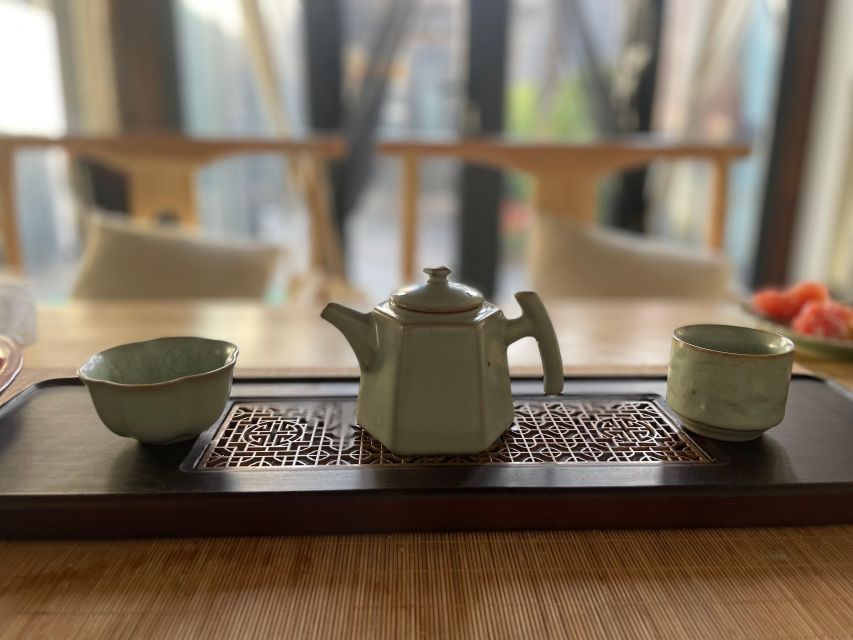
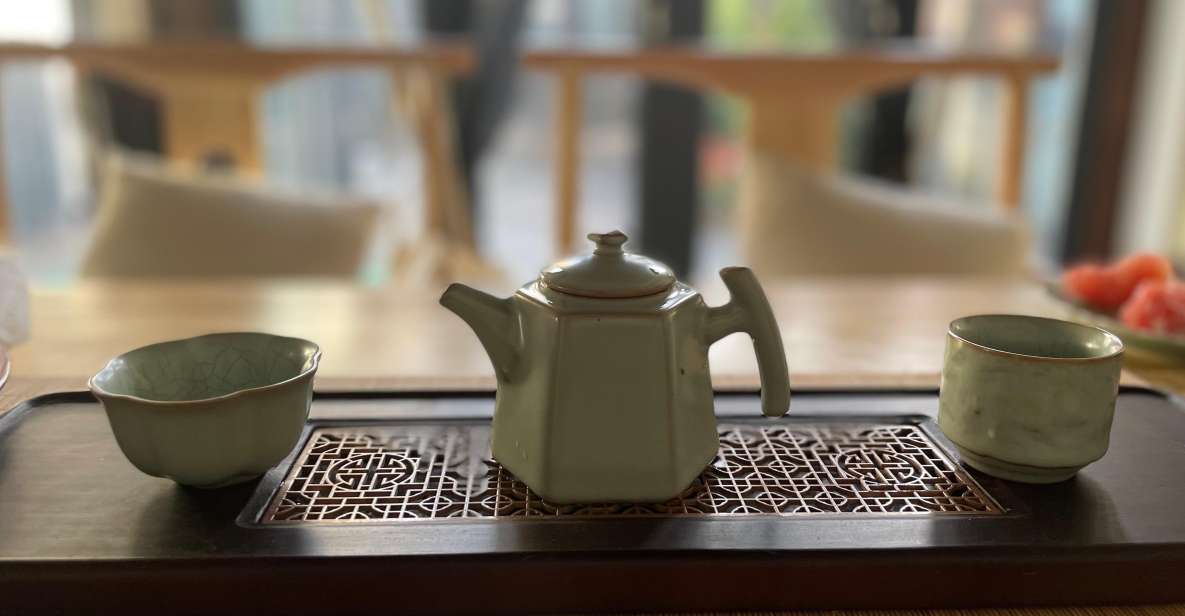
The ceremony includes one pot of Chinese tea, and you get to choose the type. Your options include:
- Black tea
- Green tea
- Wulong tea
- Pu’er tea
That menu is more than a label. It hints at how different Chinese tea styles behave in your cup. When you choose tea, you’re also setting expectations for flavor and the way the aroma shows up after pouring.
The hosts explain the tea culture behind each style. In particular, you’ll hear practical guidance about proper preparation and how culture connects to the ritual. Some of the most useful moments from similar sessions are the ones that correct a very common mistake: thinking you can just pour boiling water in and wait the same amount of time every time.
In other words, you’re not only tasting. You’re learning what makes tea taste good—so you can recreate part of the experience later at home.
What Happens During the 1-Hour Ceremony (Step by Step)
The total time is about 1 hour. In that span, the ceremony typically follows a rhythm that keeps you involved without dragging.
Here’s what you can expect, in the order it usually feels like it happens:
1) Welcome and tea selection
You arrive at the Hutong courtyard tea workshop. The session begins with you selecting your tea from the available types. Then the host sets the tone with what to pay attention to during tasting: aroma first, then mouthfeel, then the finish.


2) Explanation of tea culture and serving style
You’ll receive an explanation of Chinese tea culture and knowledge related to the ceremony. This isn’t just a lecture. The goal is to give you enough context that the tasting makes sense.
A big theme is how to prepare tea properly. This is where the ritual stops being romantic and starts becoming practical. You learn that brewing is a technique, not a guess.
3) Proper brewing and tasting
After the explanation, you’ll see how the tea is prepared and served. Then you get to taste it.
This is also where good tea manners often come in. Some sessions include a quick moment about how to hold teacups with grace and how to pace your sips so you notice changes in flavor instead of gulping it down like a beverage.
4) Snacks with the tea
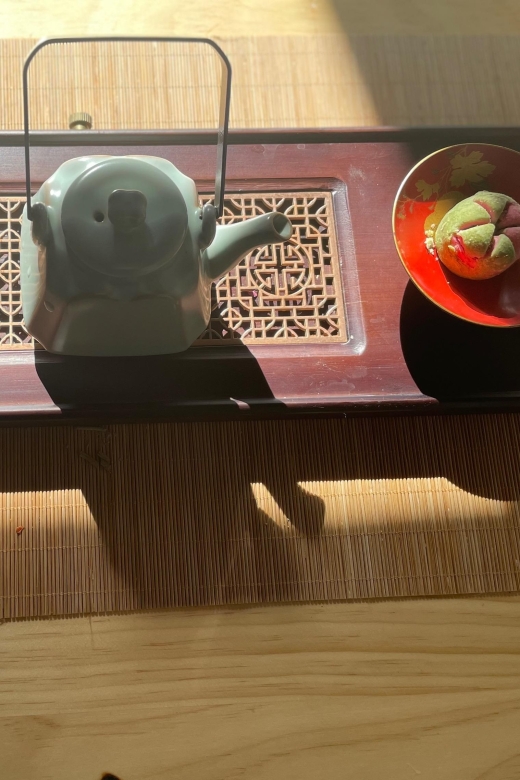
You also get complimentary snacks to go with your tea. Snacks matter here because they change the tasting experience. Tea and bites together can soften bitterness, highlight sweetness, and make the whole cup feel more complete.
5) Time for conversation
Because the group is small, your questions don’t get lost. If you enjoy talking—about daily life in Beijing, Hutong living, or just what makes each tea style different—this part tends to be the most memorable.
Some hosts have English that makes conversation easy, and you may end up talking with someone like Limeng, who has been highlighted as friendly and able to share Hutong context clearly.
The Hutong Courtyard Part: Real Daily Life Energy
A tea ceremony is usually quiet. This one is quiet in a more specific way: it’s quiet inside a space shaped by everyday neighborhood life.
You are getting a “courtyard in Hutong” experience, and the host’s family has lived there for generations. That detail changes the feel immediately. Instead of a staged cultural set, you’re in a living space where tea culture is part of the way people host, slow down, and connect.
If you’re curious about Beijing beyond photos, this is where it pays off. You might hear stories about how Hutong courtyards work, how people spend time at home, and what daily life is like in a traditional neighborhood.
It’s also the reason the ceremony can feel more personal than a standard tea tasting at a shop. The tea is great, but the conversation is often what makes it stick.
English-Friendly Guidance (So You Don’t Miss the Best Parts)
The session is guided in English. The instructor is listed as English-speaking, and the experience is designed for international visitors who want more than basic tasting notes.
In practice, that means you’re more likely to understand:
- what makes each tea type distinct
- how brewing technique affects flavor
- what the ceremony is trying to teach beyond taste
You also avoid the classic problem where you drink something and only later realize you didn’t understand the point of what you were seeing. Here, the explanations are meant to keep you with the tea, not outside of it.
Price and the Added 100 RMB Fee: Is It Worth It?
The listed price is $31 per person, and the experience notes an additional 100 RMB per person charge that is not included in the base cost.
So the honest way to think about value is: this isn’t only a cup of tea. It’s:
- a one-pot guided tasting
- snacks
- tea culture explanation
- courtyard access in a central Hutong location
- small group time (up to 4 participants)
If you’d spend money on a standard tea tasting plus snacks, you might compare this to that. But the courtyard setting, the guidance in English, and the small-group interaction are what push it into “experience” territory rather than “commodity.”
The potential drawback is simple: if you’re doing this as a family or group of friends, the extra 100 RMB fee per person can noticeably change the final total. In that case, you should be sure you’re getting enough personal attention to justify the cost.
My advice: if you’re a tea person, or you love calm cultural moments in real places, it usually feels worth it. If you’re only mildly interested in tea, you may want to treat this as a one-time try and budget accordingly.
Logistics That Affect Your Day (Pickup and Timing)
The ceremony includes pickup. You’ll wait in your hotel lobby 10 minutes before the scheduled pickup time.
Duration is 1 hour, so plan your day around it. Because it’s close to the Forbidden City, it’s easy to schedule as either:
- a midday break from walking in the heat, or
- a cultural cooldown after a major sightseeing block
Also, the session lists small group limits (max 4). That makes timing and meeting points more important. If you’re going to rely on pickup, be ready on time so you don’t feel rushed when the host is setting up.
Who Should Book This (and Who Might Prefer Something Else)
This tea ceremony is a strong fit if you:
- want an easy, central cultural activity in Beijing
- enjoy tea and want better brewing habits, not just tasting
- like chatting with hosts and learning about daily life in Hutong neighborhoods
- prefer small groups over big tours
It’s also a good option if you’re not a hardcore tea expert. The tea itself can still be tasty even if you don’t have deep preferences, and the explanation helps you understand what you’re drinking.
You might consider skipping or comparing alternatives if you:
- are very budget-driven, especially after the extra 100 RMB per person
- want a longer activity (this is one hour, then you move on)
- expect a full cooking-style class or workshop format (this is a tea ceremony and tasting, not a multi-stage class)
Should You Book This Chinese Tea Ceremony in a Hutong Courtyard?
Book it if you want a calm, human-scale Beijing experience right in the historic core. The combination of a courtyard setting, an English-guided tea culture explanation, and the chance to taste a pot of tea you can choose from makes it a solid value for the right mindset—especially if you’re already planning to be near the Forbidden City.
Skip or budget carefully if the added 100 RMB per person makes you hesitate. If you do book, treat it like part of a day plan: see the Forbidden City, come back to slow down, then walk the Hutong lanes while you still feel grounded in the city’s rhythm.
FAQ
How long is the Chinese tea ceremony?
The ceremony lasts about 1 hour.
Where is it located in relation to the Forbidden City?
The workshop is about 150 meters from the east gate of the Forbidden City, and it’s also described as roughly 800 meters west of the Forbidden City exit gate.
What tea types can I choose from?
You can choose from black tea, green tea, wulong tea, and Pu’er tea.
What’s included in the experience?
You’ll get a Hutong courtyard experience, the Chinese tea ceremony (including one pot of tea), and complimentary snacks.
Is there an extra charge on top of the listed price?
Yes. The experience notes a 100 RMB per person charge that is not included.
Is the tour offered in English?
Yes, the instructor is English-speaking, and the experience is listed in English.
How big is the group?
It’s a small group limited to 4 participants.
Is hotel pickup provided?
Yes. Pickup is included, and you should wait in your hotel lobby 10 minutes before the scheduled pickup time.
Can I cancel for a full refund?
Yes. Free cancellation is available up to 24 hours in advance for a full refund.