REVIEW · DATONG
Datong: Temples and Grottoes day tour with tickets options
Book on GetYourGuide →Operated by Andy's private china tours · Bookable on GetYourGuide
Datong can feel like a blur of concrete and dust—until you hit stone carvings and cliff temples. This day tour pairs the Hanging Monastery with the Yungang Grottoes, so you go from mind-bending architecture to giant-scale Buddhist sculpture in one smooth route. I especially like the focus on what matters at each stop, and the way the timing works so you spend your energy looking, not queuing. One possible drawback: the ticket option depends on correct details, so you’ll want to double-check the ticket setup before you head out.
You also get real choices in how you experience it. Go with a private English guide if you want clear context for everything you see, or pick the driver + support approach if you’re comfortable with translation and want to move at your own pace. Either way, the day is designed as a straightforward hit of Datong’s top sights, ending back at your hotel.
If you’re traveling with limited mobility, plan ahead. This tour is not suitable for wheelchair users, and the sites involve stairs and uneven ground.
In This Review
- Key highlights you’ll actually care about
- A smart Datong combo: Hanging Monastery to Yungang Grottoes
- Hanging Monastery on the cliff face: what you’re really seeing
- Yungang Grottoes: the numbers are huge, so you need a strategy
- Tour style choices: private guided vs self-guided with translation
- Private-guided option (best for most first-timers)
- Self-guided option (better if you’re flexible and comfortable with apps)
- Tickets and the one thing you must check before leaving
- Timing, lunch, and how the day actually flows
- Getting there comfortably: private car transfers that save your feet
- Price and value: is $27 a bargain or a gamble?
- Who should book this Datong day tour, and who should skip it
- Should you book this day tour?
- FAQ
- What does the Datong temples and grottoes tour include?
- Where are you picked up from?
- How long is the tour?
- Which sites are visited?
- Are meals included?
- Is there an English-speaking guide?
- Do I need a passport for tickets?
- Are cameras allowed?
- What footwear is allowed?
- Is the tour suitable for wheelchair users?
Key highlights you’ll actually care about
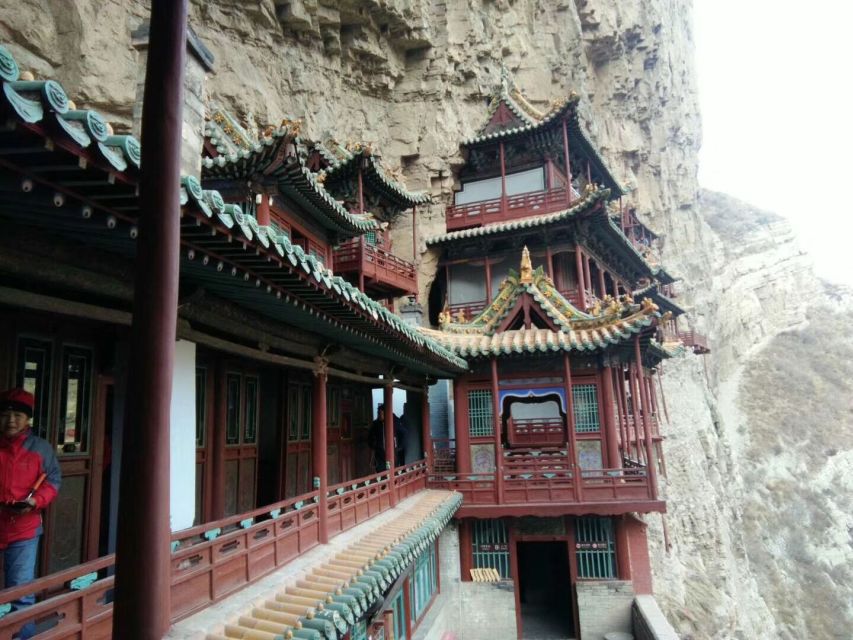
- A cliff temple 75 meters up: the Hanging Monastery is built into the rock face near Datong.
- One temple, three faiths: it’s the only existing temple combining Buddhism, Taoism, and Confucianism.
- UNESCO grotto scale: 53 major caves and about 51,000 niches for Buddha statues.
- Stone-carving context that speeds you up: guides help you understand the 5th and 6th century carvings.
- Two tour styles: full guided with English support, or a self-guided format with translation help.
A smart Datong combo: Hanging Monastery to Yungang Grottoes
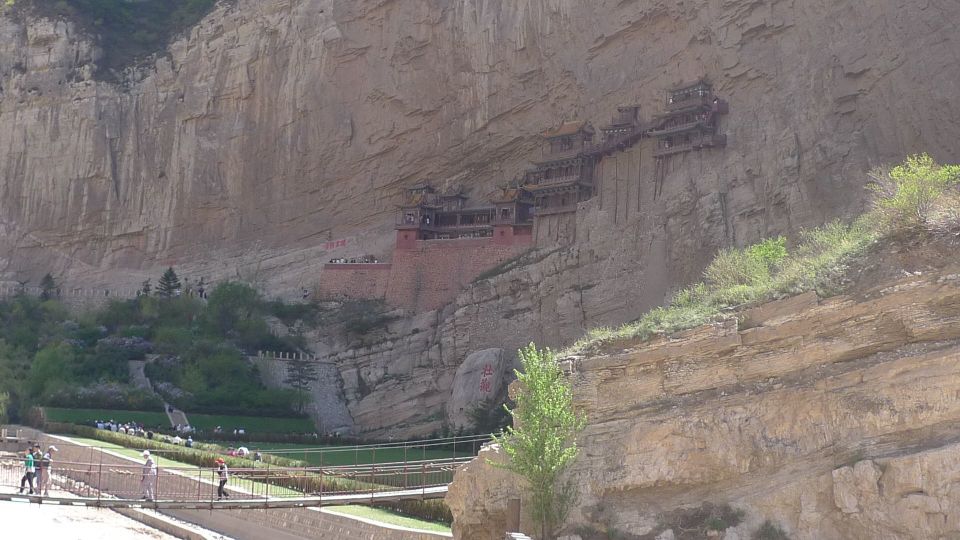
This tour is built around a simple idea: don’t make Datong a logistics problem. You get hotel pickup in Datong (optional), then a private-car transfer between two of northern China’s biggest religious-art stops. The pacing is practical—enough time at each site to see, pause, and take photos where permitted, without turning the day into a sprint.
The Hanging Monastery and Yungang Grottoes feel totally different on purpose. One is architecture that clings to a cliff 75 meters above the ground; the other is sculpture carved into a sandstone cliff face. Together, they show how powerful religious expression was in different forms: buildings you walk through, and grotto walls you study like a museum exhibit.
And yes, the value is strong if you’re the type who likes context. At $27 per person, you’re paying for transport, entrance access, and (in the private option) an English-speaking guide. What you’re not paying for is meals—so you’ll plan for lunch on your own or with the provided time to stop for local food.
You can also read our reviews of more tours and experiences in Datong.
Hanging Monastery on the cliff face: what you’re really seeing
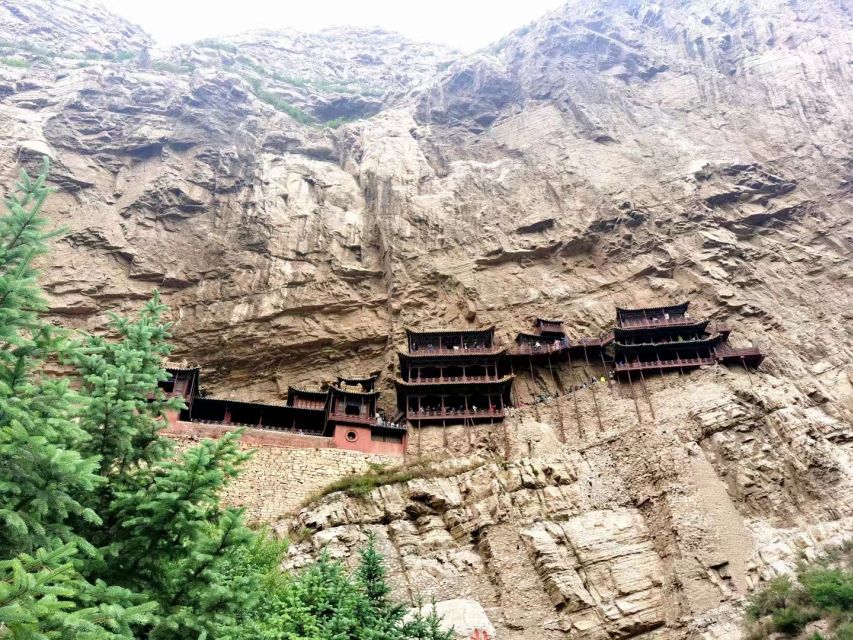
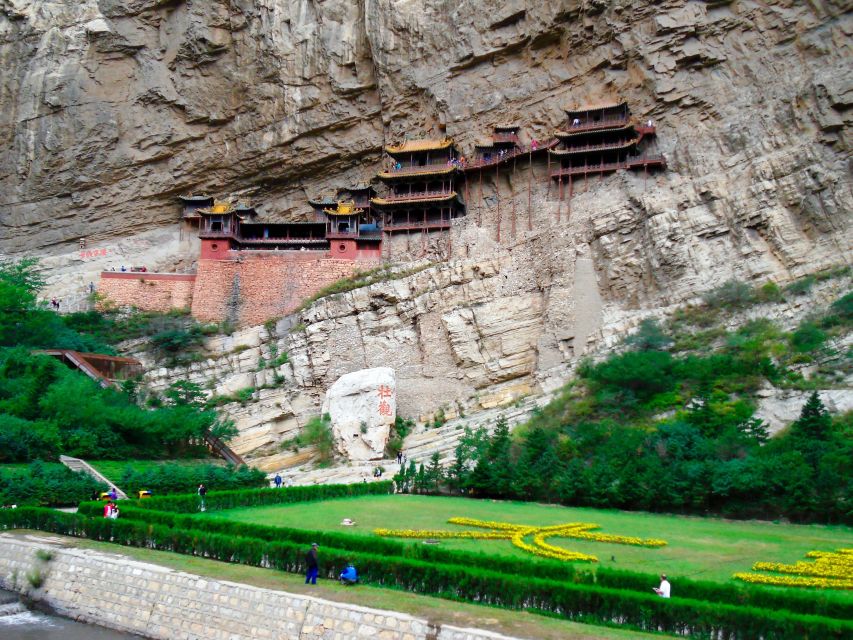
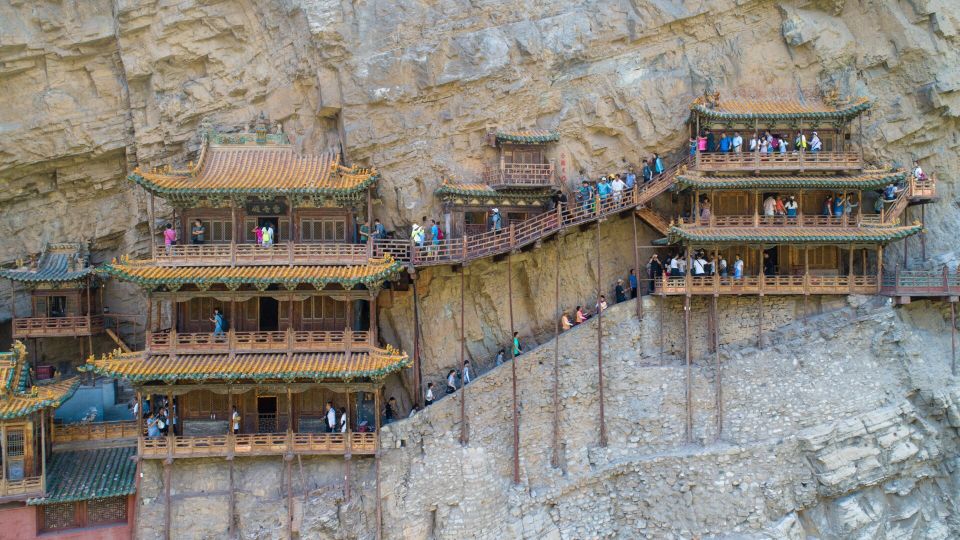
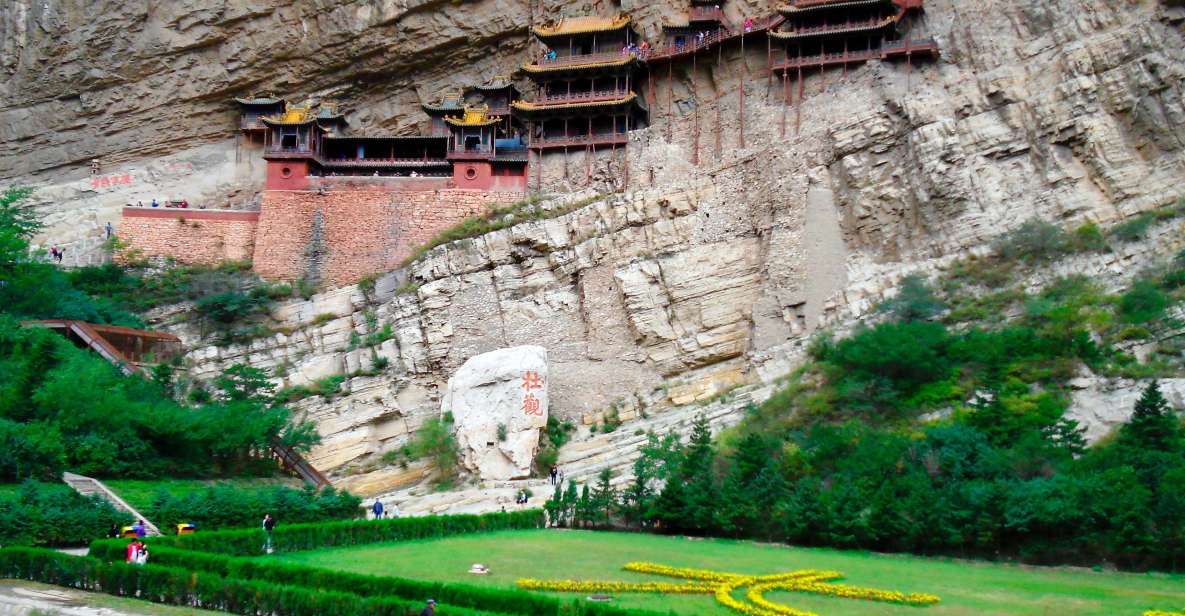
The day starts with the Hanging Monastery near Datong, built into a cliff about 75 meters above the ground. That fact alone grabs you. But the bigger reason it’s worth your time is what it represents: it’s described as the only existing temple to combine Buddhism, Taoism, and Confucianism within one site.
When you’re standing in the vicinity, you can see why this temple still feels strange in a good way. The structure isn’t a gentle, ground-level temple you stroll past. It’s a cliffside installation that forces attention: the rock itself is part of the story. You’ll spend roughly two hours depending on your chosen option, which is about right for getting oriented and seeing how the complex is laid out.
What I like about the tour approach here: this stop is guided as either a guided experience or self-guided time, with the same core goal—learn what you’re looking at and then slow down. A guide can help you interpret the three-religion angle so it stops being a trivia line and becomes a lens for what you see. If you’re going self-guided, you’ll still have support, but you’ll rely more on translation and your own reading of the space.
Possible snag to consider: the tour includes an onsite environment where you might not want to wear every kind of shoe. Sports shoes are listed as not allowed, and the setting is not flat. Wear something you can walk in comfortably without thinking too hard about grip and stairs.
Yungang Grottoes: the numbers are huge, so you need a strategy
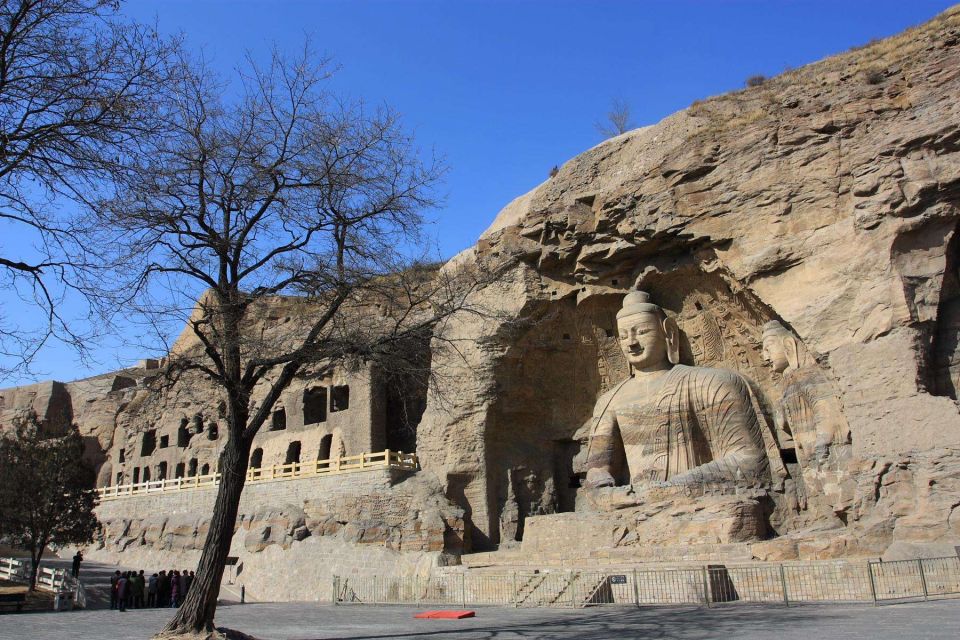
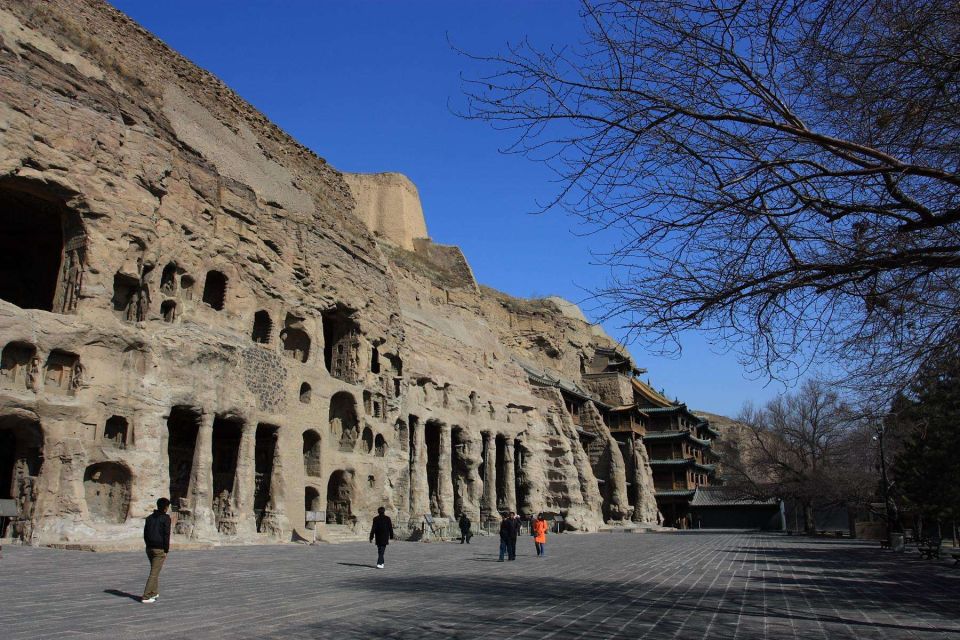
After lunch time, you head to the Yungang Grottoes, one of China’s best-known ancient Buddhist sculptural sites. This is where the tour earns its keep for people who like scale. The site is famous for 53 major caves and about 51,000 niches holding Buddha statues, carved on the south face of a sandstone cliff.
Here’s the trick: if you walk in and try to look at everything equally, you’ll end up overwhelmed and tired, especially with so many niches. You need to let the site’s structure do the work. A guide can help you pick key viewing areas so you understand what makes a cave significant, how the carvings are organized, and what to notice in the 5th and 6th century stonework.
In a guided option, you’re not just seeing statues. You’re getting a quick framework for how these grottoes were excavated from the cliff face and why the carving style matters. That kind of explanation makes the visit feel less like counting monuments and more like understanding a complex art project spread across centuries.
If you choose self-guided time, the driver handles transport and you’ll have translation support via an app and an English-speaking support team. That can work well if you’re curious but not dependent on fluent commentary. Just know that self-guided time still has two-hour blocks, so you’ll want to decide early what you’ll prioritize.
A practical note: the tour time window is designed so you’re not stranded for hours inside. That’s good. But if you’re the type who likes to linger, the return transfer can be a limiting factor.
Tour style choices: private guided vs self-guided with translation
This experience comes in different formats, and the differences matter more than you might expect.
Private-guided option (best for most first-timers)
If you pick the option with an English-speaking guide, you’ll get real interpretation on both stops. That’s the difference between seeing stone and understanding why the stone is important. In the feedback from past participants, guides such as John and Nancy are singled out for clear English and strong on-the-ground explanations, with one guide (Phoebe) also noted for competence and friendliness.
For me, that’s the main reason to choose private guided: you spend less time guessing what you’re looking at, and more time enjoying the details you’d otherwise miss.
Self-guided option (better if you’re flexible and comfortable with apps)
If you choose self-guided for one or both sites, you’ll be with the driver. The driver speaks Chinese only, but there’s an English support team and you use a translation app to communicate and interpret information.
This can be a good fit if:
- you’re comfortable navigating independently,
- you don’t need constant spoken explanation,
- you’d rather control your own pace.
The trade-off is energy. You might end up spending mental effort on translation and figuring out what matters most at each cave section.
Tickets and the one thing you must check before leaving
The tour has ticket options, and entrance fees can be included depending on what you select. If you’re choosing the ticket-included setup, you’ll need to provide your name and passport number.
This is where you should be a little cautious. Some people have had problems when tickets weren’t ready on arrival and then had to buy them again onsite. To avoid that kind of stress, do this:
- Confirm the ticket option you chose before the day.
- Make sure your name and passport number are entered correctly.
- Bring your passport (you’ll need it anyway for the ticket requirement).
If you’re traveling during a high season, last-minute ticket scrambling is exactly the kind of time-waster you can avoid with a quick double-check.
Timing, lunch, and how the day actually flows
Pickup is set for 9:00 am, then you go to the Hanging Monastery first. After that, the tour builds in time for lunch, described as a local restaurant stop before continuing to Yungang.
Meals are not included in the package, so you’ll want to treat lunch as a budget item and not a built-in included meal. The upside is you’re not left wandering around hungry and alone—you’ll have a planned break in the middle of the day.
The total duration is listed as 2 to 8 hours depending on the selected option. If you’re doing both major sites, plan on something closer to a full morning-to-afternoon commitment. If you’re selecting a shorter option, the tour can be a way to see the highlights without burning a whole day.
There are also two possible drop-off locations mentioned: Datong and the Yungang Grottoes parking area. That means you should check your specific plan, especially if your hotel is farther out.
Getting there comfortably: private car transfers that save your feet
A lot of Datong visitors underestimate how tiring transfers can be when you’re bouncing between major sights. This tour uses transportation by private car, which cuts down the hassle of figuring out routes, flags, and bus schedules.
That matters because both sites involve walking and viewing areas that can be more demanding than they look on a map. A comfortable ride with an efficient driver can make the difference between a pleasant day and a clenched-jaw day.
In the feedback, drivers are also praised for being safe and for handling the day smoothly, with at least one note mentioning a newer car with air conditioning. Even if you don’t care about the car details, you’ll feel the comfort when you’re doing multiple sites in one day.
Price and value: is $27 a bargain or a gamble?
At $27 per person, the price is positioned as a low-stress way to hit two major Datong attractions with transport, entrance access, and usually guidance (depending on which option you choose). The value is strongest when:
- you pick the guided option if you want context,
- you’re not already planning separate transport and tickets,
- you want your day to stay organized.
Where value can drop is if you choose the option that depends on ticket processing and something goes wrong. That’s why your role is important: confirm ticket details, carry your passport, and verify the ticket option you selected.
Overall, if you’re using the tour as intended—two sites, one organized day—this is good value. If you’re a confident independent traveler who already has tickets and transport lined up, you might not feel as much benefit from the package.
Who should book this Datong day tour, and who should skip it
This tour is a strong match for:
- first-time visitors who want the essentials of Datong,
- people who like a clear route and limited decision-making,
- art and architecture lovers who want explanation, not just photos.
It may not fit if:
- you’re traveling with a wheelchair (it’s not suitable for wheelchair users),
- you want to bring pets (pets are not allowed),
- you plan to use a camera (cameras are listed as not allowed),
- you’re set on wearing sports shoes (they’re listed as not allowed).
If you’re a careful planner and choose the right tour style, this can be an efficient, memorable Datong day. If you need maximum independence, consider the self-guided option carefully and come ready with translation tools and patience.
Should you book this day tour?
If you want one organized day that covers Hanging Monastery and the Yungang Grottoes without making Datong a scheduling project, I’d book it. It’s especially worth it if you choose the guided option so you can understand why the three-religion temple is unusual and how to read the grottoes’ carving system.
Just treat tickets as your one homework item. Provide the correct name and passport number if you choose the ticket option, then confirm it is handled before you arrive. Do that, and you’ll spend your day doing the good part—looking closely at stone that’s survived from the 5th and 6th centuries.
FAQ
What does the Datong temples and grottoes tour include?
It includes private car transportation, hotel pickup and drop-off (if selected), entrance fees, and either an English-speaking guide (for the guided/private option) or self-guided time with driver and support. It also includes tickets for the Yungang Grottoes if you select the ticket option.
Where are you picked up from?
Pickup location depends on the option you book. Pickup can be from your hotel in Datong city if pickup is selected.
How long is the tour?
The duration is listed as 2 to 8 hours, depending on the selected option and which parts you visit.
Which sites are visited?
You visit the Hanging Monastery and the Yungang Grottoes.
Are meals included?
No. Meals are not included, though there is time for lunch during the day.
Is there an English-speaking guide?
If you choose the option with a private-guided day tour, you get an English-speaking guide. For self-guided options, the driver speaks Chinese only, with translation app use and English support help.
Do I need a passport for tickets?
If you choose the ticket option, you need to provide your name and passport number.
Are cameras allowed?
No. Cameras are listed as not allowed.
What footwear is allowed?
Sports shoes are listed as not allowed.
Is the tour suitable for wheelchair users?
No. The tour is not suitable for wheelchair users.