REVIEW · SHANGHAI
French Concession Walking Tour with Real Local
Book on GetYourGuide →Operated by Bill's Fantastic Tours · Bookable on GetYourGuide
The French Concession tells Shanghai’s story in footsteps. This local-led walk links tree-lined avenues with real political and cultural landmarks, all with an English-speaking guide who can answer your questions as you go. I love the storytelling style—clear, funny, and connected to what you’re actually seeing—and I love the mix of charming streets plus serious history. One drawback: it’s a walking tour, and it’s not suitable for wheelchair users.
You’ll start near Okura Garden Hotel on South Shaanxi Road, then move through Shanghai’s “Paris of the East” vibe—wrought-iron details, old house shapes, and neighborhood lanes full of shops. The tour ends in Xintiandi, which is handy if you want food and evening strolling right after. Still, if you only want brand-new skyscraper views, this route may feel more about streets and buildings than skyline drama.
At $34 per person for 2.5 hours, it’s good value because you’re paying for a local guide, multiple landmark stops, and context that makes the area click fast. You’re also getting a finish point that’s already set up for wandering—shops, bars, and restaurants—so you’re not stuck planning the next move.
In This Review
- Key Points You’ll Care About
- Why the French Concession Still Feels Like Shanghai’s Living Backdrop
- Meeting at Okura Garden Hotel: A Convenient Starting Pin
- Middle Huaihai Road: Where European-Style Streets Meet Shanghai Life
- Former French Club and Jinjiang Hotel: Architecture With Answers in the Walls
- Shanghai Culture Square Theatre: Not Just Another Landmark Stop
- 1920s Neighborhood Feel and Sinan Mansions: The Part You’ll Want to Rewalk
- Communist Delegation Office and the Party Birthplace: Serious History in Plain Sight
- Xintiandi Finish: A Convenient Place to Eat and Keep Wandering
- Price and Time: Does $34 Really Deliver?
- Who This Walking Tour Fits Best
- Should You Book This French Concession Walk?
- FAQ
- How long is the French Concession Walking Tour with Real Local?
- How much does the tour cost?
- Where do I meet the guide?
- Where does the tour end?
- Is the tour in English?
- Is it wheelchair accessible?
- Are there any rules about smoking?
- Can I book last minute?
- Is there free cancellation?
Key Points You’ll Care About
- Local guide Bill explains Shanghai’s evolution from street level, in clear English
- French Concession history (1849–1946) shows up in architecture and neighborhood layout
- Photo-friendly old-house details like wrought iron fences and stair railings
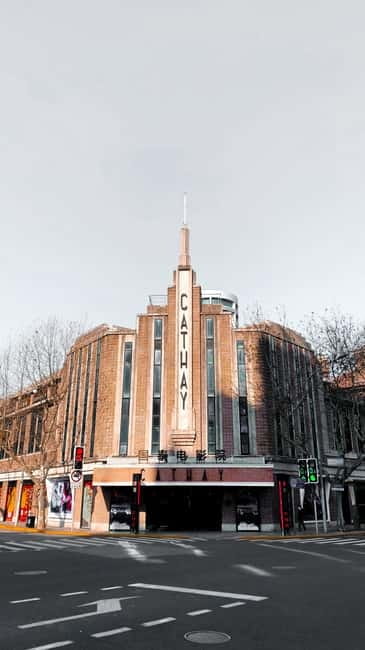
- Landmark mix: French Club, Jinjiang Hotel, and Communist Delegation Office sites
- Easy landing in Xintiandi with lots of places to eat or browse after the tour
- Not wheelchair accessible, since it’s built around walking
Why the French Concession Still Feels Like Shanghai’s Living Backdrop
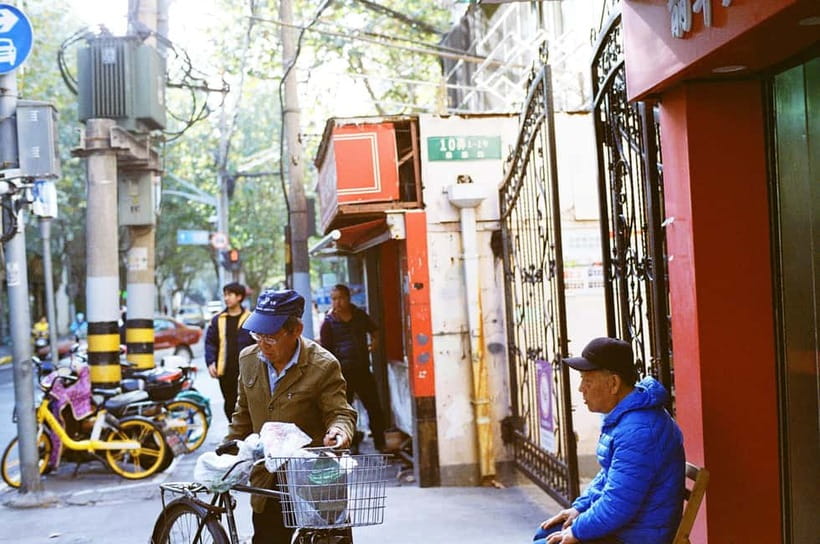
Shanghai’s French Concession was administered by the French government from 1849 until 1946, and the area still carries that European street plan in your bones. As you walk, the tree-lined boulevards and orderly blocks give you a sense of how power, trade, and foreign influence shaped city life long ago. It’s one of those places where you don’t just read history—you walk through it.
What I like most is how the tour doesn’t treat the neighborhood like a museum display. It frames the French presence as part of Shanghai’s bigger story: fashionable streets and fine older houses, then later waves of change that created the Shanghai you recognize today. You’ll see how a district can be both preserved and repurposed, with old buildings renovated while newer development rises nearby.
The result is a tour that feels practical. You’re not chasing far-away stops. You’re using one walk to connect architecture, daily life, and political turning points, all in the same general area.
You can also read our reviews of more tours and experiences in Shanghai.



Meeting at Okura Garden Hotel: A Convenient Starting Pin
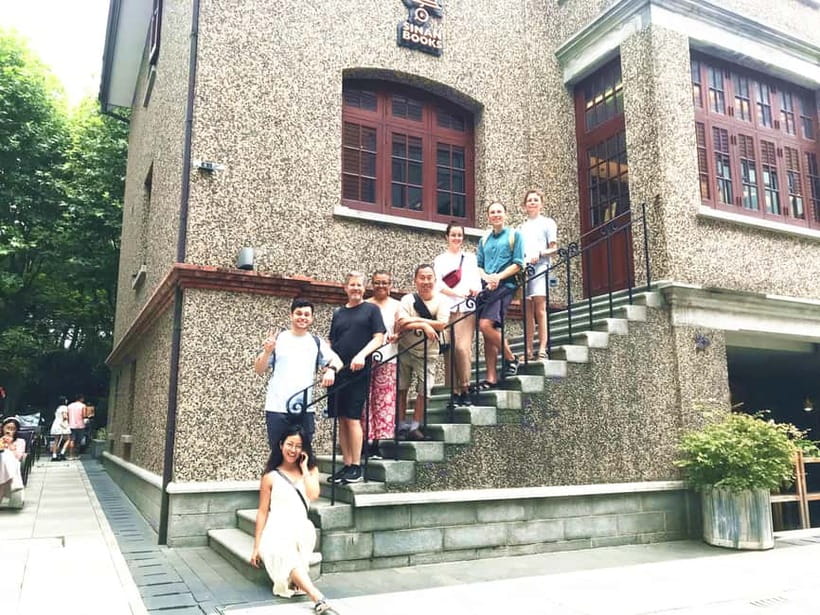
You meet Bill in front of Okura Garden Hotel on South Maoming Road—easy to find if you’re already using the subway. The tour’s meeting spot is about 100 meters left of Exit 3 of South Shaanxi Road subway station (Line 1/10/12). If you’re taking a taxi, the instruction is 花园饭店 (茂名南路58号).
This matters because the French Concession stretches across multiple blocks. A clear meeting point helps you get moving quickly without time wasted hunting for the group. And because the tour is English-led, you’ll usually get a straight-to-the-point orientation before you step onto the tree-lined avenues.
Once you’re there, Bill’s approach is built around answering your questions on the spot. That’s a big deal on a short 2.5-hour schedule, because it keeps you from saving curiosity for later.
Middle Huaihai Road: Where European-Style Streets Meet Shanghai Life
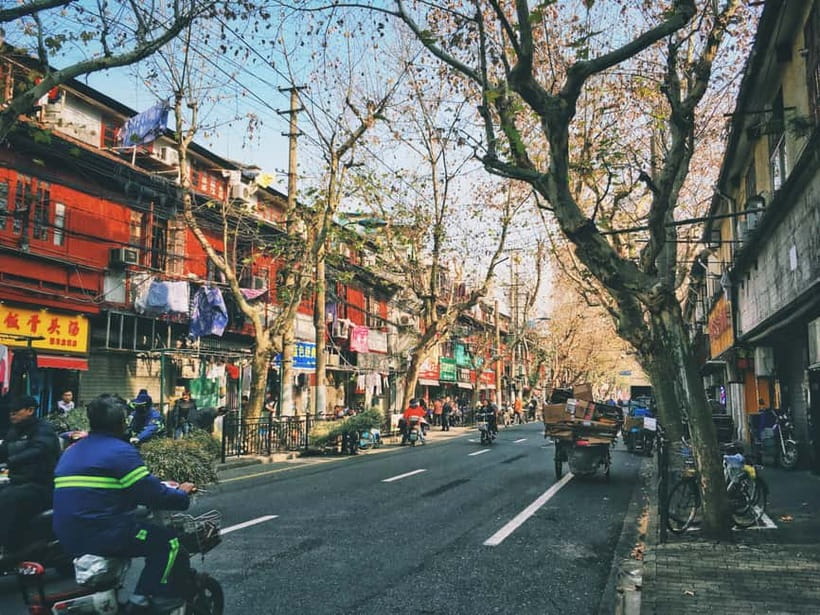
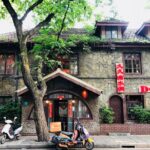
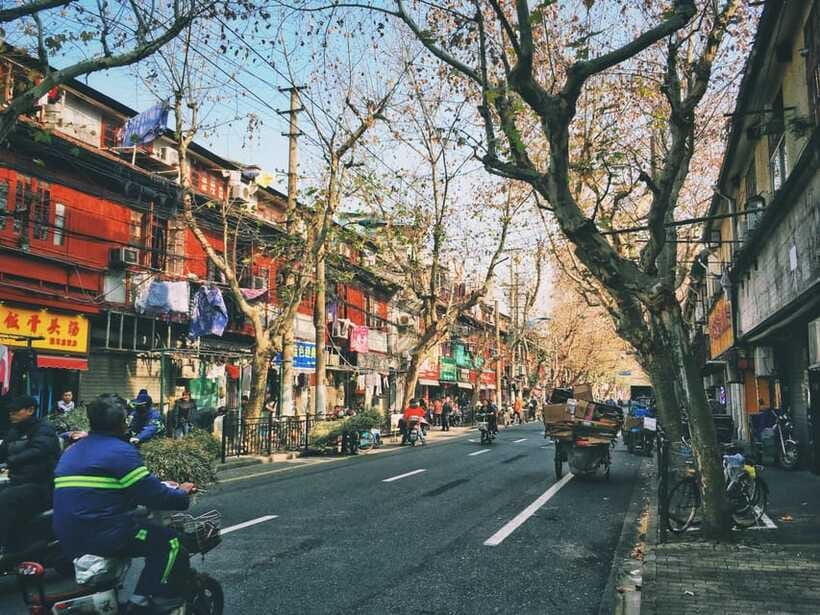
One of the first big draws is the feel of the French Concession streets themselves. Middle Huaihai Road is the kind of boulevard that makes you slow down—broad sidewalks, mature trees, and that old-world rhythm of fence lines and building setbacks.
This is where you start noticing details that make the area famous: the wrought iron fences and stair railings that look familiar if you’ve spent time around Paris or Montreal. Even if you don’t know those cities, you’ll still get the point. These are visual clues to design choices, neighborhood prestige, and how people once lived and moved.
The tour also helps you understand how the Concession became fashionable for more than a century—then continued evolving. Today you’ll see a blend: upmarket residential and office towers, hotels, and huge shopping malls. At the same time, many older blocks and houses have been renovated, so the charm isn’t just in one preserved building—it’s in stretches of neighborhood.
Former French Club and Jinjiang Hotel: Architecture With Answers in the Walls
As you move along, you’ll hit landmark buildings that help explain the district’s role in modern Shanghai. Two highlights are the Former French Club and the Jinjiang Hotel.
These stops are useful because they act like anchors. You can look at an exterior, listen to the story, and then connect it to what you’re seeing nearby—how social life worked, who had access, and how foreign administration influenced institutions on the ground.
This is also where the tour becomes more than a photo walk. Bill links the look of the buildings to how Shanghai developed: trade, status, and the way different communities used the same city while living under different systems. Even if you’re not a “history person,” this kind of explanation makes architecture feel readable, not random.
If you’re the sort of traveler who hates vague sightseeing, you’ll probably like this part. Bill tends to give crisp context and then point you back to something visible—so the story sticks.
Shanghai Culture Square Theatre: Not Just Another Landmark Stop
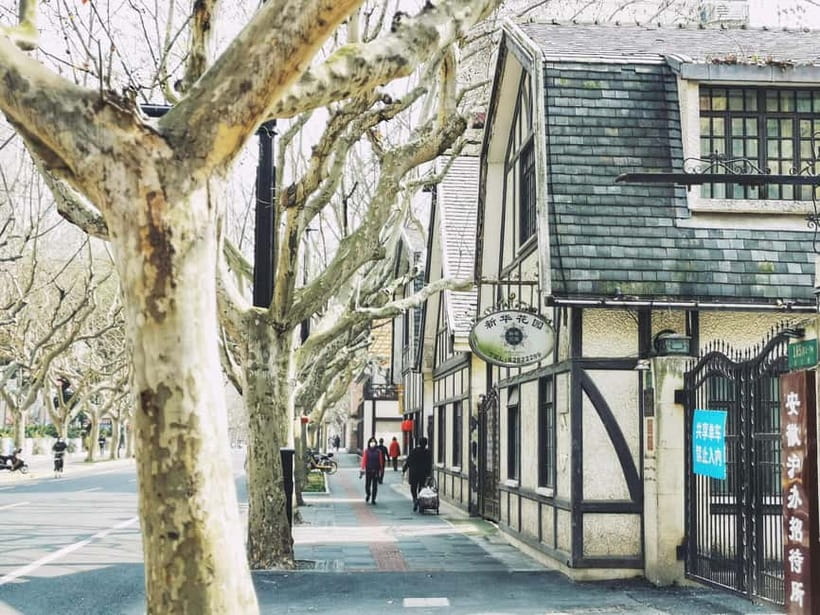
The tour includes a visit connected to Shanghai Culture Square Theatre, with a guided stop designed to give you context before you move deeper into the area. This is a practical moment in the schedule: it helps you reset what you’ve already learned and recalibrate your understanding of the city’s cultural direction.
Shanghai Culture Square is helpful because it shows a different side of the district’s “evolution.” The French Concession wasn’t frozen in time. It adapted, absorbed, and built new layers on top of older ones. Seeing this in the middle of the walk makes the later history stops feel more connected, not like random detours.
You’ll finish this segment with a clearer sense of how Shanghai moves between styles and eras—sometimes in the same neighborhood block.




1920s Neighborhood Feel and Sinan Mansions: The Part You’ll Want to Rewalk
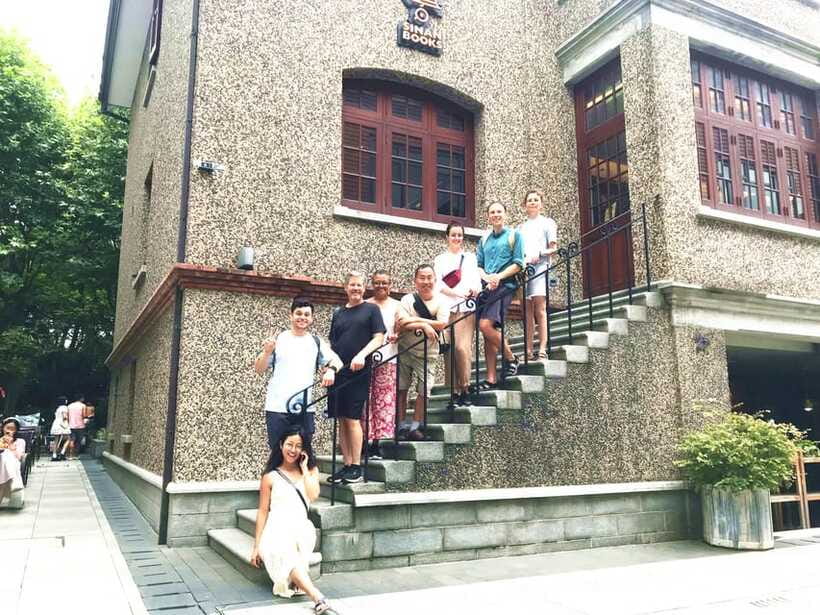
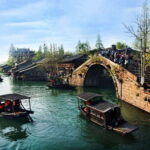
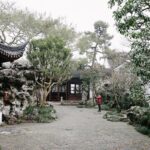
One of the most enjoyable aspects is the older neighborhood atmosphere—especially the parts tied to the 1920s feel. You’ll also see Sinan Mansions, which is the kind of building stop that makes you understand why people talk about the French Concession with that Paris-like comparison.
Here’s the practical value: you start to notice patterns. The old house shapes, the fencing, the spacing between buildings, and the overall street geometry aren’t just “cute.” They show how the district was designed for status and comfort, and how those design choices shaped daily life.
Then, as you keep walking, you see what changed. The Concession today includes huge commercial spaces and newer towers, but the older streets don’t feel erased. Many older buildings and even entire neighborhoods have been renovated. That means you can experience historical design choices without feeling like you’re walking through a sealed-off past.
My advice: after the tour, come back to the Sinan Mansions area (even for 20 minutes). If you’ve just learned what to look for, it’s one of those places that rewards a second slow pass.
Communist Delegation Office and the Party Birthplace: Serious History in Plain Sight
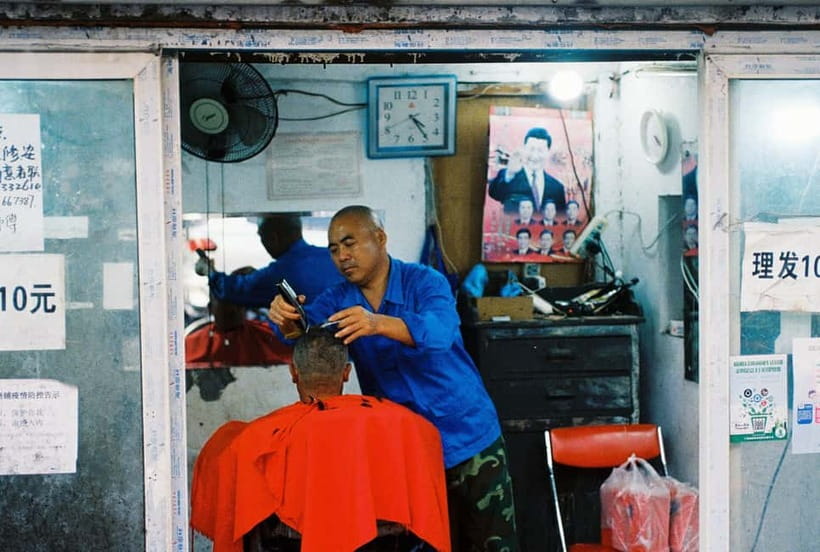
This tour doesn’t shy away from heavy history. You’ll visit the Communist Delegation Office and the birthplace of the Chinese Communist Party. These are major landmarks, but what makes them work on a walking tour is that you experience them in context of the streets around them.
It can be startling—because you’re moving between European-style neighborhood details and sites tied to China’s political transformation. That contrast is the point. Shanghai’s story isn’t one theme. It’s competing forces, shifting power, and people making decisions that changed the future.
For me, the best thing Bill does here is keep it grounded. He answers history questions in the moment and helps you understand why these sites mattered, rather than just naming them. You’ll likely leave with a clearer timeline sense: how foreign administration, local life, and later political movements all intersected in this city.
Note: this part can feel more intense than the boutique-and-cafe sections. If you’re traveling with family members, it can help to set expectations: the walk includes both architecture charm and political history.
Xintiandi Finish: A Convenient Place to Eat and Keep Wandering
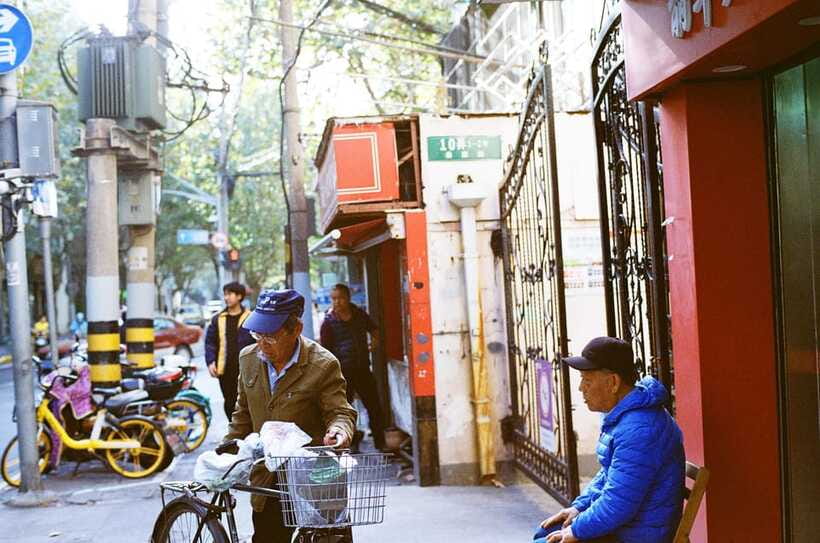
The tour ends at Xintiandi, a fashionable compound loaded with shops, bars, and restaurants. This ending is smart. Walking tours often finish somewhere inconvenient, forcing you to immediately plan transport. Here, you can simply step into the next phase of the trip.
Xintiandi is also a good “processing zone.” By the time you arrive, you’ve already absorbed a lot—French Concession origins, renovation patterns, and political sites. The dining and shopping atmosphere helps you reset without losing the momentum of the day.
If you want to turn this into a full half-day outing, Xintiandi is the easy answer. Pick a place to eat, then keep exploring nearby streets at your own pace. It’s the kind of ending that makes the tour feel complete rather than cut short.
Price and Time: Does $34 Really Deliver?
For $34 per person over 2.5 hours, the value comes from three things.
First, you’re not paying just for access to buildings—you’re paying for a live local guide. Bill’s English narration is built around telling you what the landmarks mean and how the city changed over time, so you get context you can’t easily pull from street signs alone.
Second, you’re getting an efficient route. The French Concession is a wide area, and a guided walk helps you cover the main story beats without wasting time backtracking. You also get practical help with what to do next, since Bill can suggest shopping, tea, and memorable dining spots.
Third, the finish at Xintiandi saves decision fatigue. Instead of scrambling for your next move, you land in an area designed for eating and browsing.
If you’re short on time but want a meaningful Shanghai slice, this price and duration fit nicely. If you prefer very slow wandering with lots of breaks, you might want to plan extra time afterward for your own exploring.
Who This Walking Tour Fits Best
This tour works especially well if you want:
- A guided walk through the French Concession with real local context
- Architecture explanations tied to Shanghai’s changing identity
- A mix of light neighborhood charm and heavier political history
- An English-speaking guide who can handle questions and keep things moving
It may not fit as well if you can’t manage continuous walking, since it’s not suitable for wheelchair users. And if you’re only interested in modern city views, this route leans hard toward streets, buildings, and historical landmarks.
Should You Book This French Concession Walk?
Yes, if you want Shanghai to make sense quickly. This is the kind of tour that turns a pretty district into a story you understand—French administration, renovated old neighborhoods, and major Communist-era sites, all linked by the same walkable streets. I also like that you finish in Xintiandi, so the day doesn’t end with a “now what?” moment.
Book it if you appreciate a guide who tells history in a way that connects to what you’re seeing, and if you like shopping-and-cafe energy mixed with proper landmarks.
FAQ
How long is the French Concession Walking Tour with Real Local?
The tour lasts about 2.5 hours.
How much does the tour cost?
It costs $34 per person.
Where do I meet the guide?
Meet in front of Okura Garden Hotel on South Maoming Road, about 100 meters left of Exit 3 at South Shaanxi Road subway station (Line 1/10/12).
Where does the tour end?
The tour ends in Xintiandi.
Is the tour in English?
Yes, it’s a live English tour.
Is it wheelchair accessible?
No, the tour is not suitable for wheelchair users.
Are there any rules about smoking?
Smoking is not allowed.
Can I book last minute?
Yes, last minute booking is possible and bookings stay open until the start of the tour.
Is there free cancellation?
Free cancellation is offered up to 24 hours in advance for a full refund.