REVIEW · SHANGHAI
3-hour breakfast walking tour in former French Concession
Book on GetYourGuide →Operated by Shanghai Foodie · Bookable on GetYourGuide
Breakfast is the best Shanghai shortcut. This 3-hour walking tour in the former French Concession sets you loose among old lanes while you eat 10+ local breakfast options and hear why they matter. I love that it’s a small-group style morning, so the guide can steer you through the food calmly (and answer questions), and I love the mix of classic bites like sheng jian bao plus comforting soups and noodles. One drawback to plan for: there’s no hotel pickup, so you’ll need to get to the meeting point on your own.
I also like that the guide speaks English, Chinese, or Korean, which makes a big difference when you’re trying to understand what you’re eating and how to order the right thing. Meet up at Exit 2 of South Huangpi Road Station (Line 1) or at the front door of Xintiandi Plaza (333 Huaihai Road) by Didi, and your guide will be there to greet you.
In This Review
- Key things I’d circle before you go
- Former French Concession mornings: why this area fits breakfast so well
- What you’ll eat: the real heart of the 3-hour walk
- The route experience: small-group walking in lanes you might miss
- A heads-up on logistics (the one thing that can trip people up)
- The food stop style: how each category teaches you to taste Shanghai
- Soup dumplings: focus on warmth and timing
- Sheng jian bao: the crispy-bottom callout
- Savory noodles and curry soup: comfort that rounds out dumpling-heavy mornings
- Jian bing pancake: a breakfast street-classic moment
- Tea and coffee: the quiet stops that add real meaning
- The guide experience: where names like Jim and Jade show up
- Price and value: is $77 fair for a breakfast walk?
- Who this breakfast tour suits best (and who might want a different style)
- How to get the best results from the experience
- Should you book this Shanghai breakfast walking tour?
- FAQ
- What is the duration of the Shanghai Breakfast Walking Tour?
- How much does the tour cost?
- What’s included in the tour price?
- Is hotel pickup or drop-off included?
- Where do I meet the guide?
- What languages are available for the live guide?
- Is the tour wheelchair accessible?
Key things I’d circle before you go
- Former French Concession streets: walk the lanes where Shanghai’s past still shows up in the daily flow
- 10+ breakfast tastings: soups, dumplings, noodles, tea, jian bing, and more in one focused morning
- Food plus local context: you’re not just eating; you’re learning how people actually build a breakfast habit
- Small-group pacing: more time per stop, less sprinting between places
- Guides like Jim, Jade, Jimmy, and Helen: multiple names show up in real visitor feedback for clear, friendly guiding
Former French Concession mornings: why this area fits breakfast so well
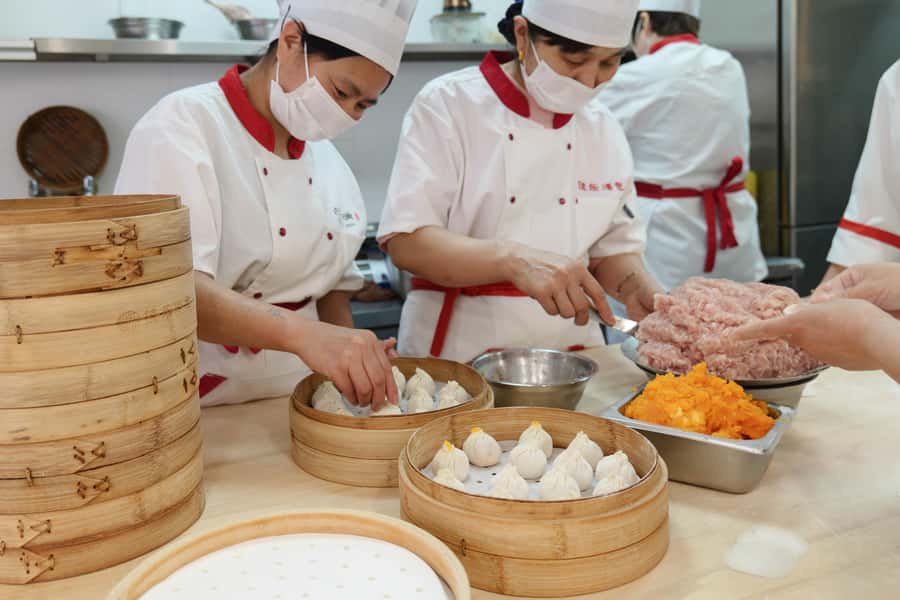
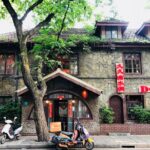
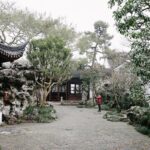
Shanghai’s former French Concession is one of those neighborhoods that feels layered. You get tree-lined streets, older architectural shapes, and a steady rhythm of locals going about their day. That mix matters on a breakfast tour, because food is tied to place: where people gather, what stalls sell nearby, and which small eateries have survived changing trends.
This tour lasts 3 hours, which is long enough to hit many stops without turning into a marathon. It’s also timed for breakfast, so the choices lean toward doughs, dumplings, warm soups, noodles, and tea—exactly the comfort zone you want to start the day in.
You can also read our reviews of more tours and experiences in Shanghai.



What you’ll eat: the real heart of the 3-hour walk
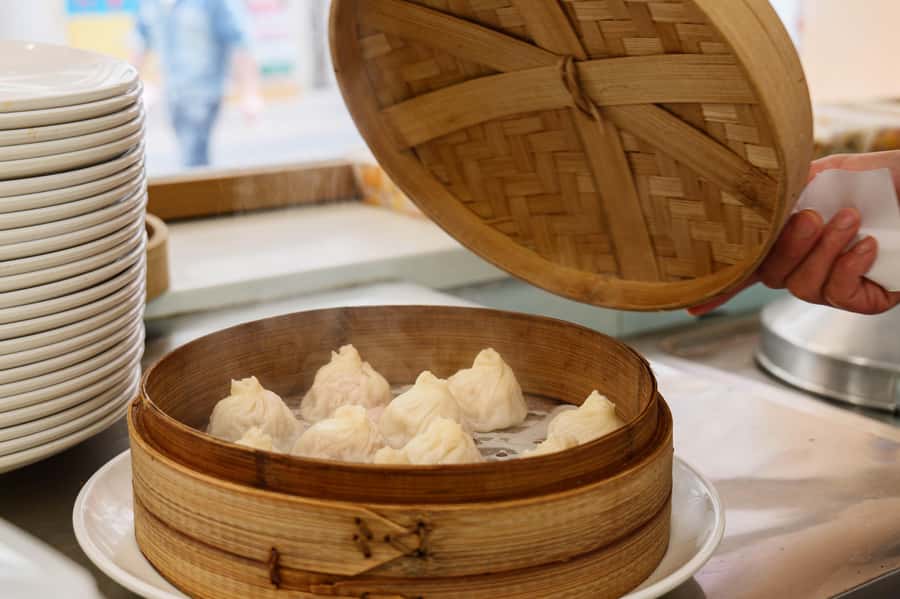
The biggest promise here is straightforward: you’ll sample over 10 breakfast options. You’re not choosing dishes one by one on your own; the guide builds a route around regional Shanghai favorites and surrounding Chinese flavor ideas.
Based on what’s listed for the tour, your tastings can include:
- Soup dumplings
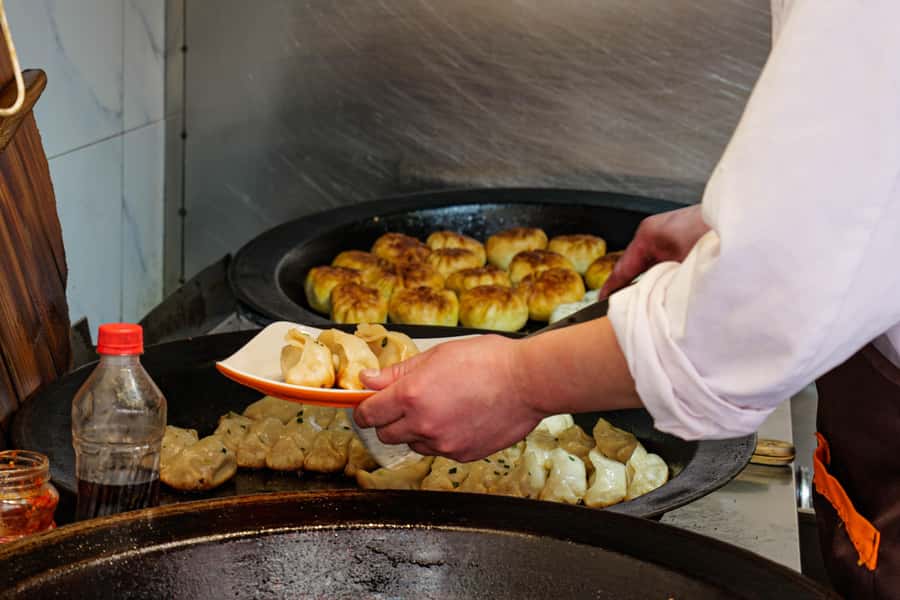
- Sheng jian bao, including the specially-cooked crispy-bottom style
- Savory noodles
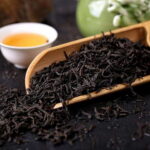
- Traditional Chinese tea
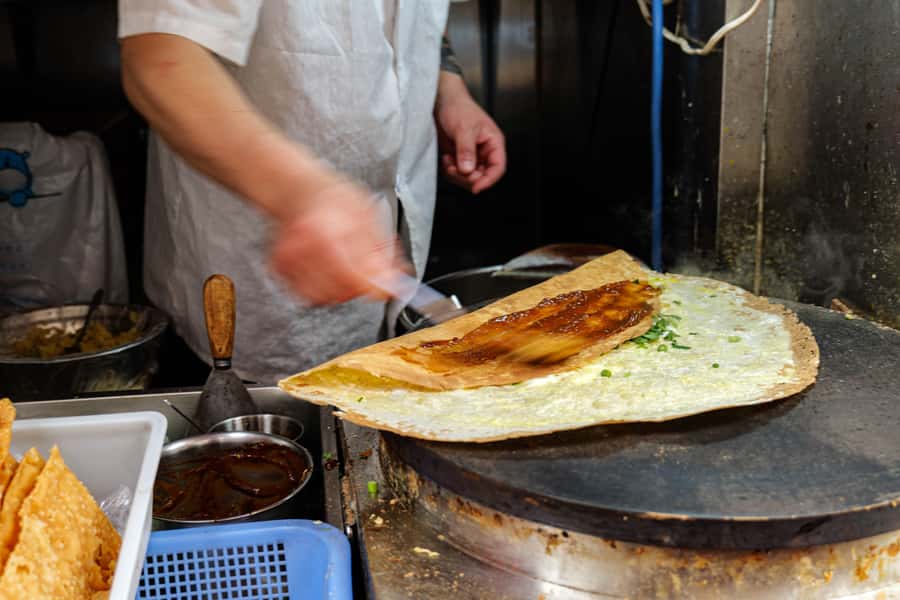
- Jian bing pancake
- Curry soup
A tour like this is valuable because it compresses trial-and-error. If you’re visiting for a short time, it’s hard to figure out what breakfast items are worth hunting for. Here, you get a structured sampler of key categories, so you leave with a clearer sense of what Shanghai breakfast actually tastes like.
The route experience: small-group walking in lanes you might miss
This is a walking tour, and the meeting points are placed where you can plug into public transit. The main meet spot is Exit 2 at South Huangpi Road Station on Shanghai Metro Line 1. The station is also described as being at the site connected with the first CPC national congress, which gives the walk an extra layer even before food shows up.
If metro navigation isn’t your thing, the alternative pickup point is practical: you can take Didi to No. 333 Huaihai Road, at the front door of Xintiandi Plaza. Either way, the point is the same: you meet the guide at a clear landmark, then start moving.
Because it’s a small group, you’re more likely to get help with the flow—when to eat, what to focus on, and how to keep the pacing comfortable. Reviews also mention good pacing and lots of stops, which suggests the tour doesn’t feel like a rushed tasting line.
A heads-up on logistics (the one thing that can trip people up)
No hotel pickup and drop-off means you’ll want to arrive a few minutes early. If you’re coming from elsewhere in Shanghai, give yourself extra buffer for metro stairs and street crossings. Once the tour starts, the whole point is that you’re walking together.
The food stop style: how each category teaches you to taste Shanghai
One reason this works better than a standard “eat in a restaurant” experience is that each food type teaches you something different.


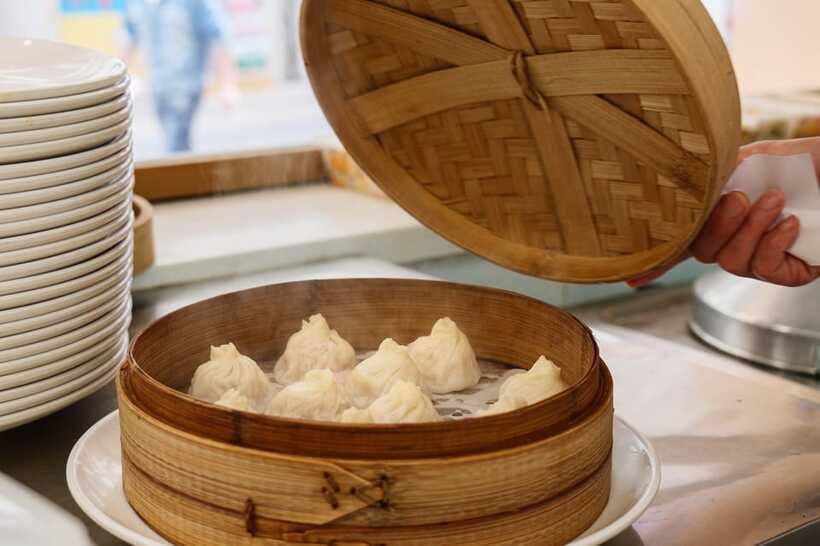
Soup dumplings: focus on warmth and timing
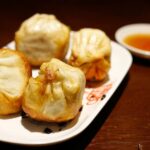
Soup dumplings are more than a single bite. The magic is in the delicate wrapper and the hot liquid inside, and you’ll usually want to be careful about eating temperature. On a guided breakfast walk, the benefit is that you’re not guessing how to handle them while also trying to find your next stop.
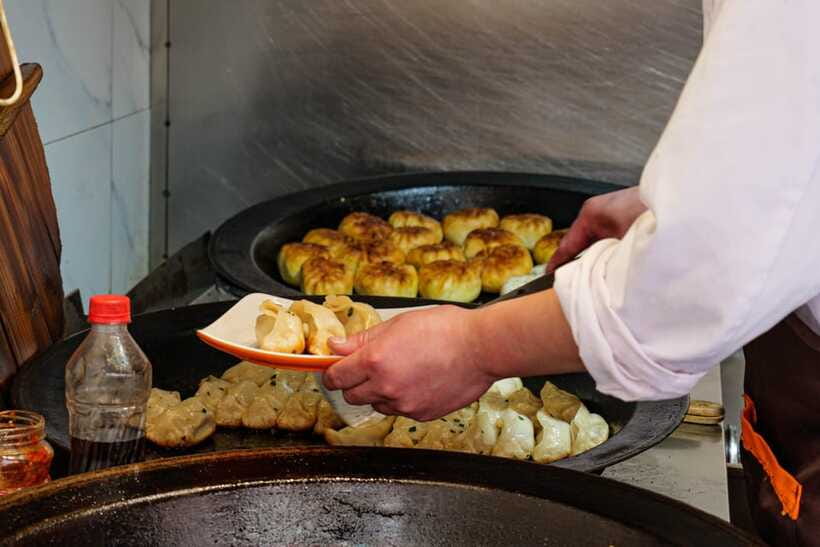
Sheng jian bao: the crispy-bottom callout
Sheng jian bao is specifically mentioned as a “specially-cooked” dumpling with a crispy bottom. That detail matters because it’s easy to get the wrong idea if you’ve only had dumplings in other styles. This tour’s inclusion suggests you’ll get to experience that texture contrast—crisp to tender—alongside other warm breakfast staples.
Savory noodles and curry soup: comfort that rounds out dumpling-heavy mornings
If dumplings and pancakes are the headline, noodles and soup are the supporting cast. Savory noodles and curry soup give you warmth and volume, so your taste buds don’t feel overloaded after only meat and dough.
This category also helps you compare “Shanghai style” versus “broader Chinese breakfast comfort.” Even if you’re not a hardcore food nerd, you’ll start noticing patterns: spice levels, noodle textures, and how soup functions as a palate reset.
Jian bing pancake: a breakfast street-classic moment
Jian bing pancake shows up often in Chinese food tourism, but the guided part is what makes it useful. You’re not just eating a famous snack; you’re learning how it fits into a breakfast rhythm, paired with tea and other savory items.
If you enjoy street food culture, this stop tends to be memorable because it’s fast, aromatic, and built around fresh assembly.
Tea and coffee: the quiet stops that add real meaning
Food is only half the story on this tour. Tea—and sometimes coffee—comes up as a recurring highlight in feedback. Visitors specifically mention local tea shops and independent coffee spots as well as learning about Chinese tea culture through the experience.
That’s a big deal for two reasons:
1) Tea explains why breakfast isn’t just about food quantity. It’s about matching flavors and temperature.
2) Independent shops tend to reflect what locals actually choose on normal mornings, not only what’s trending.
So even if you arrive thinking you’ll mostly eat, you should expect a learning moment tied to how tea is served and why people treat it as part of the day.
The guide experience: where names like Jim and Jade show up
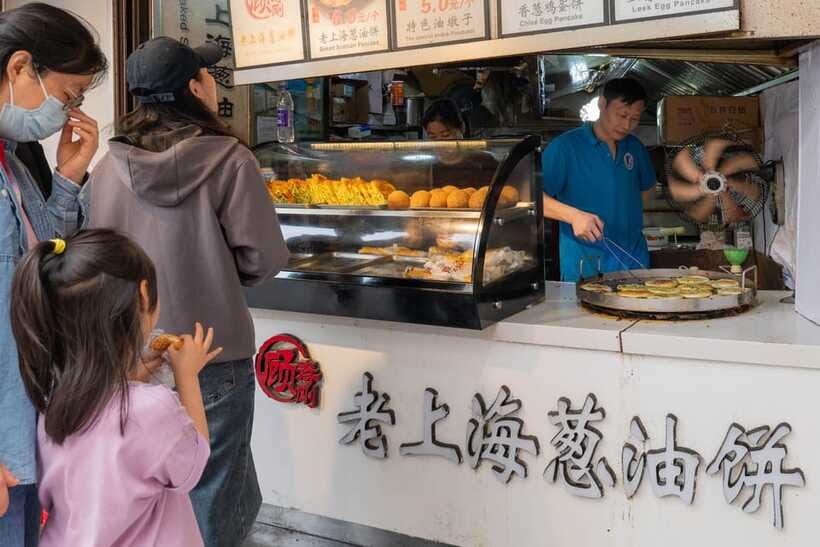
Guides are a major part of the value here. Multiple guide names appear in real feedback, including Jim, Jade, Jimmy, and Helen. What’s consistent is the role: friendly, on-time, and able to connect each tasting to the neighborhood and the city’s day-to-day culture.
This matters because breakfast in China can be confusing at first glance. The guide’s job is to help you understand what you’re looking at and how to appreciate it without slowing the group down.
One thing I appreciate in small food tours is that you can ask follow-up questions. When guides are passionate, the walk turns into more than consumption—you start building a “mental map” of how Shanghai’s food scene works.
Price and value: is $77 fair for a breakfast walk?
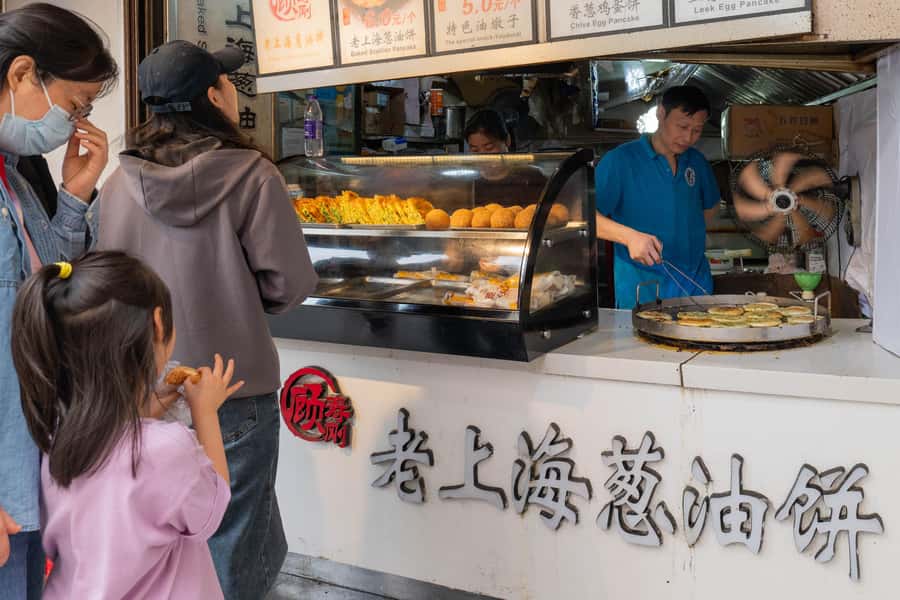
At $77 per person for 3 hours, the price can look steep if you only think of this as eating one meal. But it’s more accurate to think of it as a guided sampler with food and drinks included, plus the work of building a multi-stop route through the neighborhood.
Here’s the value logic I’d use:
- You’re tasting over 10 distinct breakfast items.
- You’re getting both food and drink included, not just a single dish.
- You’re also paying for a guide who explains what you’re eating and helps you move efficiently through the area.
If you tried to recreate this on your own, you’d likely spend more time figuring out where to go and what to order, and you’d still end up paying for multiple separate meals and drinks. For many visitors, paying for the route is what makes the experience feel worth it.
Who this breakfast tour suits best (and who might want a different style)
This tour is a great fit if you:
- Want an easy, structured way to eat your way through Shanghai breakfast.
- Like walking neighborhoods and learning how everyday culture shows up on the street.
- Enjoy tea culture as much as food.
- Prefer a small group morning over solo searching.
It’s less ideal if you:
- Hate walking or want minimal moving around.
- Expect a hotel-to-hotel experience (because pickup isn’t included).
- Want a single “one-and-done” meal rather than lots of tastings.
Because it’s wheelchair accessible, it’s also designed with movement needs in mind, though you’ll still be on foot for a full 3 hours.
How to get the best results from the experience
This is a tasting tour, so come ready to eat. A tour built around soup dumplings, sheng jian bao, noodles, jian bing, and curry soup means you’ll want your stomach to cooperate from stop one.
Also, treat the guide’s explanations as part of the meal. Ask a question when you’re curious about ingredients or how a dish is supposed to feel in your mouth. Since the tour includes tea and mentions independent shops, you’ll get more out of it if you engage with how the tea fits the food.
Finally, give yourself extra time to reach the meeting spot. Start clean, start punctual, and you’ll enjoy the walk more because you won’t be stressed about being late.
Should you book this Shanghai breakfast walking tour?
I think you should book it if you want a high-effort food morning without the planning headache. The over 10 tastings, the small-group format, and the added tea and culture context make it a strong value for first-time visitors to Shanghai who want something authentic and local-feeling.
I’d pass only if the lack of hotel pickup makes your day feel too complicated, or if you’d rather spend your morning doing one sit-down meal. Otherwise, this tour is a smart way to get taste + context in just 3 hours, while walking the former French Concession streets at the pace breakfast demands.
FAQ
What is the duration of the Shanghai Breakfast Walking Tour?
The tour lasts 3 hours.
How much does the tour cost?
The price is $77 per person.
What’s included in the tour price?
The tour includes food and drinks, plus a local guide.
Is hotel pickup or drop-off included?
No. Hotel pickup and drop-off are not included.
Where do I meet the guide?
Meet at Exit 2, South Huangpi Road Station (Line 1). An alternative meeting point is the front door of Xintiandi Plaza at No. 333 Huaihai Road.
What languages are available for the live guide?
The live guide is available in English, Chinese, and Korean.
Is the tour wheelchair accessible?
Yes, the tour is wheelchair accessible.