Dim sum gets hands-on in Shanghai. In a private cooking class in the French Concession, you pick two items from dumplings to egg rolls, then learn the steps you can repeat at home. You get the tools, ingredients, and instruction so the focus stays on making, not guessing.
I love the hands-on practice and the fact that you eat what you make right after. The teaching style shows up clearly in the feedback, with instructor Mike described as patient and great at answering questions. It makes the whole session feel relaxed, even if you are doing this with a kid in the mix.
The main drawback to keep in mind is logistics: there is no hotel pickup, and the meeting spot on Moganshan Road can be a bit hard to spot from the street since signs are limited. Once you find the door, though, the kitchen setup is the kind that works fast and gets you cooking.
In This Review
- Key Things to Know Before You Go
- Why This Class Feels Right in Shanghai’s French Concession
- Choosing Your Two Dim Sum: What to Pick From the Menu
- Inside the Chinese Cooking Workshop Kitchen Setup
- The 2-Hour Flow: What Happens Once You Start Cooking
- Instructor Attention: The Real Secret Sauce
- Price and Value: Is $88 Per Person Worth It?
- Who This Dim Sum Class Suits Best
- Getting There and Timing: Simple Planning That Saves Stress
- Should You Book This Private Dim Sum Class?
- FAQ
- How long is the dim sum cooking class?
- Is this class private?
- How many dim sum items can I choose?
- What dim sum options are on the menu?
- Is there a vegetarian option?
- Is hotel pickup included?
- Where is the meeting point and what time does it start?
Key Things to Know Before You Go
- Pick exactly two dim sum items from a fixed menu, then cook those (not a random sampler)
- Private class for just your group so you get real attention instead of watching from the sidelines
- Everything is provided including equipment and ingredients, so you do not need shopping
- You eat your own meal after cooking, including both savory and sweet options depending on your picks
- Vegetarian dim sum options are available if you tell them ahead of time
- English-speaking support is part of the experience, with chefs noted for clear, helpful explanations
Why This Class Feels Right in Shanghai’s French Concession
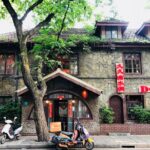
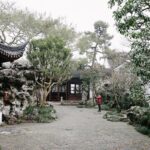
Shanghai’s French Concession is a smart place to do a cooking class because it puts you in a neighborhood that feels walkable and lived-in. You are not stuck in a far-off industrial zone with a parking lot and a souvenir shop. Instead, you are in an area where local streets and old-school architecture make waiting for your session feel less like logistics and more like part of the day.
You also start from a very specific meeting point: Moganshan Road (Mo Gan Shan Lu) in Pu Tuo District. That matters because it keeps the experience simple. You can plan your morning around getting there by public transportation. The class notes say it is near transit, which is exactly what you want in a city this size.
One more detail I like: this is listed as running in all weather conditions. So if your Shanghai plans get bumped by rain or heat, this is the kind of activity that usually still happens. You just dress for the day and let the kitchen do the rest.
You can also read our reviews of more tours and experiences in Shanghai.



Choosing Your Two Dim Sum: What to Pick From the Menu
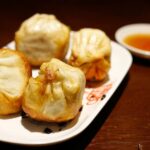
This class is built around one clean idea: you choose two bite-size dim sum items from their menu, and the chef teaches those techniques.
Here is the menu you can choose from:
- Shrimp Dumpling
- Goldfish Dumpling
- Four Happiness Dumpling
- Sui Mai
- Xiaolongbao (steamed pork dumplings with soup)
- Big Wonton
- Leaf Bun
- Fried Bun
- Egg Roll
- Sesame Ball
- Red bean paste sweet soup
- Coconut sago sweet soup
That choice structure is great because you can match your mood. Want savory-heavy? Go with dumplings and egg rolls. Want something classic and a little dramatic? Xiaolongbao is the one people talk about when they want a real Shanghai-style experience. Need a safer path for beginners? Sui mai or wonton-style dumplings can be a good starting point since they focus on shaping and filling rather than perfect pleating every time.
If you are cooking with kids, picking two items can also help you avoid the schedule feeling too rushed. You are not trying to learn five things at once. You learn two properly.
Vegetarian cooks are supported too. The class notes say a vegetarian option is available, as long as you request it at booking. That is worth doing early, because it lets the instructor plan ingredients and teach the right steps without last-minute scrambling.
Inside the Chinese Cooking Workshop Kitchen Setup
The kitchen setup is an important part of why this class works. One of the most consistent points in the feedback is that once you get inside, you are in an actual working-style space—described as industrial in feel. That matters for a cooking class because it typically means:
- clear workflow
- enough room to work
- equipment ready for the dishes you picked
The flip side is finding it. The same feedback highlights that the room can be a little tricky to locate from the street since there are not many signs. So if you are the type who hates being late, give yourself a little extra time. Aim to arrive early, not right on the minute.
Also, no hotel pickup is included, so you will be relying on your own navigation. The good news is the meeting area is marked as near public transportation, which makes it doable even if you are not renting a car.
The 2-Hour Flow: What Happens Once You Start Cooking
This is a 2-hour private dim sum cooking class, starting at 10:00 am. The experience runs in all weather conditions, and you can advise a preferred time category—morning, afternoon, or evening—at booking. In other words, you are not locked into only one schedule unless that is what they confirm for you.
Here is how the session generally plays out once you arrive:
- You confirm your two dim sum picks. You need to advise your choices when booking, so the chef can prep ingredients and plan the steps.
- You get equipment, ingredients, and instruction. You are not handed a random recipe card and told to figure it out.
- You cook your chosen items with the chef guiding you through technique. Since your choices can include steamed items (like xiaolongbao) or fried items (like fried bun/egg roll), the work will adjust to match the dish.
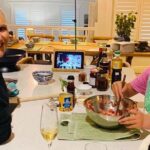
- You eat your handmade meal afterward, so you get instant payoff. You do not just take photos and hope it tasted good.
A big practical advantage here is the private setup. If something goes wrong—wrappers tearing, filling too loose, folds not forming right—you can ask. That is where live teaching beats video every time. The class format is designed for questions, not silence.
One more nice detail: you are learning in Shanghai, and the class frames it as understanding flavors and techniques, not just memorizing steps. Even if you never make dim sum again, you usually leave with a better sense of what makes a filling taste balanced and how the shaping affects texture.
Instructor Attention: The Real Secret Sauce
A cooking class is only as good as the person teaching it. This one is built for focus: it is private, and you are meant to get full attention of the instructor while you cook.
The feedback points to instructors who:
- speak clear English
- explain before you start the hardest steps
- move at a pace that works for the group
In one highlighted example, chef Mike was described as witty and not rushing. That combination matters. Rushing makes dim sum frustrating. Clear pacing makes it fun.
Also, the class notes mention that children must be accompanied by an adult, and adult pricing applies starting at age 3. In practice, that usually means the chef can adapt to family rhythm—short attention spans, a need to repeat a step, and kids who want to help even if they spill a little flour.
If you are cooking with a teen or a serious foodie who likes to ask why something works, this format is also friendly for technique questions. It is not just hands-on; it is hands-on with time to think.



Price and Value: Is $88 Per Person Worth It?
At $88 per person, this class is positioned as a value option for what you get. Here is what makes the price feel more fair than you might expect:
- Private instruction for your group (not a shared demo)
- Equipment and ingredients included
- A full meal made by you, eaten afterward
- Two specific dim sum choices taught end-to-end
The not-included part is simple: hotel pickup and drop-off are not provided. So you are paying mostly for the cooking experience itself, not a chauffeur.
One detail that also hints at strong demand: it is often booked about 9 days in advance. That means it can be popular, especially around weekends. If your Shanghai trip has a tight food plan, book early so you can match your preferred time of day.
If you are traveling as a pair or with family, the value gets better fast because private time is expensive in any major city. You are not paying to share the kitchen. You are paying for your group to learn.
Who This Dim Sum Class Suits Best
This fits best when you want food you can actually repeat at home, not just a meal you can eat and forget.
I would point you toward it if:
- you want a structured way to learn dumpling and wrapper skills
- you like interactive activities more than sit-and-smile tours
- you are traveling with kids and want an activity that keeps everyone busy
- you want a break from crowds but still want something very Shanghai
It can be less ideal if:
- you only want to eat and do not care about learning technique
- you hate navigating to exact street addresses on your own (no pickup)
- your schedule is so tight you cannot arrive a few minutes early to find the workshop entrance
Getting There and Timing: Simple Planning That Saves Stress
Start with the basics:
- Meet at Moganshan Road (Mo Gan Shan Lu) in Pu Tuo District
- Start time is 10:00 am as listed
- Plan for the workshop ending back at the meeting point
You do not need special gear. The class notes focus on weather readiness, so dress appropriately for Shanghai conditions that day. Since it runs in all weather, you might want shoes that handle slippery sidewalks if it rains.
If you are traveling with children, note the age rules:
- children under 2 join for free
- children must be accompanied by an adult
- adult pricing applies from age 3
If you care about diet, request vegetarian options at booking. That is the only way to make sure the chef has the right ingredients and can teach the right steps.
And if your plans are flexible: the experience offers free cancellation up to 24 hours before the start time. That gives you breathing room while you lock in the rest of your Shanghai days.
Should You Book This Private Dim Sum Class?
If you like the idea of learning dumpling skills and then eating your own work, I think this is a very strong booking. The private format is the headline: you get real attention while you make two dishes, not a rushed demo where you barely get to touch anything. Add in that equipment and ingredients are included, and the price starts to feel like you are paying for guided technique and a meal, not just a recipe experience.
I would book it early if dim sum is high on your list, since it is commonly reserved about a week and a half ahead. And if you are hoping to cook with a specific flavor direction, send your two choices when booking so the chef can set the session up correctly.
If your biggest concern is finding the workshop without signs, just give yourself extra time when you arrive. That small bit of planning usually fixes the only real drawback.
If you want a hands-on Shanghai memory that sticks more than a restaurant bill, this is exactly the kind of class that earns its spot on your itinerary.
FAQ
How long is the dim sum cooking class?
It runs for about 2 hours.
Is this class private?
Yes. It is a private tour/activity, and only your group participates.
How many dim sum items can I choose?
You choose 2 dim sum items from the provided menu.
What dim sum options are on the menu?
The menu includes shrimp dumpling, goldfish dumpling, four happiness dumpling, sui mai, xiaolongbao, big wonton, leaf bun, fried bun, egg roll, sesame ball, red bean paste sweet soup, and coconut sago sweet soup.
Is there a vegetarian option?
Yes, a vegetarian option is available. You need to request it at booking.
Is hotel pickup included?
No. Hotel pickup and drop-off are not included.
Where is the meeting point and what time does it start?
The meeting point is Moganshan Road (Mo Gan Shan Lu) in Pu Tuo District. The listed start time is 10:00 am.