REVIEW · BEIJING
Great Wall of China at Mutianyu plus Ancient City Wall of Beijing
Book on Viator →Operated by Wikibeijing · Bookable on Viator
Early mornings make the Great Wall better. I like that this is a private guided experience with entrance fees included, so you spend your money on the day, not on surprise ticket gaps. You’ll also ride the cable car both ways at Mutianyu, which means more actual time on the wall and less time waiting around. The trade-off is simple: the tour starts with a 7:00am pickup, so you’ll want to be ready early.
After Mutianyu, you shift gears to Beijing’s Ming City Wall Ruins Park, where you can study restored brickwork, bullet holes, and climb up for strong views. The free hotel pickup and drop-off keeps everything easy to manage on a full-day schedule.
In This Review
- Key things I’d watch for
- Mutianyu and the Ming City Wall: a Beijing day that feels complete
- Price and what $175 really covers
- The 7:00am start: why it matters more than you think
- Getting to Mutianyu with less stress: hotel pickup to cable car plans
- Mutianyu Great Wall: Ming walls on older foundations
- What to look for on the wall
- A tip for getting more out of the 2 hours
- Ming City Wall Ruins Park: the wall you can understand from inside Beijing
- Brickwork, bullet holes, and why those details matter
- Climbing the Southeast Corner Watchtower and the arrow tower with 144 windows
- Lunch, timing, and how to plan the rest of your day
- Private guide benefits: pacing, language clarity, and feeling less rushed
- Mobile ticket and passport: small items that prevent big headaches
- Who this tour is best for (and who might want to rethink it)
- Should you book this Great Wall and Ming City Wall tour?
- FAQ
- What time does the tour start?
- How long is the tour?
- Is lunch included?
- Are entrance fees included?
- Do I need a passport?
- Can I cancel for a full refund?
Key things I’d watch for
- Mutianyu Great Wall + cable car round-trip to maximize time on the wall
- Private guide who can help you read what you’re seeing and move at your group’s pace
- Entrance fees included (so budgeting stays predictable)
- Ming City Wall Ruins Park’s 2-kilometer restored section you can actually walk through
- Southeast Corner Watchtower and the arrow tower with 144 windows
- Mobile ticket plus hotel pickup for a smoother start
Mutianyu and the Ming City Wall: a Beijing day that feels complete
Beijing’s main attractions can feel like two separate trips: one for the Great Wall, and one for the city’s old defenses. This combo makes the day click. You get the star draw first, then you follow the logic of how Beijing was protected in the Ming era by looking at a surviving stretch of wall inside the city’s story.
What I like is that you’re not just hopping between landmarks. You’re moving from a major fortress wall outside the city to a restored Ming-era wall segment that helps explain what the Great Wall was protecting. It’s the same big theme—defense and control—seen from two angles.
You can also read our reviews of more tours and experiences in Beijing.


Price and what $175 really covers
At $175 per person, this is not a budget bus tour. But the value comes from what you don’t have to figure out on your own. Entrance fees are included, lunch is included, and you get hotel pickup and drop-off. When the cost includes the essentials, your day stays calmer.
There’s also a practical angle: a private guide costs more than a shared group, yet you gain control over pacing. For a place like Mutianyu—where crowds can swell—you feel the difference when you’re not stuck in a rigid flow. Add in the fact that this is described as a private tour where only your group participates, and the price starts to look like you’re paying for time and comfort, not just transportation.
One more small plus: the tour lists group discounts, which can matter if you’re traveling as a small group and can coordinate your dates.
The 7:00am start: why it matters more than you think
The day begins at 7:00am with pickup from your hotel lobby. That early time sounds brutal if you’re on vacation mode. Here’s why it works: Mutianyu is popular, and a head start gives you a better shot at a less chaotic morning on the wall.
Also, you’re not wasting time coordinating your own transport. A private guide handles the pickup rhythm, and you’re not stuck trying to match schedules between city transport and the Great Wall shuttle system. You’ll be out the door early, then you’ll come back later with the day finished instead of stretched thin.
If you like slow mornings or you’re traveling with anyone who struggles with early starts, this is the one part that can feel like a chore. Build in an easy evening the night before and aim to be packed and ready.
Getting to Mutianyu with less stress: hotel pickup to cable car plans
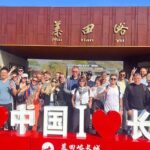
Once you’re picked up, your first stop is the Great Wall at Mutianyu. This matters because Mutianyu is a restored Ming-era stronghold that still feels like you’re walking along real military infrastructure instead of a theme park.
The tour uses a cable car for both ways. That’s a big deal for comfort and timing. It can also help your whole experience because you’re not spending the first hour negotiating steep access routes and then still arriving tired. The cable car ride also sets you up for those high, sweeping viewpoints people talk about—platform-to-ridge views that you just don’t get from street level.
Mutianyu Great Wall: Ming walls on older foundations
Mutianyu’s story is more layered than most people expect. The wall you walk on was built and restored in the early Ming Dynasty (1368–1644), but it sits on remnants of an earlier wall line from the Northern Qi Dynasty (550–577). That mix is part of why the Great Wall feels so dramatic: you’re not only seeing a single period. You’re seeing a continuity of defense choices across centuries.
The tour includes a dedicated block of time at the wall (about 2 hours), plus entry. Cable car both ways helps preserve that time for walking instead of transport logistics.

What to look for on the wall
Your guide will help you notice details that most first-time Great Wall visits miss. Even with only a limited stretch, you can still pick up patterns:
- how watch points and routes connect along the ridgeline
- how the wall sits relative to steep approaches and valleys
- how restorations shape what looks old versus what looks maintained
If you enjoy architecture and construction logic, Mutianyu is a great place to pay attention. The wall isn’t just scenery; it’s engineered movement and engineered sightlines.
A tip for getting more out of the 2 hours
Since you’re on a planned window, it helps to think of your time as two phases: first, walk to a spot where you can take a few steady views; second, spend the rest reading the wall as you go. Don’t spend the full time only chasing photos. The wall rewards both—if you give it a little attention.
Ming City Wall Ruins Park: the wall you can understand from inside Beijing
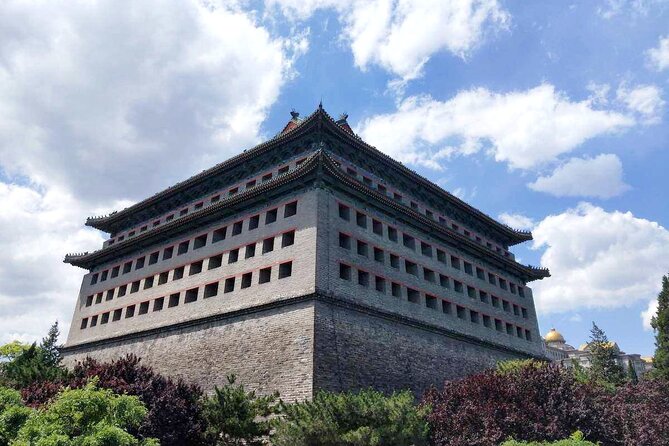
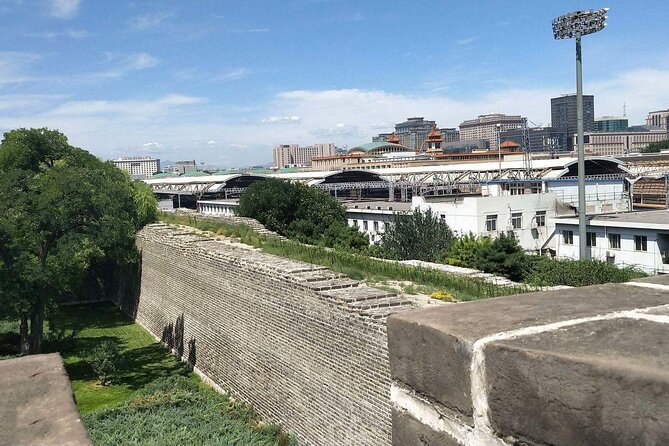
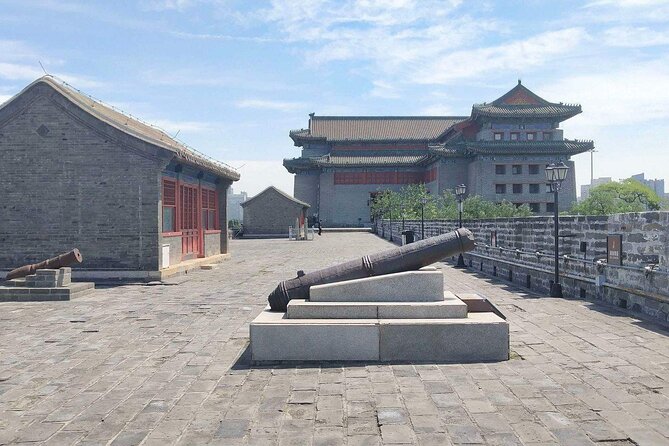
After Mutianyu, the schedule shifts back into the city for the Site of Ming City Wall Ruins Park. This is a different kind of wall experience. Instead of climbing on ridges far outside the center, you’re exploring a restored segment right where Beijing’s older defensive layout mattered.
This park is described as peaceful, and that’s part of the appeal. It’s a chance to slow down after the intensity of the Great Wall hike. You’ll see the park’s showpiece: a restored section from the 15th century—the kind of wall that once encircled Beijing.
The featured segment is about 2 kilometers, so you’re not stuck with a tiny viewing platform. You can actually walk and get a sense of how a long wall would shape movement and control.
Brickwork, bullet holes, and why those details matter
The most striking detail here is that you can see restored brickwork and bullet holes. That’s not just decoration. It connects the wall to real conflict and real history of how defenses were tested. It also helps you connect the dots between the city wall and what the Great Wall was for.
If you’re the type who likes to understand why things were built (not just that they were built), this park helps you do that quickly. A Great Wall visit can feel like walking through a giant monument. This stop makes it feel more like a functioning system.
Climbing the Southeast Corner Watchtower and the arrow tower with 144 windows
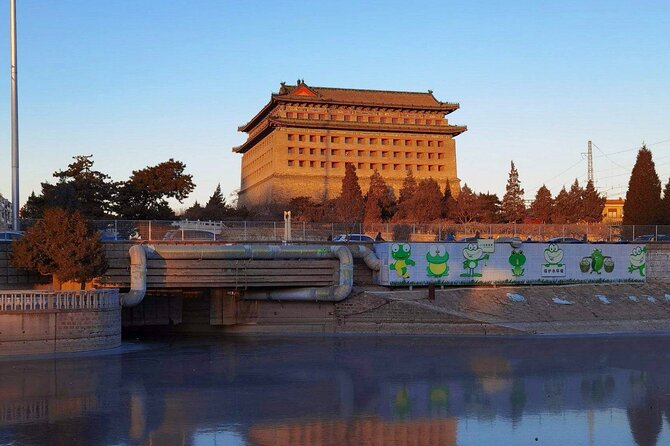
The tour also includes climbing up to the Southeast Corner Watchtower. From there, you’ll find exhibitions and a major highlight: it houses the largest arrow tower existing in China, described here as having 144 windows.
This is where your guide’s role really pays off. Watching the openings and understanding how they were used to protect a wall line makes the structure feel purposeful. Without a guide, it’s easy to see lots of stone and miss the logic. With a guide, you tend to notice layout, spacing, and function.
A practical consideration: watchtower climbs can include stairs or uneven steps. Go at your own pace and save your biggest effort for the parts you truly want to look at closely.
Lunch, timing, and how to plan the rest of your day
This is an 8 to 9 hour outing, which is a full day in any city. The good news is that lunch is included, so you’re not hunting for food between two wall sites while your energy drops.
Your day flow is straightforward:
- morning starts early at the hotel
- Mutianyu takes roughly 2 hours on site
- you drive back into Beijing for the Ming City Wall Ruins Park (around 1 hour)
- you finish with enough time to return comfortably after a long day outside
If you’re planning dinner that evening, keep it flexible. You’ll likely be tired, but it’s the good tired you earn from walking and looking.
Private guide benefits: pacing, language clarity, and feeling less rushed
The reviews for this kind of tour pattern heavily toward one theme: the day works because the guide helps it work. People specifically praised guides such as Li and Angie for friendly, clear English and a smooth flow. Another name that comes up often is Joe Geng, with advice to ask for him if you can. Support from Bruce also gets mentioned as helpful in keeping the day running well.
Even if you don’t have a named guide on your itinerary, the private format still matters. You’re more likely to:
- get explanations that match what you’re seeing right now
- have time to ask questions instead of being swept forward
- adjust pacing if your group moves slower on the wall or wants more photo time
This is also where quiet moments can happen. On a crowded Great Wall day, a private group can mean stretches where you can breathe and look without being shoulder-to-shoulder the whole time. It’s not a guarantee, but the structure helps.
Mobile ticket and passport: small items that prevent big headaches
The tour uses a mobile ticket, which is helpful because you’re not juggling printed vouchers. Still, you should plan for document checks.
You’ll need your passport for the tour. Bring it with you even if you only expect to show it once. It’s one of those requirements that’s easy to forget when you’re packing for daylight walking.
Who this tour is best for (and who might want to rethink it)
This tour is ideal if you want a Great Wall visit that feels focused rather than chaotic. It fits well for:
- couples and small groups who prefer a private pace
- first-time Great Wall visitors who want the experience explained, not just photographed
- anyone who likes connecting the dots between the Great Wall and Beijing’s defensive walls
It might be less ideal if:
- you strongly dislike early mornings (the 7:00am start is real)
- you want a super laid-back sightseeing day with lots of free time to wander
- anyone in your group struggles with stairs and walking on uneven surfaces (watchtower climbs are part of the park visit, and the wall walking is the point)
Should you book this Great Wall and Ming City Wall tour?
I’d book it if your top priorities are time on the wall, clear guided context, and a day that doesn’t turn into ticketing math. The included entrance fees and lunch help you relax into the experience, and the cable car both ways is a smart trade if you want views without exhausting yourself early.
I’d also book it if you like variety: Mutianyu gives you the dramatic ridgeline Great Wall experience, and the Ming City Wall Ruins Park gives you the story inside Beijing’s defense system. That pairing makes the day feel more than the sum of two stops.
Before you go, do one thing: set your alarm, bring your passport, wear shoes you trust on outdoor paths, and bring a camera you’re happy to use while actually looking too.
FAQ
What time does the tour start?
Pickup begins at 7:00am, and you meet your guide in your hotel lobby.
How long is the tour?
The total duration is about 8 to 9 hours.
Is lunch included?
Yes, lunch is included in the tour.
Are entrance fees included?
Yes. Entrance fees for the included sites are included, so you don’t need to pay separately on the day.
Do I need a passport?
Yes, you should bring your passport for the tour.
Can I cancel for a full refund?
Yes. Free cancellation is available up to 24 hours in advance of the experience start time for a full refund.