REVIEW · SHANGHAI
Make Soup Dumpling: Vegan or Pork in Shanghai Shikumen
Book on GetYourGuide →Operated by Yin Studio · Bookable on GetYourGuide
A soup dumpling class sounds simple until you’re trying to seal dumpling tops without losing the soup. In Chef Yin’s Shanghai Shikumen kitchen, you’ll learn to make xiaolongbao from dough to pleats, and you choose vegan or pork filling. I especially like the hands-on coaching during the 18-fold pleating and the authentic lane-house setting that makes the food feel local, not staged.
The best part for most people is that you’re not just watching. You’ll roll wrappers, shape dumplings, then steam and eat what you made with black vinegar, ginger, and tea. The only real consideration: if you’re very focused on heavy, super-soupy filling, the vegan version can feel lighter in flavor and fluid than the pork style, so your technique and filling balance matter.
In This Review
- Vegan or Pork Choice, plus the 18-Fold That Actually Gets You There
- Key Takeaways Before You Go
- Inside a Historic Shikumen Kitchen, Not a Demo Room
- Making the Dough and Wrappers: The Work That Makes or Breaks Xiaolongbao
- Vegan or Pork: What Changes in the Filling and What You Need to Know
- Vegan filling: cooked aromatic mix
- Pork filling: raw minced pork with ginger, scallions, and aspic
- Want both? The dual filling add-on
- The 18-Fold Pleating Skill: Where Chef Yin’s Coaching Matters
- Steaming in Bamboo Baskets, Then Eating with Black Vinegar and Ginger
- Price and Value: What You’re Really Paying For at $120
- Who This Class Suits Best (and Who Should Skip It)
- Quick FAQ for First-Time Dumpling Makers
- FAQ
- Can I choose vegan or pork for the dumpling filling?
- Is a vegan option available, and is it cooked in class?
- What ingredients are used for the pork filling?
- Can I make both vegan and pork dumplings in one session?
- How long is the class?
- What’s included in the price?
- What do I eat after steaming?
- Do I get instructions to cook at home later?
- What languages does the instructor speak?
- Is transportation included?
- Should You Book This Xiaolongbao Class?
Vegan or Pork Choice, plus the 18-Fold That Actually Gets You There
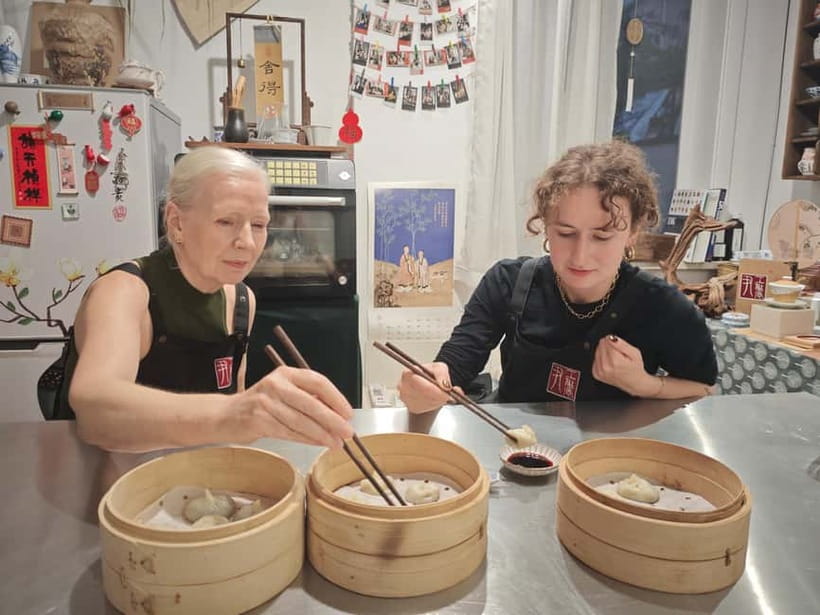
You’ll start by making dough and wrappers from scratch, then you’ll pick one filling path. The course is built so you practice the core skill that makes xiaolongbao work: a tight seal plus the right pleat pattern so the soup stays inside during steaming. Chef Yin guides you as you shape each dumpling, with real-time corrections so you can improve while you’re still making them.
One small practical tip based on how these classes run: go in with at least a light meal beforehand. Dumpling-making takes time, and you’ll want your energy for the steaming and eating part that follows.
Key Takeaways Before You Go
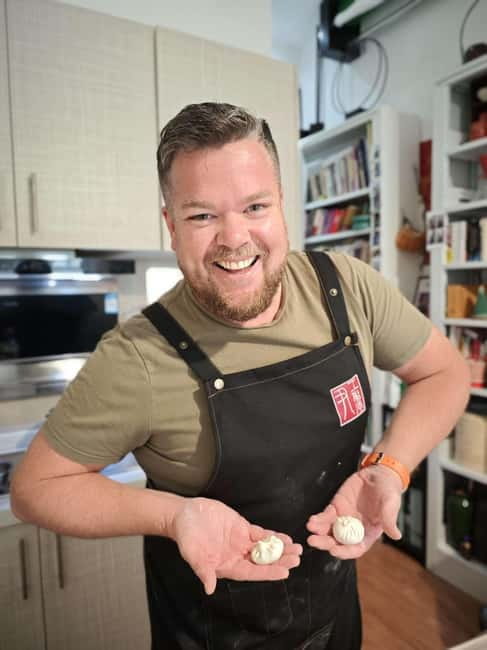
- Chef Yin coaches the pleats in real time, so you’re not just copying a diagram.
- You choose one filling included (vegan or pork), with an easy upgrade to make both.
- Dough and wrapper thickness affect soup retention, not just texture.
- Shikumen lane-house kitchen setting adds a real sense of place.
- Steamed in bamboo baskets and served with black vinegar, ginger, and tea.
You can also read our reviews of more tours and experiences in Shanghai.



Inside a Historic Shikumen Kitchen, Not a Demo Room
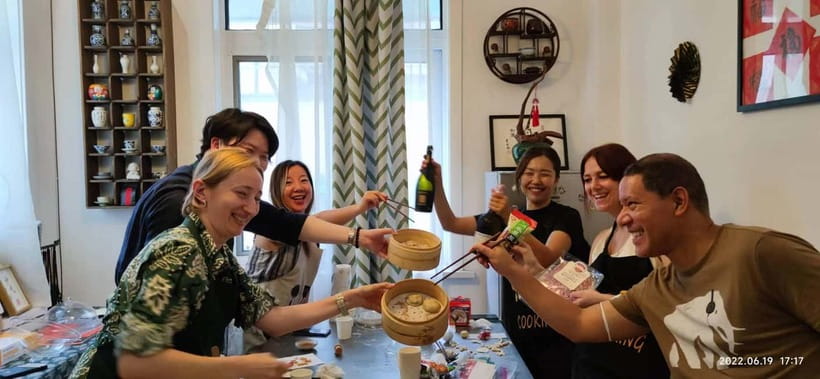
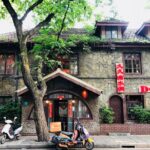
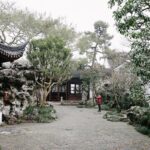
Shanghai’s Shikumen lane houses are the kind of place where food history feels like it lives in the walls. This class takes place in a historic Shikumen setting described as an authentic Shanghai lane house kitchen, so you’re working in a real domestic space rather than a staged cooking studio.
Location is also a plus for city travelers. One review noted the course is centrally located with public transit access, but the workshop room can be a little hard to find at first. The workaround is smart: Chef Yin shares a very clear pre-arrival description with video guidance, and in some cases she’s able to meet you at the street so you don’t waste time hunting down the correct entrance.
If you like your Shanghai experiences to feel grounded and everyday, this setting helps a lot. You’re practicing technique while also hearing explanations about tea taste and food history connected to China in Shanghai’s lanes, which gives context to what you’re doing.
Making the Dough and Wrappers: The Work That Makes or Breaks Xiaolongbao
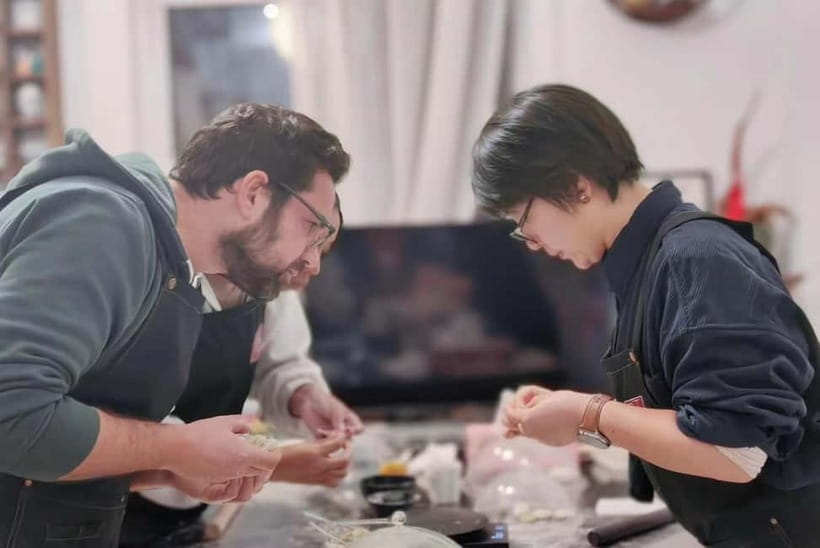
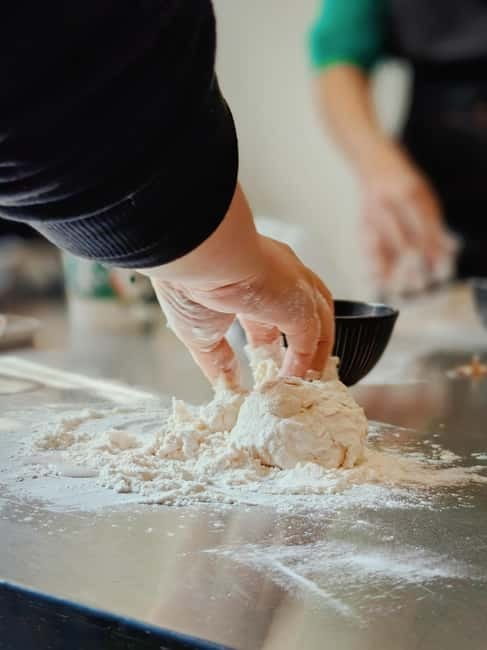
This class starts with the fundamentals, and it’s the kind of start that pays off later. You’ll craft the soup dumpling dough from scratch while Chef Yin demonstrates the precise water-to-flour ratio for an elastic texture. Kneading and resting aren’t treated like busywork; they’re the reason wrappers stretch cleanly and pleat without tearing.
Then you’ll move to wrapper crafting. Expect to roll thin, translucent wrappers—palm-sized—and learn the practical reason thickness matters. The center typically needs to be thicker than the edges because that supports soup retention during steaming. If you’ve ever had dumplings where everything leaked out or the wrapper broke, this part is where the fix starts.
You’re not learning one trick; you’re building a system:
- Elastic dough that can handle shaping
- Wrapper thickness that supports the seal
- Pleating that keeps the soup contained
If you’re the type who likes learning the why behind a technique, you’ll get a lot from this stage. And if you’re not into theory, the results still show because your dumplings either hold together or they don’t.
Vegan or Pork: What Changes in the Filling and What You Need to Know
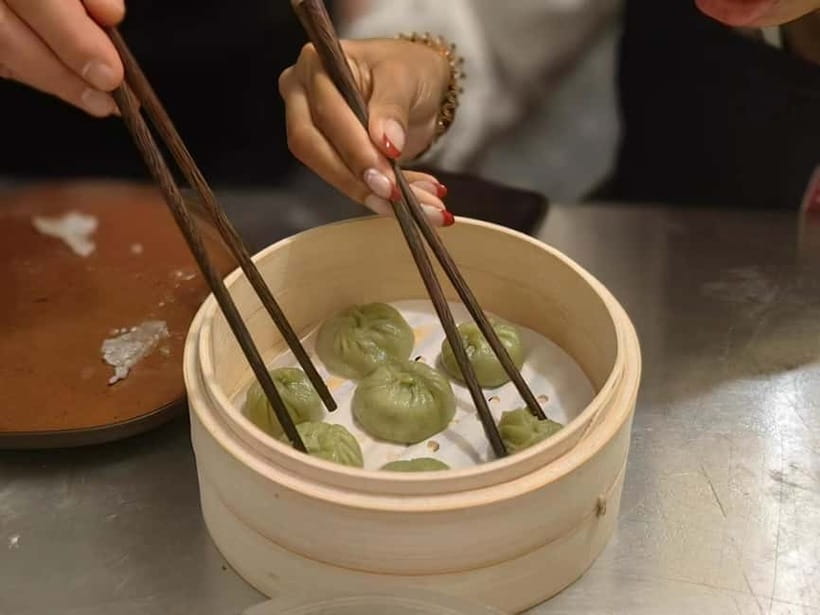
Your base booking includes one filling choice. You can make vegan xiaolongbao or pork xiaolongbao, and you’ll stick to that choice unless you add the upgrade to make both.
Vegan filling: cooked aromatic mix
For the vegan option, you’ll cook the filling in class. The filling includes sautéed mushrooms and vegetables, built to taste savory with umami-rich broth. The emphasis here is flavor building and moisture control—vegan fillings often need extra attention so they don’t turn dry, and they also need the right balance so you still get a satisfying bite.
One downside signal to watch for: the vegan dumplings can sometimes taste a bit lighter or less soup-like if your filling is adjusted one way or if your pleats leak slightly. That’s not a reason to skip it. It’s simply good to set your expectation: pork with aspic tends to produce more obvious soup inside when steamed well.
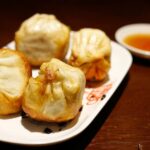



Pork filling: raw minced pork with ginger, scallions, and aspic
For the pork option, you’ll mix raw minced pork with ginger and scallions plus aspic (gelatinized broth). The aspic component is what helps create that classic soup explosion effect once steamed. Your hands will work with raw ingredients, but the process is designed so you steam the dumplings later in a safe way.
If you want the most classic xiaolongbao experience, the pork route is usually the sure bet. It’s also the easier path to that unmistakable soup pool at the bite, as long as the filling amount and pleating seal are on point.
Want both? The dual filling add-on
There’s an upgrade called a Dual Filling Add-On that lets you make both vegan and pork dumplings. It costs an extra $20 per person and extends the session by about 30 minutes so you can work side-by-side rather than choosing one and rushing the rest.
That add-on is best when you’re traveling with someone who can’t decide, or when you want to compare flavors and texture directly. Just know it adds more hands-on work, not just extra food.
The 18-Fold Pleating Skill: Where Chef Yin’s Coaching Matters
The headline skill here is the iconic “18-fold” pleating technique. This isn’t just a fancy pattern; it’s what helps form a tight crown seal that keeps soup contained.
You’ll shape each dumpling while Chef Yin guides you through the twisting, sealing, and pleating steps. This is one of the most highly praised parts of the experience because you don’t have to be naturally good at folding to get results. Chef Yin gives real-time corrections so you can adjust as you go—where to pinch, how to distribute dough, and what to watch so the seam stays closed.
It’s also one of the places where the class shows you the gap between video and reality. Pleating is harder than it looks. One person pointed out that the dumplings aren’t easy to make neatly, but once you understand the care behind the process, the final result feels more meaningful. That sums it up well: the learning curve is real, but the payoff is real too.
A practical mindset helps here:
- Slow down when you’re learning
- Don’t overstuff until you’re confident
- Focus on the seal first, pattern second
If you do that, your dumplings will improve faster than you expect.
Steaming in Bamboo Baskets, Then Eating with Black Vinegar and Ginger
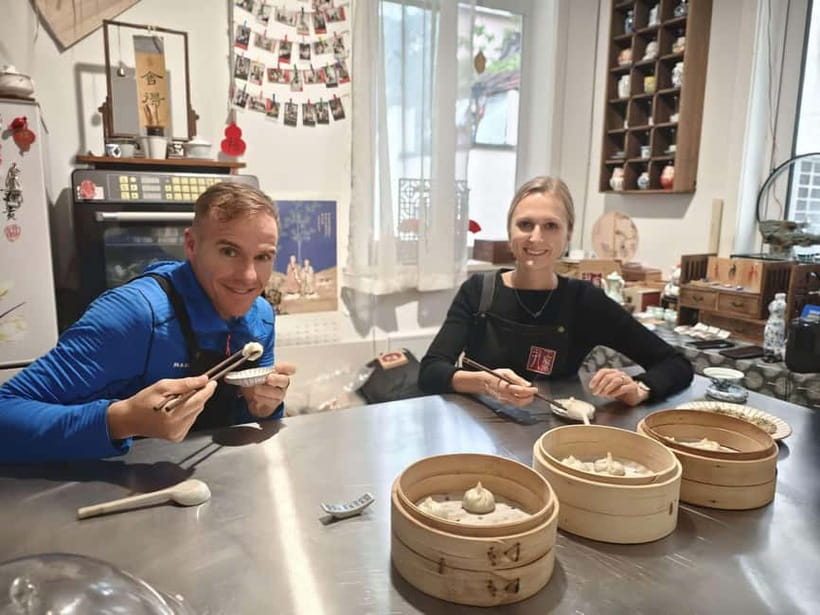
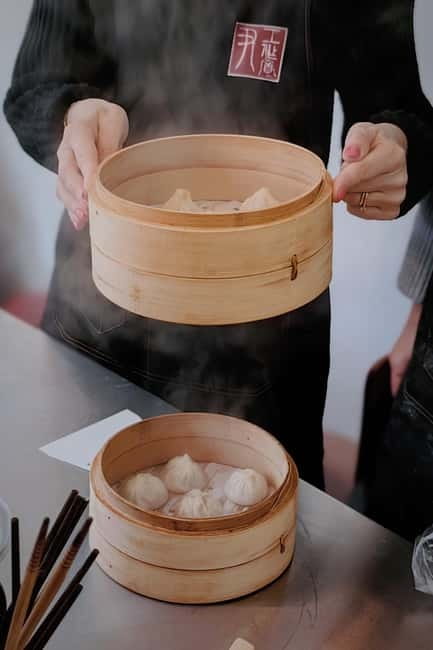
After shaping, you’ll steam your soup dumplings in bamboo baskets. That steaming step is where the dough transforms and the soup situation becomes real. If you’ve sealed well, you get that classic bite where broth floods the dumpling interior.
Then you’ll feast on what you made. You’ll eat the dumplings with black vinegar and ginger, plus tea. This is more than a serving style—it’s a balance strategy. Vinegar adds sharpness to cut through richness, ginger brings warmth, and tea helps reset your palate between dumplings.
You also get take-home recipes to help you reproduce the process later. That part matters because dumpling making is one of those skills that improves with repetition. Recipes mean you can try again at home without relying on memory.
Price and Value: What You’re Really Paying For at $120
At $120 per person for a 2.5-hour class, the price is best understood as a skills-and-ingenuity purchase, not just a meal. You’re paying for:
- Dough and wrapper instruction from scratch
- A taught filling option (vegan cooked in class or pork mixed with aspic)
- Hands-on coaching while you pleat the dumplings
- Steaming and serving with tea
- Included materials and tools for the class plus a studio gift
- Take-home recipes
The add-on to make both fillings (+$20) is also priced like an extension of labor and time, not like an afterthought. Since the session runs 30 minutes longer for dual filling, you’re really getting additional hands-on practice and more final eating.
If you’re the type who likes food experiences that leave you with a repeatable skill, this is a good value. If you only want a light snack or a quick photo, you’ll probably find it too hands-on and too time-consuming.
Who This Class Suits Best (and Who Should Skip It)
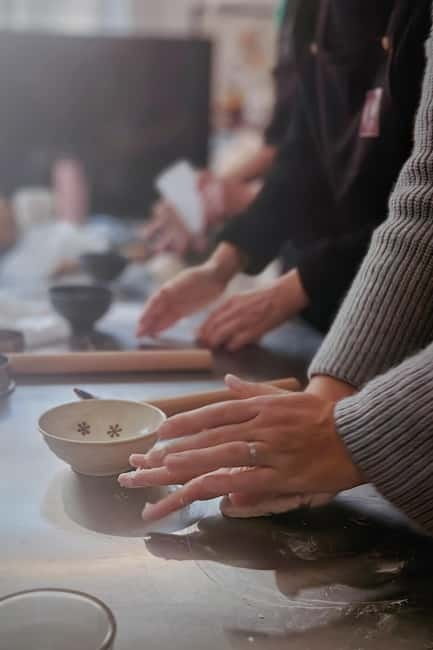
This class is a strong fit if you:
- Want a hands-on Shanghai food skill, not a passive tasting
- Prefer a smaller, technique-focused activity
- Want vegan dumplings with a clear process (not just substitution)
- Like learning how ingredients and texture work together
It might be less ideal if you:
- Have very low patience for folding and sealing (the learning curve is part of the fun, but it can frustrate)
- Are only interested in the most soup-heavy results (pork with aspic usually delivers that more clearly than vegan)
Also, plan around the pace. One helpful tip from experience: eat something before you go. Since the class includes dough work, wrapper rolling, filling prep, shaping, steaming, and then eating, arriving hungry can make the waiting feel longer than it needs to.
Quick FAQ for First-Time Dumpling Makers
FAQ
Can I choose vegan or pork for the dumpling filling?
Yes. The class lets you choose vegan or pork xiaolongbao as your included filling.
Is a vegan option available, and is it cooked in class?
Yes. The vegan filling includes sautéed mushrooms and vegetables with umami-rich broth, and it requires in-class cooking.
What ingredients are used for the pork filling?
The pork option uses raw minced pork mixed with ginger, scallions, and aspic (gelatinized broth).
Can I make both vegan and pork dumplings in one session?
You can, with a Dual Filling Add-On that costs an extra fee and extends the session by about 30 minutes.
How long is the class?
The duration is 2.5 hours, with longer time if you add the dual filling option.
What’s included in the price?
Materials and tools for one filling, good quality tea, and a studio gift are included.
What do I eat after steaming?
Your dumplings are served with black vinegar and ginger, paired with tea.
Do I get instructions to cook at home later?
Yes. You receive take-home recipes.
What languages does the instructor speak?
The instructor teaches in English, Japanese, and Chinese.
Is transportation included?
No. Personal transportation is not included.
Should You Book This Xiaolongbao Class?
If you want a Shanghai experience that’s practical, repeatable, and tied to real daily life in Shikumen lanes, I’d book it. The class stands out because you practice the actual problem—dough, wrapper thickness, and 18-fold sealing—while Chef Yin guides you through the steps. That’s the kind of value you feel long after the last dumpling is gone.
My decision checklist for you is simple: pick vegan if you want a thoughtful savory filling experience and don’t mind a lighter soup feel; pick pork if you want the most classic soup-forward outcome. Either way, come ready to work with your hands, and eat beforehand. You’ll leave with better technique than you arrived with, plus recipes you can use again.