REVIEW · BEIJING
Ming Tombs Private Tour: Sacred Road, Dingling and Changling
Book on GetYourGuide →Operated by Fun Beijing Travel · Bookable on GetYourGuide
Ming Tombs can be surprisingly calm. This private tour has front-door transfers and a guide who turns Sacred Road and two major tombs into clear, story-led stops instead of a checklist. The big consideration: at this price, you’re paying for privacy and convenience, so if you’re fine with crowds and public buses, a cheaper option may feel more economical.
You’ll start with pickup in Beijing and head straight into the Ming imperial mausoleum complex, a UNESCO World Heritage site tied closely to feng shui ideas about power, direction, and placement. You’ll see the ceremonial stone walkway with 32 pairs of carved figures, then go underground at Dingling for a rare view of burial architecture. On the softer side, the day can include optional add-ons like a jade workshop and tea tasting if your guide offers them.
In past departures, the quality of guiding has been a highlight, with examples like Lily, Sherry, and Mr. Zhang. Still, as with any private tour, keep an eye on pacing and ticket handling so your day stays smooth.
In This Review
- Key highlights to look forward to
- Ming Tombs: UNESCO grandeur, guided for real understanding
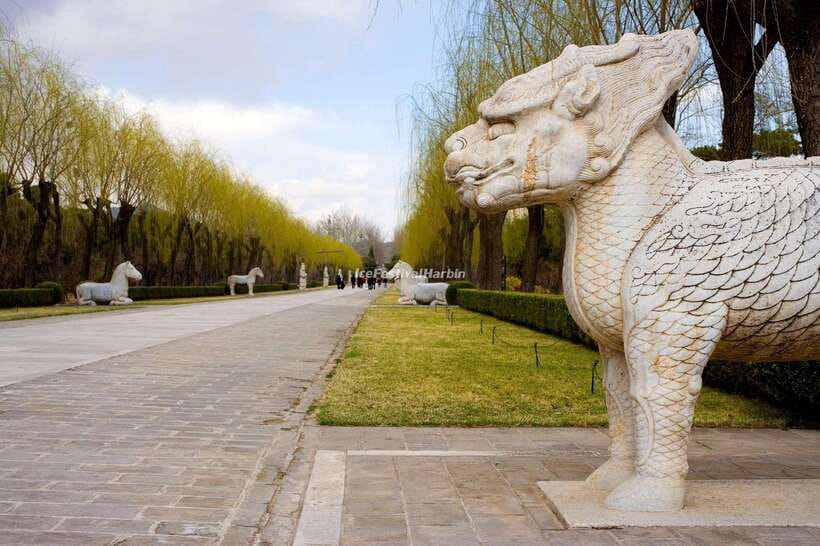
- Sacred Road: 7.3 km of stone figures and calm photo time
- Dingling Underground Palace: the 27-meter drop few people get to see
- Changling Tomb: nanmu pillars and Emperor Zhu Di’s blueprint for the Ming
- Bird’s Nest and Water Cube quick stop: a modern Beijing bookmark
- Private-tour logistics from Beijing: pickup, skip-the-line, and real pacing
- Price and value: is $135 fair for this kind of day?
- Practical planning: what to bring and how to set yourself up
- Who should book this Ming Tombs private tour?
- Should you book this Ming Tombs Sacred Road, Dingling and Changling tour?
- FAQ
- How long is the Ming Tombs private tour?
- What sites are included in the tour?
- Is hotel pickup and drop-off included?
- What’s included in the price?
- Is food included?
- Do I need my passport for this tour?
- Is there free cancellation?
Key highlights to look forward to
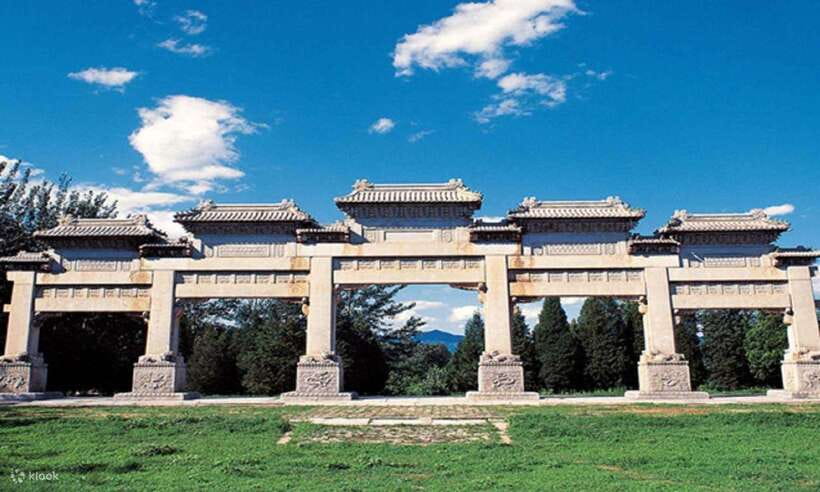
- Sacred Road’s 7.3 km of statues with clear explanations of what each figure symbolizes
- Dingling’s underground palace: a 27-meter descent into a fully excavated tomb complex
- Changling’s best-preserved setting plus Ling’en Hall and its nanmu pillars
- Skip-the-ticket-line convenience that saves time and reduces stress
- Private pacing that fits your rhythm, not the clock for a big group
- A modern photo stop near the Bird’s Nest and Water Cube, if traffic allows
Ming Tombs: UNESCO grandeur, guided for real understanding
The Ming Tombs (near Beijing) are the largest imperial mausoleum complex in China, and they’re UNESCO-listed for a reason. It’s not only about scale. The layout is tied to traditional feng shui thinking, so you’re really walking through a planned statement about authority and harmony, built through stone, axis alignment, and ritual spaces.
What makes this private tour work is that you get the context fast. Instead of staring at courtyards and halls and guessing what you’re seeing, your English-speaking guide connects the architecture to Ming history: who ruled, how power was displayed, and why these spaces looked the way they did. The result is that you don’t just remember the photos. You remember the logic behind them.
And since this is a private group, you can slow down without feeling like you’re holding up a busload of people. That matters a lot at these sites. Mausoleums reward patience: you need a moment to notice inscriptions, beams, stone carving details, and the way paths open and narrow.
You can also read our reviews of more tours and experiences in Beijing.
Sacred Road: 7.3 km of stone figures and calm photo time
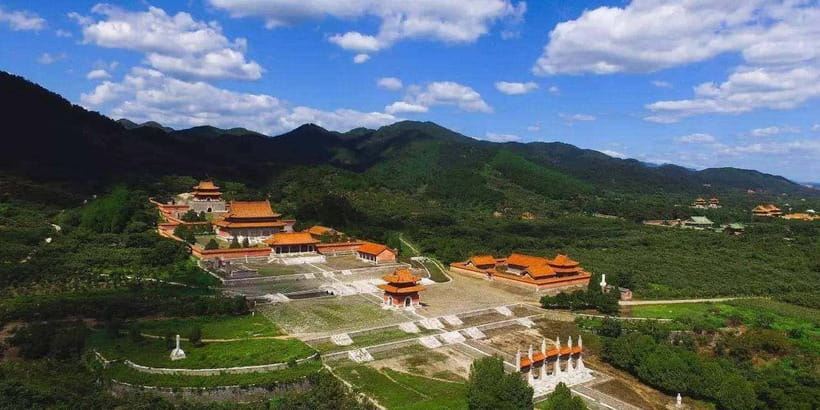
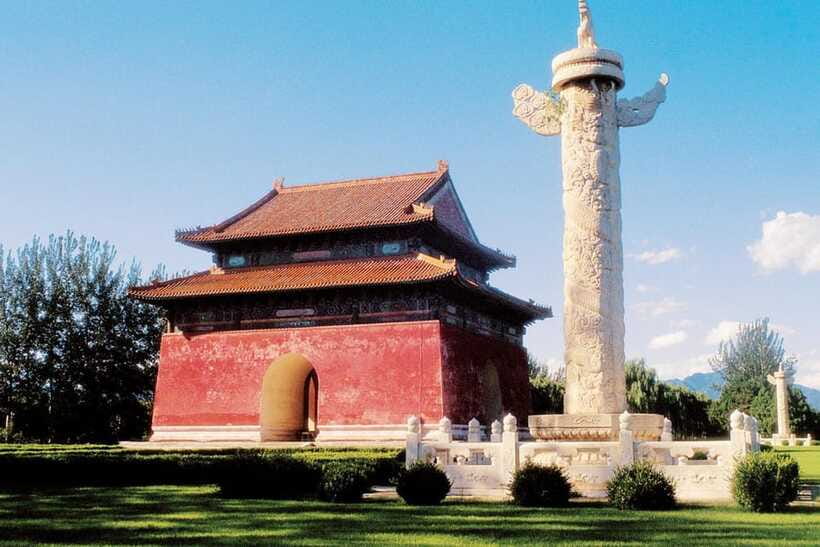
The day begins (after pickup) with the Sacred Road, the grand ceremonial avenue. It originally served Emperor Zhu Di’s Changling Tomb and later became the shared approach to multiple Ming mausoleums. This is where the tour’s “wow” factor hits early.
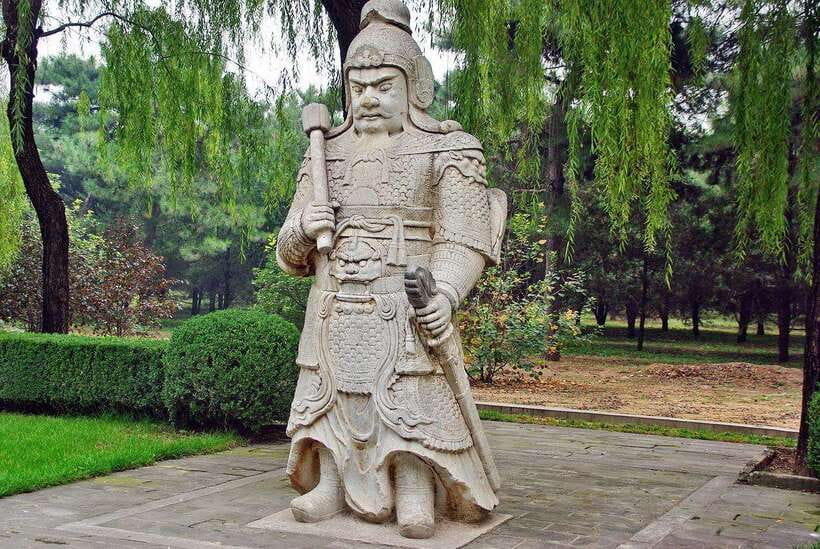
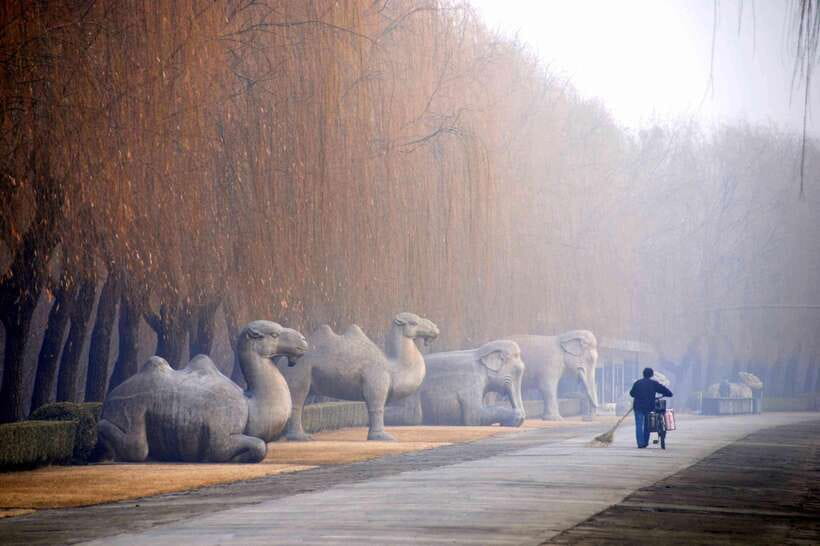
You’ll walk along 7.3 kilometers lined with 32 pairs of carved stone statues: lions, elephants, horses, and pairs of civil and military officials. It’s the kind of scene that’s visually impressive even before your guide speaks. Once your guide explains the symbolism behind the figures, the walkway turns into a lesson in how the Ming court viewed order, hierarchy, and protection.
Here’s why I like this stop for your time: the Sacred Road can feel calmer than the most famous Beijing attractions. That means you’re more likely to get photos without shoulder-checking your way down a crowded corridor. It’s still a major sight, so bring a phone with a charged battery and wear shoes you can walk in comfortably.
Practical tip: treat the Sacred Road like an outdoor museum. Pause at each “type” of figure. If you rush it, you’ll only catch a few carvings. If you move steadily, you’ll get a full sense of the procession.
Dingling Underground Palace: the 27-meter drop few people get to see
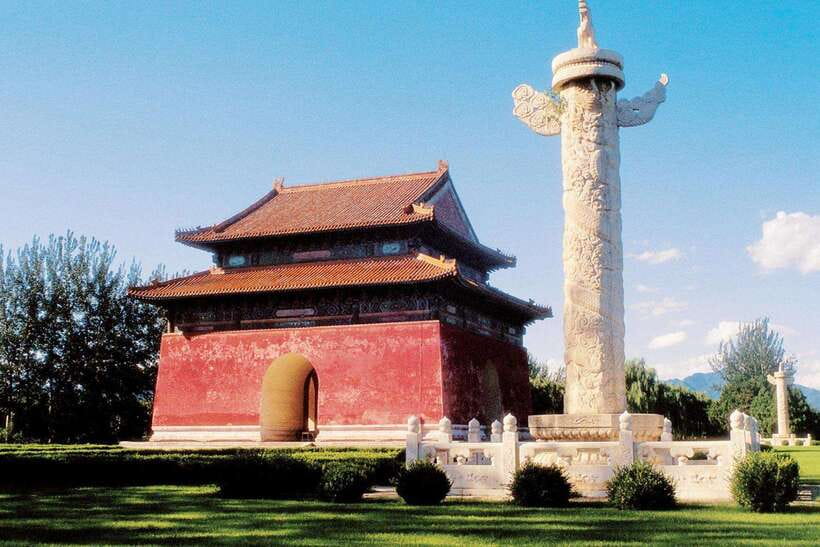
Next comes Dingling, the tomb of Emperor Zhu Yijun and his two empresses. Among the Ming Tombs, Dingling is special because the underground palace has been fully excavated. That’s not just a technical detail. It changes the whole experience: you’re not guessing what’s below. You can see it as architecture.
Plan for the descent. You’ll go down about 27 meters into a chamber system carved from solid stone, made up of three connected chambers. This underground space is where the Ming burial mindset feels most concrete. Stonework here isn’t just decoration; it’s engineering for a ritual purpose.
Above ground, you’ll spend time in the courtyards and halls, which set the mood for what comes next. Then the tour shifts into the underground exhibits where the evidence of what was placed there becomes part of the story.
One of the most compelling parts is the well-preserved sarcophagi of the emperor and the empresses. Around them, an on-site museum displays artifacts unearthed from the tomb—gold and silver vessels, jade carvings, silk fabrics, and imperial robes. If you’re the type who likes details, this is where you’ll feel the guide’s narration click. You start connecting burial goods to status, belief, and the Ming court’s idea of permanence.
A reality check: underground sections can feel cooler and a bit darker than you expect. Keep your camera ready, but don’t fight for the perfect shot. Use a steady, respectful pace and let your eyes adjust.
Changling Tomb: nanmu pillars and Emperor Zhu Di’s blueprint for the Ming
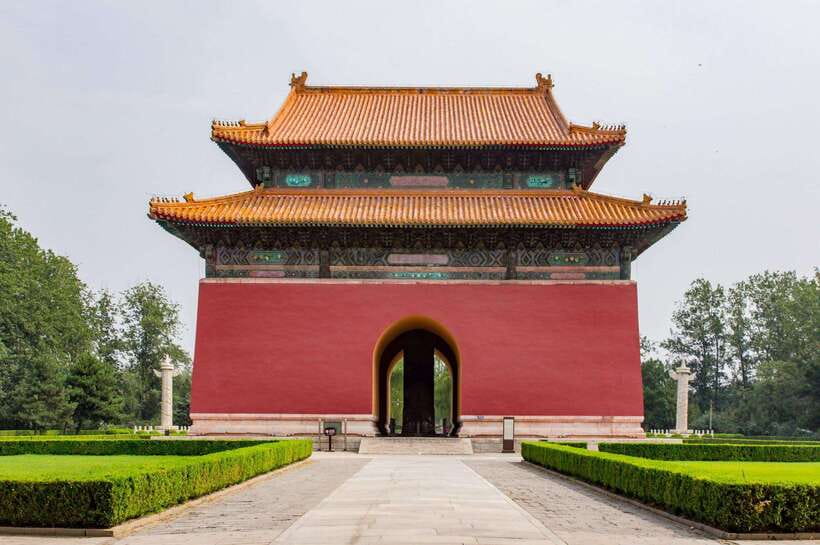
Finish with Changling, the largest and best-preserved tomb in the complex and dedicated to Emperor Zhu Di, the third Ming emperor. He’s also closely tied to building projects that shaped Beijing’s monumental legacy, including the Forbidden City and the Ming Tombs themselves. So while you’re in a tomb, you’re also tracking how a ruler’s vision scaled into major urban and architectural change.
Changling’s main hall gives you the classic ceremonial feel, then you’ll focus on Ling’en Hall, famous for its massive nanmu pillars. Nanmu is a rare and prized wood, and that’s why the hall is worth slowing down for. You’ll be able to look closely at the wooden structure and the beam framework inside, then step back and notice how open the interior spaces feel.
Your time in Changling also includes peaceful courtyard walking, with ancient cypress trees creating a calm, almost sheltered atmosphere. Mausoleums can feel repetitive if you only look at them from a distance. Here, the courtyards and trees help you reset so the hall details stand out.
The guide’s stories matter on this stop. If your guide is strong (and many have been, including guides such as Lily, Sherry, and Mr. Zhang in past departures), you’ll get a clear explanation of Emperor Zhu Di’s legacy and why these spaces were designed to support imperial ceremonies. You’ll come away understanding that this isn’t random “old building tourism.” It’s a designed ritual landscape meant to project authority across generations.
Bird’s Nest and Water Cube quick stop: a modern Beijing bookmark
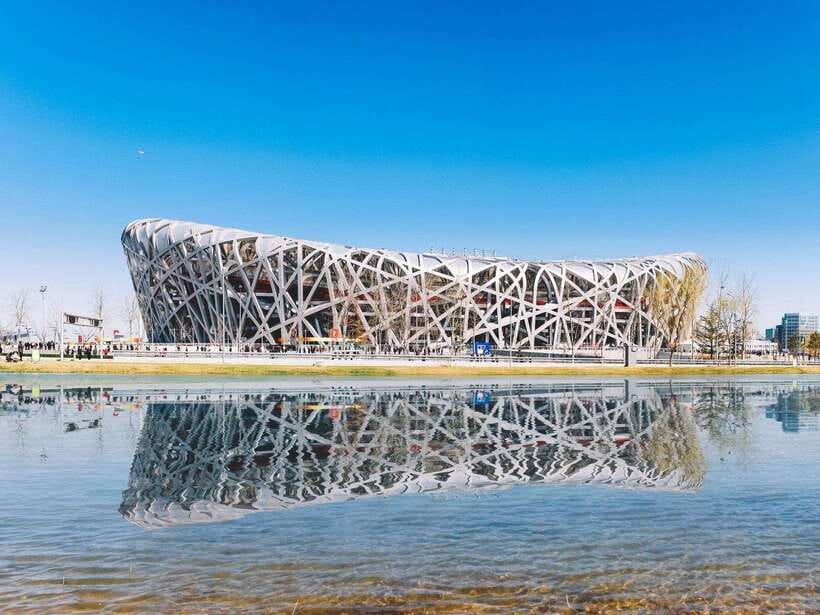
On the way back to your hotel, traffic permitting, your driver may pass the 2008 Olympic stadiums for a photo stop. The Bird’s Nest (Niaochao) and the Water Cube (Water Cube) sit in a totally different visual world than Ming stone halls, which is why it works as a short bookmark.
This part is quick, built into the day as a 5-minute photo stop at the Niaochao Water Cube ticket office area. Don’t plan on wandering. Use it for one clean photo set and then get back into mausoleum mode.
If your schedule is tight, this “modern contrast” is actually useful. After hours of historical architecture, your brain likes a change of scenery.
Private-tour logistics from Beijing: pickup, skip-the-line, and real pacing
The practical side of this tour is a big part of the value. You get hotel pickup and drop-off in Beijing for hotels within the 4th ring road, plus transport by private vehicle with bottled water. That matters when you’re going out of the city to a site that’s not exactly around the corner.
You also get entrance included and skip-the-ticket-line. Even when a line isn’t huge, skipping it keeps the day feeling controlled. You avoid that awkward moment where you’re standing in one spot thinking, Did I just waste my time?
Timing is built around a 6-hour day. The itinerary is structured enough that you don’t have to think, but it’s private enough that you can adjust your pace. If you like to read and photo-scan, the private setup helps. If you prefer brisk movement, you can keep it moving without feeling lost.
One important practical note: your booking requires passport details, including passport number, full name, and nationality for everyone in your group. If you forget, it can slow things down. You don’t want that stress on a day built around calm stone courtyards.
Also, based on how some departures run, your guide may offer optional add-ons after the main tombs, such as a jade workshop and a tea tasting. If you don’t want shopping stops, say no clearly and early. If you do want them, treat them like a bonus, not a surprise.
Price and value: is $135 fair for this kind of day?
At $135 per person for about 6 hours, this is not the budget option. So the real question is: what are you buying?
You’re buying four things that add up:
- Time saved through front-door pickup and a private vehicle
- Reduced friction with skip-the-ticket-line and included entrance fees
- An English-speaking guide who can connect architecture to Ming history and excavation details
- A private rhythm that lets you pause for photos or linger in courtyards without feeling rushed
If your day would otherwise be spent coordinating buses, ticket booths, and navigation, the price starts to feel more reasonable. Beijing traffic and timing alone can eat up hours, and this tour compresses that uncertainty.
On the other hand, if you’re happy doing your own logistics and you don’t need narrative context, you can probably find cheaper group tours. But you’ll trade away the comfort of not managing transport and not wondering what you’re looking at.
A balanced note from real-world experiences: most guides have been praised for clarity and thoughtful explanations, including guides like Lily and Sherry. Still, guide pace can vary. If your guide seems rushed, you can ask for slower explanations at the next major stop. Private doesn’t have to mean hurried.
Practical planning: what to bring and how to set yourself up
This is a straightforward day, but a few practical choices will make it nicer.
Bring your passport. The tour requires passport number, full name, and nationality details when booking, so have that information ready. In the field, treat this as a document-heavy day—don’t leave anything to memory.
Wear shoes for walking. You’ll cover long distances on paths like the Sacred Road and move between above-ground halls and the underground palace. Even with a car, you’re still on your feet for most of the day.
Food is not included. You’ll want to eat before you go, or plan on a light lunch around your return time, because the tour keeps the focus on the tomb complex and doesn’t build in time for a sit-down meal.
Weather matters too. Underground spaces can feel cooler, while outdoor stone avenues can bake or chill depending on the season. Bring layers you can adjust.
And if you care about photos, prioritize the Sacred Road. It’s the best combination of long views, repeated statues, and a calmer feel where you’re more likely to frame shots without constant crowd pressure.
Who should book this Ming Tombs private tour?
This tour fits best if you want Ming Tombs with structure and guidance, but not a packed day. If you’re the type who likes to understand what you’re seeing—why a hall is built a certain way, what the statues represent, why Dingling’s underground excavation is such a big deal—this makes sense.
It’s also a good fit for first-timers in Beijing who don’t want to spend mental energy on transport. The hotel pickup, private vehicle, and skip-the-line access reduce the “logistics tax,” so you can focus on the sites.
If you’re traveling with someone who gets restless in long lines or crowded routes, the private pacing helps. If you dislike any shopping stops, set expectations ahead of time. Optional jade and tea experiences can show up, depending on your guide, and it’s best to decide early rather than during the middle of the day.
Should you book this Ming Tombs Sacred Road, Dingling and Changling tour?
I’d book this if you want a controlled, English-guided day that covers the three biggest hits: Sacred Road, Dingling, and Changling—with time to absorb details and take photos without feeling constantly herded.
Skip it if you’re chasing the lowest price and you’re confident doing independent transport, or if you strongly prefer a plan with no optional stop suggestions at all. At this rate, the value depends on using the private guide time well and enjoying the story side of the mausoleums.
If you want the best shot at a smooth day, do two simple things: confirm your passport details before you go, and ask your guide early how the afternoon will run if they mention jade or tea. Then you’ll have the calm, meaningful Ming Tomb experience this tour is built to deliver.
FAQ
How long is the Ming Tombs private tour?
The tour runs for 6 hours.
What sites are included in the tour?
You’ll visit the Sacred Road, Dingling Tomb (including the underground palace), and Changling Tomb. There’s also a short photo stop near the Olympic stadium area.
Is hotel pickup and drop-off included?
Yes, pickup and drop-off are included for hotels within the 4th ring road of Beijing City. You’ll be met in your hotel lobby with a sign with your name.
What’s included in the price?
Included are a professional English guide, private transportation, entrance fees, bottled water, and hotel pickup and drop-off (within the 4th ring road).
Is food included?
No. Food is not included, so plan to eat on your own.
Do I need my passport for this tour?
Yes. You’ll need to provide passport information when booking, and you should bring your passport on the day.
Is there free cancellation?
Yes. You can cancel up to 24 hours in advance for a full refund.