REVIEW · BEIJING
Mutianyu Great Wall 5-KM Premium Hike Covering All Landmarks
Book on GetYourGuide →Operated by Beijing Mubus · Bookable on GetYourGuide
That first step onto Mutianyu’s Wall hits fast. This premium 5-km hike lets you cover the whole circuit with fewer crowds, and it’s built around walking the actual Wall route—not just posing near it. You’ll also get a proper guide, so the towers and the views make sense instead of feeling like random steps.
I especially like two things. First, the tour is designed to skip the worst crowd moments by hiking up on the Wall’s original pathways instead of waiting in the bottlenecks. Second, you don’t do a short taste-test—you walk the full 5 km and all 20 watchtowers in one day, with a stop at the top point (the Hero Tower) for big panoramic views.
One drawback to plan for: this is a hike. You need good physical condition, and the schedule (bus out, Wall walk, lunch, bus back) is long—about 8 hours total. If weather turns rough with heavy rain or strong winds, the tour can be cancelled.
In This Review
- Key things to know before you go
- Why Mutianyu’s 5-km route feels different from the usual Wall trip
- Getting started at Dongzhimen: simple meeting point, smart timing
- The coach ride: English guidance that actually helps on the Wall
- The 5-km Great Wall hike: all 20 watchtowers, built for walkers
- The climb, internal transport, and the “Hero Tower” payoff
- Crowds and photo chances: how the tour avoids the worst bottlenecks
- Watchtowers are more than stops: what the guide helps you notice
- Timing on the Wall: what “4 hours walking” feels like in real life
- Lunch at Mubus Great Wall Restaurant: included, hearty, and timed right
- Return trip: where the day ends (and how to plan the rest of your evening)
- Price and value: what you’re actually paying for
- What to bring (and what not to forget)
- Who should book this, and who should skip it
- Weather, cancellations, and your best fallback plan
- Should you book this 5-km premium Mutianyu hike?
- FAQ
- How long is the hike and the overall tour?
- Where do I meet for the tour?
- What’s included in the price?
- Is the tour suitable for children or seniors?
- What should I bring?
- Can I take a cable car instead of walking downhill?
Key things to know before you go
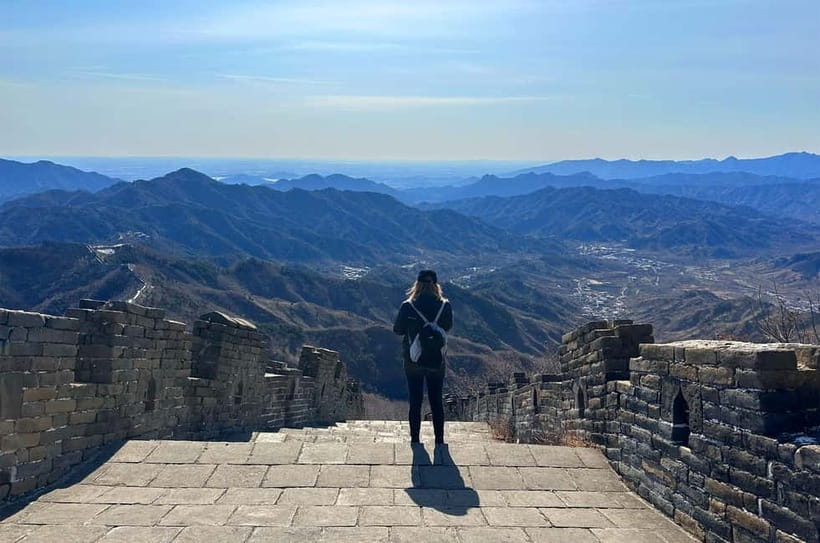
- All 20 watchtowers in one hike: you’re not picking a few photo stops; you’re walking the full route.
- Original pathways over shortcuts: fewer crowds and a more authentic Wall experience.
- Hero Tower summit: the highest point on the route gives you panoramic views.
- English guide plus bus orientation: you get history and practical directions, not guesswork.
- Lunch at Mubus Great Wall Restaurant: a countryside-style meal is included at the right time in the day.
- Cash option if you want cable car: downhill by cable car costs extra (¥100) and is not included.
Why Mutianyu’s 5-km route feels different from the usual Wall trip
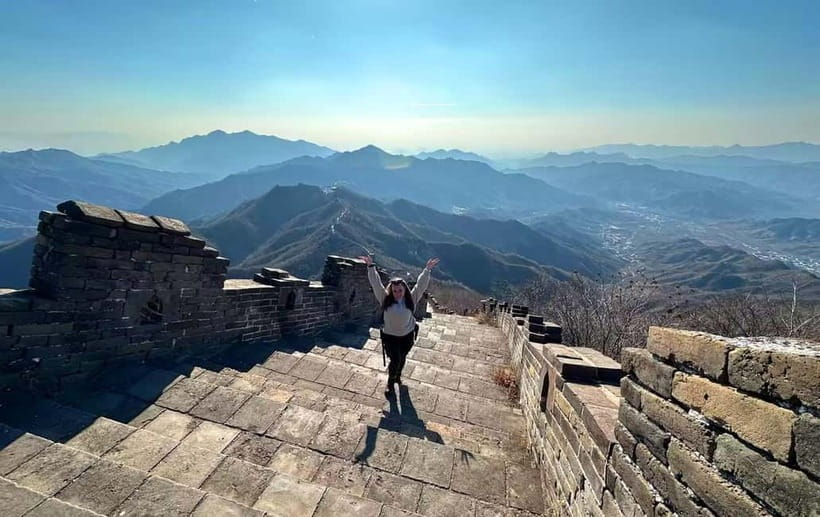
Mutianyu is one of Beijing’s Great Wall areas where you can still feel the Wall as a real working structure. This hike helps you do exactly that, because you walk the Wall route as it was meant to be moved on—watchtowers, viewpoints, and the connective stretches between them.
What makes this specific tour work is the pacing plan. Instead of starting with a messy crush of people trying to get the same photos, you’re guided onto the Wall section and encouraged to keep a steady walking rhythm. The result is that you’ll spend more time actually on the Wall, and less time standing in lines.
And yes, the views do their job. From the top point you get sweeping angles over the surrounding mountains, and along the way you can grab crowd-free photo moments when the group moves off the busiest sight spots.
You can also read our reviews of more tours and experiences in Beijing.


Getting started at Dongzhimen: simple meeting point, smart timing
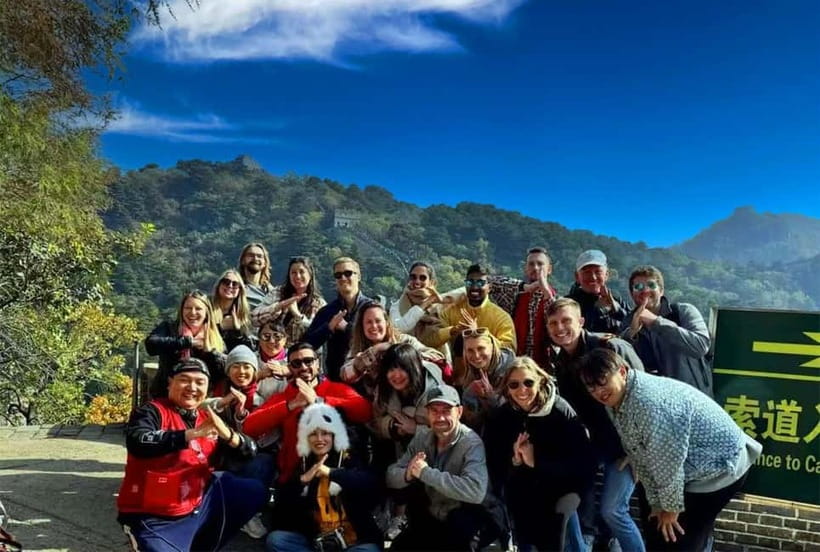
Your day begins at Subway Line 2 Dongzhimen Station, Exit B1. It’s a clear, public meeting spot, which matters because the Wall day is long and you don’t want to burn time hunting for a pickup.
The tour’s flow is built around a morning departure. The bus leaves at 08:00, then you ride about 1.5 hours to Mutianyu. This timing is practical: you’re reaching the Wall close to 09:30, before the heaviest wave of day-trippers fully settles in.
One small but important tip from real-world experience: on the bus, make sure you’re in the correct group. There’s a chance of confusion between similar-sounding options. When you confirm, say you booked the 5km Hike, not anything that sounds like a general guidance tour. It avoids getting mismatched at the start.
The coach ride: English guidance that actually helps on the Wall
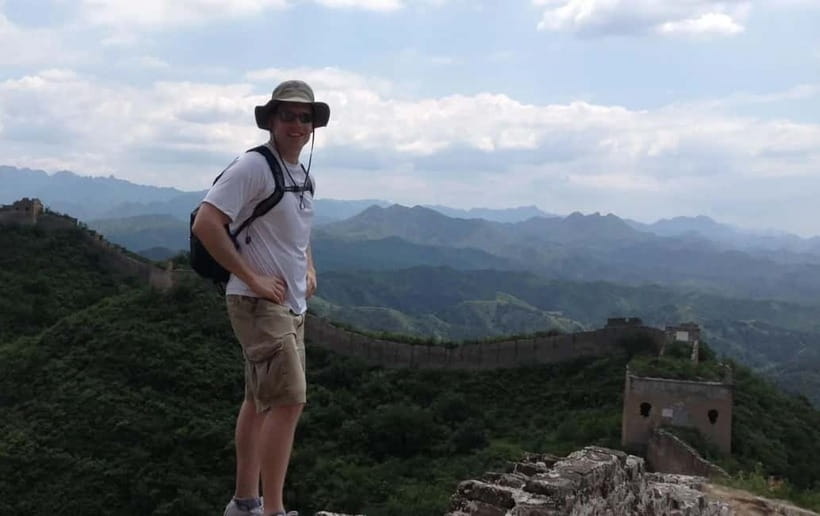
You’re not just herded onto a bus and left to fend for yourself. The tour includes an English-speaking guide on the bus, and that matters because it sets you up for what you’ll see.
During the ride, you’ll get context that makes the towers feel less like random structures. Even if you know a little Great Wall history already, having it explained in plain language helps you notice details as you walk—like why watchtowers are positioned where they are and what the Wall’s design suggests about old travel and defense.
You also get a smoother arrival. You’ll know when you’re heading for the Wall, when to expect internal transport, and how to think about the route so you don’t end up tired and confused at the worst moment.
The 5-km Great Wall hike: all 20 watchtowers, built for walkers
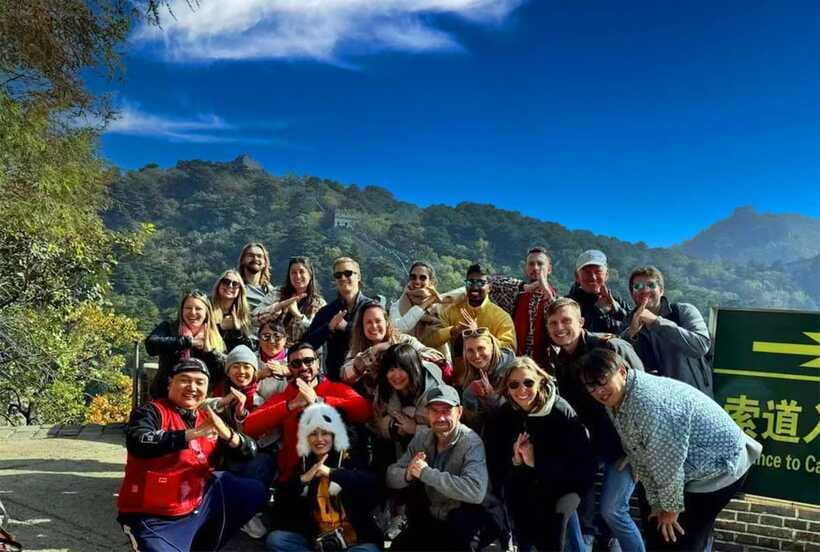
This is the heart of the day. Once you reach Mutianyu around 09:30, your guided hike begins. The route is designed as a 5-kilometer walk that covers all 20 watchtowers via the original pathways.
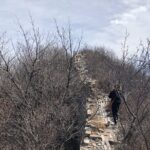
Here’s what that means for you: you’re walking more than a showroom section. You get the full sense of the Wall’s rhythm—climb, crest, tower-to-tower segments, and those moments when the Wall straightens out and you can actually track how the line moves across the terrain.
The climb, internal transport, and the “Hero Tower” payoff
The tour includes internal shuttle ticketing for the uphill and downhill portions within the area. That’s useful because Mutianyu can mean steep sections, and you don’t want your day to be one long battle just to reach the first meaningful stretch.
Once you’re on the Wall route, you’ll start moving toward the top point. A highlight here is the Hero Tower, which is part of your guided progression and rewards your effort with wide panoramic views.
Crowds and photo chances: how the tour avoids the worst bottlenecks
A big promise of this “premium” setup is fewer crowds on the walking sections. You’ll still see people—this is the Great Wall—but the route and timing help you find breathing room.
You’ll also have the chance for quieter photo moments, including what’s described as secret viewpoints. Translation: you’ll have more time where the camera looks good without constantly dodging groups in the frame.
If you’re the type who hates rushing for photos, you’ll likely appreciate the freedom to explore at your own pace while still staying with the guide.
Watchtowers are more than stops: what the guide helps you notice
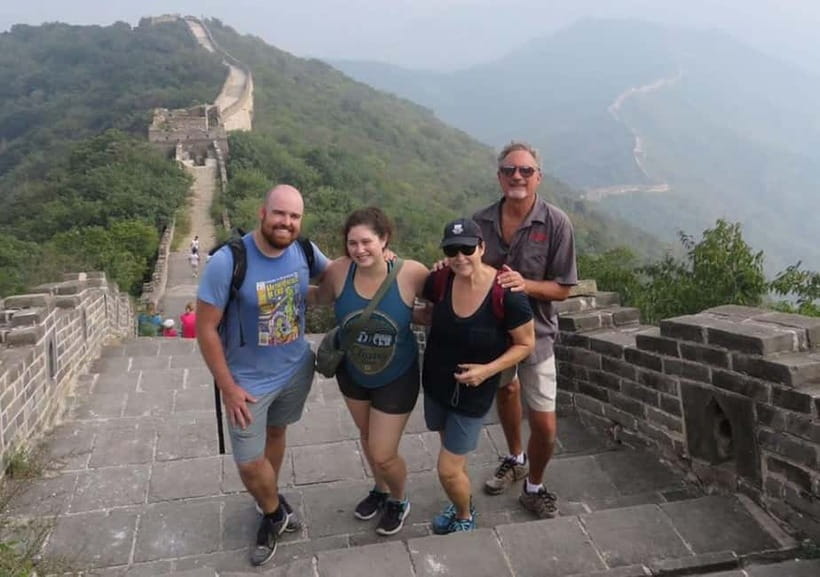
The Wall is easy to admire. It’s harder to understand. That’s why the guide component is one of the best value pieces here.
In the small set of standout experiences, guides like Taka Kuang and Fred were praised for history explanations and pointing out interesting places at the right times. Another guide, Mike, also showed up as committed and upbeat during the trip.
I like that this approach gives you a “storyboard” while you walk. You start noticing practical things:
- how watchtowers create observation points along a line
- how the climb direction changes what you can see
- why certain tower areas feel like natural pause points
It also makes conversations easier. If you’re traveling with a question about how the Wall was used, a good guide can answer in real terms—not textbook language.
Timing on the Wall: what “4 hours walking” feels like in real life
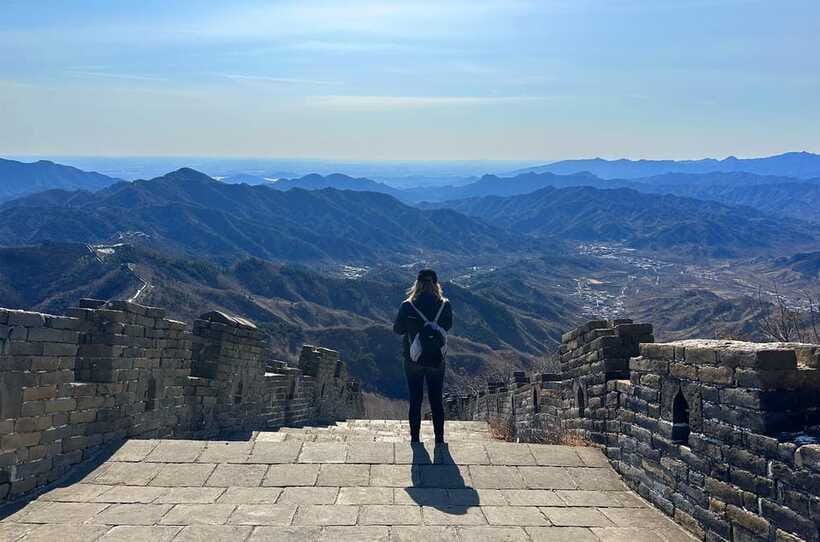
The Wall portion is about 4 hours. For many people, that’s the difference between a pleasant hike day and a shoulder-to-knee slog.
A 5-kilometer walk on stone steps can feel longer than it sounds. But this route is guided and organized, so you’re not stopping randomly or guessing where you should be next. You’re also not stuck doing just a straight line. You’ll have built-in opportunities to rest at watchtowers, take photos, and adjust your rhythm.
If you’re thinking, I want to stay active but not destroy my legs—this is a good middle option. It’s not a sprint, and it’s not a casual stroll.
Lunch at Mubus Great Wall Restaurant: included, hearty, and timed right
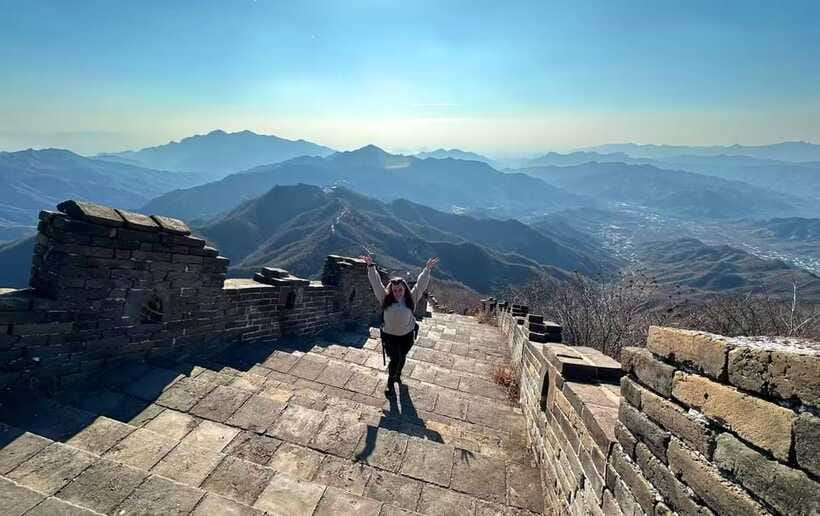
By 14:00, you’ll recharge with lunch at Mubus Great Wall Restaurant. This is included, so you don’t have to hunt for food between climbs.
The lunch is described as rural style buffet, which is exactly what you want after several hours of walking. You’ll likely find filling options that don’t feel like a rushed snack. The bigger win is timing: you eat after the main Wall section, not before you’re properly worn out.
In at least one standout experience, the lunch was described as homemade-style and delicious. Even if you’re picky about food, buffet formats give you a couple of safe choices, and you can focus on refueling rather than playing menu roulette.
Practical move: try to balance your plate so you don’t go too heavy on something that sits badly on the ride back.
Return trip: where the day ends (and how to plan the rest of your evening)
You board the bus around 15:00, then ride back to Beijing. The schedule calls for arrival at 17:00 at the meeting point.
This return time is useful for planning. You’ll still have daylight and energy for a dinner somewhere near your hotel, or a simple wander if you’re not wiped out. After a Wall day, you usually don’t want anything too ambitious, but you can easily line up a low-key evening plan.
The good part: the end is back where you started—Dongzhimen—so you’re not stuck figuring out new transit at night.
Price and value: what you’re actually paying for
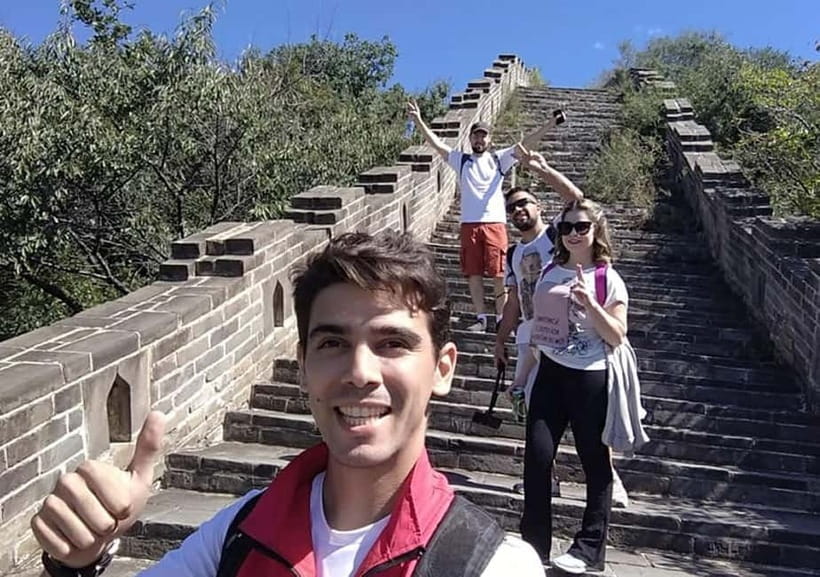
At $65 per person, this isn’t the cheapest Great Wall option. But the value comes from what’s bundled and what’s avoided.
You get:
- round-trip bus transport
- an English-speaking guide on the bus
- entrance ticket to Mutianyu Great Wall
- uphill and downhill internal shuttle ticket
- lunch at Mubus Great Wall Restaurant
- a guided 5-kilometer hike covering all 20 watchtowers
You’re also getting the “premium” angle: the route is designed to reduce the worst crowd moments, and you’re walking a complete watchtower circuit instead of only sampling a short section.
So the cost makes more sense if you value guided interpretation, a full route, and time saved on logistics (like skipping the ticket line). If you’re traveling with your own climbing skills and you’re comfortable building a route yourself, you could potentially spend less. But you’d be trading off the structure and English guidance that make the day easier.
What to bring (and what not to forget)
The basics are clear: bring your passport.
Also, don’t show up to a Wall hike in flat fashion shoes and call it a day. The tour advises proper hiking gear and water. In practice, I’d pack:
- water you can sip during the hike
- a light layer for temperature swings (mountain air changes fast)
- comfortable shoes with grip for stone steps
- something to manage sweat and sun exposure
You don’t need gear for climbing. You do need gear for stairs.
Who should book this, and who should skip it
This tour is best for active travelers who want the Wall as a walk, not a quick sightseeing stop.
It’s not suitable for:
- children under 12
- pregnant women
- people over 70
It also expects a good level of physical condition. If your mobility is limited, you might find the Wall steps challenging even with internal shuttles.
If you’re traveling solo, the guide still gives you a sense of direction and story. If you’re a couple or small group, you’ll also get the benefit of staying together while still having time for your own pace and photos.
Weather, cancellations, and your best fallback plan
Mutianyu weather can change fast. The tour notes that with heavy rain or strong winds, the tour will be cancelled.
That matters because you’re committing a full day. If your trip has tight timing, keep a buffer in your schedule. Also, wear gear that can handle damp conditions if you’re in a light-rain situation (as long as the tour is operating). If conditions are rough enough to cancel, there’s usually no easy “I’ll just walk anyway” workaround through this organized format.
Should you book this 5-km premium Mutianyu hike?
If you want the Great Wall day to feel organized, guided, and worth the effort, this is a solid choice. I’d book it if:
- you want all 20 watchtowers in one go
- you like fewer crowds and want photo chances without constant crowd dodging
- you enjoy explanations that help you understand what you’re walking past
- you don’t want to plan transport and tickets on your own
I’d skip it if:
- stairs are a serious problem for you
- you’re traveling with someone who fits the tour’s limitations (under 12, pregnant, or over 70)
- your schedule can’t handle a potential weather cancellation
In short: if you’re there to walk the Wall like it’s meant to be walked, this premium setup is one of the more efficient and satisfying ways to do it.
FAQ
How long is the hike and the overall tour?
The hike covers 5 kilometers, and the full tour runs about 8 hours.
Where do I meet for the tour?
You meet at Subway Line 2 Dongzhimen Station, Exit B1.
What’s included in the price?
Round-trip bus transportation, an English-speaking tour guide on the bus, an entrance ticket to Mutianyu Great Wall, internal shuttle tickets (uphill and downhill), lunch at Mubus Great Wall Restaurant, and the guided 5-kilometer hiking tour.
Is the tour suitable for children or seniors?
It’s not suitable for children under 12, pregnant women, or people over 70.
What should I bring?
Bring your passport. The tour also recommends proper hiking gear and water.
Can I take a cable car instead of walking downhill?
Downhill by cable car is not included. If you want it, it costs ¥100 and you’d pay on your own.