REVIEW · BEIJING
Peking Duck & Beyond:Exploring the Best Eats in Beijing’s Hutongs
Book on Viator →Operated by Discover Beijing Tours · Bookable on Viator
A hutong food tour beats the checklist. This 3-hour walk is built around Beijing classics, starting in the Dongsi Hutongs and ending with a Peking duck feast plus more local bites you actually understand. I like how the guide ties each stop to food culture, not just names on a menu.
What I really loved is the sheer amount of eating: 15+ separate tastings in just a few hours, including Peking duck, hot pot, dumplings, and even local liquor. The other thing I liked is the personal pace—this is private, so you can ask questions, slow down for photos, and not feel rushed.
One possible drawback: if you’re a light eater or picky about trying multiple small dishes, the volume can feel like a lot. Come hungry, bring water energy (there’s plenty of soft drinks and beer), and plan to keep dinner simple after.
In This Review
- Key highlights to look forward to
- A hutong food tour built around Peking duck and more
- Why 15+ tastings matter on a tight Beijing schedule
- Dongsi Hutong: starting where the lanes still feel local
- LongFuSi Jie and Mongolian hot pot in a copper charcoal pot
- Dongsiliu Alley: Yunnan cross-bridge rice noodles and broth focus
- The guide makes or breaks the food value (hello, Miko)
- Getting your money’s worth: what $88 buys in practice
- Pickup, meeting point, and how not to waste the first 30 minutes
- Private tour energy: who this fits best
- Should you book Peking duck and beyond in Dongsi Hutong?
- FAQ
- How long is the tour?
- Is this tour private?
- Where does the tour start?
- Where does the tour end?
- What’s included in the tastings?
- Are drinks included?
- Is hotel pickup offered?
- Can I request dietary requirements?
- Are kids allowed?
- What’s the cancellation policy?
Key highlights to look forward to
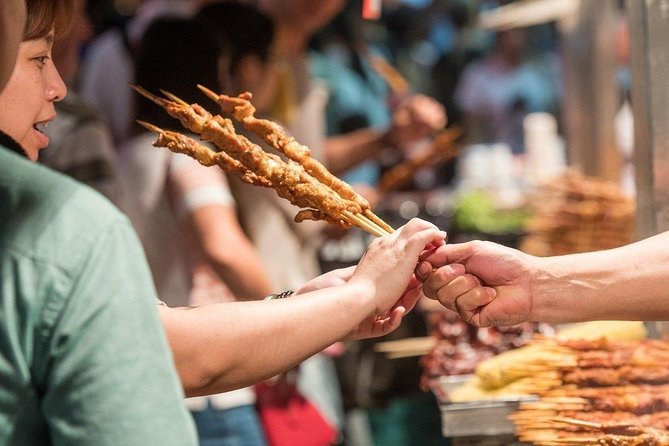
- 15+ tastings in about 3 hours: multiple stops without the day-long food marathon
- Peking duck feast: the iconic dish is a core part, not a side snack
- Private hutong route: Dongsi Hutong lanes with courtyard houses and local rhythm
- Hot pot at a Mongolian-style restaurant: served in a copper pot with charcoal
- Yunnan cross-bridge rice noodles: broth-focused comfort food in a tucked-away alley
- Guide like Miko: friendly, food-and-culture explanations that help you order smart later
A hutong food tour built around Peking duck and more
Beijing food has a way of turning “I’ll just get a quick bite” into regret—usually because you pick the wrong stall, the wrong order, or the wrong moment. This tour makes that problem smaller. You start in a lived-in neighborhood, then you eat your way through a tight sequence of dishes that represent different northern styles.
It’s also a good use of limited time. The tour is about 3 hours, but the tastings are frequent enough that you’ll feel like you got a real sampling day, not a token “here’s a bite” experience. The private setup helps too. I found that when you’re not negotiating for attention with strangers, you get clearer answers about what you’re tasting and how it fits into Chinese food culture.
You can also read our reviews of more tours and experiences in Beijing.
Why 15+ tastings matter on a tight Beijing schedule
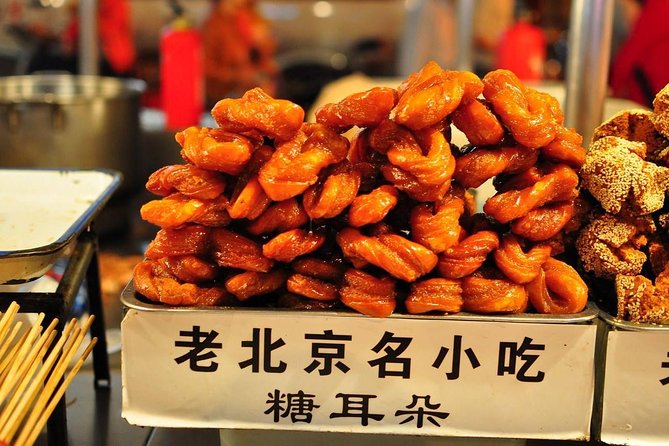
Here’s the practical truth: most food experiences fail when they under-deliver on variety. This one is designed around variety. You’re not just doing one signature stop—you’re getting a run of different Beijing-adjacent flavors and textures.
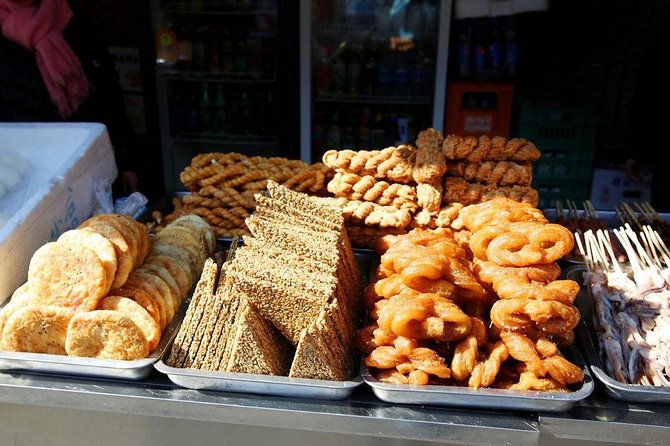
What you can expect to try includes:
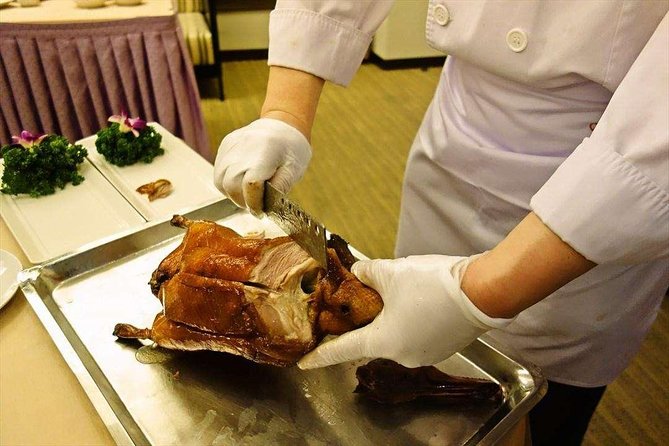
- Peking duck, served as a feast rather than a single piece
- Hot pot at a Mongolian Hot Pot Restaurant
- Northern-style dumplings
- Local liquor
- And Yunnan-style cross-bridge rice noodles at the final alley stop
Those are big-name items, yes. But the bigger win is how they train your palate. After you’ve tasted a few styles back-to-back, you start noticing the logic behind Chinese menus: why certain broths feel different, why dipping sauces matter, and how dumplings and duck each play a role in a meal.
And you’re not left dry. Unlimited soft drinks and beer are included, which matters more than people think on a walk-heavy tour in Beijing. It keeps everyone comfortable while you sample.
Dongsi Hutong: starting where the lanes still feel local
Your first stop is the Dongsi Hutong, a pocket of Beijing’s older alley network. This is where the mood sets in. The hutongs are narrow lanes lined with traditional courtyard houses, so you’re not just eating—you’re moving through the kind of street fabric that shaped daily life in Beijing.
Why this matters for food tourists: your brain locks in the setting faster when you’re actually seeing the place where food culture lives. It’s easier to understand why certain restaurants feel tucked-away, why family-style meals make sense here, and why “authentic” isn’t a marketing word in this neighborhood. You get the historical atmosphere, but it stays practical because the guide keeps connecting what you see to what you’ll taste.
Time-wise, you’ll spend about an hour at this first stop. That’s long enough for a real walk and short enough that you don’t stall your appetite before the eating starts.
LongFuSi Jie and Mongolian hot pot in a copper charcoal pot
Next you head to LongFuSi Jie, where the hot pot experience takes center stage. The key detail here is the cooking style: it’s Mongolian Hot Pot at a restaurant known for a copper pot over charcoal. That setup changes everything about hot pot.
Hot pot isn’t only about ingredients—it’s about heat control and how the broth behaves while you eat. The charcoal heat tends to keep things lively, and the copper pot is part of the traditional feel of the presentation. When the guide explains what makes the hot pot work, you’ll start thinking about order: what to put in first, what to wait for, and how the flavor builds as the pot continues cooking.
At around an hour for this stop, you’ll have enough time to enjoy the hot pot without feeling like you’re rushing through it. Just remember: hot pot can fill you up quickly. If you’ve had a heavy breakfast, consider keeping it light before you go.
Dongsiliu Alley: Yunnan cross-bridge rice noodles and broth focus
Your final dining stop is Dongsiliu Alley, where you go for Yunnan-style comfort food. The star item is cross-bridge rice noodles, served with a rich, flavorful broth and a mix of fresh ingredients.
This is a smart closing move for the tour. Hot pot is interactive and communal; Peking duck is iconic and flavorful; dumplings give you structure. Cross-bridge noodles bring something different at the end: a broth-forward dish that feels cozy after a few stops of richer foods.
The “cross-bridge” idea is tied to how the ingredients interact with the broth, and the tour frames it in a way that helps you understand what you’re doing when you combine components. You’ll also appreciate the location. The alley setting makes it feel like you’re stepping into an actual local eating space rather than a food hall designed for photos.
Again, you’ll spend about an hour at this last stop—enough time to finish comfortably and still walk out feeling satisfied rather than stuffed.
The guide makes or breaks the food value (hello, Miko)
A lot of tours say they’re private and cultural. This one gets traction because the guide role feels real. In the reviews, one name came up again and again: Miko. People describe him as friendly and as someone who explains not only the food but the cultural and historical context around it.
Even if you don’t meet Miko, you’re still buying into the same idea: your guide should help you interpret the menu as you eat. That’s what turns a list of dishes into real understanding. You’ll likely leave with more than memories—you’ll leave with the ability to walk into a Beijing restaurant later and order with confidence.
Getting your money’s worth: what $88 buys in practice
The price is $88 per person, and you’re booking a 3-hour private experience with:
- a professional guide
- 15+ food tastings
- Peking duck (included)
- unlimited soft drinks and beer
- and optional private transfer with hotel pickup and drop-off if you choose the right option
On paper, $88 can look “high” if you think only in terms of a single meal. But if you break down what’s actually included, it becomes much clearer.
You’re paying for:
1) multiple separate restaurant moments (not one tasting counter)
2) a guide who helps you understand what you’re eating
3) drinks during the entire sampling stretch
4) a tight route that uses the hutong layout instead of driving all day
Also, the tour is designed to help you avoid wasting time on the wrong places. That’s a real value factor in Beijing. If you spend one afternoon stuck in tourist-heavy zones or in a restaurant that serves something different than you expected, you lose both time and money. This tour tries to compress the learning curve.
If you’re watching budget, the best move is to treat the tour as a meal plan. Go into it hungry and then plan a lighter dinner afterward.
Pickup, meeting point, and how not to waste the first 30 minutes
This tour runs from a clearly defined start point and loops back there at the end. The start meeting point is near public transport: Beijing Public Bicycle Subway Dongsi Exit C Station (listed with coordinates in the address). The end is back at the meeting point.
Hotel pickup is available if you select the related option (the tour data calls out hotel pick up and drop off as an option). If you choose the smaller group or meet-at-the-point setup, hotel pickup isn’t included.
This matters because you should treat the meetup point like a rendezvous with your appetite. Arrive early enough that you’re not scrambling right before tasting begins. The first stop is only an hour, and that’s enough time to start walking and eating quickly.
Also, the tour uses a mobile ticket, so plan to have it ready on your phone.
Private tour energy: who this fits best
This experience is private, meaning only your group participates. That’s ideal if:
- you want a food plan that doesn’t depend on random group schedules
- you like asking questions while you eat
- you want to explore the Dongsi Hutongs without turning it into a stressful self-guided quest
It’s also a great first Beijing food activity. When your guide helps you understand how Beijing dishes work—duck, hot pot, noodles, dumplings—you’ll have a better sense of what to look for later.
If you’re traveling with kids, note that children 1–4 years old are free. If you bring older kids, confirm they can comfortably handle multiple tastings; the tour is built around eating pace and variety.
And if you have dietary restrictions, you can advise them at booking. The exact accommodation details aren’t spelled out in the information, but it’s at least an explicit part of the request process.
Should you book Peking duck and beyond in Dongsi Hutong?
Book it if you want a structured way to eat like a local in a real Beijing neighborhood. The standout strength is the combination of Peking duck plus 15+ tastings in a short time, while you’re guided through the hutongs so the food has place and meaning.
Skip it (or at least reconsider) if you know you won’t enjoy tasting multiple dishes in one sitting. This is an eating-focused walk, and it assumes you’re ready for volume.
FAQ
How long is the tour?
It’s about 3 hours.
Is this tour private?
Yes. It’s private, and only your group participates.
Where does the tour start?
It starts at Beijing Public Bicycle Subway Dongsi Exit C Station (with the provided address/coordinates).
Where does the tour end?
It ends back at the meeting point.
What’s included in the tastings?
The tour includes 15+ different food tastings, including Peking duck, and it also includes hot pot, northern-style dumplings, and Yunnan-style cross-bridge rice noodles.
Are drinks included?
Yes. Unlimited soft drinks and beer are included.
Is hotel pickup offered?
Hotel pickup and drop-off are available if you choose the related option (Option 3). If you choose a smaller group or meet the guide at the meeting point, pickup isn’t included.
Can I request dietary requirements?
You can advise any specific dietary requirements at the time of booking.
Are kids allowed?
Children ages 1–4 are free.
What’s the cancellation policy?
You can cancel for a full refund up to 24 hours before the experience starts. If you cancel less than 24 hours before, the amount paid isn’t refunded.
show-tickets-400x267.jpg)