REVIEW · CHENGDU
2-Day Private Tour of Leshan Grand Buddha and Emei Shan including Monastery Stay
Book on Viator →Operated by Samtour of Chengdu OTC Travel · Bookable on Viator
Two UNESCO giants in one tight itinerary. This is a private, English-speaking guided trip that hits Leshan’s colossal Da Fo carving and then tackles Emei Shan’s Golden Summit viewpoints with a cable car ride. I especially like the pacing: you get serious time around the Buddha and temples without having to herd yourself through ticket lines. I also like the monastery night at Baoguo Temple, which turns the trip from sightseeing into something closer to daily temple life. The one real drawback to plan for is the amount of walking and stairs built into both days, especially around temple trails.
Because it’s private, the tour feels flexible even though the sites are fixed. You’ll start with pickup from your Chengdu hotel, move by air-conditioned vehicle, and return to you at the end without stress. If the weather turns misty or rainy, the mountain experience can still be special, just bring shoes that won’t hate wet stone.
In This Review
- Key things I’d focus on before you go
- Two UNESCO icons, one private itinerary from Chengdu
- Leshan Grand Buddha: four hours with Lingyun Temple trails
- Optional boat ride: only if you want another angle
- Fuhu Temple at the Emei base: short stop, good context
- Baoguo Temple monastery stay: a sleep with real rules
- What to expect in your room and what to pack
- Night vibe: why this stay is worth the extra cost
- Day 2 on Emei Shan: cable car to Golden Summit views
- How to handle the mountain weather
- How the guide makes the day feel easier (and better)
- Meals included: you won’t spend the day hunting food
- Logistics that actually help: transport, tickets, and belongings
- Price and value: what you’re really paying for
- The only extra you might pay: boat trip
- Who this tour suits best (and who should skip it)
- My take: should you book this Leshan and Emei private tour?
- FAQ
- What is the price of the tour?
- How long is the tour?
- Does the tour include hotel pickup and drop-off in Chengdu?
- Is a private guide included?
- Are meals included?
- Is the Golden Summit cable car included?
- Where do I stay overnight?
- Is the boat trip at Leshan included?
Key things I’d focus on before you go
- Private guide, handled in one brain: admissions, timing, and explanations are managed for you.
- Four hours at Leshan’s Buddha area: enough time for trails and Lingyun Temple, not just a quick look.
- Monastery stay at Baoguo Temple: a night in a working religious site, with rules for what you wear.
- Golden Summit cable car round trip included: you save energy and still get the high views.
- Meals included: breakfast, dinner, and lunch (2), so you are not hunting food all day.
- Optional add-on exists: a boat trip at Leshan is not included, but it’s available.
Two UNESCO icons, one private itinerary from Chengdu
This 2-day private tour is built for people who want big sights without big chaos. You’re not just getting photos of the famous monuments. You’re getting a guide who can explain what you’re looking at while you walk the temple routes and sit through the quieter moments.
You’ll leave Chengdu in the morning, then spend your first day on Leshan Grand Buddha and surrounding temple sites. Day two shifts to Emei Shan, where the highlight is the cable car ride up toward the Golden Summit. All along the way, the tour includes admissions for the places listed, plus meals, so your day feels more predictable than a DIY plan.
The most practical part is that this is a private setup. Your van, your guide, and your schedule are yours, which matters a lot when you’re spending hours on foot.
You can also read our reviews of more tours and experiences in Chengdu.
Leshan Grand Buddha: four hours with Lingyun Temple trails
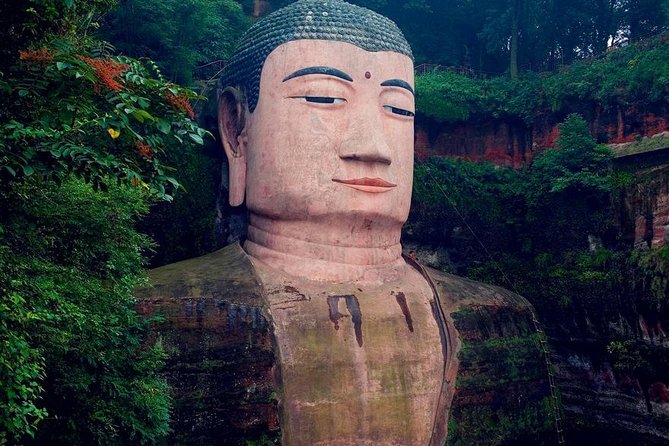
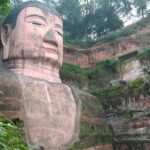
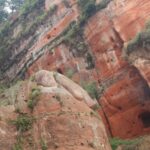
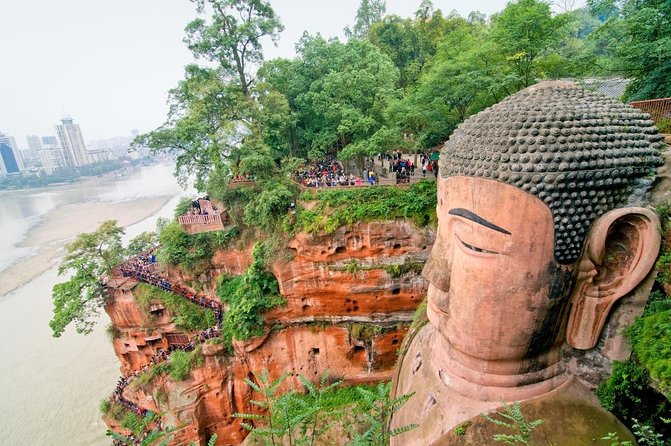
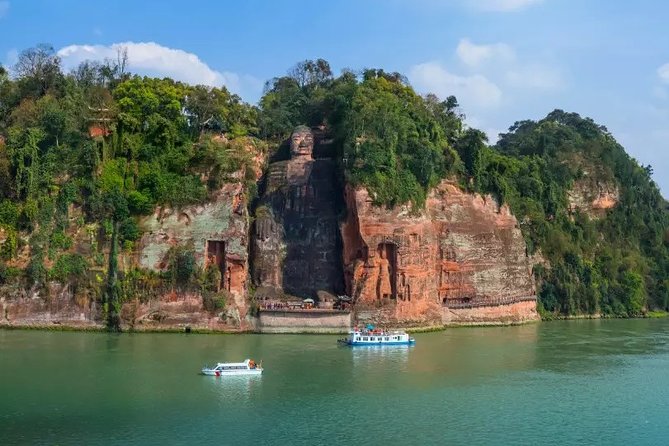
Leshan Grand Buddha is the kind of site that changes your sense of scale. The Da Fo statue is described as the largest stone Buddha sculpture in the world, and standing in the surrounding trails really does bring that home.
In a well-paced day, you get about four hours to explore the area with your guide. That’s not just time at the viewing point. It’s time to walk the paths around the Buddha and visit Lingyun Temple, which helps connect the statue to the temple landscape around it. If you only do a quick stop, you miss the way these sites are arranged to be experienced step-by-step.
Two practical tips help here:
- Wear shoes you trust on uneven paths. The tour explicitly calls for comfortable walking footwear.
- Bring sun and water if skies clear up. The guidance says to pack essentials like water and sunscreen, because you’ll be outside.
Optional boat ride: only if you want another angle
There is an optional boat trip at Leshan Buddha listed as $10 per person. That isn’t included, so you’ll need to decide if it’s worth the extra time and cost for your preferences. If you’re already happy with the temple-trail perspective, skip it. If you like water views and want to see the Buddha from a different setting, it’s there as an add-on.
Fuhu Temple at the Emei base: short stop, good context
After Leshan, you head toward Emei Shan’s base. The tour includes Fuhu Temple for about one hour, and it’s framed as an area with classical Chinese court-style elements.
Even though it’s not the longest stop, I like this kind of mid-day temple stop because it gives you context for what you’ll see higher up on the mountain. A one-hour guided walk is usually enough to understand the visual language—architecture, shrine layout, and the way the site supports Buddhist practice—without draining your energy before the main climb day.
Baoguo Temple monastery stay: a sleep with real rules
The biggest emotional payoff on this tour is the night at Baoguo Temple. Instead of checking into a standard hotel, you stay at an ancient temple where you can see elements of Buddhism, Taoism, and Confucianism. That mix is a big part of what makes the monastery stay feel more authentic than a themed overnight.
The itinerary also assigns a long block of time on Day 1 at Baoguo Temple (around 8 hours), which matters. You get time not only to settle in, but to actually experience the rhythm of the place rather than treating it like a checkbox.

What to expect in your room and what to pack
The accommodation is in twin rooms with standard amenities. The guidance says it’s recommended you bring your own toiletries, so don’t plan on full hotel-style supplies.
Dress rules are also part of the experience. Shorts are allowed, but tank tops and bikinis are not recommended. That’s an easy adjustment, but it’s worth planning before you arrive so you’re not stuck trying to improvise.
Also, you’ll be doing extended walking. If you pack light, bring a small essentials kit: water, sunscreen, sunglasses, and whatever you need to stay comfortable in changing mountain weather.
Night vibe: why this stay is worth the extra cost
This is the part that can justify the price for many people. You’re paying for an overnight at a working religious site, plus the logistics that go with it: private vehicle transport, guide time, admissions, and meals. A monastery stay also changes how you see the next day. Emei Shan doesn’t feel like a random mountain trip anymore—it feels like part of a larger spiritual geography.
Day 2 on Emei Shan: cable car to Golden Summit views
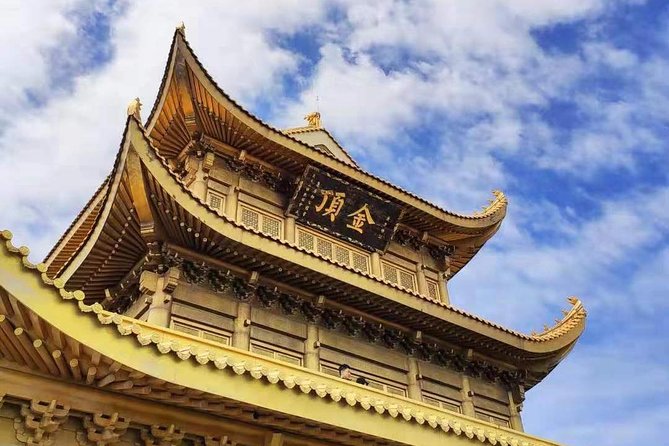
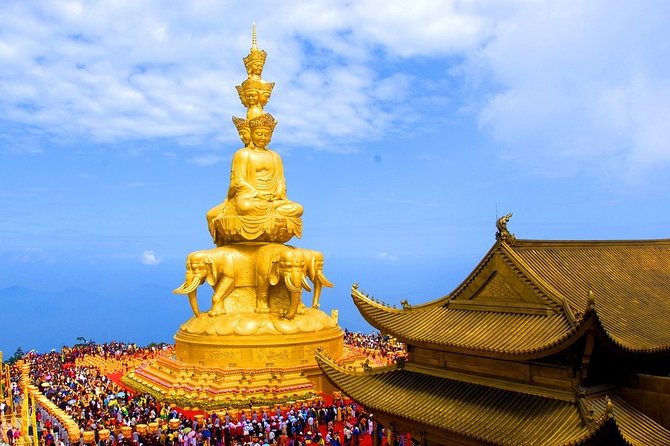
Day two starts after breakfast, then you go to Emei Shan’s cable car area by excursion bus. From there, you ride the cable car with your guide up to the Golden Summit, with round-trip cable car included.
That cable car inclusion is a smart value move. Even if you’re in decent shape, climbing Emei Shan by foot for everything would eat most of your day. The tour’s design gives you the height and views while keeping you from being wrecked before your temple exploration time.
The key highlight is the aerial feel of the Golden Summit area. You’re there for magnificent views, and the mountain atmosphere can shift quickly. If you hit mist or rain, the mood changes fast, but it can also make the mountain feel more dramatic and less crowded.
How to handle the mountain weather
The tour notes rain-proof reality by experience: it can be rainy, and the mist can create a different kind of magic. Plan with layers. If it’s damp, you’ll want shoes that grip and dry reasonably well.
And pace yourself. Even with the cable car, you’ll still be walking around the summit area with your guide, and temple routes can include steps.
How the guide makes the day feel easier (and better)
A private guide is not just about language. It’s about reducing friction. You won’t spend your time figuring out where to go next, which ticket window to trust, or how long something will take.
The tour specifically lists a professional English-speaking guide, and the guides that have been praised include people like Wells, Andy, Rachel Pan, Lilian, plus a helpful driver such as Jerry. The consistent theme in that kind of feedback is calm competence: guides who can explain the significance of shrines and temples clearly, and who keep you moving with a plan that still feels human.
This is especially useful in a place like Emei Shan, where weather can affect visibility and timing. A guide can help you shift emphasis—seeing what’s meaningful even when conditions aren’t perfect.
Meals included: you won’t spend the day hunting food
This trip includes:
- Breakfast
- Dinner
- Lunch (2)
For a 2-day itinerary, that matters more than it sounds. You avoid the mental load of searching for food between walking segments. It also helps you keep momentum, especially on a day with the cable car and summit exploration.
Your meals are described as traditional Chinese meals, which is a fair match for the temple settings. If you have dietary requirements, the tour asks you to advise them at booking, so speak up early.
Logistics that actually help: transport, tickets, and belongings
A smooth trip is often the boring stuff done right.
You’ll get hotel pickup and drop-off in Chengdu. Transport is in a private, comfortable air-conditioned vehicle, and the type depends on the number of passengers. That flexibility is useful for small groups because it avoids the awkward feeling of being stuck in the wrong vehicle size.
Admissions are included for the sites listed, and the tour uses mobile tickets. During sightseeing, your belongings are tucked away safely in the van or accommodations. You still should bring personal essentials for the day, like water and sun protection.
If you’re the type who likes to move quickly and keep your hands free, this setup fits you.
Price and value: what you’re really paying for
At $513.99 per person, this tour costs more than many basic group day trips. The question is what you get for the money, and where it adds real value.
You’re paying for:
- A private guide for both days
- Private air-conditioned vehicle transport
- Admissions for the itinerary stops
- One-night accommodation at Baoguo Temple
- Meals (breakfast, dinner, and two lunches)
- Round-trip cable car from Jieyindian to Golden Summit
- An excursion bus at Emei Shan
That’s not a small bundle. The monastery stay alone changes the value equation because most standard tours don’t include lodging inside a temple environment. Add in cable car inclusion and meal coverage, and the cost starts to feel less like a premium for nothing and more like payment for convenience plus structured time.
The only extra you might pay: boat trip
The optional boat trip at Leshan Buddha is listed as $10 per person. If you want that extra perspective, budget for it. If not, everything else in the plan is accounted for.
Who this tour suits best (and who should skip it)
This is a great fit if you:
- Want two UNESCO sites without coordinating transportation and tickets yourself
- Prefer a private guide who can explain the temples as you walk
- Like cultural depth, not just monument views, and want a monastery stay
- Are okay with a full couple of days and some uphill terrain
It’s not ideal if you:
- Dislike long walks and steps. The tour explicitly warns that extensive walking is involved.
- Expect a low-effort outing with minimal walking. Even with the cable car, you’ll still be moving between temple areas.
If you’re visiting with a friend or partner and want a shared schedule that still feels flexible, the private format is a big win.
My take: should you book this Leshan and Emei private tour?
If you’re the kind of traveler who enjoys structured days but hates logistical stress, I’d lean toward booking. The combination of Leshan Grand Buddha + Emei Shan + Baoguo monastery stay is rare, and the inclusions are practical: meals, guide time, admissions, cable car, and one overnight.
Before you decide, do two quick checks:
- Can you handle temple walking and stairs for multiple hours over two days?
- Do you want the monastery night experience, not just daytime sightseeing?
If both answers are yes, this tour is very likely to be a meaningful way to see these UNESCO highlights as more than just a checklist. If either answer is no, you might prefer a less walking-heavy option and skip the monastery piece.
FAQ
What is the price of the tour?
The tour costs $513.99 per person.
How long is the tour?
It runs for 2 days (approx.).
Does the tour include hotel pickup and drop-off in Chengdu?
Yes. Hotel pickup and drop-off are included.
Is a private guide included?
Yes. The tour includes a professional English-speaking private guide.
Are meals included?
Yes. Breakfast and dinner are included, along with lunch (2).
Is the Golden Summit cable car included?
Yes. Round-trip cable car from Jieyindian to Golden Summit is included.
Where do I stay overnight?
Overnight accommodation is provided at Baoguo Temple for one night, in twin rooms with standard amenities.
Is the boat trip at Leshan included?
No. The optional boat trip at Leshan Buddha costs $10 per person and is not included.