REVIEW · CHENGDU
Sanxingdui Museum+Chengdu Panda Base or Jinsha Site Tour
Book on Viator →Operated by Real China travel · Bookable on Viator
Sanxingdui hits your brain first. Then pandas or Jinsha make the day feel like two eras of Sichuan history in one easy loop. I like that this tour pairs Sanxingdui Museum with either giant panda time or the Jinsha Site Museum, so you do more than just check one box. It also feels efficient because transport is included, and you’re not left figuring out timing between distant stops.
What I really like is the role the guide plays. When you go with an English guide, the explanations turn chaotic museum crowds into a clear story, and the names Wing and Victor come up for a reason: clear, thorough run-throughs that help you understand what you’re seeing and why it was discovered. The other win is flexibility: you can pick a private plan for more control, or a small-group option if you’d rather keep it simple.
One consideration: tickets for the main sites are usually not included in the base price, so your real total depends on which package you choose. Also, you’ll need to bring passport details for reservation, and you may be asked to show your passport at entrances.
In This Review
- Key points worth knowing before you go
- How Sanxingdui plus pandas or Jinsha fits into one smooth day
- Sanxingdui Museum: why the bronzes still feel strange
- Chengdu Panda Base in the morning: more pandas, less chaos
- Jinsha Site Museum: stepping into the era after Sanxingdui
- Guide quality and logistics: English explanations and smart timing
- Price and ticket math: what $75 gets you
- Should you book this Sanxingdui and Panda/Jinsha combo?
- FAQ
- What attractions are included on this day tour?
- Is pickup offered?
- Are admission tickets included in the price?
- How long is the tour?
- Do I get an English guide?
- What meeting point is used in Chengdu?
- What passport info do I need to provide?
Key points worth knowing before you go
- Sanxingdui + a second major site: you choose pandas (Chengdu Research Base) or Jinsha (Jinsha Site Museum) so the day doesn’t feel repetitive
- Morning panda strategy: the plan targets cooler hours when panda activity is better, and it helps with crowd pressure
- Small-group vs private options: meet at a central shuttle stop for small-group, or go fully private for a tighter schedule
- English guiding is the difference-maker: guides like Wing and Victor are praised for turning artifacts into a story you can follow
- Transport is built in: buses or private transfers keep you from burning time between sites
- Passport info is required: you’ll provide full names, DOB, and passport numbers for ticketing
How Sanxingdui plus pandas or Jinsha fits into one smooth day
This is the kind of day trip that makes sense in Chengdu: you get a big UNESCO-listed archaeological stop, plus either conservation-focused panda viewing or another major museum tied to ancient Sichuan culture. The whole thing runs about 6 to 10 hours depending on which package you pick, and it’s designed to reduce the usual friction—finding rides, lining up for tickets, and figuring out where to eat between sites.
You’ll be choosing between a few workable combinations. If you want pandas and Sanxingdui, the private plan is built around a morning visit to the Chengdu Research Base of Giant Panda Breeding. Then you head to Sanxingdui Museum later in the afternoon. If you choose Jinsha, the order flips: Jinsha Site Museum first, then Sanxingdui Museum after lunch. There’s also a small-group option that focuses mainly on Sanxingdui.
The tour structure matters because it matches how these places work in real life. Panda viewing is time-sensitive and influenced by crowds and daily activity. Museums are steadier, but you still need enough time to read labels without rushing. This plan gives each site a sensible block of time, then uses transport to connect them without turning your day into a logistics project.
You can also read our reviews of more tours and experiences in Chengdu.
Sanxingdui Museum: why the bronzes still feel strange
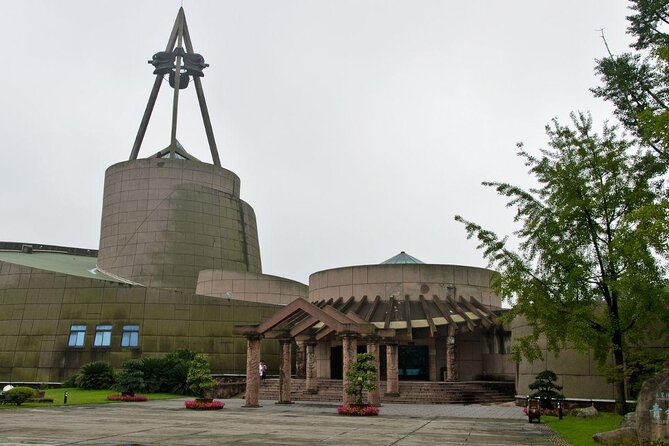
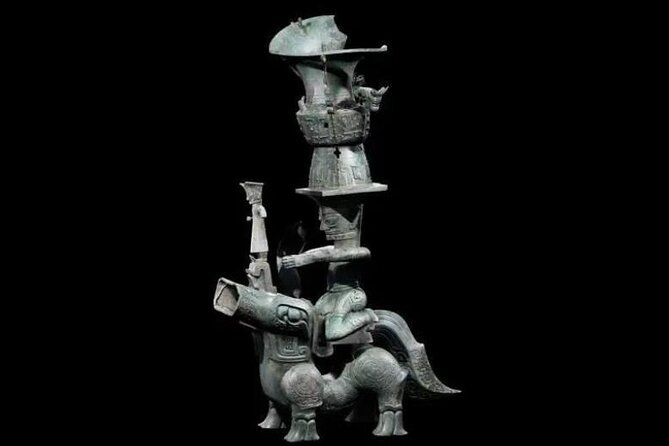
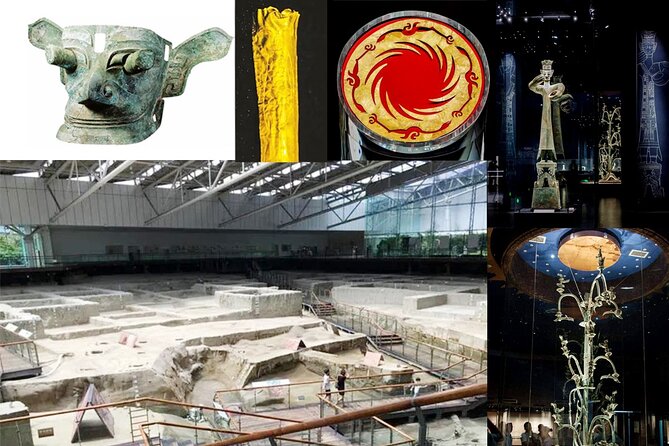
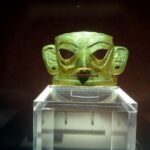
Sanxingdui is the reason people talk about ancient Sichuan with eyebrows raised. The experience centers on major archaeological discoveries that came to light in the 20th century, and that’s part of what makes the museum so effective: you’re not just looking at artifacts, you’re seeing the evidence of a mystery being uncovered.
In the afternoon portion of the panda route, or after Jinsha lunch on the Jinsha route, you’ll spend roughly 4 hours at the museum. If you choose the small-group option, the time in the museum is still substantial—3 to 4 hours—so you’re not stuck doing the frantic highlights sprint.
What makes Sanxingdui worth a guided visit is how the stories connect. With an English guide, you can follow the discovery journey and the key questions archaeologists ask about these finds. The feedback on Victor, for example, emphasizes how well he explains the history of the site’s discovery and what researchers learned from the objects. That’s exactly what you want here: the museum is powerful, but the context is what turns it from wow into understanding.
Also, the museum pairing is smart. Sanxingdui represents a kingdom that predates the later culture represented by Jinsha. When your day includes both museums (Jinsha option), you get a natural sense of continuity: first a people who left behind startling bronzes, then the era that followed, represented by the Jinsha excavations.
If you’re hoping to maximize understanding rather than just ticking off a famous stop, this Sanxingdui-forward timing is a good match.
Chengdu Panda Base in the morning: more pandas, less chaos
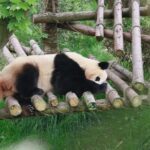
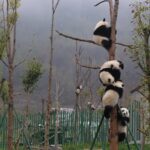
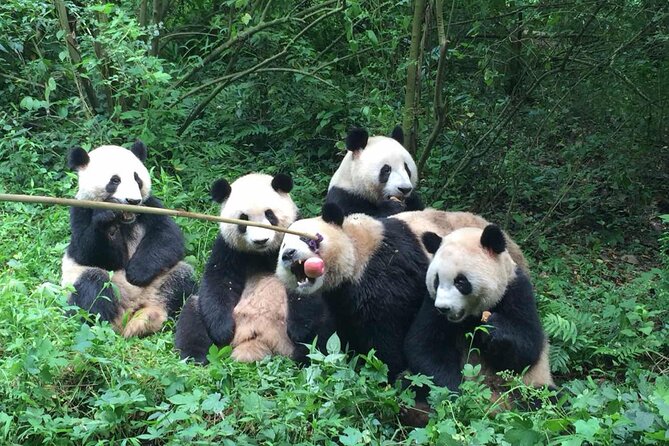
The panda part is practical and slightly strategic. The plan is built around a morning visit, when it’s cooler and the pandas tend to be more active. The schedule aims to help you see natural panda behavior—relaxing, playing, and munching bamboo—before the day gets crowded.
In the private panda-and-Sanxingdui package, the panda visit is about 3 hours at the Chengdu Research Base of Giant Panda Breeding, with a drive of around 30 to 40 minutes from central Chengdu. That doesn’t sound huge, but panda viewing is slower than sightseeing because you’re watching, not just moving. You’ll also have access to the center’s museum area, where you can see displays tied to early giant panda breeding efforts, plus veterinary-style exhibits.
The extra value here is variety. The description of the center includes more than pandas: birds, golden monkeys, koi pond, and red pandas are mentioned as part of the visit. So if you catch pandas at a quieter moment, the visit doesn’t flatten into waiting. You can still have a satisfying walk and keep your eyes busy.
One detail that matters for your expectations: the plan specifically calls out spacious enclosures and the idea that pandas are relaxing and eating bamboo. That means you should plan for viewing to be more observational than action-packed. If you’re expecting constant panda zoomies every minute, you might feel slightly impatient. The upside is that the best moments often come when you slow down.
The most-cited comfort in the reviews is that Wing helped people see pandas even when the base was crowded. That’s a huge deal in Chengdu, where panda crowds can feel like a sport. A good guide can’t create panda energy, but they can help you find the right viewing angles and manage the flow so your 3-hour block isn’t wasted.
Jinsha Site Museum: stepping into the era after Sanxingdui
If you choose the Jinsha option, you’re adding a second ancient layer to your day. The plan starts with pickup and a direct trip to the Jinsha site area, then you spend about 3 hours at the Jinsha Site Museum. Here the focus is on the ancient people who lived in the area over 3,000 years ago, and the museum includes relics that are still half-buried in the earth.
This is the part of the tour that helps the story move. Sanxingdui is about an earlier kingdom. Jinsha is about what came after—another chapter in the same broader Sichuan timeline. When your day includes both, you get a more meaningful arc than if you only visited one museum.
Later, after lunch, the plan takes you to Sanxingdui Museum. That means you can compare how the later culture is represented, and it helps you notice differences in what the museums emphasize: Jinsha is tied to excavated site remnants, while Sanxingdui is known for extraordinary bronze-age artifacts brought to light through the discovery process.
If you’re the type who likes museum days where you can connect the dots, the Jinsha route makes a lot of sense. It also helps if you worry that pandas might be the only emotional anchor of the day. Jinsha gives you an intellectual anchor before you switch to conservation and modern museum storytelling.
Guide quality and logistics: English explanations and smart timing
The experience is set up so you’re not left managing the day alone. Depending on your option, you’ll have either a private guide and driver, a small-group route with a public shuttle bus, or a transfer where you may not have a guide and instead travel with a Chinese-speaking driver.
Here’s where the guide matters most: Sanxingdui and Jinsha are information-heavy. You can read some labels on your own, but the best enjoyment comes when someone helps you organize what you’re seeing. That’s the point behind the praise for Wing and Victor. The comments highlight clear explanations and a thorough walkthrough of what’s known—especially the discovery story and what archaeologists learned from the objects.
Transport is also a quiet win. The tour states that bottled water and private transportation are included for private options, and for the small-group option you’ll use a public shuttle bus with return bus tickets included. This matters because it protects your time. You’re not guessing which bus to take, or losing half a day hunting down the right transfer.
Timing is built into the flow. Panda viewing gets the morning block. Museums get the afternoon block. Lunch is handled in a simple way: for certain package choices, your guide suggests local restaurants and then drives you to Sanxingdui. That’s not glamorous, but it’s effective. Museum days often fail because people waste time deciding what to eat.
One more practical note: you’ll likely need to provide full names, DOB, and passport numbers for tickets reservation. Then you’re asked to show passports for check-in at entrances. So don’t plan on traveling with just a photo.

Price and ticket math: what $75 gets you
The tour price is listed at $75.00 per person, and it’s usually booked about 17 days in advance. That’s a clue this day plan is popular, and also that you should reserve early if you’re visiting in July and August, when Sanxingdui admission tickets can sell out.
Your best “value” thinking is ticket math plus guide time plus transport. The listed admission tickets for sites are generally not included in the base price, with one key exception: the included list says Sanxingdui museum admission and public bus tickets in return are included for option 2.
So your total cost depends on the package. If you choose pandas plus Sanxingdui, you’re looking at additional entrances for the panda base and Sanxingdui museum (listed as USD 8/person for the panda base and USD 10/person for Sanxingdui). If you choose Jinsha plus Sanxingdui, you’re looking at USD 10/person for Jinsha and USD 10/person for Sanxingdui.
Here’s what you’re paying for beyond admissions:
- English guide service (for options where a guide is part of the plan)
- Private transportation and bottled water for the private options
- Admission ticket booking service so you’re less likely to get stuck
If you’re traveling with a couple of people who share similar interests—pandas plus at least one major museum—you’ll often find this makes sense compared to piecing together taxis, bus routes, and separate ticket lines.
If you’re mainly price-sensitive and already comfortable with Chinese transit, you might see savings by choosing a self-guided approach. But for many people, the guide plus transport is exactly what prevents a “good plan on paper” from turning into a stressful day.
Should you book this Sanxingdui and Panda/Jinsha combo?
Book it if you want a one-day hit of big meaning: archaeology that questions what you thought you knew, plus a morning panda plan that’s managed enough to cut down on wasted time. It’s also a strong fit if you like having a clear route. You won’t be wandering between far-apart stops with a dead phone battery and a growing stomach.
Skip it or reconsider if:
- You only care about one site (just pandas or just a museum), since you’ll pay for the extra pacing and transport.
- You’re the type who hates guided explanations and prefers reading everything slowly on your own. In that case, the transfer-with-driver-only option might suit you better, but you’d give up the English guide context.
My decision rule is simple: if you’re going to spend time at Sanxingdui anyway, adding pandas or Jinsha turns that time into a fuller day with less friction. This tour is built for exactly that.
FAQ
What attractions are included on this day tour?
You can choose packages that include Sanxingdui Museum plus either the Chengdu Research Base of Giant Panda Breeding or the Jinsha Site Museum. There is also a small-group option that focuses on Sanxingdui.
Is pickup offered?
Yes. Pickup is offered in Chengdu hotel areas for options that include private transportation, and the tour also describes meeting at a central shuttle bus station for the small-group option.
Are admission tickets included in the price?
Admission tickets are generally not included in the base price, with an exception: the included list says Sanxingdui museum admission and return public bus tickets are included for option 2 only. Panda base and Jinsha museum tickets are listed as additional costs.
How long is the tour?
The duration is listed as approximately 6 to 10 hours depending on the package you select.
Do I get an English guide?
For options 1, 2, and 3, the tour includes excellent English guide service. There’s also an option to transfer with a Chinese-speaking driver without a guide.
What meeting point is used in Chengdu?
The start meeting point is PRADA1 Hong Xing Lu San Duan, Jin Jiang Qu, Cheng Du Shi, Si Chuan Sheng, China, 610016, and the tour ends back at the meeting point.
What passport info do I need to provide?
The tour requests participants’ full names, DOB, and passport numbers for ticket reservation, and it asks you to show your passport for check-in at the entrance.