REVIEW · SHANGHAI
Shanghai French Concession Walking Tour-Tip Based
Book on Viator →Operated by Bill's Fantastic Tour · Bookable on Viator
Shanghai has a Paris-sized memory lane. This French Concession walk is interesting because it mixes classic Shanghai street life with big turns of modern history, all told by Bill. I especially love the tree-lined boulevards and preserved old buildings, and I really like Bill’s personal, in-the-moment storytelling as a lifelong Shanghainese. One consideration: it’s tip-based, so your final spend depends on how much you enjoyed the tour.
You’re not stuck inside a museum. You’re outside, moving at a pace that lets you look closely at architecture and the places where Shanghai’s relationships with the world changed over time. The French Concession area was administered by France from 1849 to 1943, and even today you’ll feel that French-era planning in the streets, wrought-iron details, and the tidy “Paris of the East” vibe.
The tour lasts about 2 hours 30 minutes and uses a mobile ticket, with the meeting point at Okura Garden Hotel Shanghai and the end point in Xintiandi. There are breaks to sit, which matters when you want to enjoy stories without feeling rushed. Also, it’s best in good weather since it’s a real walking tour, not a hop-on hop-off bus ride.
In This Review
- Key highlights you’ll feel fast
- The French Concession vibe: planning that still shows up
- Price and tips: why $3.59 doesn’t tell the whole story
- Okura Garden Hotel Shanghai: starting at a landmark with a past
- Jinjiang Hotel: the older “modern” hotel angle
- Former French Racecourse area: seeing how control shapes space
- Huaihaifang lanehouse compounds: a look at local living
- Sinan Mansions: Art Deco style meets modern cool
- Xintiandi finish: restored lane houses and an easy next step
- Walking comfort: timing, breaks, and what to bring
- Who should book this French Concession walk?
- Should you book Bill’s Shanghai French Concession Walking Tour?
- FAQ
- Is this tour tip-based?
- What’s the recommended tip amount for the guide?
- What’s included in the price?
- How long is the walking tour?
- Where does the tour start and where does it end?
- Do I need a printed ticket?
- Will I be able to participate if I’m not a fitness athlete?
- How large is the group?
- What if the weather is bad or I need to cancel?
Key highlights you’ll feel fast
- Bill’s local perspective: A native Shanghainese guide with personal anecdotes, plus a humorous, engaging approach.
- Tip-based format: You reserve your spot up front, then you decide the tip amount at the end.
- Architecture variety: From hotel-era landmarks to lanehouse compounds to Art Deco residential blocks.
- Real neighborhoods, not just photos: You end in Xintiandi, where restored lane houses have become shops and cafés.
- English-language guidance: Included with the tour so you can follow the stories clearly.
- Short, structured stops: About 20 minutes per stop, with breaks built into the walk.
The French Concession vibe: planning that still shows up
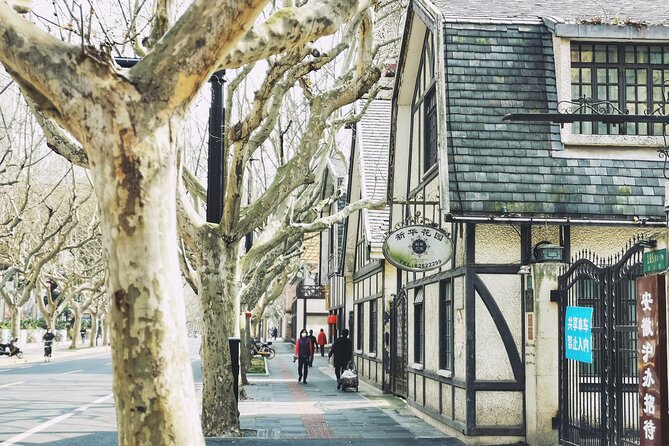
The French Concession is one of those places where the city’s layers don’t disappear—they sit next to each other. France administered the area from 1849 to 1943, and that long run left behind a street grid and building style that still feels different from other parts of Shanghai.
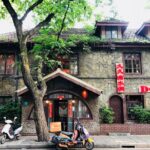
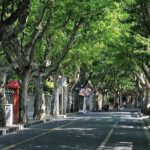
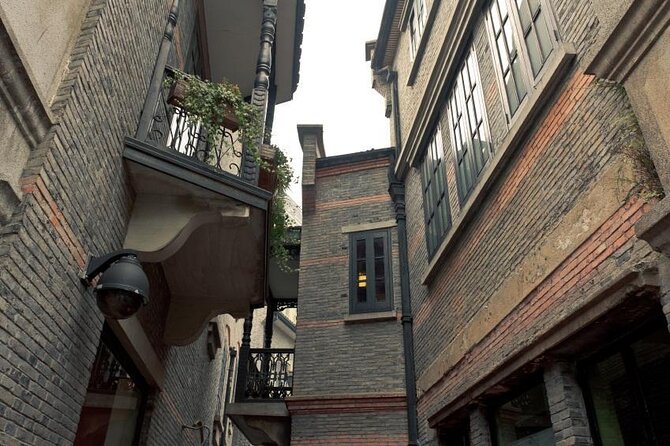
On this walk, you’ll notice how the streets shape your day. The tree-lined avenues give you a calmer pace, and the old fences and stair railings (those familiar wrought-iron looks) help you understand why people compare parts of the Concession to Paris. But it’s not just a style show. Bill frames what you see with the bigger story of how Shanghai evolved—how foreign presence, business, and international politics influenced local life, and how those footprints got reused over time.
This is also a good tour if you want context without drowning in dates. Instead, you get practical, place-based storytelling. You walk up to a site, you look, and you learn what changed there—then you move on.
You can also read our reviews of more tours and experiences in Shanghai.



Price and tips: why $3.59 doesn’t tell the whole story
The booking price is $3.59 per person, which mainly reserves your spot. The tour is explicitly tip-based, meaning you pay that small amount up front and then give the guide the amount you think is fair at the end.
The recommended tip is 150–300 yuan per person (about 20–40 USD/EUR), depending on how satisfied you feel. That range matters because it sets expectations. If you’re the type who likes to do the math, here’s the practical way to think about it: you should treat the tour as a low-cost guided walk where the real cost lands in the tip.
For value, I like the setup for two reasons. First, the guide is included, and you’re paying directly for a person who can explain what you’re looking at. Second, you’re not locked into a fixed, all-in price. If the tour clicks for you, you can reward it in a way that feels fair.
The main drawback is also the obvious one: if you don’t have cash on hand or you dislike tip systems, you may find it stressful at the end. I’d plan ahead—bring the tip in the right currency if possible.
Okura Garden Hotel Shanghai: starting at a landmark with a past
You begin at Okura Garden Hotel Shanghai, at 58 Mao Ming Nan Lu. This opening stop sets the tone. Hotels in Shanghai aren’t just places to sleep—they often act like city mirrors, showing changes in style, business, and international ties.
Even though admission isn’t required at this point, you’re not wasting time. Bill uses the setting to connect the French Concession era to later decades, and that helps you understand why the area became attractive to foreign institutions and clubs. You get a chance to orient yourself on the street layout early, so later sites feel like part of a single story rather than separate photo stops.
What to keep an eye on here: how the surroundings reflect an older Shanghai mood, with a more formal, landscaped feel compared with some newer districts. It’s a small beginning, but it makes the rest of the walk easier to follow.
Jinjiang Hotel: the older “modern” hotel angle
Next you head to the Jinjiang Hotel, which the tour frames as China’s oldest “modern” hotel. The site’s importance here isn’t just about the building itself—it’s also about what it represents in Shanghai’s international-facing identity.
Bill points you toward why a hotel can become a stage for big moments. One highlight in this stop is the reference to a Sino-US joint declaration on normalizing relations being announced here. You don’t need to know the background to appreciate the idea: this is the kind of place where diplomacy, business, and global attention can intersect with everyday city life.
There’s also a practical side. Hotels give you firm landmarks to locate yourself. When you’re walking in a large city, clear reference points reduce stress. So even if you don’t fall in love with every detail of the architecture, the stop still helps you keep your bearings.
Former French Racecourse area: seeing how control shapes space
Then you move to 文化广场 (Culture Square), discussed on the walk as a former French racecourse. This is where the tour’s storytelling becomes especially useful: it shows how a specific type of land use—sport and leisure—can signal power, culture, and who the space was designed for.
A racecourse is a big spatial statement. It usually means open grounds, planned routes, and a certain rhythm to the neighborhood around it. Bill uses that logic to help you read what you see now—because today the same ground may be repurposed, but you can often sense the original structure in how the area functions.
A small drawback here: if you’re expecting an obvious, untouched racecourse remain, you might not feel that. But that’s not the point. The point is how the city repurposed older European-style planning into new uses over time.





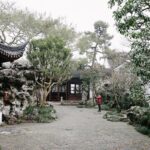
Huaihaifang lanehouse compounds: a look at local living
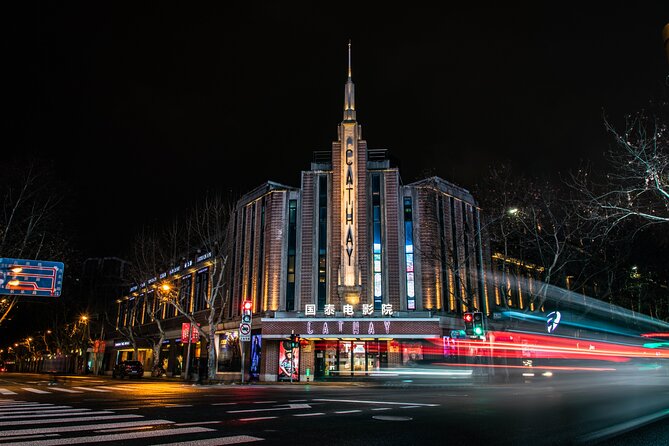
Stop four brings you to Huaihaifang, described as a local lanehouse compound. This is a shift in mood from the more international, institutional feel of the earlier stops. Lanehouses are part of what makes Shanghai unmistakably Shanghai: compact street networks, shared courtyards, and housing patterns built for dense urban life.
Here’s why I think this stop is valuable: it balances the story. Without something like this, a French Concession walk can turn into a purely architectural sightseeing loop. With Huaihaifang, you get a reminder that the city wasn’t built only for foreigners or elite clubs—it also housed everyday residents. Bill’s framing helps you connect the French Concession planning with real local daily life.
You’ll likely spend your time looking at the compound layout and imagining how life flowed through these tight lanes. Even if you only get a brief visit, it adds texture to the rest of the walk.
Sinan Mansions: Art Deco style meets modern cool
Next is Sinan Mansions, presented as an area that became a trendy residential block in a 51 Art Deco style complex. The tour highlights it as a kind of fashionable quarter, with renovated venues inside what used to be older residential forms.
This is where the walking tour turns slightly into a streetscape buffet. You get a mix of design details and modern uses—areas that feel like they belong in a fashion guide, but still rooted in older structures. Bill’s explanation helps you see that the “cool” factor didn’t just appear out of nowhere. It’s tied to how those buildings were remodeled and repurposed.
One thing to consider: if you’re purely history-first and less interested in modern shopping and café energy, you may feel this stop leans contemporary. But the compromise is worth it. It shows you how Shanghai treats old architecture—often by reusing it instead of replacing it.
Xintiandi finish: restored lane houses and an easy next step
Your walk ends in Xintiandi, at 123 Madang Road, near the South Huangpi Road Subway station. Xintiandi is known for being made from older lane house areas that fell into disrepair and were then rebuilt into a neighborhood of cafés, souvenir stores, and galleries.
I like the way this ending works. After 2.5 hours of walking and history, you want a place where you can stop without planning. Xintiandi gives you that. You can rest, browse, and grab food on your own schedule instead of being forced into one pre-selected finish moment.
Also, ending here helps you keep the day moving. If you’re heading somewhere else, you’re near transit. And if you want to linger, the neighborhood is designed for that.
The only caution: Xintiandi can feel more touristy than the earlier stops. If that bothers you, treat it like a comfortable landing zone, not the main event.
Walking comfort: timing, breaks, and what to bring
This is a straightforward walking tour with about 20 minutes per stop and an overall duration around 2 hours 30 minutes. The pace feels designed for actually seeing things, not sprinting through them. I also like that there are breaks to sit, which makes a big difference when you’re listening to stories in between street scenes.
Because it’s weather-dependent, plan for the reality of Shanghai outdoors. Good weather is specifically mentioned as important, and the tour may be offered another date or refunded if the weather is poor. Bring what you’d normally bring for a city walk: comfortable shoes, water, and sun protection if it’s bright.
The tour also runs near public transportation, so you’re not stuck if you want to adjust your day. And service animals are allowed, which is good to know if you need that.
Finally, the group size cap is high enough to accommodate many people but still limited: maximum 100 travelers. That usually means you’re not swallowed by a tiny crowd, but you should still expect a normal tour group feel.
Who should book this French Concession walk?
This tour fits best if you want a guided way to understand Shanghai’s mix of international influence and local life. If you’re on your first or second visit and you keep getting told to see the French Concession but don’t know what to look for, this is exactly the right type of help.
It’s also a good choice if you like architecture but don’t want to get stuck with a stack of guidebook photos. Bill’s storytelling connects the built environment to what happened there—French administration, modern hotel history, racecourse space, and lanehouse living.
If you’re traveling with someone who needs breaks and doesn’t want a marathon, this format is friendly. Short stop times plus rest moments help you keep energy for photos and questions.
If you hate tip-based services, you might find the ending awkward. But if you’re okay planning for a fair tip (150–300 yuan recommended), it’s a smart way to get real local context for a small booking cost.
Should you book Bill’s Shanghai French Concession Walking Tour?
I’d book it if your goal is to walk the French Concession with a real Shanghai insider who can explain what you’re seeing in plain language. The value is strong because the guide is included, the tour is well paced for a 2.5-hour outing, and you end in a neighborhood where you can keep enjoying the city right away.
I’d skip it only if you strongly dislike tip-based models or you’re not interested in a blend of history and street-level architecture. Also, if your schedule is extremely tight and you can’t handle weather changes, you’ll want a backup day in mind.
Overall, this is the kind of tour that helps you see Shanghai with a better question in your head: not just what things look like, but why they’re in this exact place.
FAQ
Is this tour tip-based?
Yes. The amount you pay at booking is to reserve the spots. At the end of the tour, each person gives the guide a tip amount they consider appropriate.
What’s the recommended tip amount for the guide?
The tour recommends 150–300 yuan per person, roughly 20–40 USD/EUR, depending on satisfaction with the tour.
What’s included in the price?
A professional English speaking guide is included.
How long is the walking tour?
The duration is about 2 hours 30 minutes (approximately).
Where does the tour start and where does it end?
It starts at Okura Garden Hotel Shanghai (58 Mao Ming Nan Lu, Huangpu District). It ends in Xintiandi at 123 Madang Road, near the South Huangpi Road Subway station.
Do I need a printed ticket?
No. You use a mobile ticket.
Will I be able to participate if I’m not a fitness athlete?
Most travelers can participate.
How large is the group?
The tour has a maximum of 100 travelers.
What if the weather is bad or I need to cancel?
Free cancellation is allowed up to 24 hours in advance for a full refund. If the experience is canceled due to poor weather, you’ll be offered a different date or a full refund.