REVIEW · CHENGDU
Chengdu: Liyuan Theater Sichuan Opera Face-Changing Show
Book on GetYourGuide →Operated by PANDA144 experience · Bookable on GetYourGuide
Face-changing magic happens right before you. At Chengdu’s Liyuan Theater, you settle into a classic tea-house vibe and watch Sichuan opera pull off mask changes, fire breath, and other folk arts in one tight show.
What I love most is how face-changing feels both theatrical and weirdly precise, like the rules are there but you can’t spot them. I also like the inclusion of kung-fu tea, plus shadow hand arts and spinning top, so the evening moves beyond one famous trick.
One possible downside: seating isn’t assigned. You pick your spot based on arrival time, so arriving late can mean a less-than-perfect view.
In This Review
- Key things I’d plan around before you go
- Chengdu’s Liyuan Theater: a tea-house show that feels local
- What the show includes: face-changing, fire-breathing, and the supporting acts
- Why the face-changing feels different in this theater setting
- Fire-breathing: the big moment that also tests your patience
- The tea-house vibe: kung-fu tea and optional add-ons
- Timing and choosing seats when there are no assigned sections
- Tickets, QR rules, and the passport requirement you need to take seriously
- Price and value: what $19 gets you (and where you might save)
- What to bring, what to avoid, and how to prepare
- Who this show suits best (and who might want a different plan)
- Should you book this Chengdu face-changing show?
- FAQ
- What is the duration of the Chengdu Liyuan Theater Sichuan opera show?
- Where is the show located?
- How much does it cost?
- What showtimes are available?
- How does seating work if there are no assigned seats?
- Do I need to arrive early?
- Is the Get Your Guide QR code valid for entry?
- What information do I need to provide for booking?
- What is included in the ticket price?
Key things I’d plan around before you go
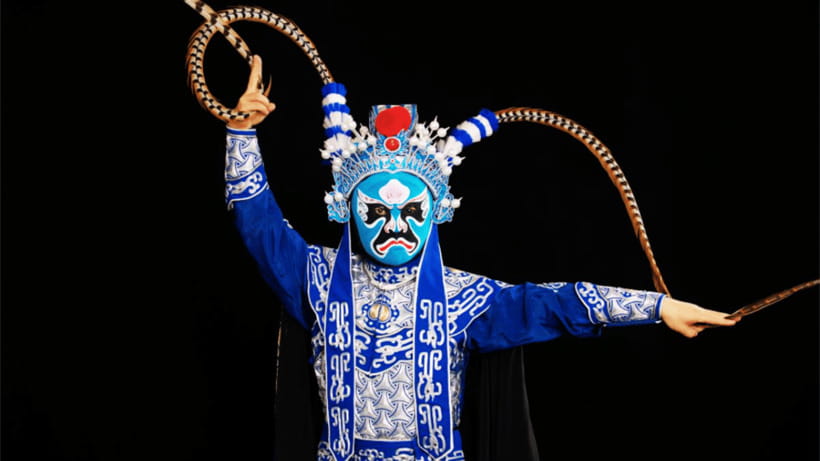
- Face-changing + fire-breathing are delivered in the same show set, about 70 minutes long
- Tea-house atmosphere is part of the experience, not just a waiting room
- Seat selection is first-come, so your arrival timing matters
- Multiple folk arts show up: puppet-style moments, kung-fu tea, shadow hand arts, and spinning top
- Booking needs passport details, since your QR won’t work for entry
Chengdu’s Liyuan Theater: a tea-house show that feels local
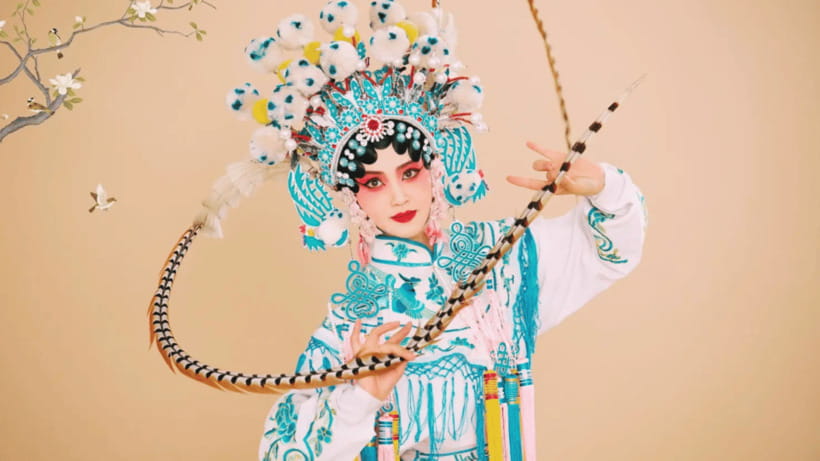
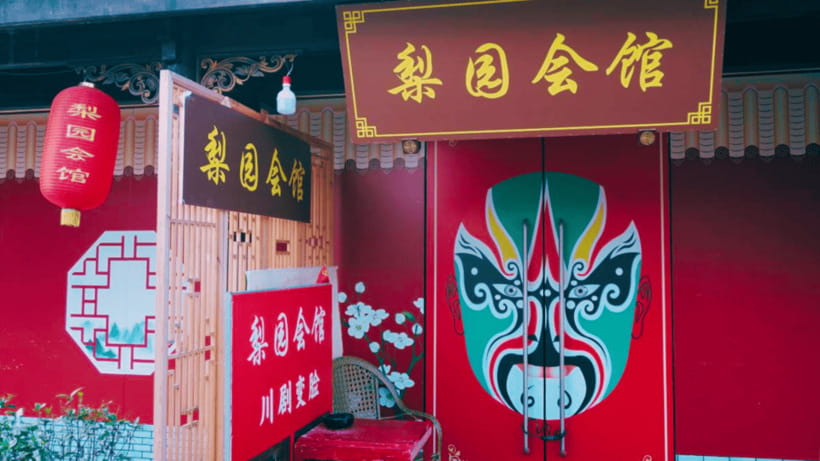
If you want Chengdu culture without turning it into a theme park, Liyuan Theater is a smart bet. This is the kind of venue where the main event is Sichuan opera, and the “waiting” part—drinks, snacks, and the room’s rhythm—belongs to the same world as the performance.
You’ll be watching in an intimate tea-house environment, which changes how you experience the show. When the performers are close, the little reactions matter: the shift in posture before a mask change, the timing before fire work, and the way the room leans forward for the quiet, skill-heavy bits. That makes the show feel less like a distant spectacle and more like a shared performance.
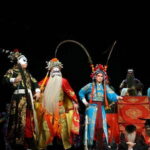
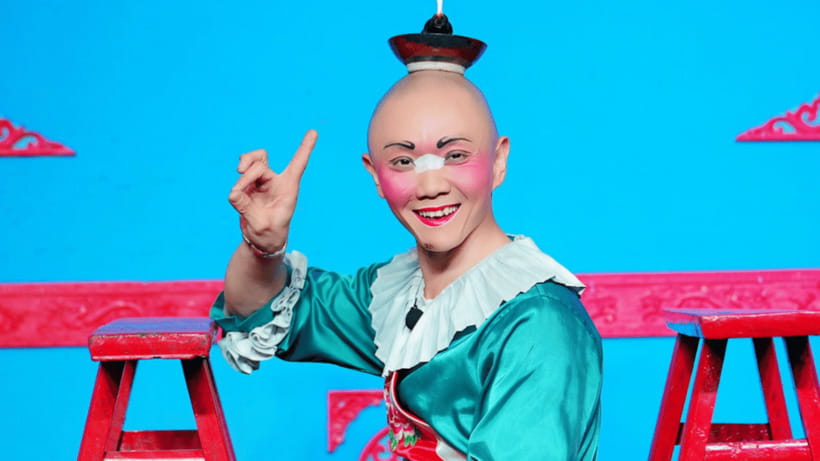
Liyuan Theater is also known specifically for face-changing acts and fire-breathing. Those two are the headline, but you’re not just buying tickets to see one stunt. The performance set includes other heritage-style segments too, including puppet show elements, kung-fu tea, shadow hand arts, and spinning top. In other words: you’re getting a full afternoon/evening of Sichuan performance craft rather than a single “look, done” moment.
You can also read our reviews of more tours and experiences in Chengdu.

What the show includes: face-changing, fire-breathing, and the supporting acts
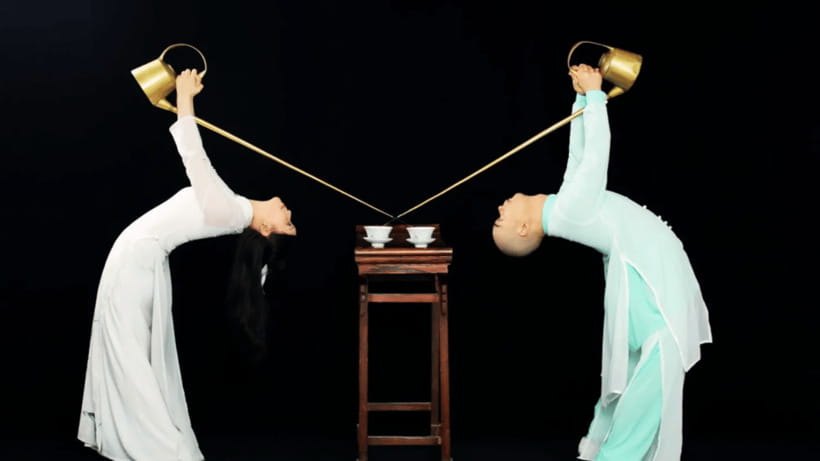
The performance runs around 70 minutes, and that length is a sweet spot. It’s long enough to feel complete, but short enough that you won’t be “performanced-out” before the best moments arrive.
Here’s what you can expect to see during the show set:
- Sichuan opera segments, built around traditional performance style
- Face-changing, the signature technique the theater is famous for
- Fire-breathing, another highlight that brings a big stage moment
- Folk arts beyond the opera centerpiece, including puppet show style moments
- Kung-fu tea, where the tea ritual becomes a performance skill
- Shadow hand arts, which focus on hand control and timing
- Spinning top, adding variety in pacing and visuals
So what does this mean for you in real life? It means you’ll have multiple reasons to pay attention even if face-changing and fire-breathing steal the headlines. The show rhythm matters. After the big visual moments, you get sections that reward watching carefully—especially the hand-based arts and the tea ritual.
Also, if you’re traveling with family, the variety helps. A show that only has one trick can feel repetitive for kids. Here, the “scene changes” come in different formats—opera performance, tea ritual, shadow work, and toy-like spinning—so the energy stays moving.
Why the face-changing feels different in this theater setting
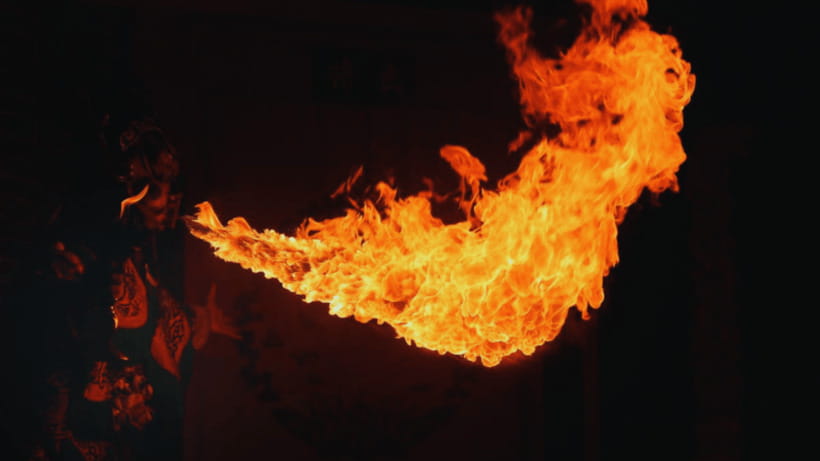
Face-changing is a famous phrase for a reason, but it’s also easy to misunderstand what you’re actually seeing. You’re not watching a slow “magic lesson.” You’re watching performance timing—rapid transitions that feel impossible until you focus on the overall staging rather than chasing a single moment.
In a small theater, the effect hits harder. You’re closer to the performers, and the face transitions happen under the conditions of live stage lighting, costume movement, and the performers’ pacing. That makes it feel less like a recording and more like an in-person skill event.
And here’s a practical tip: don’t just stare at one spot. When the show starts building momentum, keep your eyes on the performers’ whole movement—shoulders, hands, and stance shifts. Even if you can’t “solve” it, you’ll understand how the performance is structured.
Fire-breathing: the big moment that also tests your patience
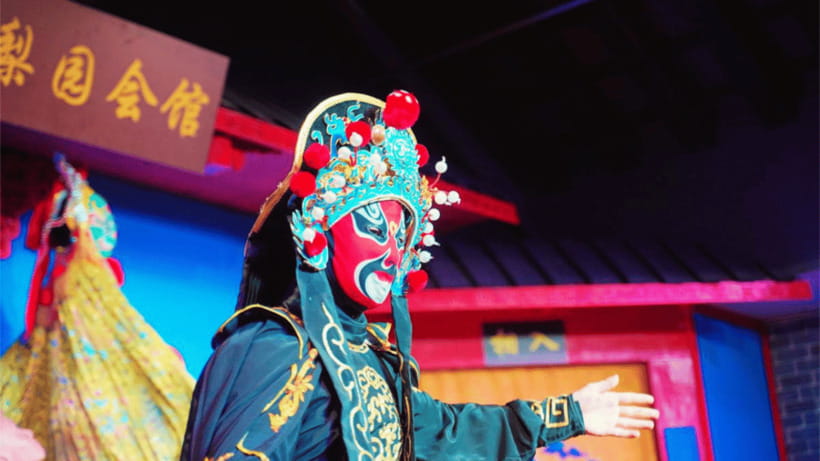
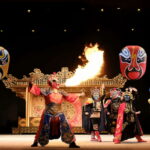
Fire-breathing tends to be the moment people talk about afterward. It’s dramatic, it’s immediate, and it changes the room temperature in a good way. The catch is that fire work is best when you’re ready for it, not when you’re fumbling for your camera or snacks.
Plan ahead:
- If you want photos, have your camera ready before the show builds to that peak
- Avoid waiting until you hear the commotion—move earlier, then settle
- If you’re sensitive to loud or high-energy moments, be mentally prepared for a sudden spike
You’ll get the best experience if you treat fire-breathing like the show’s “climax,” and the earlier acts like setup. If you rush the first part, you might miss how the performance leads into the big moment.
The tea-house vibe: kung-fu tea and optional add-ons
One reason this show is more than a “ticket to see tricks” is the tea-house atmosphere. You’re not just sitting in a theater. You’re in a space designed for tea time, with an expectation that you’ll enjoy the room while the performance happens.
The show itself includes kung-fu tea as a featured performance segment. That matters because it gives you a different kind of entertainment: controlled movements, rhythm, and the theatrical side of a daily-life ritual.
On top of that, there are extra options you can purchase—snacks and something called cover-bowl tea (listed as an additional fee). This is the type of add-on that can make the evening feel slower and more social, especially if you arrive a little early and want to settle in before the show starts.
A balanced approach: if you’re budget-minded, focus on the show first and only buy snacks if you truly need them. The core value is the performance set.



Timing and choosing seats when there are no assigned sections
Here’s the reality: seating is not assigned. You pick your seats based on arrival time, so if you care about view angle—especially if you’re short or sitting with kids—your arrival plan matters.
Show start times are available at:
10:30, 11:00, 14:00, 16:00, 16:30, 17:30, 19:30
The instruction is to arrive 40 minutes early (or 30 minutes early on holidays) to redeem your ticket. That time buffer is there for a reason: you’ll need to handle ticket redemption and then choose your seat before the room fills.
My practical advice: aim for the earlier end of the arrival window if you want a smoother experience. If you show up late, you can still get in, but you may end up farther back or with a less ideal line of sight during fast, high-action moments.
Tickets, QR rules, and the passport requirement you need to take seriously
This activity has a specific booking process. The Get Your Guide QR is not valid, so don’t plan on scanning a QR at the venue. Instead, you’ll need to follow the provider’s instructions through WhatsApp or email ([email protected]), or wait for their email with next steps.
Most importantly: to complete the booking, you’ll be asked for your full name exactly as it appears on your passport and your passport number. If that info isn’t received on time, the booking can be canceled and a cancellation fee may apply.
So, how do you make this painless?
- Copy your passport name carefully (including spacing and spelling)
- Double-check the passport number before you send it
- Keep a photo of your passport info handy so you can reference it fast
This is one of those “small admin steps” that can ruin your evening if you ignore it. It’s also easy to handle if you treat it like part of your travel prep, not an afterthought.
Price and value: what $19 gets you (and where you might save)
At $19 per person, this show is positioned as a reasonable way to experience a signature Sichuan performance in Chengdu. You’re paying for admission to the Sichuan opera show, plus the benefit of skipping the ticket line.
That skip can matter more than you think. In places that get busy around major showtimes, “saved time” can be worth money—especially if you’re juggling other plans that day.
Now for the fair, balanced part. One booking experience shared that front-row seating could be bought separately and paid around €10 if you arrive early at the theater. They also questioned whether some paid options for front seats elsewhere were worth it compared with buying locally.
What I’d take from that: if you’re cost-sensitive, you have to understand what your ticket includes. The packaged price you see online likely handles your entry and convenience, but if you’re chasing the best views at the lowest cost, you may want to compare options once you’re in Chengdu and know exactly how seating is being handled.
Because seating isn’t assigned, front-of-room demand is real. If you care about that, prioritize early arrival and be clear about what you’re paying for.
What to bring, what to avoid, and how to prepare
You’ll want to keep your packing simple for this type of evening. The basics listed:
- Bring your passport
- Bring a camera
Pets aren’t allowed.
Beyond that, my advice is about planning your comfort:
- Wear shoes you can stand/walk in for the redemption period
- If you’re bringing a camera, set it up before the big moments
- Keep your bag organized so you’re not rummaging mid-show
There’s nothing worse than missing the fire or face-changing because you were sorting cables or hunting for batteries.
Who this show suits best (and who might want a different plan)
This is a strong fit if you want:
- A classic Sichuan opera experience tied to Chengdu’s cultural identity
- The “two biggest hits” in one sitting: face-changing and fire-breathing
- A family-friendly show with enough variety to hold attention
- A tea-house atmosphere that feels more local than glossy
It’s also a good choice if you like performances that mix big spectacle with skilled, smaller-format arts like shadow hand work and kung-fu tea.
Where it might not be ideal:
- If you hate the idea of seat selection based on arrival time
- If you need a very structured, assigned-seat experience
- If you’re very sensitive to sudden high-energy moments (fire work)
Should you book this Chengdu face-changing show?
Book it if you want one affordable, well-known Chengdu performance where the signature acts are actually part of a broader show. The combination of face-changing, fire-breathing, and multiple heritage segments makes the 70 minutes feel full, not padded.
Skip it only if you know you’ll stress about seating or you’re uncomfortable with the booking admin (passport name and number) required because the QR won’t work.
If you do book: send your passport details on time, arrive early to choose a decent seat, and plan to watch the whole performance rather than only waiting for the fire and masks. That’s how you get the most out of Liyuan Theater.
FAQ
What is the duration of the Chengdu Liyuan Theater Sichuan opera show?
The show lasts about 70 minutes.
Where is the show located?
It takes place in Chengdu at Liyuan Theater.
How much does it cost?
The price listed is $19 per person.
What showtimes are available?
Available slots are 10:30, 11:00, 14:00, 16:00, 16:30, 17:30, and 19:30.
How does seating work if there are no assigned seats?
Seats are selected upon arrival, based on your arrival time.
Do I need to arrive early?
Yes. You should arrive 40 minutes early to redeem your ticket (30 minutes early on holidays).
Is the Get Your Guide QR code valid for entry?
No. The QR is not valid, so you’ll need to follow the provider’s instructions via WhatsApp or email, or wait for their email.
What information do I need to provide for booking?
Send your full name as it appears on your passport and your passport number to complete the booking.
What is included in the ticket price?
Admission to the Sichuan opera performance is included. Snacks and cover-bowl tea are available for purchase, and they are not included.