REVIEW · XIAN
Terracotta Warriors Museum Ticket with Professional English-speaking tour guide
Book on Viator →Operated by China Tour Search · Bookable on Viator
Skip the line, get the stories fast. I love the skip-the-line entry, because the museum is packed and every minute matters. I also like that an English-speaking professional guide explains what you’re looking at as you move between the pits and the main mausoleum area—so it feels like more than standing in front of sculptures.
One consideration: the site can be very crowded, and timing can feel tight if you’re a slow walker or you want long photo breaks. Also, a few guides have been reported as a bit too interested in shop stops, so if you prefer a clean visit, set that tone early.
In This Review
- Key things to know before you go
- Why this Terracotta Warriors tour is worth your time in Xi’an
- What you’ll see: Pit 1, Pit 2, Pit 3, plus the mausoleum area
- Pit 1: the headliner with the crowd magnet energy
- Pit 2 and Pit 3: different units, different meaning
- The mausoleum site: seeing the broader tomb context
- The Bronze Chariots exhibition: a smart change of pace
- A 2–3 hour plan you can actually live with
- Skip-the-line value: not just faster, but less stressful
- Meeting point and getting there (no hotel pickup, but it’s straightforward)
- Guides, English, and the difference between a tour and a sales pitch
- Crowds: how to have fun instead of fighting the flow
- Value for money: what you’re really paying for at $45.87 per person
- What to do before your tour starts (so you don’t lose time)
- Who should book this tour (and who might not need it)
- Should you book this Terracotta Warriors Museum English tour?
- FAQ
- What is included in the Terracotta Warriors Museum ticket tour?
- Does the tour include the Bronze Chariots exhibition?
- How long should I plan for this tour?
- Is lunch included?
- Is air-conditioned transportation included?
- Will I be able to skip the entrance lines?
- Where do we meet for the tour?
- Do I get a group discount?
- What happens if weather is poor?
- Is free cancellation available?
Key things to know before you go
- Skip-the-line entrance helps you start seeing sooner, not later.
- Pit 1, 2, and 3 access means you see more than just the most famous scene.
- Mausoleum site + tomb context gives you the why, not only the what.
- Exhibition of Bronze Chariots adds a metal-art contrast to the terracotta figures.
- 2–3 hours is the real target—plan your pace around that.
- Guides vary by style, but many have strong English and patient explanations (people name guides like Chelsea, Aurora, Freya, Cynthia, and Peter).
Why this Terracotta Warriors tour is worth your time in Xi’an
The Terracotta Warriors Museum in Xi’an is the kind of place that can swallow a half-day fast—queues, crowds, long lines inside, and a lot of “wait while you read.” This tour’s main value is simple: it helps you get inside and get oriented with an English-speaking guide who understands how the pits fit together.
What I like most for you: you’re not just collecting photos. You’re learning the purpose of the site, and how the soldiers and horses were arranged to communicate power, order, and the Qin dynasty’s ambition. That context changes the experience.
Another practical win: guides help you move efficiently through the museum maze. In a place where most visitors arrive at the same time, knowing where to stand and when to shift makes a difference.
You can also read our reviews of more tours and experiences in Xian.
- Mini Group Xian Day Tour to Terracotta Army, City Wall, Pagoda and Muslim Bazaar
★ 5.0 · 1,320 reviews


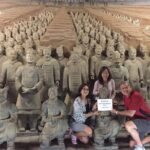
What you’ll see: Pit 1, Pit 2, Pit 3, plus the mausoleum area
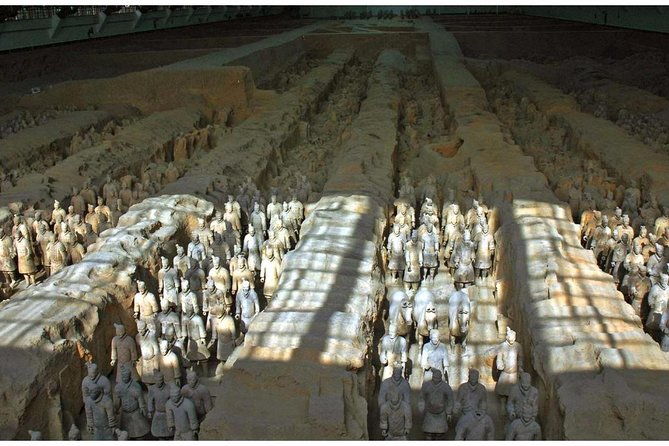
You’ll visit several key areas tied to Emperor Qin Shihuang’s tomb complex. The big idea is that the Warriors aren’t one single display. They’re multiple pits with different roles, layouts, and levels of excavation.
Pit 1: the headliner with the crowd magnet energy
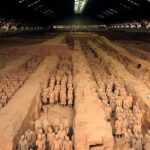
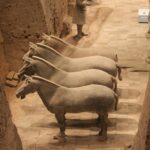
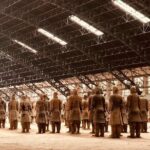
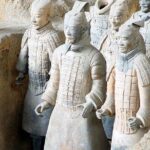
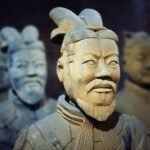
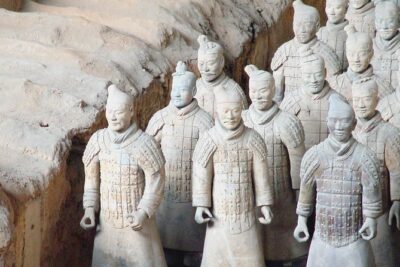
Pit 1 is the one most people picture: long rows of life-size terracotta soldiers and horses, arranged like a battlefield tableau. When you stand there, it’s hard not to feel the scale. The figures are not generic. Many have distinct facial features and expressions, which is part of what makes the place feel human instead of mass-produced.
This is also where your guide’s storytelling matters. The tour focuses on the tombs and the Imperial China background—so you connect the artwork to the political story. You’ll learn that construction of the mausoleum began when Ying Zheng (Qin Shihuang) was just 13, and that the full build took an enormous workforce—about 720,000 men over 38 years. That kind of detail reframes what you’re seeing.
Drawback to plan for: Pit 1 tends to be the busiest. If you’re hoping for quiet moments or extra photo time, be ready for crowd flow and shoulder-to-shoulder browsing.
Pit 2 and Pit 3: different units, different meaning
Pit 2 and Pit 3 are where the visit stops being repetitive. Different pits help you understand that this wasn’t a single “army scene.” It was a carefully organized system meant to represent military structure and strategy.
I like that the tour doesn’t treat the pits as one checkmark. You get guided movement across multiple pits, so each stop has a point. Even if you’re not a “history person,” you’ll notice that your guide is helping you read the arrangement—what each pit is showing you about the Qin military worldview.
The mausoleum site: seeing the broader tomb context
Beyond the pits themselves, you’ll also visit the mausoleum area as part of the experience. This is important because the pits can feel like standalone “cool artifacts.” The mausoleum context ties them to the larger purpose of the tomb complex: a monumental project meant to project authority after death.


The Bronze Chariots exhibition: a smart change of pace
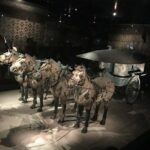
The tour includes the Exhibition of Bronze Chariots, which adds a different material and a different kind of craftsmanship. After spending time with thousands of terracotta figures, seeing bronzes helps you reset your eyes and appreciation.
This stop tends to land well for people who like variety—because it’s not another long hall of similar shapes. It’s a reminder that the Qin mausoleum wasn’t only about statues. It was about engineering, design, and the idea of a working, ordered military presence in the afterlife.
A 2–3 hour plan you can actually live with
This tour is designed around a realistic visit window: about 2–3 hours. That’s long enough to see multiple pits and still get explanations. It’s also short enough that you can keep the rest of your Xi’an day flexible.
Why this matters: if you go on your own, you can spend extra time figuring out routes and what to look for. With a guide, you get the “what this means” info while you walk, so you lose less time to decision-making.
What could feel tight: if you want to linger at every photo angle or you’re traveling during a major holiday when the museum is packed, you’ll have to manage your pace. The upside is that good guides know how to thread the flow without you spending half the tour stuck behind a crowd.
Skip-the-line value: not just faster, but less stressful
“Skip the line” can mean different things in different places. Here, the key benefit is that you’re not spending your morning or afternoon stuck at the entrance while tour groups and independent visitors crowd the same bottleneck.
In practice, this matters because Terracotta Warriors is famous for a reason: people show up in waves. When you arrive when it’s busy, the experience can become about survival—moving, waiting, moving again.
With a guide, you also get help navigating inside. Some guides have even used small audio headsets for clearer hearing in noisy, crowded areas. If you’re hard of hearing or just don’t want to strain, that’s a plus to look for.
Meeting point and getting there (no hotel pickup, but it’s straightforward)
One practical detail that pops up in experiences: the tour usually meets you at the museum ticket office area, and it can be easy to reach on your own. Some people note that you walk in with the guide after meeting at the entrance.
Also, this experience does not include an air-conditioned vehicle. So think of it as a guide + ticket + access experience, not a private car tour. Bring what you need for walking and sun, especially in warmer months.
If you’re traveling with limited time, this is a good fit. You don’t need a hotel pickup schedule. You just need to show up at the right place.
Guides, English, and the difference between a tour and a sales pitch
The biggest reason people give high scores is the guide. Names that come up in strong feedback include Chelsea, Aurora, Freya, Cynthia, Alice, Jimmy, Peter, and Nancy—and the common thread is clear English, patience with questions, and practical help inside the pits.
That said, a few comments mention some guides pushing museum purchases more than they should. I can’t promise every guide will have the same style, but you can protect your experience:
- If shops come up, be clear early that you want to focus on the site.
- Stick to your time goals. If you’re aiming for photos or a slower pace, say so.
- Ask questions in the pits. A good guide will steer you back to what you’re there to see.
A guide should help you understand the Warriors, not steer you away from them.
Crowds: how to have fun instead of fighting the flow
The Terracotta Warriors Museum is popular—so expect lots of people, especially during holiday periods. The upside is that a professional guide can help you move through congestion and keep your visit on track.
If you’re able to pick your dates, off-season is easier on your eyes and your patience. If you’re locked into busy dates, your best strategy is to accept that crowds are part of the deal and focus on what you can control: timing, photo planning, and pacing.
One practical tip: if Pit 1 is your priority, don’t expect it to be quiet. If you want breathing room, you might find it helps to start at another pit first, then circle back to Pit 1 when the crowd wave shifts. Your guide can often help with an efficient route.
Value for money: what you’re really paying for at $45.87 per person
At $45.87 per person, you’re paying for more than the ticket. Your price includes the entrance ticket and access to the main pit areas (Pit 1, 2, 3), plus the mausoleum-site visit and the Bronze Chariots exhibition, along with a professional English-speaking guide.
Here’s how I think about the value for you:
- If you were going to buy an entrance ticket and then hire English help inside anyway, bundling it is usually smarter.
- The skip-the-line benefit reduces wasted time during peak crowds.
- The guide turns the visit from sightseeing into understanding—especially if this is your one big Xi’an stop.
The main “cost” is mental: you should be ready to move at tour pace. But if you want the site done well in 2–3 hours, that’s not a downside—it’s part of the product.
What to do before your tour starts (so you don’t lose time)
You’ll want to plan for a simple, efficient visit day. Here’s what matters based on how the experience is described:
- Arrive ready to walk. The tour doesn’t include transport, and it’s focused on museum time.
- Use the guide contact process if provided. Some people report they could reach their guide ahead of time via WeChat, which can reduce confusion when you’re meeting in a busy place.
- Mentally budget your energy. Terracotta Warriors is big, and you’ll spend time staring upward and around large pits.
If you bring your curiosity, the guide’s explanations will do the heavy lifting.
Who should book this tour (and who might not need it)
This tour is a strong fit for you if:
- You want English explanations and a clear route through multiple pits.
- You care about the story of Qin Shihuang and what the tomb complex represents.
- You’re short on time and want a structured 2–3 hour experience.
- You prefer not to haggle for information at the ticket office or get stuck translating on your own.
You might choose differently if:
- You want a long, unstructured museum day.
- You prefer completely independent travel with no guided commentary.
- You’re very sensitive to any shopping-style pressure—though you can manage this by setting expectations early.
Should you book this Terracotta Warriors Museum English tour?
I’d book it if your goal is the highest return on time. The combination of skip-the-line entry, access to multiple pits, and an English-speaking guide is exactly what makes the Terracotta Warriors Museum work for first-time visitors. You’ll leave with more than memories—you’ll have a mental map of what you saw and why it mattered.
If you’re traveling during a packed period, this is also a comfort purchase. Crowds are real here. A guide helps you keep the visit moving without turning it into a queue simulator. Just go in with one plan for photo time and one plan for shop stops, and you’ll keep the experience focused on the Warriors.
FAQ
What is included in the Terracotta Warriors Museum ticket tour?
It includes the entrance ticket to Emperor Qin Shihuang’s Terracotta Warriors Museum, access to the First Emperor’s Terracotta Army Exhibition Areas (Pit 1, 2, and 3), and a professional English-speaking tour guide.
Does the tour include the Bronze Chariots exhibition?
Yes. The tour includes access to the Exhibition of Bronze Chariots.
How long should I plan for this tour?
Plan on about 2 to 3 hours.
Is lunch included?
No. Lunch is not included.
Is air-conditioned transportation included?
No. Air-conditioned vehicle transport is not included.
Will I be able to skip the entrance lines?
Yes. The experience is described as guaranteed to skip the lines.
Where do we meet for the tour?
You meet at the museum ticket office area, and guides may help you enter with the group after meeting.
Do I get a group discount?
Group discounts are mentioned as a feature of this experience.
What happens if weather is poor?
This experience requires good weather. If it’s canceled due to poor weather, you’ll be offered a different date or a full refund.
Is free cancellation available?
Yes. Free cancellation is available up to 24 hours in advance for a full refund.

More Tour Reviews in Xian
- Mini Group Xian Day Tour to Terracotta Army, City Wall, Pagoda and Muslim Bazaar
★ 5.0 · 1,320 reviews