REVIEW · BEIJING
2-Day Private Tour of Incredible Beijing Highlights
Book on Viator →Operated by Sunflower Tours China · Bookable on Viator
Six Beijing icons in two days is a smart shortcut. I like how this is run like a private guide + tickets package, so you spend less time figuring out logistics and more time looking around. I also love the Mutianyu Great Wall cable car setup, which makes a long trip feel manageable. One catch: the Forbidden City tickets depend on timing, so you’ll want to plan ahead to avoid missing that part.
What makes the days feel easy is the handoff style: meet you, move you, and time the big stops so you can actually enjoy them. Pickup is offered, and you’ll get a mobile ticket that helps reduce last-minute fuss. It’s also paced for a moderate fitness level, not a marathon of nonstop stairs.
This tour is a strong fit if you want the Beijing “greatest hits” without the stress of juggling separate tickets, drivers, and directions. It’s private (just your group), so questions land fast and you can adjust pace when crowds get annoying.
In This Review
- Key highlights worth planning around
- Why this two-day Beijing plan is easier than DIY
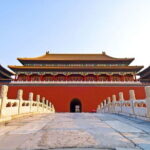
- Day 1: Tiananmen Square, Forbidden City, and the right emperor-stops
- A practical timing note for Forbidden City tickets
- Forbidden City without the wandering trap
- Houhai and Yandai Xiejie: a real break from the crowds
- Temple of Heaven: a calmer finish to a huge day
- Day 2: Mutianyu Great Wall with real ticket-and-transport help
- Summer Palace: the imperial garden route that actually fits
- Guide quality: the real value of a private tour
- Price and what you’re really paying for ($458 per person)
- Who this tour fits best (and who should rethink)
- Should you book this 2-day Beijing highlights tour?
- FAQ
- How far in advance should I book to get Forbidden City tickets?
- Is this tour private?
- Does the price include entrance fees and the Great Wall cable car?
- Is lunch included?
- Will there be pickup from my hotel?
- What taxi costs are covered during Day 1?
Key highlights worth planning around
- Private guide that turns monuments into stories with helpful context at each stop
- Mutianyu Great Wall with roundtrip cable car to cut down on effort and time
- Forbidden City key buildings you’ll actually notice (Hall of Great Harmony, Heavenly Purity, and more)
- Hutong-era flavor around Houhai and Yandai Xiejie for a break from “big ticket” sites
- Summer Palace classics in a tight route (Long Corridor, Opera house area, and Stone Boat)
Why this two-day Beijing plan is easier than DIY
Beijing is one of those cities where the sights are famous for a reason—and where crowds and logistics can take over if you’re not careful. This kind of private, ticket-included schedule is valuable because it reduces decision fatigue. You don’t have to guess routes, worry about where to stand for entry, or scramble for a car for the Great Wall day.
I also appreciate the balance between “official” history and street-level life. Day 1 hits the ceremonial power center, then you switch gears to Houhai and an old commercial lane like Yandai Xiejie. That mix helps Beijing feel like a real place instead of just a museum crawl.
You’re also saving time by grouping the right sites into a tight geography. On Day 2, Mutianyu Great Wall and the Summer Palace are both major draws, but they’re handled in a way that prevents your schedule from collapsing when transit takes longer than expected.
You can also read our reviews of more tours and experiences in Beijing.
Day 1: Tiananmen Square, Forbidden City, and the right emperor-stops
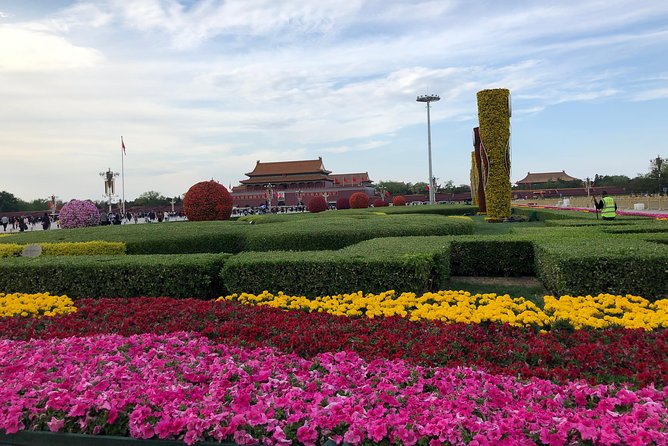
Day 1 starts at Tiananmen Square, a place that’s so big it’s hard to picture until you’re there. The stop is short, but it sets the tone: this is the city’s ceremonial front yard, the backdrop for modern China and imperial memory alike. You get enough time to orient yourself before diving into the Palace Museum.
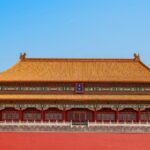
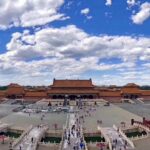
Then comes the Forbidden City, and this is where the guide’s choices matter. Instead of trying to cover everything, you focus on the high-importance buildings most visitors miss when they wander without a plan. The ticketed time gives you room to slow down inside, not rush through the same rooms in a blur.
Here are the main Forbidden City stops you’ll actually feel while you’re there:
- Hall of Great Harmony (Taihe Dian): This is the biggest political hall. The throne area and the scale of the wooden architecture are the point, and you’ll get context on why the space mattered.
- Palace of Heavenly Purity: Used by emperors and tied to ceremonies and personal life across different periods. It’s a great contrast to the grand public hall.
- Imperial Garden area: You’ll see the idea of palace leisure and scenery, not only power and rules.
- Imperial restaurant lunch option: Lunch inside the complex can be convenient and helps keep the afternoon from turning into a search mission.
If you’re the kind of traveler who wants the Forbidden City to mean something (instead of just looking at buildings), this structure helps. You see the major “reads” of the palace in a logical sequence, then the day shifts toward older neighborhoods.
A practical timing note for Forbidden City tickets
There’s one scheduling detail you should take seriously. Forbidden City tickets require booking at least 8 days ahead, otherwise access may not be available in the same way. If you’re traveling on short notice, plan carefully—or ask the operator what’s possible for your dates—so you don’t end up with an empty slot on the most important Day 1 stop.
Forbidden City without the wandering trap
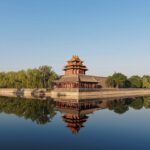
The Forbidden City can wreck your plan if you don’t have a route. It’s huge, and it’s easy to lose half a day chasing the wrong buildings. I like this approach because it narrows the experience down to the spaces that connect best: political ceremony, private imperial life, and the palace garden rhythm.
Also, being on a private schedule means you’re not stuck behind the slowest pace or the fastest pace. If you want photos, you can take a breath at the right moment. If you want to ask questions, you can—especially with guides known for being energetic and organized.
In past experiences with this company, guides such as Maggie and Aaron show up in reviews, and the common thread is practical help and clear explanations. People also mention Sunflower, along with team members Lei and David, which fits the feeling you want: you’re not just “walked through” the sites. You’re guided to understand why the spaces were built the way they were.
Houhai and Yandai Xiejie: a real break from the crowds
After the big imperial sites, Day 1 gives you a breather with the Back Lakes (Hou Hai) area. This is one of the more relaxing transitions in Beijing: water views, walkable streets, and a chance to feel the city’s everyday layers.
You’ll also stroll along Yandai Xie Street, a traditional-style street lined with old stone buildings and small shops for souvenirs and crafts. It’s not just shopping; it’s a window into how commerce has lived here for a long time.
One of the coolest parts of this segment is the context you get for the Hutong. The tour frames the Hutong tradition as dating back centuries, tied to neighborhood life through multiple eras. Even if you only sample a small portion, it helps you notice the differences between “tourist street” and the older street structure locals have used for generations.
If you’re hoping for authentic Beijing texture in just a couple hours, this block does a good job without pretending you’ll see the entire city in a single walk.
Temple of Heaven: a calmer finish to a huge day
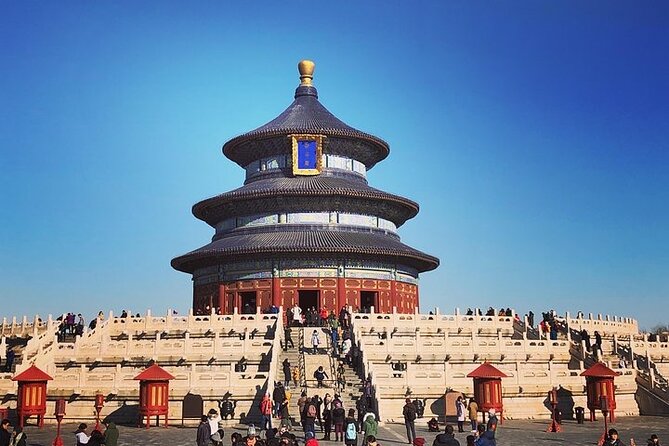
The day ends with the Temple of Heaven, which is a great choice because it’s visually different from the palace grounds. Instead of dense palace halls, you get the feeling of an open ceremonial space shaped for rituals and astronomy-style symbolism.
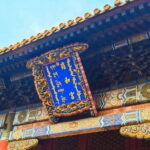
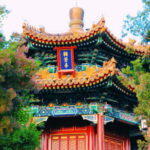
You’ll visit the Hall of Prayer for Good Harvest and the Imperial Vault of Heaven area. Blue architectural details stand out, and the guide context helps you connect the buildings to the idea of seasonal prayers and imperial duty. You’ll get about an hour here, which is enough time to enjoy the design and not feel like you’re speed-running.
Temple of Heaven also works psychologically as a reset. After Tiananmen and the Forbidden City, it’s easier to see Beijing as more than political power—it becomes ritual, belief, and the way rulers claimed order in the natural world.
Day 2: Mutianyu Great Wall with real ticket-and-transport help
Day 2 focuses on the Great Wall and the Summer Palace. Most people try to do both by themselves and end up losing time to transport and ticket confusion. This route keeps your day simple: you meet your guide, then you’re transferred by car to Mutianyu.
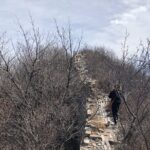
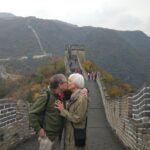
Mutianyu is considered one of the better-preserved sections, and it’s often selected because it feels less like a chaotic obstacle course. The key bonus here is that the package includes entrance fees and a roundtrip cable car, which can cut down the physical grind and help you keep your energy for the walk portions you’ll enjoy most.
You’ll spend around two hours on the Great Wall area, which is the sweet spot for first-timers. It’s long enough to appreciate the views and wall texture, yet short enough that the day doesn’t collapse if the weather turns or crowds feel heavy.
A private guide also helps you read the wall—what you’re seeing, what the structure was designed to do, and why this section is so often recommended.
Summer Palace: the imperial garden route that actually fits
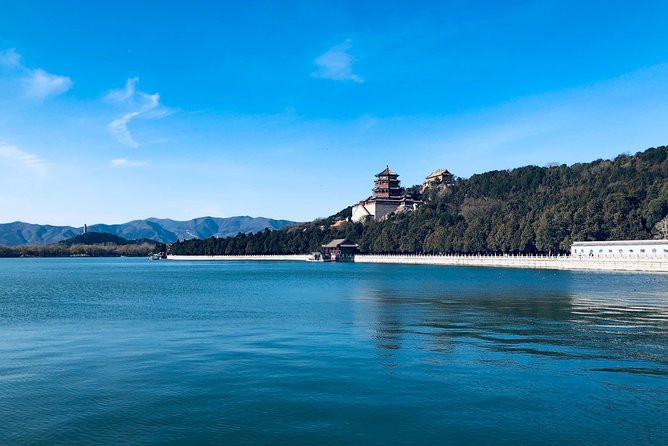
After Mutianyu, you head to the Summer Palace (Yiheyuan). This is where Beijing shifts from defensive history to leisure and imperial retreat. The plan covers the big indoor/outdoor highlights in a compact order, so you’re not zigzagging randomly.
You’ll have time for lunch here (depending on the option you choose) and then focus on several well-known stops:
- Hall of Benevolence and Longevity: tied to Emperor Guanxu’s story and connected to the Opera house area.
- Long Corridor: described as the longest corridor in the world, with decorative artwork along Kunming Lake.
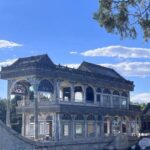
- Qingyan Stone Boat: a small but memorable stop that used to function like a teahouse for the royal family, representing ideas associated with the Qing Dynasty.
You’ll spend about an hour plus the added shorter stops, so you get multiple “wow” moments without feeling like you left your legs in a separate city.
Guide quality: the real value of a private tour
The strongest pattern in the past feedback is not just “we saw the sights.” It’s how the experience felt while moving between them. People praise guides for being helpful, knowledgeable, and smooth, and they also mention personality—high energy, a friendly approach, and strong organization.
Names that show up repeatedly include Maggie and Aaron, plus Sunflower as a lead figure in the company team. Other names like Lei and David appear as guide mentions as well. You don’t need to care about the names themselves, but you should care about the standard: clear explanations, good timing, and a sense that someone is actively managing your day.
That’s the kind of service that makes a two-day plan feel like a gift instead of a checklist.
Price and what you’re really paying for ($458 per person)
At $458 per person for two days, the number looks steep until you list what’s bundled. You’re not just buying narration—you’re also paying for the practical stuff that kills DIY trips in Beijing: private guide time, transport support for the Great Wall, and entrance fees.
The package also includes:
- Pickup offered
- Private driver and car service to Mutianyu Great Wall
- Roundtrip cable car
- City taxi fare within the 4th Ring Road
- Mobile ticket
What’s not included:
- Taxi fares outside the 4th Ring Road on Day 1 (you’d cover those yourself)
- Gratuities
- Lunch if your selected option doesn’t include it
So the value question becomes this: do you want to pay to remove hassle? If you want to spend your limited time in Beijing actually looking at Beijing, the bundled approach usually makes sense. If you enjoy planning, love public transport, and are comfortable managing tickets on your own, you could do it cheaper. But you’ll trade away convenience—especially on the Great Wall day.
Also, timing matters for ticket access. Since Forbidden City tickets may require advance booking, this tour tends to be at its best when you lock in your plans early. This one is commonly booked far ahead, which is a clue that the operator schedules well and demand is real.
Who this tour fits best (and who should rethink)
This is a smart match for:
- First-timers who want Tiananmen Square, Forbidden City, Temple of Heaven, Mutianyu Great Wall, and Summer Palace
- People who want a guide to handle timing and ticket friction
- Travelers who like walking but still want the day to feel organized
You might consider another style if:
- You’re traveling last minute and can’t meet the Forbidden City ticket timing needs
- You don’t want to pay for guided convenience
- You prefer a slow, neighborhood-first approach with lots of unscheduled time
The tour is built for a focused two-day hit of Beijing highlights. It’s not pretending to be a deep-dive into every district. It’s the fast, effective path—run by someone who knows the rhythm.
Should you book this 2-day Beijing highlights tour?
If you’re short on time and you want the big Beijing moments without the planning headache, I’d book this. The biggest reason is simple: the transport + tickets + key sights combo saves you from the most common DIY failures in Beijing, especially around the Forbidden City and Great Wall day.
Book early, and double-check which option includes lunch. If you meet the Forbidden City timing requirement, this plan becomes a clean way to see a lot, feel guided at every stop, and end both days on high notes—Temple of Heaven on Day 1 and Summer Palace on Day 2.
FAQ
How far in advance should I book to get Forbidden City tickets?
You’ll want to book at least 8 days before for Forbidden City ticket availability. If you book later, Forbidden City tickets may not be available in the same way.
Is this tour private?
Yes. It’s a private tour/activity, and only your group participates.
Does the price include entrance fees and the Great Wall cable car?
The package can include entrance fees and a roundtrip cable car (for the included option). You should confirm which ticket and all-inclusive options you select during booking.
Is lunch included?
Lunch is not guaranteed in the base inclusions. The info notes that lunch is not included if the option is not selected, so check the option you choose at booking.
Will there be pickup from my hotel?
Yes, pickup is offered, and you’ll also have drop-off direct from your hotel.
What taxi costs are covered during Day 1?
The tour includes city taxi fare within the 4th Ring Road. Taxi costs outside the 4th Ring Road on Day 1 are for your own expenses.