REVIEW · BEIJING
4 Hours Private Discover Beijing Tour by Sidecar
Book on Viator →Operated by Beijing Sidecar Tours · Bookable on Viator
Beijing looks different at street speed. This private sidecar tour takes you off the main roads into hutongs, plus a tight loop of classic sights that help you understand the city fast. I love that it mixes big landmarks with small local alleys, so you get both the postcard and the everyday. I also like the practical setup: hotel pickup, rain gear, helmets, and lots of stops for photos.
The main thing to consider is weather. This ride depends on good conditions, and you’ll be out moving through narrow streets and open areas, so dress for wind and cool mornings.
In This Review
- Key things to know before you go
- A sidecar viewpoint: your 4-hour orientation to central Beijing
- Bell and Drum Towers: the city’s north-south spine
- Hutongs and Houhai: alley life plus a lake break
- White Dagoba and the Miaoying Temple stop
- Niujie Mosque and Ox Street food lane
- Yongding Gate and the Ming City Wall Park ride
- Helmets, comfort, and hearing the guide clearly
- Lunch, tea, and photo stops that do not feel rushed
- Price and value: why private beats hopping buses
- When this tour works best (and when it does not)
- Should you book this 4-hour private sidecar tour?
- FAQ
- What time does the 4-hour tour start?
- Is hotel pickup and drop-off included?
- What’s included in the sidecar tour?
- How many people ride in the sidecar?
- Which main stops are included?
- What if the weather is poor?
- Can I get a full refund if I cancel?
Key things to know before you go
- Private means your pace: only your group rides together for the full 4 hours.
- Sidecar seating with a mid-tour switch: 2 passengers per sidecar, with the option to switch positions halfway.
- Classic orientation route: central axis stops like Bell & Drum Towers and Yongding Gate help you map the city.
- Hutongs plus Houhai lake time: alley driving and a relaxed tea or coffee break by the water.
- Temple and mosque in one loop: White Dagoba area plus Niujie Mosque and Ox Street food.
- Comfort items are actually included: helmets, bottled water, raincoat, and a phone charging cable.
A sidecar viewpoint: your 4-hour orientation to central Beijing
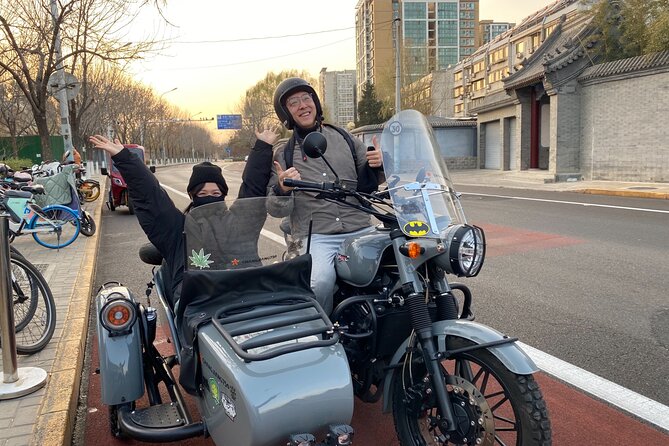
If you want a first look at Beijing that feels lived-in, this is a smart format. You cover ground quickly without feeling like you’re trapped in traffic. Plus, the sidecar angle makes you look at streets the way locals experience them: close, fast, and right at street level.
This tour is built for a first-day rhythm. You start in the central area around the city’s main layout, then drift into smaller neighborhoods and everyday corners. By the time you reach the lake and the old city wall area, you’ll have a much clearer sense of where things sit and why.
The value is in the balance. You get major landmarks like Bell & Drum Towers and a Ming Dynasty wall area, but the itinerary also includes alley time, temples, and a very specific Muslim neighborhood food stop.
You can also read our reviews of more tours and experiences in Beijing.
Bell and Drum Towers: the city’s north-south spine
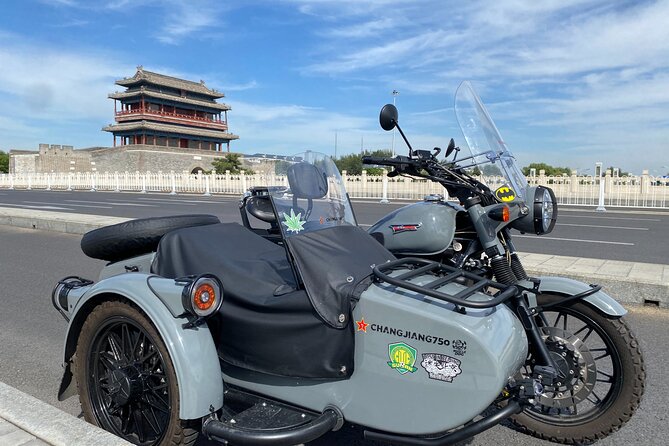
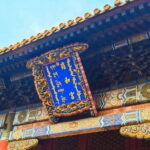
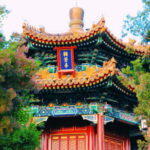
Your morning begins with pickup from your hotel and a ride toward the central axis. The Bell & Drum Towers are the headline here, and they’re also a useful mental landmark. These are two important buildings on the axis, and they’re popular for photos because the view lines up cleanly from surrounding areas.
This stop is short, but it’s timed well. You’re not meant to tour every room; you’re meant to get oriented and get your bearings. It’s also a good place to take a first set of skyline-type shots before the route tightens into alleyways.
If you like having a guide connect the dots, this is where it starts. The route is set up so you learn the city’s structure early, then you see examples of that structure as you move south and around older districts.
Hutongs and Houhai: alley life plus a lake break
After the main-axis intro, the tour shifts into the hutongs, those narrow traditional alleyways that define a lot of old Beijing street life. Riding into smaller lanes is where the sidecar format really earns its keep. You’re not just looking at a street from far away; you’re moving through it, turning corners that buses and cars often can’t approach the same way.
Then comes Houhai, the lake in the old hutong area. This is a nice change of pace. You get a scenic break from the tight streets, and the itinerary includes time to relax rather than just rush past.
A small detail I appreciate: the route includes a ride along the lake and a tea or coffee stop. That pause matters because it helps you reset before the next wave of temple and neighborhood stops. It also gives you a more casual moment for photos where you’re not fighting the crowds that tend to gather at famous landmarks.
This part of the tour is also where guides can personalize. If you want more time photographing alley doors, signs, or street scenes, the rhythm here usually gives you room to slow down.
White Dagoba and the Miaoying Temple stop
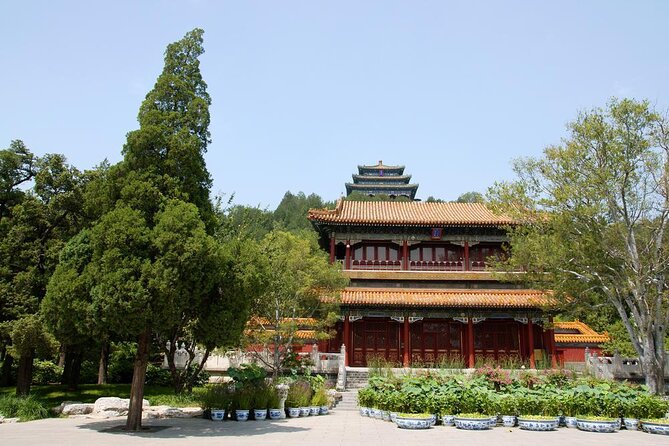
Next you move to the Temple of the White Dagoba, also known as Baita Si. It’s a classic Beijing temple stop, and it’s positioned as a strong sight in the middle of the day’s loop. You’re also passing through the Miaoying Temple area, with the White Tower Temple called out as a landmark along the route.
This segment is about atmosphere and context, not just check-the-box touring. You’ll have a shorter window, and the goal is to see key visual elements and absorb the why behind the location. The itinerary also keeps a smooth travel flow so you don’t feel like you’re transferring endlessly.
If you’re the type who likes comparing architectural styles across neighborhoods, this stop gives you a different feel from the hutongs and lake area. It’s quieter visually and more grounded in temple layout, so it balances the day.
Niujie Mosque and Ox Street food lane
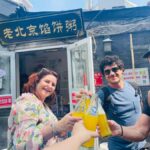
One of the most memorable parts of the route is Niujie Mosque and the surrounding Niujie neighborhood on Ox Street. This is where the tour switches from sightseeing to something more sensory: local food and drinks with a focus on the Muslim living area.
The stop is designed for sampling, not for formal dining. You get around 30 minutes in the area, which works well for a quick taste-and-walk window. It’s enough time to try a couple of items and still keep the momentum of the overall loop.
There’s also context layered in. The itinerary notes that you pass one of the oldest Buddhist temples in Beijing and that rare Buddhist sutras are preserved there, with the Buddhist Academy of China located in the area. That cross-religious thread is a reminder that Beijing’s old districts aren’t single-theme—different traditions sit close, and you see that when you travel by neighborhood.
For me, this is one of the best ways to avoid the Beijing food trap of only eating what’s near your hotel. You’re in a specific area for a specific reason, and the timing keeps it from feeling like a rushed detour.
Yongding Gate and the Ming City Wall Park ride
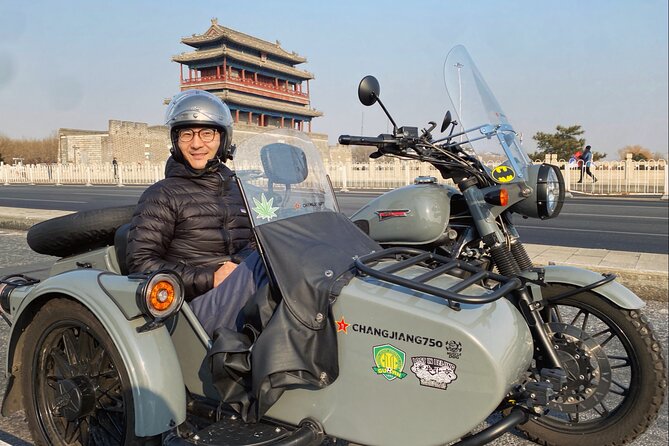
As the tour continues, you reach Yongding Gate. This is described as the south starting point of the old city central axis, which is a big deal if you’re trying to understand Beijing’s layout. Even if you only spend a short time in this area, the idea is to connect earlier landmark knowledge to the city’s older grid.
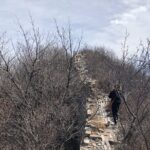
Then the tour heads to the Site of Ming City Wall Park. This is where you get the sense of Beijing’s long timeline. The itinerary focuses on the antique parts of the city driving through the 600-years-old city wall, which makes the wall feel less like a distant monument and more like a real feature of the city.
This segment is also practical. You’re moving along ancient structure without spending your entire afternoon standing in a single spot. And because you’re in a sidecar, you can keep your head moving for photos as the wall and surrounding areas pass by.
If you’re planning another Beijing day after this, this stop often makes the rest of your map make sense. You start linking neighborhoods and major routes to where the old wall and gates used to shape movement.
Helmets, comfort, and hearing the guide clearly
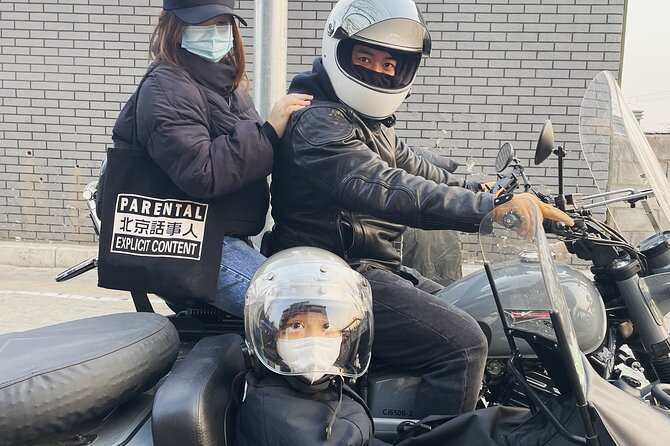
The ride setup is one of the biggest reasons people enjoy this tour. Helmets are included, along with bottled water. There’s also a raincoat included, which is a relief if the sky looks moody even without full rain.
A nice touch from the experience details: there’s a phone charging cable included. Beijing days mean photos, maps, and messages, and this helps you keep your phone alive during the 4-hour loop.
Sound and communication matter on a motorcycle sidecar tour. In one of the highlights shared from the experience, the helmets had Bluetooth audio so you could hear the commentary. That makes the tour feel more guided and less like you’re just riding and guessing what you’re seeing.
And yes, seating matters. The tour uses 2 passengers in one sidecar: 1 in the sidecar and 1 behind the driver. There’s an option to switch half way possible, which is a smart way to keep the ride feeling fair and comfortable.
Guide style also comes through in the details. The guide John is described as friendly, organized, and big on local knowledge, including off-the-track spots as well as the more popular ones when you want them.
Lunch, tea, and photo stops that do not feel rushed
You get lunch included in the form of Beijing local fast food or snacks. Since the itinerary runs about 4 hours with multiple short stops, having food handled avoids the usual problem of trying to find a meal mid-tour while everyone is waiting. You’ll know you’re not going to lose your time budget to a search for something open.
There’s also the idea of small breaks. Houhai includes time to relax with coffee or tea, and in cold weather conditions, the guide support included a scarf and tea. That kind of small care can change how you remember the day more than you’d think.
Photo stops are built into the schedule. You’ll have lots of moments to stop for pictures around major landmarks, plus short walks into temples or alley areas. The route is not designed for long museum-style wandering, but it gives you enough time to capture scenes and still feel like you’re moving through real neighborhoods.
If you’re a photo person, bring a plan: do a quick sweep for wide shots at landmarks like Bell & Drum Towers, then switch to close-up details in hutongs and around Houhai.
Price and value: why private beats hopping buses
At $129 per person for about 4 hours, the price is in the range where you should ask: what am I paying for? The answer here is access and time efficiency.
You’re not just booking transport. You get private routing, hotel pickup and drop-off, included safety gear, and a guide who can steer you through tight neighborhoods. That matters because the best parts of Beijing often live in places that are awkward to reach by standard bus routes or by trying to self-navigate streets that don’t match your expectations.
You also get a single-group experience. With only your group participating, the tour pace can be adjusted for your comfort level—more time at a lake viewpoint, a longer photo break, or a quick focus on specific landmarks.
There are also group discounts mentioned if you have more people, and the tour notes availability details for larger groups. So if you’re traveling with friends or family, this can become even better value.
When this tour works best (and when it does not)
This tour fits best if you like street-level travel. You enjoy seeing how people live around doorways, in alleys, and along neighborhood edges. The hutong driving and Houhai lake time deliver exactly that sense of place.
It also works well for people who want an organized first day. You hit central landmarks like Bell & Drum Towers and Yongding Gate, then shift into temples and a major food neighborhood on Ox Street. You’ll leave with a working mental map.
The main reason it might not fit you is comfort preference. If you dislike motorcycles, wind exposure, or quick transitions between short walking stops and riding segments, you may find it stressful. Weather is the other big factor; this is a good-weather activity, and it depends on those conditions.
If you’re sensitive to cold, plan layers. The experience includes rain protection and has been known to come with a scarf and tea when it’s cold.
Should you book this 4-hour private sidecar tour?
Yes, I’d book it if you want an efficient, local-feeling overview of Beijing that combines famous sights with neighborhood texture. The private setup, hotel pickup, included gear, and the mix of hutongs, Houhai, temple area, Niujie Mosque, and the Ming City Wall make it a strong “learn the city” experience.
Skip it if weather and street riding are dealbreakers for you, or if you want a slow, long-form walking tour. This one is about movement, photos, and short stops, not extended stays.
If you can handle being on the go and you like street-level viewpoints, this is one of the more memorable ways to feel Beijing quickly.
FAQ
What time does the 4-hour tour start?
The tour starts at 9:30 am.
Is hotel pickup and drop-off included?
Yes. Hotel pickup and drop-off are included.
What’s included in the sidecar tour?
Helmets, bottled water, raincoat, a phone charge cable, hotel pickup and drop-off, and lunch (Beijing local fast food or snacks) are included.
How many people ride in the sidecar?
The tour uses 2 passengers per sidecar: one in the sidecar and one behind the driver. Switching positions halfway is possible.
Which main stops are included?
You’ll visit Bell and Drum Towers, hutongs area, Houhai, Temple of the White Dagoba (Baita Si), Niujie Mosque and Ox Street, Yongding Gate, and the Site of Ming City Wall Park.
What if the weather is poor?
The experience requires good weather. If it’s canceled due to poor weather, you’ll be offered a different date or a full refund.
Can I get a full refund if I cancel?
Yes. Cancellation is free up to 24 hours in advance for a full refund. If you cancel less than 24 hours before the start time, the amount paid is not refunded.