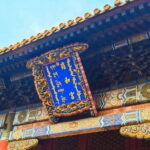
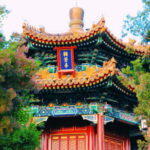
The Great Wall feels bigger on foot. This Mutianyu hike lets you walk past the usual cable car bubble and cover the wall in a guided, small-group way with panoramic views.
I especially like the small group size (max 15), which keeps the experience calm and easier for questions. And I like that you walk the full 5-kilometer stretch while visiting all 20 watchtowers, not just a short section near the cable car.
The main consideration is fitness: it’s a moderate hike with uphill walking and lots of stairs, so go in with realistic expectations for a long day.
In This Review
- Key things to know
- Why this Mutianyu hike beats the cable-car-only plan
- Price and value: what $65 really covers
- Morning logistics from central Beijing (and why the 8:00am start helps)
- Cable car up first: less slog, more time on the views
- The 5-kilometer guided walk across all 20 watchtowers
- Your guide matters: Mike, Taka, and Cici set the tone
- Getting down: internal shuttle included, tobggan optional
- Tea, snacks, and the pace that keeps you from feeling rushed
- Who should book this (and who might not love it)
- The practical side: what to bring and how to plan your day
- Should you book this Mutianyu 5-km guided hike?
- FAQ
- How long is the Mutianyu 5-kilometer guided hike?
- How far do you hike on the Great Wall?
- Do I need to arrange transportation to Mutianyu?
- What’s included in the ticket package?
- Is there an option toboggan down after the hike?
- What’s the group size?
- Is this tour suitable for kids?
- What if I cancel my booking?
Key things to know
- Small group (up to 15) keeps the pace human and the guide more hands-on
- Cable car uphill first, so you start the hike at the right altitude
- 5 km total with all 20 watchtowers along original pathways
- English-speaking guide who explains what you’re looking at as you go
- Tea and snacks after the hike to help you recover without rushing
- Downhill options include an internal shuttle (toboggan costs extra)
Why this Mutianyu hike beats the cable-car-only plan
Mutianyu is one of the most popular parts of the Great Wall, which is great for access and services. But it also means lots of visitors hop off the cable car, snap photos, and head back before they really get the wall’s scale.
This tour flips that script. You’ll take an uphill cable car to start, then follow a guided walking route that covers about 5 kilometers and includes all 20 watchtowers. The result is a real sense of how the wall runs through the ridges, and how soldiers would have moved between vantage points.
It’s also designed for a more “walk-with-a-guide” experience than a big-bus sprint. With a group size capped at 15, you get time to ask practical questions, like where to step safely and how to move between viewpoints without wasting your energy.
You can also read our reviews of more tours and experiences in Beijing.


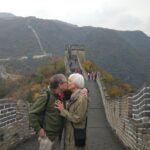
Price and value: what $65 really covers
At $65 per person, you’re not just paying for entry. You’re getting a package that handles the hard parts that usually cost you time: transportation, tickets, and the key “getting up there” component.
Here’s what’s included: round-trip bus, an English-speaking guide, Mutianyu entrance ticket, uphill and downhill internal shuttle ticket, and the uphill Great Wall cable car. You also get the guided 5-kilometer hike and tea and snacks after the walk.
That’s why this often feels like good value versus DIY. Without this setup, you’d still pay for tickets and figure out bus timing, internal shuttles, and the cable car yourself. The optional toboggan down is the one extra you might consider (it costs ¥100 on your own), so you can keep your day fully covered or add fun if you want it.
Morning logistics from central Beijing (and why the 8:00am start helps)
You meet at the China Post area in Beijing (Dongzhimen, Dongcheng District) with a start time of 8:00am, and the tour runs about 9 hours total. The meeting point is listed as near public transportation, which matters in Beijing where getting to the right district can eat up your day if you mis-time transit.
Starting early is more than just a scheduling detail. It typically gives you better light and fewer crowds on the wall itself. It also means you’re walking while your energy is still high, instead of doing the hike after a full day of waiting and heat.
If you like structure—simple pickup, fixed route, and an expert leading the way—this format fits well. If you prefer maximum freedom to wander whenever you feel like it, you’ll likely feel more constrained by the guided plan.
Cable car up first: less slog, more time on the views
The tour intentionally begins with a relaxing cable car ride uphill. That’s a big deal on the Great Wall, because the “first hill” can be the part where people burn too much energy too fast.
By getting up via cable car, you shift your effort to what you actually came for: walking the wall, seeing the watchtowers, and understanding how the route connects. You’ll still have plenty of stairs and walking, but you’re not starting from ground level.
Think of the cable car as the tour’s way of protecting your legs. If you’re visiting with anyone who gets tired easily, the plan is also easier to handle than a fully stair-based entrance.
The 5-kilometer guided walk across all 20 watchtowers
This is the heart of the experience. After you start at the cable car’s arrival point, your English-speaking guide leads the way along a route that traverses the Mutianyu Great Wall and visits all 20 watchtowers.
What makes this more satisfying than the quick-and-go versions is that you experience the wall as a continuous defensive system. Each watchtower isn’t just a photo stop. Your guide explains what you’re seeing—how watchtowers functioned, why the spacing mattered, and what it meant to move between points of visibility.
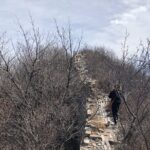
The route is also described as following original pathways, and that tends to mean you see more variety than the smoothest, most repaired tourist sections. Some participants highlight that you can step away from the densest crowds through side paths and walk stretches with more rugged wall character.
At around 5 kilometers, you get a meaningful workout, but you also have enough time to slow down at viewpoints and landmarks without feeling like you’re sprinting the entire wall. It’s challenging enough to feel real, not so long that you’re constantly worried about running out of time.
Practical tip: wear supportive shoes. You’ll be stepping on uneven surfaces and climbing and descending. If you normally love sneakers for city walking, that’s usually a good sign—just make sure they have solid grip.

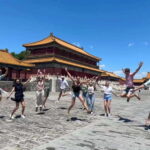


Your guide matters: Mike, Taka, and Cici set the tone
A Great Wall guide can make or break the day, because the wall is big and the details are easy to miss when you’re just scanning for the next tower.
In this experience, guides such as Mike, Taka, and Cici are specifically called out for strong English and for explaining the wall’s history in a way that actually helps you navigate. One guide style you’ll notice in good departures is clarity: you’re told what to look for, how to move between landmarks, and what to expect before you reach a key section.
You’ll also notice a “group care” approach. Some guides are praised for keeping everyone included and for making sure the group knows what the next step is. That’s especially helpful if you’re traveling with family, or if you just don’t want to guess where to go once you’re on the wall.
If you’re the type who enjoys context—why the wall is shaped the way it is, what the watchtowers were for—this guide-led structure is one of the best reasons to choose this tour over a ticket-and-go plan.
Getting down: internal shuttle included, tobggan optional
Once you finish the hike, the tour includes internal shuttle transportation for the downhill portion. That matters because leaving the wall can otherwise become a time sink—buses, lines, and walking distances can be confusing when you’re tired.
If you want extra fun, there’s also an optional toboggan down for ¥100 you pay on your own. You don’t need this to enjoy the day, but it can add a faster, more playful finish if your legs feel okay and you want something different from simply sitting on a shuttle.
Either way, the tour is set up so your return doesn’t depend on you figuring out the logistics after the effort of the hike.
Tea, snacks, and the pace that keeps you from feeling rushed
After the walk, you’ll have tea and snacks. That simple detail is more important than it sounds. When you’re walking on stone and climbing, a small recovery break helps you enjoy the rest of your day instead of just counting minutes until you’re done.
Some groups also mention a buffet-style meal with many options, but the only guaranteed item you should plan around is the tea and snacks. Either way, the takeaway is that you won’t be left hanging with nothing after the climb.
The pacing also fits the small-group design. With fewer people, it’s easier to keep together, reduce waiting time at steps and viewpoints, and maintain a steady rhythm through the watchtowers.
Who should book this (and who might not love it)
This tour is a strong fit if you want:
- a 5-kilometer Great Wall walk that includes the full set of 20 watchtowers
- a small-group day with an English-speaking guide
- the convenience of bus transportation from central Beijing and pre-arranged internal shuttles
- a cable car start so you’re not spending your morning purely climbing
It’s also a great choice if you’re the type who likes authentic movement along the wall—less “stand and pose,” more “walk and learn.”
You might think twice if you:
- struggle with stair-heavy walking or long outdoor days
- want lots of solo wandering time without a structured route
- dislike the idea of a scheduled 8:00am start for a full-day outing
Children are allowed but must be accompanied by an adult, and the tour notes a moderate physical fitness level is recommended, so choose based on your real walking comfort.
The practical side: what to bring and how to plan your day
Even with good planning, a Great Wall hike is still outdoors and still physical. I’d treat this like a hike day, not a sightseeing drive-by.
Bring:
- comfortable, grippy shoes (you’ll be on uneven surfaces)
- water (small amounts matter when you’re walking and climbing)
- sun protection or a light layer depending on season
Wear clothes you can move in. You’ll be on stone steps and ridges for hours, and a tour that covers 5 kilometers with all 20 watchtowers will find the limits of stiff shoes or thin soles fast.
Also plan your energy. The itinerary runs about 9 hours, so don’t book other major Beijing activities right before or after. This is the kind of day that earns a late dinner.
Should you book this Mutianyu 5-km guided hike?
If your goal is to experience Mutianyu as more than a cable-car stop, I’d book it. The big value is the full 5-kilometer route with all 20 watchtowers, led by an English-speaking guide, with transportation handled and the main ascent started by cable car.
Choose it if you like a guided structure, want help navigating the wall correctly, and prefer a calmer group size over big-bus crowds. The payoff is a more complete understanding of how the Great Wall functions, plus views that you get by actually walking far along the ridge.
Skip or look for an easier alternative if your fitness is limited. This walk is described as requiring moderate fitness, and it’s built around stairs and walking rather than a quick tour loop.
If you want a Great Wall day that feels like a real journey across the ridgeline, this one fits the bill. You’ll leave with a better sense of distance, purpose, and the sheer scale of Mutianyu—without having to figure out the logistics yourself.
FAQ
How long is the Mutianyu 5-kilometer guided hike?
It runs about 9 hours.
How far do you hike on the Great Wall?
The guided hike is 5 kilometers (about 3 miles).
Do I need to arrange transportation to Mutianyu?
No. Round-trip bus transportation from central Beijing is included.
What’s included in the ticket package?
Included are the Mutianyu entrance ticket, an English-speaking guide, uphill and downhill internal shuttle tickets, the uphill Great Wall cable car, and the guided 5-kilometer hike, plus tea and snacks after the hike.
Is there an option toboggan down after the hike?
Yes. Downhill by toboggan is available, but it costs ¥100 on your own expense.
What’s the group size?
The tour has a maximum of 15 travelers.
Is this tour suitable for kids?
Children must be accompanied by an adult, and the tour recommends a moderate physical fitness level.
What if I cancel my booking?
You can cancel for a full refund if you cancel at least 24 hours before the experience starts. If you cancel less than 24 hours before, the amount paid will not be refunded.