REVIEW · BEIJING
Beijing: Forbidden City & Tian’anmen Square Tour with Option
Book on GetYourGuide →Operated by Beijing Mubus · Bookable on GetYourGuide
A trip to Beijing’s center can feel like chaos.
This tour ties Tian’anmen Square and the Forbidden City into one guided circuit, with entry handled through ticket reservation options and a finish back near your start.
What I like most is how it handles the hardest part first: getting into the Forbidden City. I also really like that you’re not just walking through big courtyards; the guide points out what you’re seeing and why it matters, and you can include the Royal Treasures Museum stop.
One thing to plan around: you’ll cover a lot of ground, and peak-season lines can be brutal. Even with tickets sorted, the pace can feel nonstop if you’re not used to palace-sized walking days.
In This Review
- Key takeaways before you go
- Where the tour starts: Bank of China Donganmen and the Tian’anmen setup
- Tian’anmen Square: why the hour matters
- The Forbidden City route: Meridian Gate to the big harmony halls
- Meridian Gate (about 20 minutes)
- Hall of Supreme Harmony (about 20 minutes)
- Hall of Preserving Harmony (about 20 minutes)
- Hall of Central Harmony (about 20 minutes)
- Palace of Heavenly Purity and Palace of Earthly Tranquility (about 20 minutes each)
- Six Eastern Palaces (about 20 minutes)
- Imperial Garden (about 20 minutes)
- Zhenbaoguan and the Royal Treasures Museum: what you should look for
- Guided tour styles: ticket booking, small group tours, and private tours
- Ticket Booking service: get in, then you’re largely on your own
- Small Group Tours: the classic middle ground
- Private tours: more control, more cost
- Timing, walking pace, and what to bring for a smoother visit
- What to bring
- What not to bring
- Expect airport-style security
- Peak-season reality
- Guide quality: English/Spanish live commentary that keeps things coherent
- Value and pricing: does $3.69 make sense?
- Should you book this Forbidden City and Tian’anmen Square tour?
- FAQ
- How long is the Forbidden City and Tian’anmen Square tour?
- Where do I meet the tour?
- Is there a guided visit at Tian’anmen Square?
- Which parts of the Forbidden City are included?
- Is the Royal Treasures Museum included?
- What language will the guide speak?
- Do I need a passport or ID card?
- Do I need to book Forbidden City tickets in advance?
- What information is required to reserve tickets?
- Can I cancel for a refund?
Key takeaways before you go
- Reserved entry options: ticket booking aims to secure your Forbidden City entry, with backup help if you miss the advance deadline for some travelers.
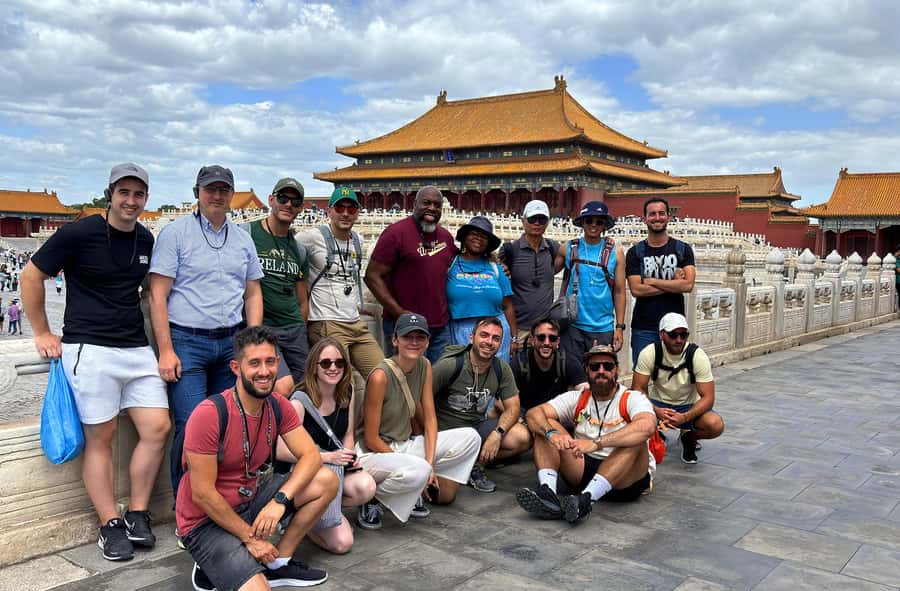
- Live guide, multiple languages: English or Spanish guided service keeps the visit from turning into a self-guided maze.
- Royal Treasure Museum stop (Zhenbaoguan): an important add-on that turns the palace visit into more than photos.
- Smart route planning: you move through major halls and gates in a logical order, rather than picking random corners.
- Meeting point is easy to find: Bank of China Donganmen Branch is the anchor for many departures.
Where the tour starts: Bank of China Donganmen and the Tian’anmen setup
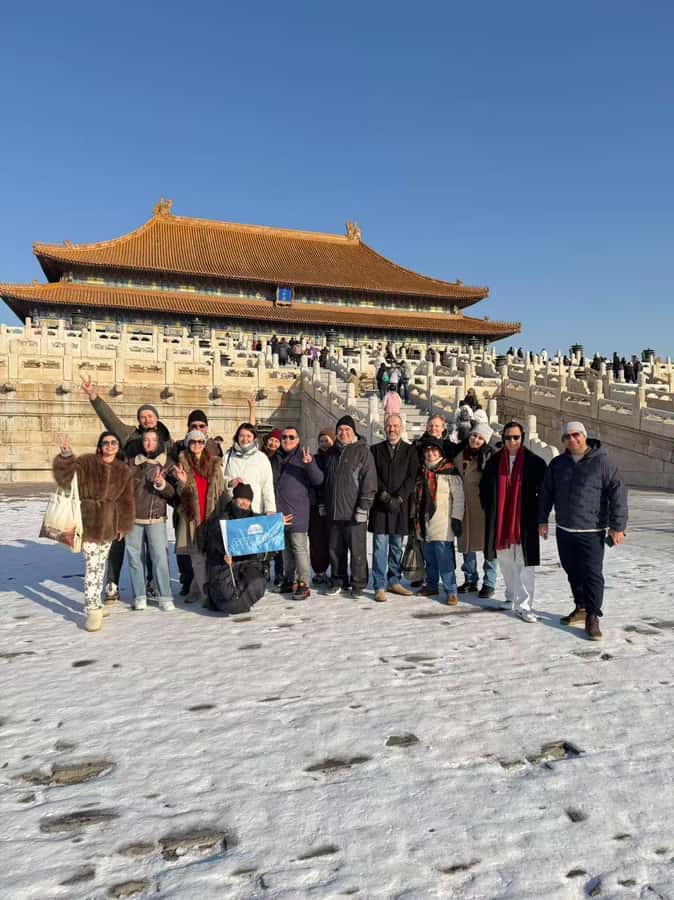
Most people need one thing on day one in Beijing: a simple plan for where to meet. This tour’s meeting point is centered around the Bank of China Donganmen Branch, which makes it easier to orient yourself near the main sights than if you’re hunting for a tiny hotel desk.
From there, you head straight into the Tian’anmen zone with a guided introduction. The Tian’anmen Square stop is guided for about 1 hour, which is a good length for getting oriented without burning your whole day before you even reach the palace.
A practical reality: Tian’anmen Square is massive, so you won’t want to arrive thinking you’ll see everything at ground level on foot. Instead, the value here is the guide framing what you’re looking at—how the square functions as a cultural and political hub, and why its layout and monuments matter to China’s modern story.
You can also read our reviews of more tours and experiences in Beijing.


Tian’anmen Square: why the hour matters
Tian’anmen Square can feel like a giant open stage. The guided hour helps you turn that “big empty space” feeling into something more graspable.
In particular, you get a history lesson tied directly to the place. That’s the difference between standing in the middle and actually understanding what you’re standing in. If you enjoy short, focused explanations while you walk or stand, this pacing works well.
One heads-up: if you’re sensitive to crowds or people flow, this area can be intense. The good news is the guided timing keeps you moving through the moment instead of letting you wander and lose time.
The Forbidden City route: Meridian Gate to the big harmony halls
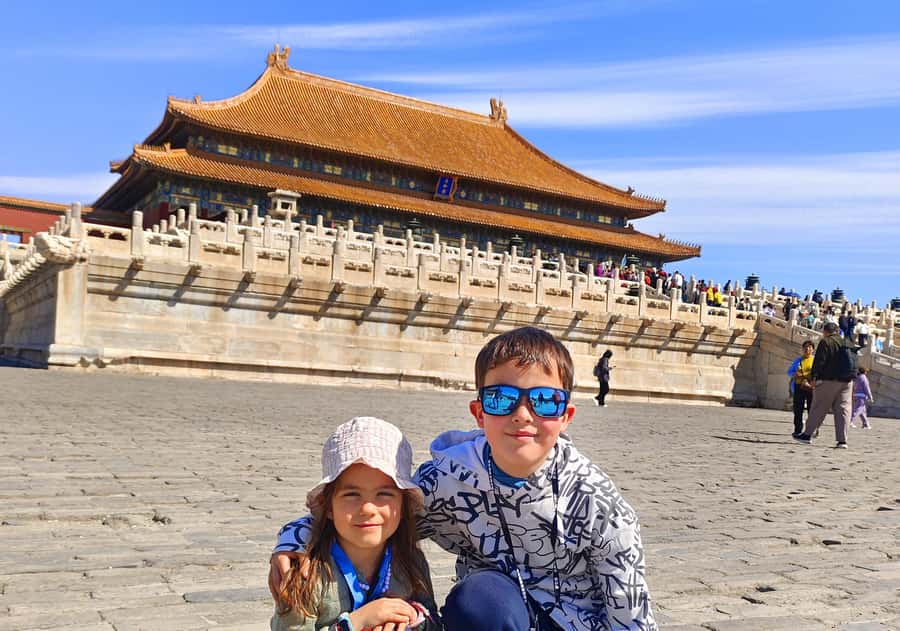
Now for the main event: the Forbidden City. This is a royal palace complex on a scale that can make your brain check out if you treat it like a photo scavenger hunt.
The guided portion inside runs about 3 hours on group-style options. The itinerary then continues with a series of key stops that you’d otherwise have to research yourself.
Here’s what you’ll hit, and why each stop is worth the effort:
Meridian Gate (about 20 minutes)
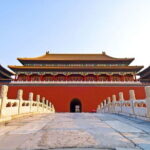
The Meridian Gate is the kind of landmark that instantly tells you this was built for ceremony and control. A short guided stop here helps you “read” the palace layout—what the gates symbolize and how visitors would have moved through royal space.
If you only have one hour inside the complex, this is exactly the place you want the guide to be explaining.
Hall of Supreme Harmony (about 20 minutes)
Next comes the Hall of Supreme Harmony, one of the palace’s most iconic structures. The value isn’t just architecture. It’s how the guide connects the building to the system of rule and ritual that shaped everything.
This stop is short, but it’s timed right so you’re not overwhelmed by scale yet.


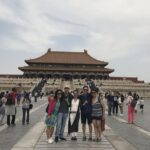
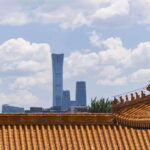
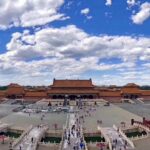
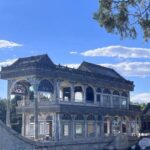
Hall of Preserving Harmony (about 20 minutes)
The Hall of Preserving Harmony is the “supporting actor” hall. It looks powerful in photos, but the guide helps you understand the function behind the symmetry.
This is a good place to pay attention. Many people skip the smaller explanation and then can’t remember what they saw two buildings ago.
Hall of Central Harmony (about 20 minutes)
The Hall of Central Harmony rounds out the trio of major harmony spaces. With a guide, it becomes less of a checklist and more of a lesson in how the palace complex was designed to project authority.
If you like structured tours, the consistent 20-minute blocks are useful. If you’re hoping for long, slow wandering, you’ll likely want your own free time at the end or on a private option.
Palace of Heavenly Purity and Palace of Earthly Tranquility (about 20 minutes each)
These two stops—Palace of Heavenly Purity and Palace of Earthly Tranquility—help you shift from the public-facing “ceremony” side into the more lived-in symbolic world of the palace.
The guide’s commentary matters here. Without it, these buildings can blur together quickly.
Six Eastern Palaces (about 20 minutes)
Then you move to the Six Eastern Palaces. This stop gives a more personal feel compared to the grand throne-area buildings. It’s also a nice rhythm change after multiple halls in a row.
If you’re trying to understand what “daily” life looked like behind the imperial façade, this is the kind of stop that makes your visit click.
Imperial Garden (about 20 minutes)
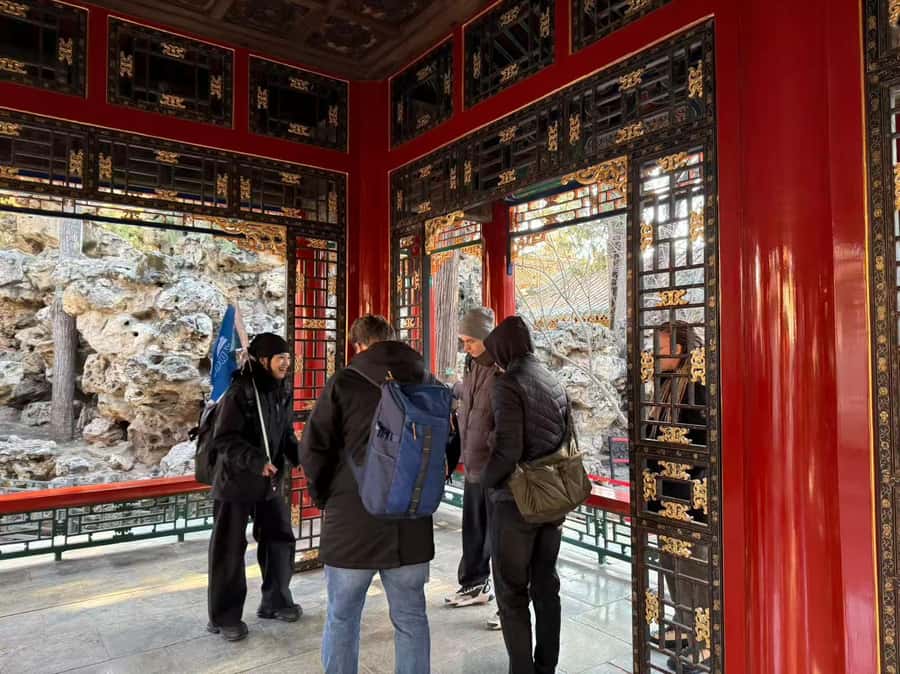
The Imperial Garden adds breathing room visually. It also shows that the palace was not only about power—it included designed nature and planned scenery.
It’s a small reset before the final museum-style highlight.
Zhenbaoguan and the Royal Treasures Museum: what you should look for
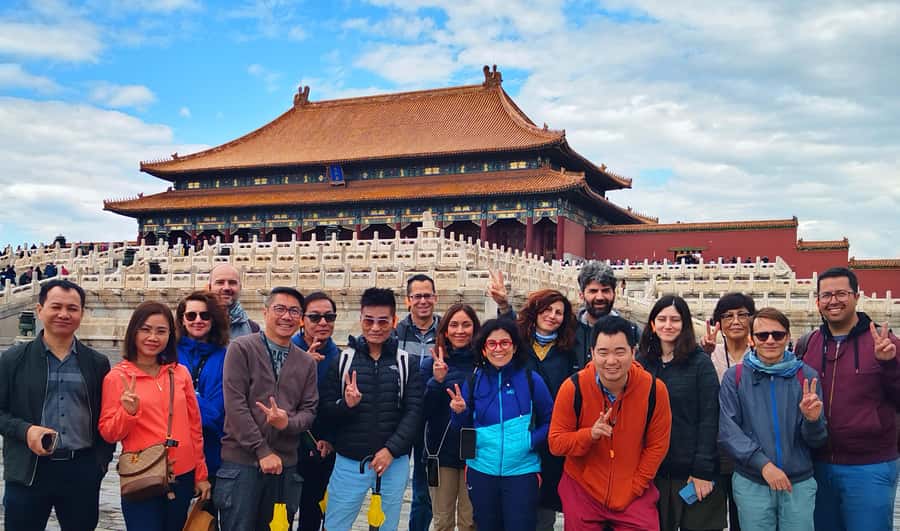
The star add-on is the Royal Treasures Museum, called out in the itinerary as Zhenbaoguan. You’ll spend about 40 minutes here, which is longer than most stops and enough time to actually slow down.
If you’re the type who likes artifacts and objects more than buildings, this portion is your payoff. It turns the visit into something with physical storytelling: why certain collections existed, what they represented, and how they connect to the palace as a whole.
Also, the museum time helps balance the outdoor walking. After hours of stone and symmetry, your eyes get a break. It’s the best place to stop and ask your guide questions without feeling like you’re holding everyone back.
Guided tour styles: ticket booking, small group tours, and private tours
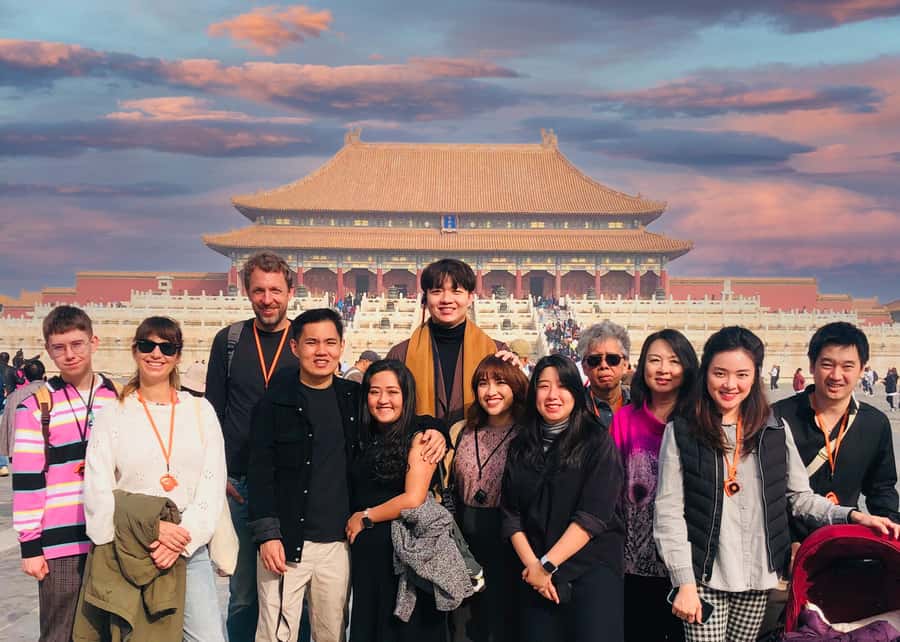
This experience comes in multiple formats. That matters because the “best choice” depends on how you like to travel.
Ticket Booking service: get in, then you’re largely on your own
The Ticket Booking model is built around Guaranteed reservation of tickets for the Forbidden City, with the reservation requiring participant details (names, nationalities, passport numbers). It’s a strong option if you already have a good plan inside.
Important detail: reservations must be made at least 7 days in advance for some travelers. If you miss the deadline, the tour guide can help with on-site ticket steps for some situations.
Reality check: this option includes entry tickets, but not extra guided services for the Forbidden City portion. You’ll want to be comfortable navigating a huge site without someone steering you.
Small Group Tours: the classic middle ground
Small group tours typically run with about 15–20 people. They’re scheduled in daily sessions, including a morning start at 8:30am and an afternoon start at 12:30pm.
Group tours last about 3–4 hours and follow the guided structure. After the guided time, you get free time to explore at your leisure, which is a big deal in a palace complex where you’ll definitely want a second look at a detail you missed the first time.
If you want structure plus some freedom, this is usually the sweet spot.
Private tours: more control, more cost
Private tours are led by a private guide, and your departure time can be scheduled freely. These packages also aim to make better use of your time through connected routes to other attractions (depending on the option you pick).
Private is the best fit if:
- you hate rushing,
- you want slower pacing through halls and corridors,
- you prefer asking questions in real time without group timing pressure.
It costs more, but you’re buying time flexibility and a more responsive guide.
Timing, walking pace, and what to bring for a smoother visit
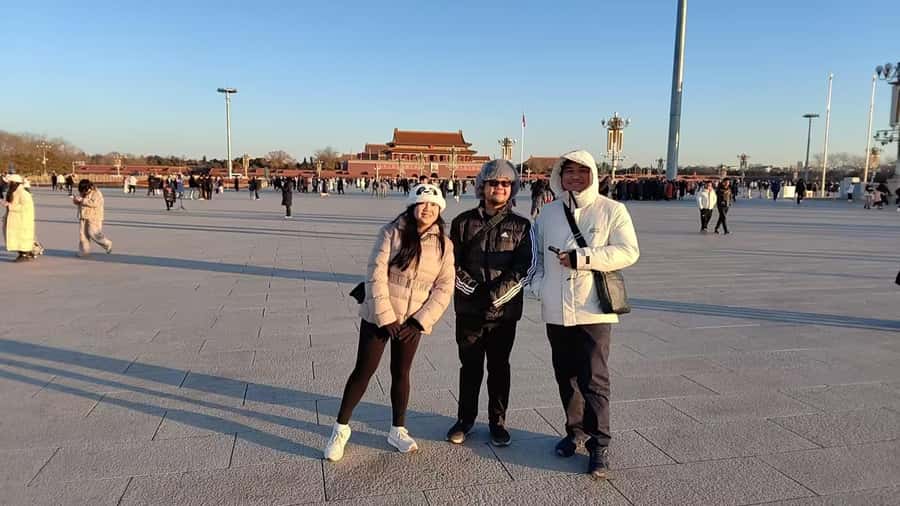
Your total time can range from 1 to 4.5 hours, depending on the option you book. That wide range is why it’s smart to choose the format that matches your stamina.
The itinerary is heavy on short guided stops—lots of 20-minute segments plus the longer 1-hour Tian’anmen portion and 40 minutes at Zhenbaoguan. The result can feel like you’re moving for hours. One of the clearest themes from guide experiences is that it can be tiring if you prefer more breaks or more time to linger.
What to bring
You’ll need a passport or ID card, since entry is tied to identification.
What not to bring
No luggage or large bags, and no drones or tripods.
Expect airport-style security
You must pass through airport-style security screening. That can add time, especially if you’re arriving late or carrying anything that triggers extra checks.
Peak-season reality
During peak travel periods—Labor Day (May), National Day (October), and summer holiday (July to August)—queues can be long. Even with assistance, you should build in patience.
Guide quality: English/Spanish live commentary that keeps things coherent
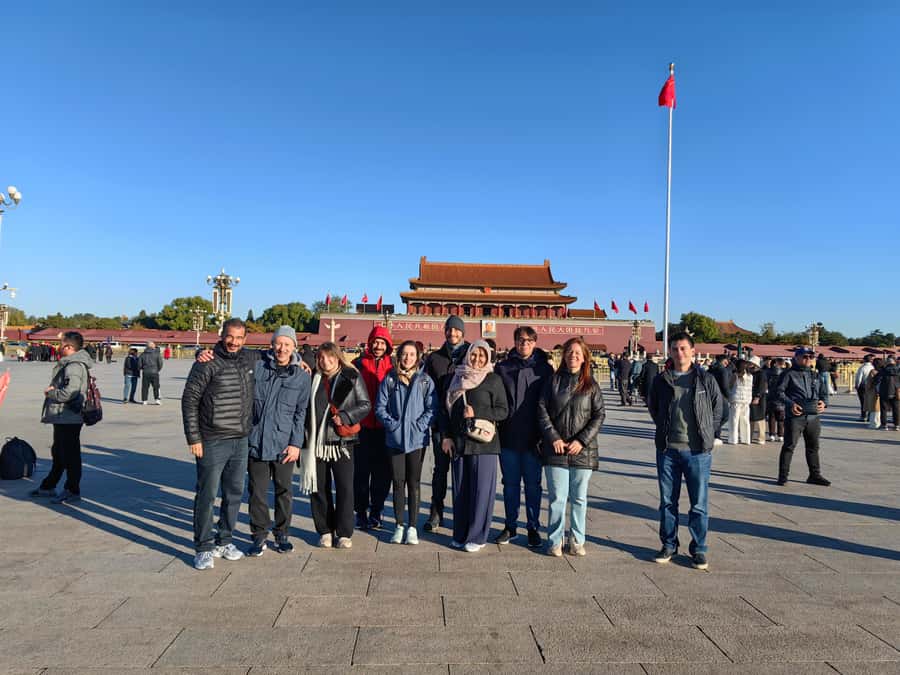
One of the best parts of this tour is the guide. You get a live tour guide in English or Spanish, and the guide names that show up include people like Icy, Maria, Vanessa, Linda, Emmy, Ping, and Claire.
Here’s what stands out from that guide pool in practical terms:
- Clear explanations that connect the buildings to the bigger story.
- Strong English delivery in many cases.
- Help with pacing and logistics when the day gets messy (like heavy rain).
Guides like Linda and Emmy are repeatedly praised for making the tour feel more like conversation and context than a lecture. If you’re the type who remembers facts better when they’re attached to what you’re standing in front of, this matters.
Value and pricing: does $3.69 make sense?
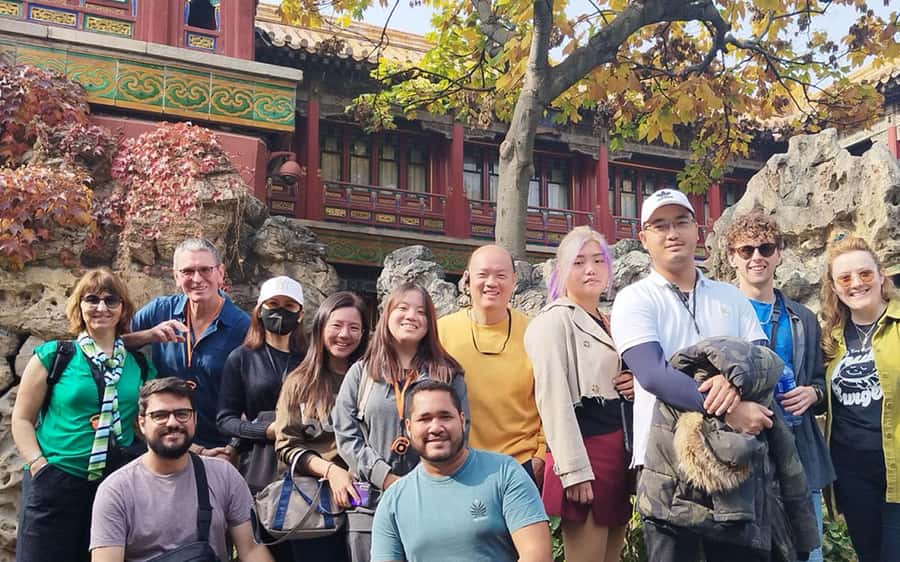
The listed price is $3.69 per person, which feels shockingly low for a tour that bundles entry and guided service options. The catch is that the value depends heavily on which option you choose:
- Some options are ticket-only (entry included, limited or no guided support).
- Others include full guided services plus admission.
So my advice is simple: treat the price as a starting point, not the final answer. Check what your specific option includes so you’re comparing like with like.
Also, value comes from time saved. Getting the Forbidden City ticket situation handled (with reservation support) can easily be the biggest “cost” you avoid—time spent wrestling with entry rules and queues.
If you want a guided route through Tian’anmen and the Forbidden City with a museum stop, the guide-led options are where the value usually shows.
Should you book this Forbidden City and Tian’anmen Square tour?
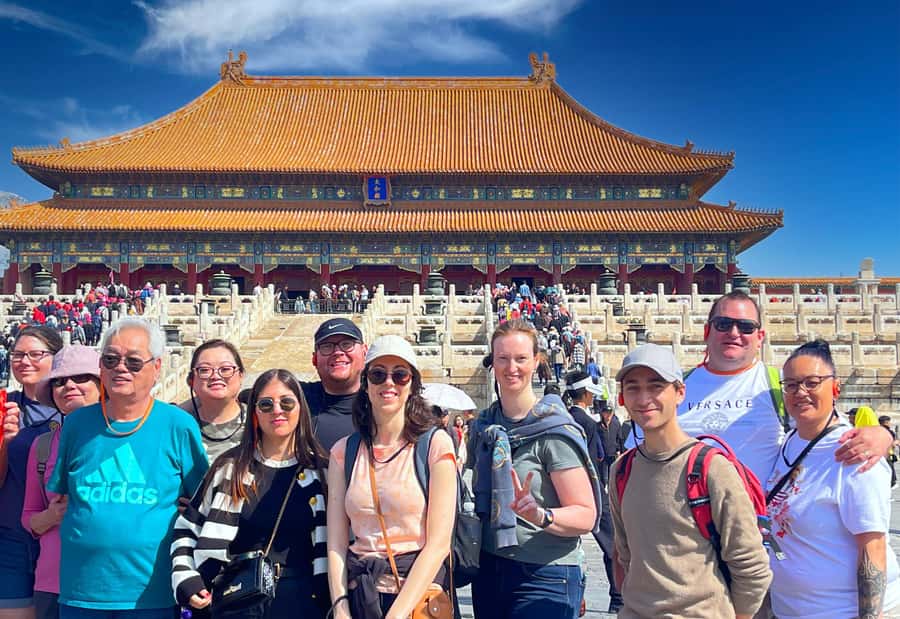
Book it if you want:
- a structured route through the palace highlights,
- live English/Spanish guidance so you understand what you’re seeing,
- the option to include the Royal Treasures Museum (Zhenbaoguan),
- a meeting point that’s easy to find near the center.
Consider skipping or switching to a more flexible option if:
- you hate lots of walking and short stop intervals,
- you need long breaks built into the schedule,
- you’d rather explore fully on your own with zero guiding.
My final take: for most first-timers, this is a smart way to see Beijing’s two anchors—square and palace—without getting lost in the “where do I even start” problem.
FAQ
How long is the Forbidden City and Tian’anmen Square tour?
The duration varies by option, ranging from 1 hour to about 4.5 hours. Group tours are typically around 3–4 hours.
Where do I meet the tour?
The meeting point is listed as Bank of China Donganmen Branch for the starting location options. The exact meeting spot may vary depending on which option you book.
Is there a guided visit at Tian’anmen Square?
Yes. Tian’anmen Square is included with a guided tour for about 1 hour.
Which parts of the Forbidden City are included?
The guided route includes stops such as the Meridian Gate, Hall of Supreme Harmony, Hall of Preserving Harmony, Hall of Central Harmony, Palace of Heavenly Purity, Palace of Earthly Tranquility, Six Eastern Palaces, Imperial Garden, and Zhenbaoguan.
Is the Royal Treasures Museum included?
It can be included depending on the option you select. The itinerary lists Zhenbaoguan with about 40 minutes of guided time, which is connected to the Royal Treasures Museum.
What language will the guide speak?
Live tour guides are available in English and Spanish.
Do I need a passport or ID card?
Yes. You should bring a passport or ID card for entry.
Do I need to book Forbidden City tickets in advance?
Ticket reservation requires booking at least 7 days in advance. Chinese citizens specifically need to book 7 days in advance for reservations.
What information is required to reserve tickets?
You’ll need to provide each participant’s name, nationality, and passport number when making the reservation.
Can I cancel for a refund?
Yes. You can cancel up to 24 hours in advance for a full refund.