REVIEW · BEIJING
Beijing Half Day: National Museum of China In-depth Tour with Subway Transfer
Book on Viator →Operated by Beijing Meitu Travel Agency Co., Ltd. · Bookable on Viator
Four hours, five millennia, one museum. This half-day National Museum of China tour is built for real context, with a guide turning relics into a clear story from ancient times to modern China. I like that you get hotel pickup and don’t have to wrestle with entry details on your own.
I also love the way the route targets the museum’s biggest permanent attractions: the Ancient China galleries and the Ancient Buddha Statue room. Plus, you get museum tickets booking handled, which matters in Beijing when timed entry can be stressful.
One thing to keep in mind: the museum can be very crowded, and with a set 4-hour window, you won’t see everything in the entire building.
In This Review
- Key highlights to expect
- National Museum of China in a half day: what this tour does right
- Price and value: why $114 can make sense (or not)
- Meeting times and getting there: pickup plus subway or taxi
- Stop 1: Ancient China Exhibition Hall and the 5000-year storyline
- The highlights that make the room feel alive
- Dealing with crowds without losing the thread
- Stop 2: Ancient Buddha Statues—and the Song Dynasty Guan yin moment
- Why this stop is worth your time
- The guide matters more than you think
- What to do before you go: small prep that pays off
- Who this tour is best for
- Should you book this National Museum of China tour?
- FAQ
- What time does the tour start?
- How long is the tour?
- What does the tour cost?
- Is hotel pickup included?
- How do you get to the National Museum of China?
- Are museum tickets included?
- Is the tour private?
- What’s included besides the guide?
- What isn’t included?
- When do I need to cancel for a full refund?
- Is this tour suitable for most travelers?
Key highlights to expect

- Two hours in the Ancient China Exhibition Hall: you’ll focus on the must-see permanent highlights instead of aimless wandering
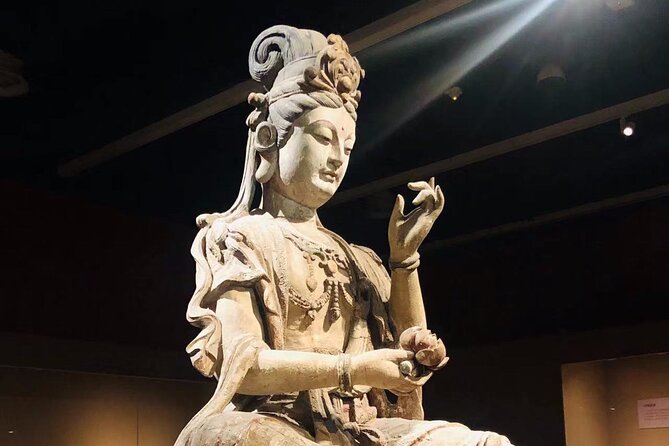
- A strong second stop for Buddhist art: the Ancient Buddha Statue room, including a Song Dynasty Guan yin wooden statue
- Guide-led crowd management: your guide adjusts the route when galleries get packed
- Museum tickets are taken care of: you receive entry support instead of relying on a Chinese-only booking flow
- Private group experience: it’s only your group during the visit, so pacing is easier
National Museum of China in a half day: what this tour does right
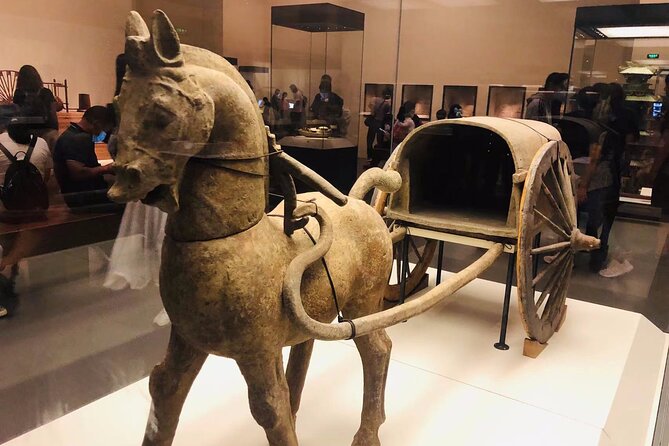
The National Museum of China is huge. It’s the kind of place where, left alone, you could spend the whole day and still feel like you saw only a slice. This tour is useful because it gives you a plan—and then gives that plan a human voice.
You’ll be visiting a collection that spans an enormous timeline. The museum’s collection includes more than 1.4 million relics, and thousands of them are classified as first-class cultural relics. In plain terms, you’re not just seeing “old stuff.” You’re seeing how China’s visual record of power, belief, daily life, and technology changed over time.
The other smart piece: the experience runs on a tight schedule. You’ll have roughly 4 hours total, with 2 hours in the Ancient China galleries and 1 hour in the Ancient Buddha Statue room, plus travel time. That means you’ll see key ideas clearly, instead of trying to do everything.
You can also read our reviews of more tours and experiences in Beijing.


Price and value: why $114 can make sense (or not)
At $114 per person for a half-day, this is not the cheapest way to visit a museum in Beijing. But you’re paying for three things that are hard to DIY well: a guide, museum ticket handling, and transportation support tied to your day.
If you’re the type of traveler who loves museums but hates logistics, the value is real. Museum entry can be time-sensitive, and the in-museum experience is easier when someone knows where to send you and how to manage gallery bottlenecks. The guide also helps you interpret what you’re seeing, which is where the time adds up fast.
If you’re traveling solo, love wandering on your own, and already have museum entry figured out, you might decide to DIY. But even then, the guided pacing matters because the museum is so big that “winging it” can turn into “I’m tired and I saw nothing I can explain.”
Meeting times and getting there: pickup plus subway or taxi
This tour starts at either 8:30am or 1:00pm, and your guide meets you in your hotel lobby. From there, you’ll go to the museum using public transit or a taxi, depending on what makes sense that day.
What I like here is that you’re not left figuring out the route while managing time pressure. You’re getting a plan from the start, and that matters because the museum experience can be crowded and you’ll want to arrive ready to walk in.
Also, you’ll have a mobile ticket, which is useful in practice. It helps reduce friction when you’re moving between entrances and checkpoints.
Stop 1: Ancient China Exhibition Hall and the 5000-year storyline
This is the heart of the tour. You get about 2 hours in the Ancient China Exhibition Hall, with your guide leading you through major highlights in a way that connects the dots across eras.
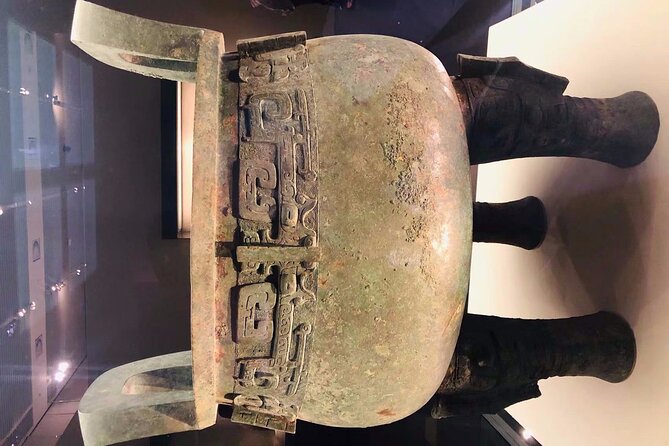
The gallery is designed for a lot more than “look and move on.” It’s where you’ll learn to read objects like evidence. A bronze ritual vessel isn’t just decoration. It’s a clue to belief systems, state power, and social order.
Here are some of the standout pieces and themes you can expect to see:
The highlights that make the room feel alive
You’ll likely encounter:
- Jade Dragon, often described as China’s first dragon, associated with early mythic power
- A famous two-thousand-year-old refrigerator display (yes, the idea is wild—your guide will put it in context)
- Si Mu Wu Ding, the hall treasure associated with a find in Henan province in 1939
- Siyang Fangzun, featuring horned sheep imagery positioned to suggest the four directions
- References to the Sanxingdui site civilization, which helps widen the story beyond one dynasty-centered view
- Relics moving from prehistoric periods all the way toward the 1911 revolution, so the timeline doesn’t stop “when it gets interesting”
Your guide’s job is to help you see why these objects matter. That includes pointing out details that most visitors miss when they’re just scanning labels.


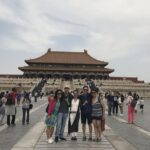



Dealing with crowds without losing the thread
Even with a guide, the museum can be very crowded. That’s not a small problem in a place this large. The good news: the guides on this tour use a practical approach—when galleries thicken up, they reroute you to keep the storyline moving instead of waiting in standstill lines.
This is where you’ll feel the difference between a generic audio tour and a real person. When you can’t see, a guide helps you adapt. When you can see, they help you understand.
Stop 2: Ancient Buddha Statues—and the Song Dynasty Guan yin moment
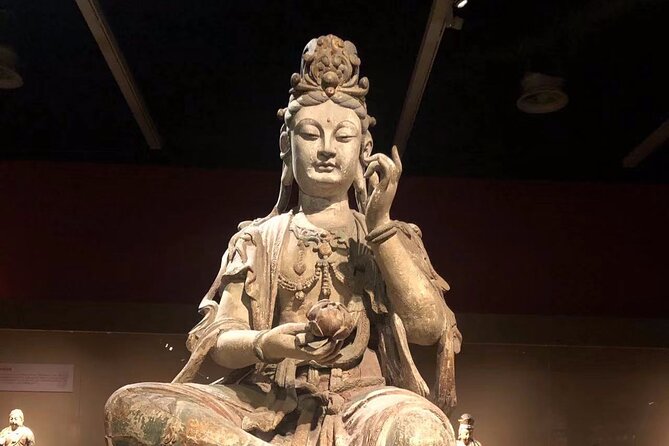
The second stop is about 1 hour in the Ancient Buddha Statue exhibition room. This section shifts the tone. You’re moving from early state artifacts and daily-life evidence into the visual language of faith.
The highlight here is a beautifully presented painted wooden Guan yin statue from the Song Dynasty. One of the guide’s jobs is to help you look slowly enough to catch the details that make this type of artwork feel almost human—softness in expression, posture, and how the paint and carving work together.
You may also see other related displays in the same general area, including a food culture exhibition component, depending on how your guide structures the walk that day.
Why this stop is worth your time
A lot of museum visitors get stuck in one mode: “ancient = cool objects” without understanding what religion and art were doing socially. Buddhist art in China is not just religious decoration. It’s a communication system—how people imagined compassion, how they built iconography, and how artists trained their eyes and hands to produce recognizable forms.
Even if you’re not religious, you’ll probably appreciate the craft. And if you are, you’ll like how your guide frames the statues in time, not just in theme.
The guide matters more than you think
This is one of the strongest parts of the experience. Multiple guides named in past visits—like Mike, Cathy, Diana, William, and Herbie—are repeatedly praised for English clarity and for keeping things human.
What you should care about as a traveler is simple:
- Clear English means you don’t miss context
- A good pace means you don’t burn your energy too early
- Humor and patience make a museum easier to enjoy when lines and crowds interfere
One of the most practical benefits is Q&A. If you’re the type who wonders how a specific dynasty lived, built, traded, or ruled, the guide is there to answer. That turns the museum from a viewing event into a learning session—without turning into a lecture marathon.
What to do before you go: small prep that pays off
You can’t change the fact that the museum is big and sometimes packed. But you can adjust your behavior so the time feels good.
- Wear comfortable walking shoes. You’re spending hours on your feet.
- Bring water. There’s no mention of meals in the tour details, so plan as if you might not have a sit-down break.
- Have a flexible mindset. In crowded rooms, your guide may shift what you see first.
If you’re a photo person, remember that crowding affects angles and timing. It’s not always about getting the “perfect shot.” Sometimes you’re better off letting a guide tell you exactly where to stand so you can actually see the object clearly.
Who this tour is best for
This works especially well if:
- You want a guided museum experience instead of a self-guided slog
- You like having museum entry and pacing handled for you
- You’re traveling with a group and want private attention
- You want help interpreting major highlights like ritual bronzes and Buddhist sculpture
If you’re the type who hates structure and wants total freedom, you can still visit the museum on your own. But you’ll likely lose the “why” behind what you’re seeing, and you may spend more time stuck in crowd bottlenecks.
Should you book this National Museum of China tour?
Yes—if you want the best parts of the museum in one focused half-day. The combination of English-speaking guide, tickets handled, and hotel pickup turns a potentially overwhelming museum into something you can actually remember and explain later.
Book it even more strongly if you know you’ll be stressed about getting tickets. This experience exists partly because museum entry can be tricky to manage on your own, and your time in Beijing is limited.
Skip it only if you already have the museum visit fully sorted, you plan to spend a full day inside, and you’re comfortable wandering without interpretation. For most people doing Beijing for the first time, the guided route is the efficient choice.
FAQ
What time does the tour start?
You’ll meet your guide at your hotel lobby at either 8:30am or 1:00pm, depending on which time slot you book.
How long is the tour?
It runs for about 4 hours total.
What does the tour cost?
The price is $114.00 per person.
Is hotel pickup included?
Yes. Hotel pickup is included, and your guide meets you at the hotel lobby.
How do you get to the National Museum of China?
The tour includes a transfer. You’ll go to the museum using public transit or a taxi, and a single way taxi transfer is included.
Are museum tickets included?
Yes. Admission tickets for the museum are included, and the service includes National museum tickets booking.
Is the tour private?
Yes. It’s described as a private tour/activity, so only your group participates.
What’s included besides the guide?
Included items are professional English speaking guide, hotel pickup, single way taxi transfer, and museum tickets booking. The tour also offers a mobile ticket.
What isn’t included?
Gratuities are not included (they’re recommended).
When do I need to cancel for a full refund?
You can cancel up to 24 hours in advance for a full refund.
Is this tour suitable for most travelers?
Yes. The tour information states that most travelers can participate.