REVIEW · BEIJING
Beijing: Hutong Culinary Walking Tour with 15+ Tastings
Book on GetYourGuide →Operated by Fun Beijing Travel · Bookable on GetYourGuide
Hutongs plus food means instant Beijing. This 3-4 hour walk mixes quiet Hutong lanes with 15+ tastings and Hutong stories from an English-speaking local guide who adjusts stops for your tastes (classic bites or bold picks). The main thing to consider: you may get offered stronger, spicier, or very adventurous options, so tell your guide what you want to skip before you start.
I like that it starts right at Dongsi Subway Station Exit B and stays practical. It is a private group tour with a guide holding your name sign, plus bottled water and local soft drinks while you sample handpicked neighborhood spots.
In This Review
- Key things to know before you go
- Dongsi Subway Exit B: The smooth start to Hutong eating
- 15+ tastings in 3-4 hours: how the pace works
- What to do if you get nervous about certain foods
- Typical tastings you’ll run into on the Hutong route
- Sesame cakes and Ma hua: your first sweet-and-crisp hits
- Dumplings and noodles: where technique matters
- Beijing Jar yogurt and Jianbing-style pancakes
- Crispy ring snacks and steamed rice cakes with sweet stuffing
- Malatang and hot pot style soup: when the heat becomes the event
- Baijiu and Xinjiang lamb skewers: the bold finish
- Xinjiang lamb skewers and Nang bread
- Eating etiquette and Hutong stories: why the guide matters
- Adventure-foodie options (and how to handle them)
- Weather, walking comfort, and what to bring
- Who should book this Hutong food walk
- Price and value: is $76 actually fair here?
- Should you book this Beijing Hutong Culinary Walking Tour?
- FAQ
- Where is the meeting point?
- How long is the tour?
- How many food tastings are included?
- Is the tour in English?
- Is hotel pickup included?
- What kinds of food could I try?
Key things to know before you go
- Meet at Dongsi Subway Exit B so you can arrive fast without guessing streets.
- 15+ tastings in 3-4 hours means you sample a wide mix without committing to full dishes at every stop.
- Your guide changes the route based on what you want: classic comfort snacks or more daring specialties.
- A real Hutong walking experience with stories about daily life, food traditions, and eating etiquette.
- You’ll likely try both sweets and savory from sesame cakes and yogurt to dumplings, pancakes, rice cakes, and more.
- Adventure items can show up (like intestine soup or 1000 year old egg), with some add-ons at your cost, such as bamboo worm.
Dongsi Subway Exit B: The smooth start to Hutong eating
You begin at Dongsi Subway Station, Exit B. If you prefer taxi over subway, you can still target the same exact spot. The guide meets you with a sign that includes your name, which matters in Beijing where entrances and lanes can feel like a maze.
Then you walk. Not a big bus ride, not a rushed van drop-off. The tour’s early moments focus on easing you into Hutong life: quiet lanes, small corners, and the sense that food here is part of everyday routines, not staged for tourists.
This is also the kind of start that helps first-timers. You get oriented in a real neighborhood setting while you’re actively tasting your way through it.
You can also read our reviews of more tours and experiences in Beijing.


15+ tastings in 3-4 hours: how the pace works
This tour is built for people who want maximum flavor per hour. With 15+ tastings included, the math works out better than paying for full meals plus add-ons one by one.
The pace tends to feel efficient in a good way. Multiple stops stay within close walking distance, and the food is served in a “try a bit, then move on” style so you can sample lots of items without feeling stuck at one restaurant.
What you should do on your side: arrive hungry. More than one guide is praised for how much food you end up eating, so skipping breakfast or lunch is usually the smart play. Think of it like a walking feast rather than a stroll with a few snacks.
What to do if you get nervous about certain foods
The guide adjusts stops to your preferences, so you are not locked into one narrow menu. If you’re worried about a specific item, say it clearly at the start. And if your comfort level changes during the tour, you can steer the remaining tastings toward safer picks.
Typical tastings you’ll run into on the Hutong route
The exact lineup can vary by day, but the tour is designed around a big spread of Beijing favorites and some region-by-region Chinese dishes. Here are the common types of tastings you should expect to see, and what makes them worth trying.
Sesame cakes and Ma hua: your first sweet-and-crisp hits
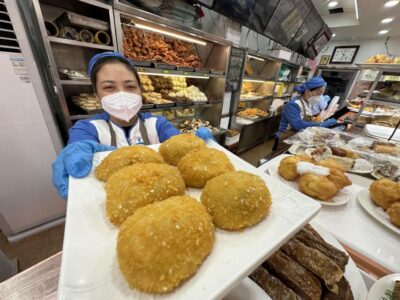
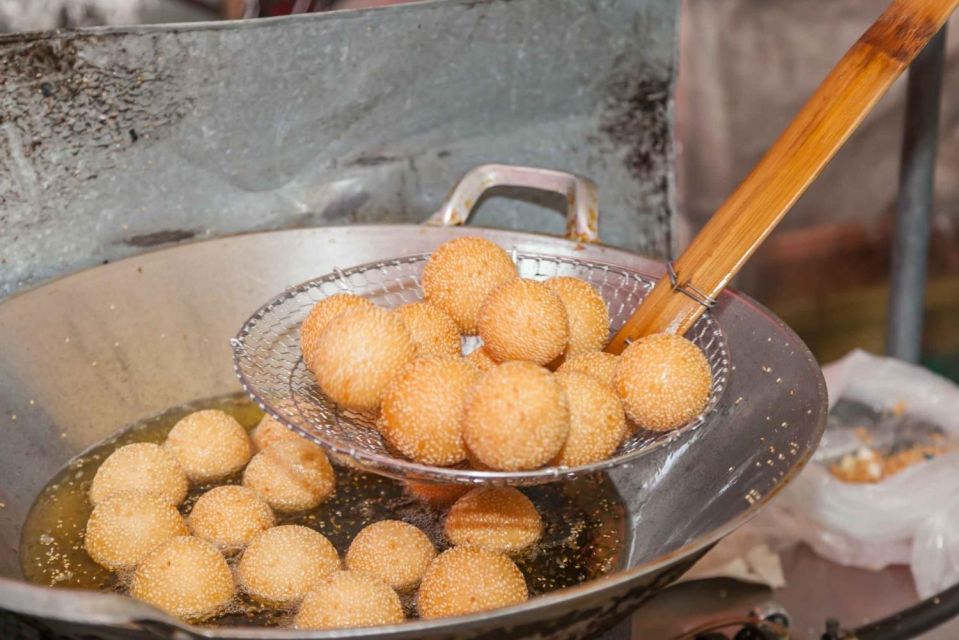
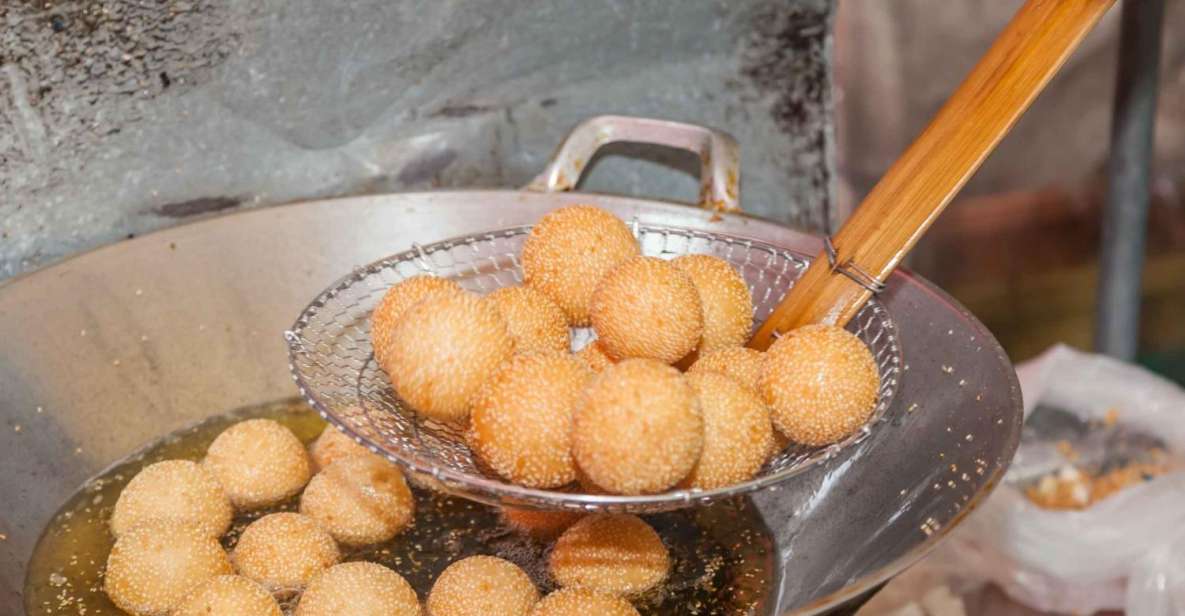
Sesame cakes often show up early. They’re made from sesame seeds, usually paired with honey for sweetness. This is a good entry for Hutong food because it’s familiar, easy to share, and clearly linked to snack culture.
Another common stop is Ma hua, a fried dough twist. It’s crispy, often sweet, and made for quick tasting. Even if you’re not usually a fried-snack person, this one tends to win people over because it’s warm and straightforward.

Dumplings and noodles: where technique matters
Soup dumplings are another frequent highlight on the route. They can feel small until you taste one well-made dumpling and realize how much work goes into the texture and the soup inside.
Cross Bridge Rice Noodles may also appear. This one originates from the Yunnan province, which is a neat reminder that China’s food stories overlap. In one neighborhood walk, you get a Beijing-centered experience plus touches from other regions.
If you love food details, this is a good tour for you. Several guides are praised for explaining origins and context, so you’ll likely understand why the dish exists and how it fits into local eating habits.
Beijing Jar yogurt and Jianbing-style pancakes
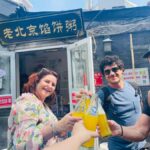
Beijing Jar yogurt can be part of the tasting list. It’s a local-style yogurt, and it works well as a palate reset between savory bites.
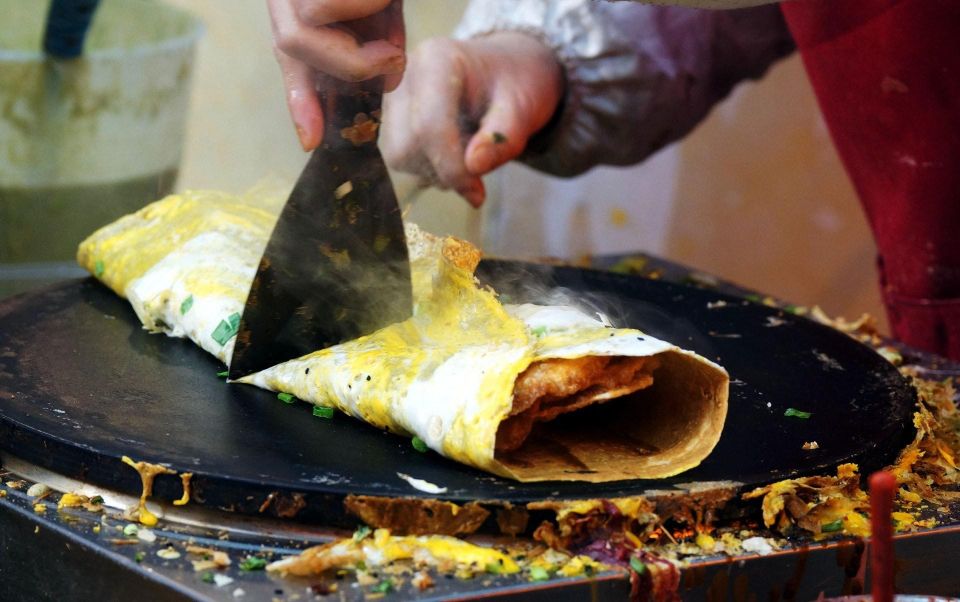
You might also see Jianbin, a fried pancake. It’s a crunchy, satisfying snack that helps balance sweeter items like sesame-based treats or rice-cake desserts.
Crispy ring snacks and steamed rice cakes with sweet stuffing
A crispy fried ring is another possible tasting. It’s the kind of household snack that makes you realize street food isn’t always complicated—it’s often about texture and repeatability.
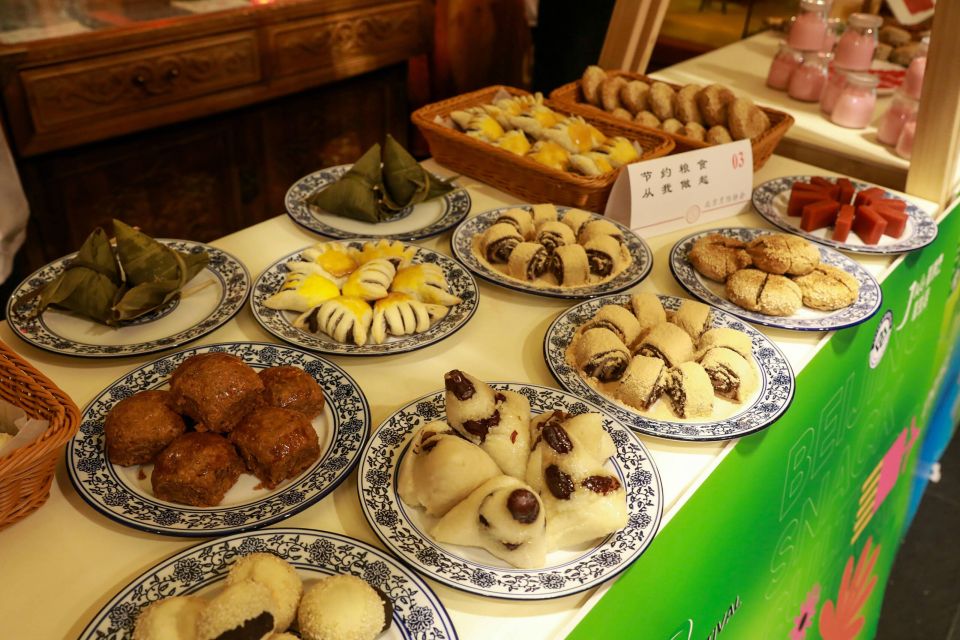
Steamed rice cakes with sweet stuffing are also common. These can be especially comforting during colder weather, and they offer that chewy-sweet contrast that pairs well with spicy or savory items later.
Malatang and hot pot style soup: when the heat becomes the event
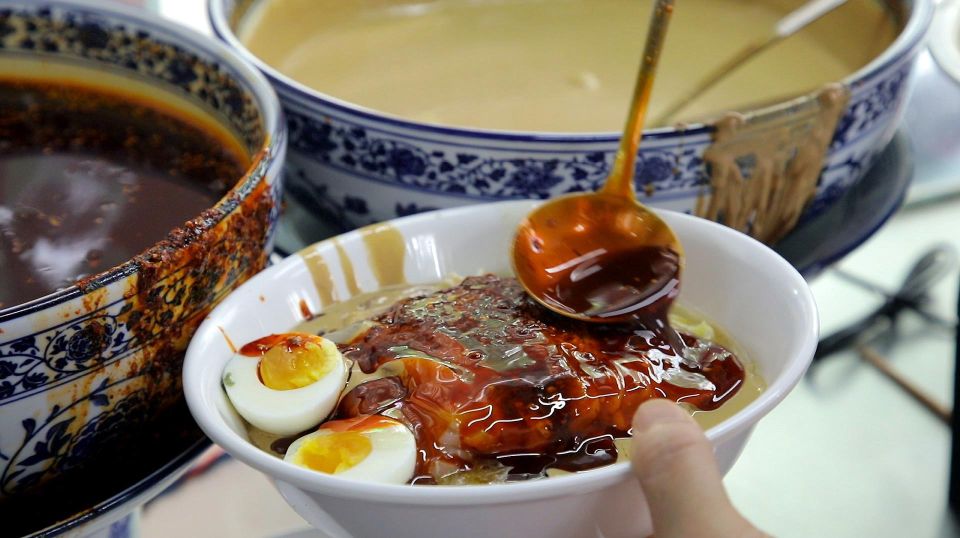
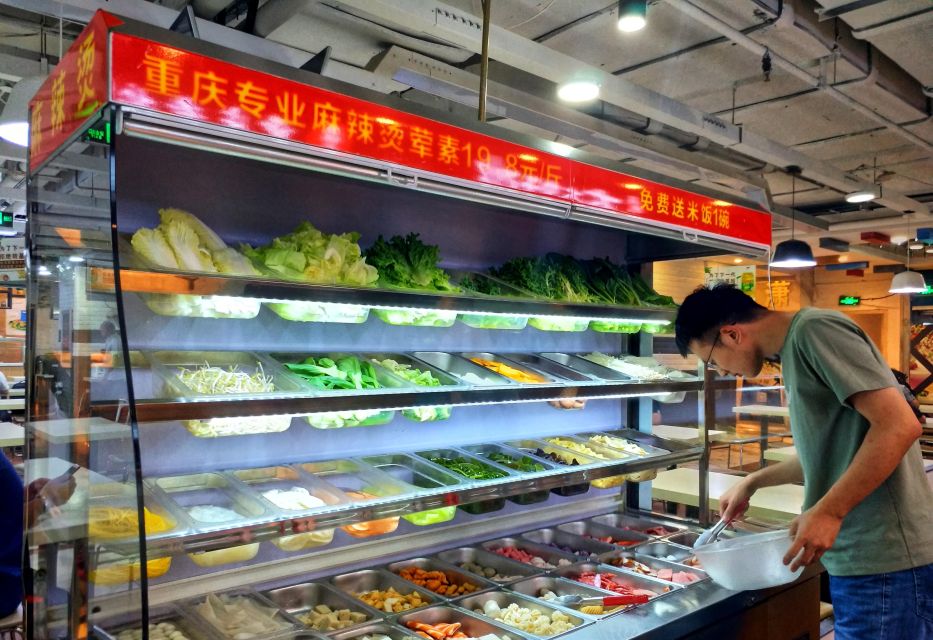
Later on, you may encounter Malatang. It’s part of the hot pot family, with a spicy hot pot soup base and a mix of ingredients such as vegetables, meats, seafood, and noodles.
This is where your guide’s “adjust based on preferences” skill really matters. If you like heat, this is a major payoff. If you don’t, you can ask for a gentler approach before the bowl lands in front of you.
A smart way to handle spicy tastings: take small bites, slow down, and drink water between rounds. The tour includes bottled water and local soft drinks, which helps you manage the burn without ruining the rest of your tastings.
Baijiu and Xinjiang lamb skewers: the bold finish
A tour like this wouldn’t be complete without a strong drink moment. Baijiu is typically included as a possible tasting, described as a colorless Chinese liquor with alcohol content around 35% to 60% by volume.
Even if you don’t plan to sip much, it’s worth understanding what you’re tasting. Baijiu has a big cultural role in Chinese dining, and guides often use it to explain hospitality and meal rhythm.
Xinjiang lamb skewers and Nang bread
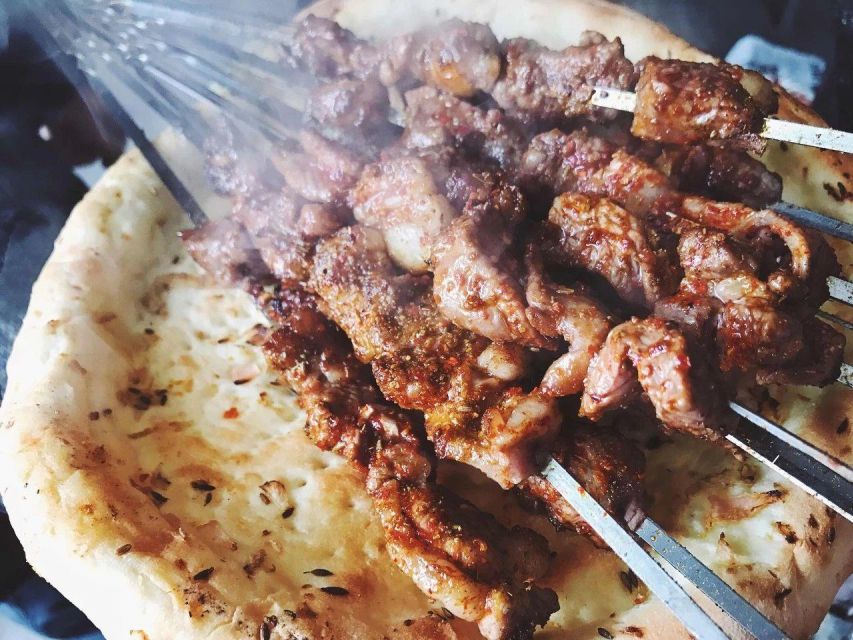
The tour can also include Xinjiang lamb skewers plus Nang bread and lamb or vegetable kabobs. This is a great contrast to classic Beijing snacks because skewers feel different—more smoky, more savory, and more “regional identity” on the plate.
If you like wandering food that mixes cultures, this is one of the best parts of the route. It’s also usually the part where your hunger finally turns into happy satisfaction because the flavors are bold and filling.
Eating etiquette and Hutong stories: why the guide matters
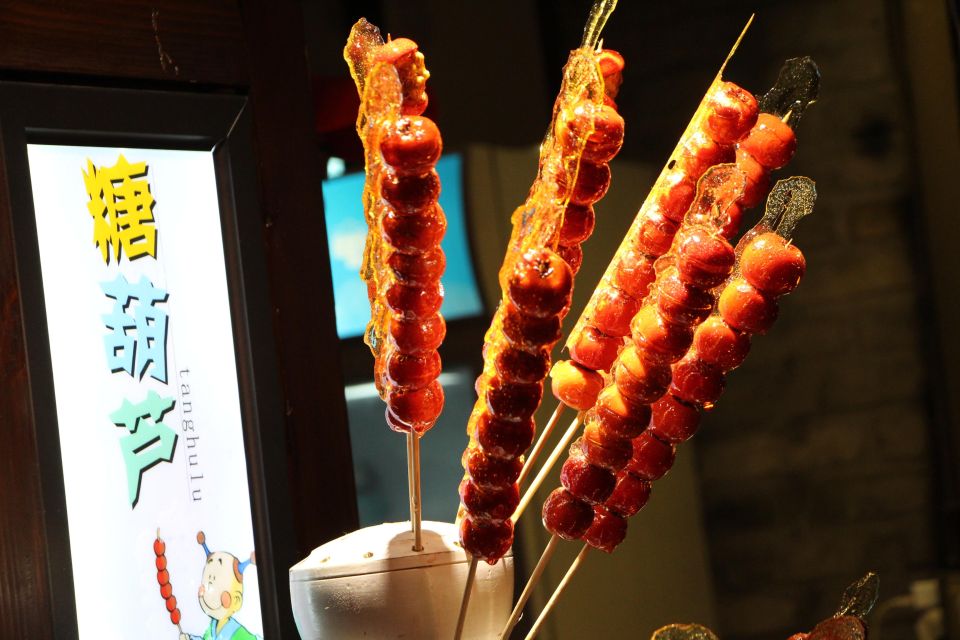
A big reason this tour works is the guide doesn’t just point at food. You also get lessons on Hutong stories, culinary traditions, and eating etiquette.
That matters more than it sounds. Etiquette is not about being fancy. It’s about not feeling clueless in small shops and understanding how locals expect you to eat, order, and share. When you know what’s going on, you relax. When you relax, you taste better.
Several English guides named in the experience are especially praised for explaining origins and connecting dishes to daily life in Beijing. Names you might encounter include Jimmy, Mike, May, Allen, Anson, Andy, Lucy, Miko, and Jay. The common theme in their feedback is simple: they make the food make sense.
Adventure-foodie options (and how to handle them)
If you’re an adventure food person, your guide may offer surprise items. From what’s listed, surprises can include donkey burger, fried liver, intestine soup, and 1000 year old egg. Bamboo worm may show up too, but it’s listed as at your own cost.
Here’s the practical part: if you want the tour to feel fun and not stressful, tell your guide your comfort line before the first surprise appears. You can also choose alternatives. One guide is described as offering a substitute when someone didn’t want an adventurous item like intestines, and that approach is exactly what you want from a good host.
No ego required. Eating should be your decision, not a test.
Weather, walking comfort, and what to bring
This is a walking tour through Hutong lanes. That means shoes matter. Wear comfortable footwear you can keep on for a few hours.
Weather can swing. One guest story notes the tour continued in pouring rain, which tells you the operator plans to keep going rather than cancel at the first drop. Bring a light jacket or umbrella, and dress in layers so you don’t overheat once you start eating.
Also: hydrate. The tour includes bottled water and local soft drinks, but you can still feel better if you step in with a normal day’s hydration level.
Who should book this Hutong food walk
This tour fits best if you:
- want a first-night introduction to Beijing flavors through one neighborhood area
- like variety more than one big signature meal
- enjoy learning how food connects to local life and traditions
- want a guide to handle the hard parts, like where to go and what to order
It’s also family-friendly in practice, with at least one guide described as making extra effort to include vegetarian options for a child. If you have dietary needs, tell your guide early so they can plan stops that work for your group.
It may be less ideal if you:
- hate spicy food or very strong flavors like baijiu
- want only familiar Western-style dishes
- want a slow, sit-down restaurant experience with long courses
Price and value: is $76 actually fair here?
At $76 per person, you’re paying for three things: guided direction, curated tastings, and time saved.
The value case is straightforward:
- 15+ tastings included means your money is spread across many small bites, not concentrated in one meal you might not love.
- You’re walking with someone who knows the local spots you likely would miss.
- The guide adds context and adjusts the route, which is harder to get if you’re self-guided.
Also, the tour includes bottled water and local soft drinks. That’s small, but it reduces little costs during a long sequence of tastings.
If you opt for hotel pickup, that can add convenience too, since you’re meeting at Dongsi Subway Exit B.
Should you book this Beijing Hutong Culinary Walking Tour?
If you want a focused Beijing experience that mixes food, neighborhood texture, and guide-led context, I’d book it. This is the kind of tour that helps you get your bearings fast and leave full—because it’s built around 15+ tastings and a route designed to keep you moving.
Book it especially if you’re excited to try a mix of Beijing snacks and bold regional bites like Xinjiang lamb skewers. And do it with confidence if you appreciate a guide who adapts to your comfort level, including swapping out adventurous items when needed.
Skip it only if you want a calm, low-key food day with minimal spice, or if you prefer to eat in one restaurant instead of hopping between small local spots.
FAQ
Where is the meeting point?
You meet at Dongsi Subway Station Exit B. Your guide will hold a sign with your name.
How long is the tour?
The experience runs for about 3-4 hours.
How many food tastings are included?
You get 15+ tastings included.
Is the tour in English?
Yes, the tour guide speaks English.
Is hotel pickup included?
Hotel pickup is optional. If you choose it, the guide arranges a private transfer and waits in the hotel lobby with your name sign.
What kinds of food could I try?
The tour may include items such as sesame cakes, Ma hua fried dough twist, soup dumplings, Beijing jar yogurt, Cross Bridge rice noodles, Jianbin fried pancake, crispy fried ring snacks, steamed rice cakes with sweet stuffing, Malatang, Baijiu, and Xinjiang lamb skewers with Nang bread. Adventure surprises like donkey burger, fried liver, intestine soup, 1000 year old egg, and bamboo worm (at your cost) may also appear depending on your guide and preferences.