REVIEW · BEIJING
Beijing Hutong Food Crawl Delights: Peking duck, Hotpot&More
Book on GetYourGuide →Operated by Discover Beijing Tours · Bookable on GetYourGuide
Beijing at night has a special rhythm, and this hutong food crawl fits it perfectly. I love that you get three real sit-down tastings—plus street snacks—so your dinner becomes a guided tour of flavors. The other big win for me is the live Peking duck carving show, which turns a meal into a moment you’ll remember.
The only real drawback to plan around is that this is a food-heavy 3-hour evening. If you’re not a duck or hot pot person, or you hate spice, you may want to go in with an honest appetite and clear preferences.
In This Review
- Key highlights you’ll care about
- Why This Beijing Hutong Food Crawl Feels Like Real Night Dining
- Dongsi Hutongs Start the Night (and Set Your Expectations)
- Peking Duck Stop: Crisp Skin, Tender Meat, and a Chef at Work
- Mongolian Hot Pot in a Charcoal Copper Pot
- Hutong Street Snacks: The Quick Hits Between Main Dishes
- Yunnan-Style Finale: Cross-Bridge Rice Noodles and a Sweet Wrap-Up
- Unlimited Beer and Sodas: What It Changes About the Value
- Group Size and Guides: Why Small Feels Better in the Hutongs
- What You’ll Learn Along the Way (Beyond the Menu)
- Who This Tour Is Best For (and Who Should Skip It)
- Should You Book This Beijing Hutong Food Crawl?
- FAQ
- How long is the Beijing Hutong Food Crawl Delights tour?
- Where is the meeting point for group tours?
- How does private tour pickup work?
- What food will I try during the tour?
- Are drinks included?
- Is the tour group size small?
- Is the guide available in English?
- Is free cancellation available?
Key highlights you’ll care about
- Three main stops that map out Beijing’s food culture from duck to hot pot to Yunnan noodles
- Live duck-carving right at the restaurant, with tips on how to eat it the Beijing way
- Mongolian hot pot in a charcoal-centered copper pot, built for steady simmering
- Street snacks between restaurants, so you’re not stuck eating only “official” dishes
- Unlimited beer and sodas included to keep the meal moving
- Small groups under 10, which makes it easier to ask questions and actually hear the guide
Why This Beijing Hutong Food Crawl Feels Like Real Night Dining
This isn’t a “big restaurant, lots of walking, quick bites” kind of tour. It’s built around the way people actually eat in Beijing—slow enough to enjoy, structured enough that you’ll try things you might miss on your own.
Two things I like a lot. First, you’re not just tasting dishes; you’re learning the food context—how hutongs shaped daily life, and why certain meals became classics. Second, the guide keeps things practical: how to order, what to look for, and how to combine flavors so everything tastes intentional, not random.
One more thing: you’ll end up in local spots hidden in hutong lanes. That matters because hutong restaurants often feel like you’ve walked into someone’s neighborhood, not a tourist stop.
You can also read our reviews of more tours and experiences in Beijing.

Dongsi Hutongs Start the Night (and Set Your Expectations)
Most group departures meet at Dongsi Subway Station Exit B. Dongsi is the kind of area where you can feel everyday Beijing life around you—shops, sidewalks, and people moving between errands and dinners. You’ll meet your guide and then switch into “eat-first, ask-questions-later” mode.
If you book a private car option, you might get hotel pickup, then the evening ends with drop-off back at your hotel. If you choose a meeting point, you’ll still start in Dongsi.
What to remember: hutongs are narrow alleyways with courtyard-house neighborhoods. Expect short walks, some uneven pavement, and weather that changes quickly in Northern China. Bring layers and shoes you trust.
Peking Duck Stop: Crisp Skin, Tender Meat, and a Chef at Work
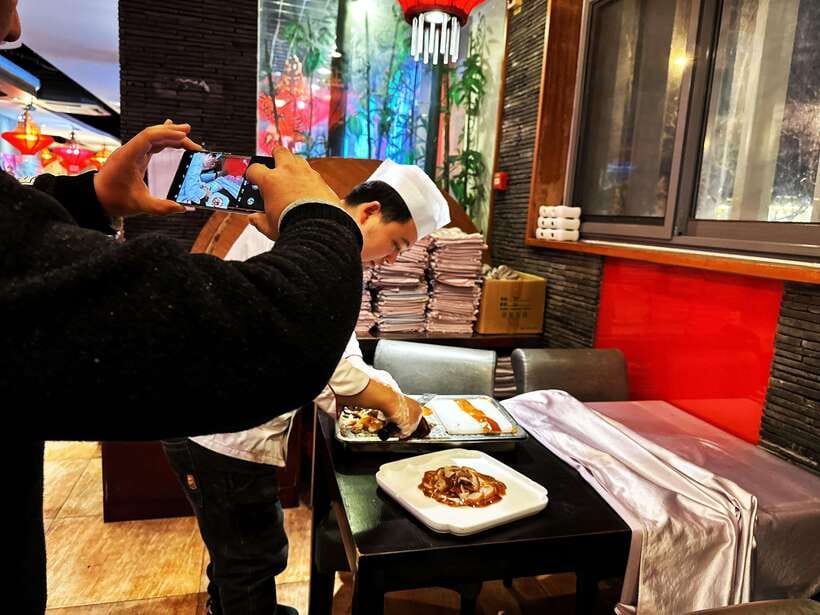
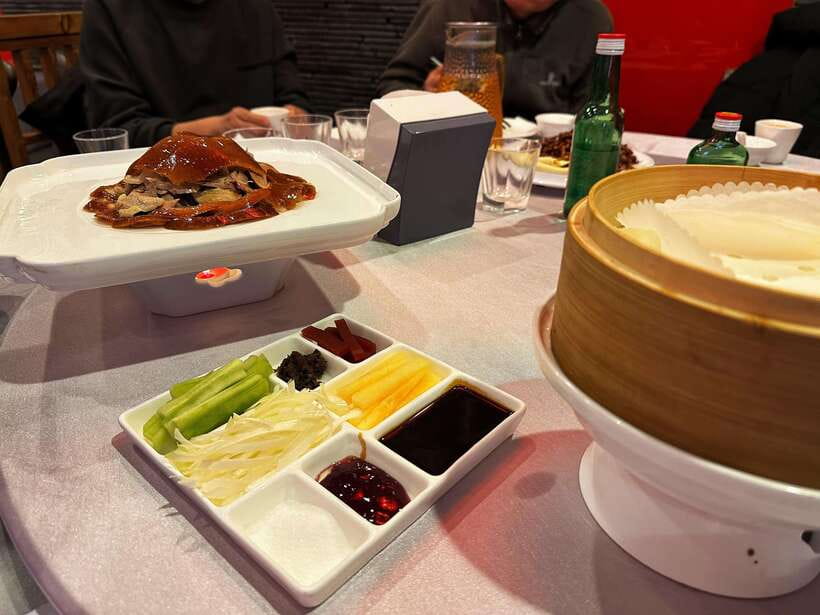
The Peking duck restaurant is the anchor stop of the night. Peking duck has a long reputation for a reason: the skin goes crisp while the meat stays tender, and the best meals treat the duck like an experience rather than a single dish.
Here’s what makes this stop special for your actual enjoyment:
- You’ll get a live duck-carving show, with a skilled chef cutting the duck right in front of you. Watching the slices come out cleanly makes the whole meal feel more precise.
- Your guide explains how to eat it properly—not just what it is. You’ll learn how to build each bite so the duck, the pancake/wrapper, and the sauces work together.
- You’ll also get help choosing other Beijing dishes that complement the duck. That’s useful because duck menus can be overwhelming if you’re trying to order alone.
A classic pairing is duck with Erguotou, a well-known local spirit. If you drink alcohol, this is where you’ll likely want to try it—your guide will help with pacing so you don’t feel rushed.
Practical note: duck is usually rich. Plan to slow down, take a real first bite, then adjust your pace. This stop is one of those meals where you’ll enjoy it more if you don’t rush to the next thing.
Mongolian Hot Pot in a Charcoal Copper Pot
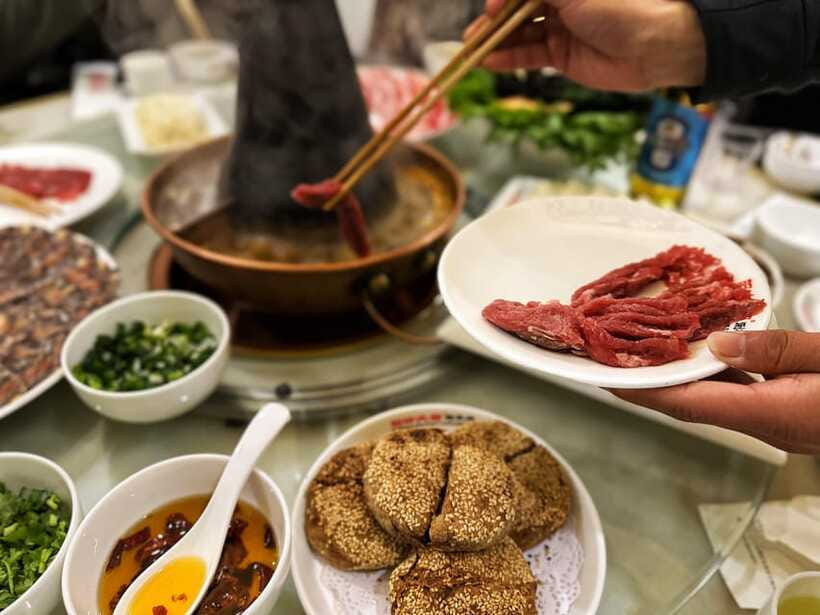
Next comes hot pot, the Beijing comfort-food engine. This version leans Mongolian in style, with the common hot pot idea: you simmer ingredients in a shared pot while you cook and dip as you go.
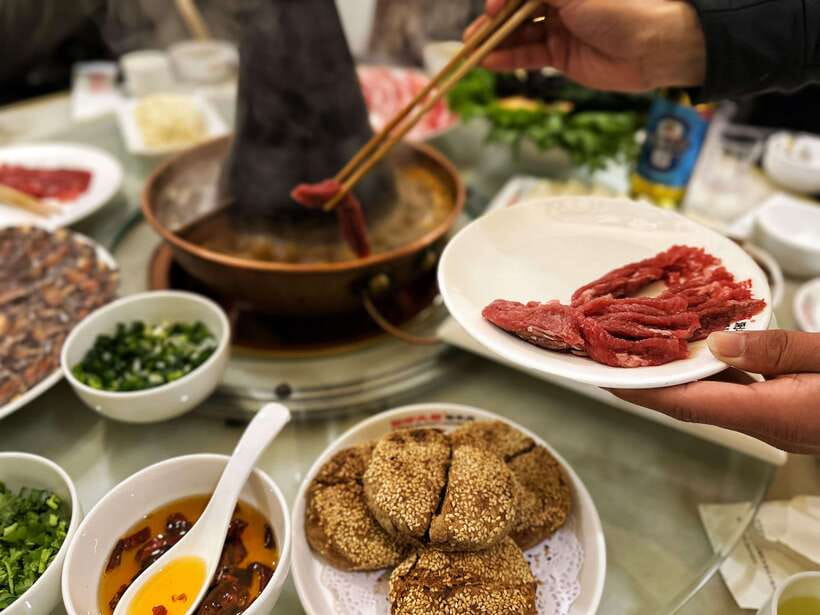
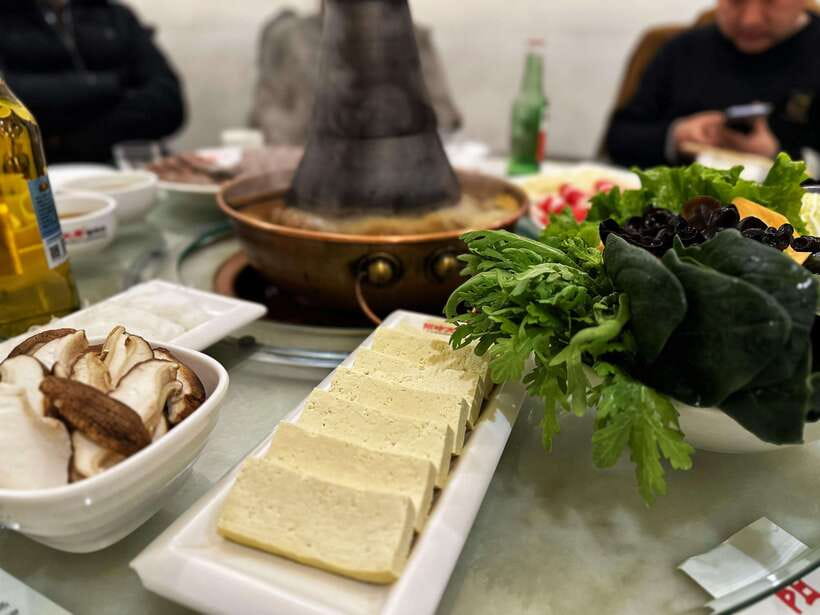
The setup matters. You’ll sit down with a copper pot and a charcoal-fired center, which keeps the broth simmering steadily. That steady simmer makes a difference: thinly sliced meats cook quickly, and the broth stays flavorful instead of going flat.
What you’ll typically get:
- Fresh, thinly sliced mutton as the main ingredient (you may also see options like beef and chicken)
- A variety of vegetables and mushrooms
- A dipping sauce that’s treated like a crucial ingredient, not a decoration
Sauce is where the tour earns its keep. A typical blend includes fermented bean curd, sesame paste, and sometimes a touch of chili oil if you like heat. You’ll want to sample sauce before loading your bowl, because the wrong dip can make good food taste off.
And yes, this is where the cold beer pairing shines. The tour includes unlimited beer and sodas, so you can match your drink to the heat and saltiness instead of rationing.
Possible drawback: hot pot can feel spicy or salty even when it’s not trying to be. If you’re sensitive, tell your guide early. They can help you adjust what you dip and what you choose first.
Hutong Street Snacks: The Quick Hits Between Main Dishes
Between the sit-down meals, you’ll sample roadside street snacks. This part is small but important. It gives variety—textures, flavors, and bite-sized surprises—so the evening doesn’t feel like you’re only eating “one cuisine, three times.”
I like this strategy because it keeps your taste buds awake. After duck, a snack resets your palate before hot pot. After hot pot, you’re ready for the comforting broth and toppings of Yunnan-style noodles.
Also, if you’re wondering what life looks like in hutong lanes after dark, this is your chance to see it without turning it into a museum. You’ll walk through narrow alleys where people eat, chat, and keep moving—very different from main-street tourism.
Yunnan-Style Finale: Cross-Bridge Rice Noodles and a Sweet Wrap-Up
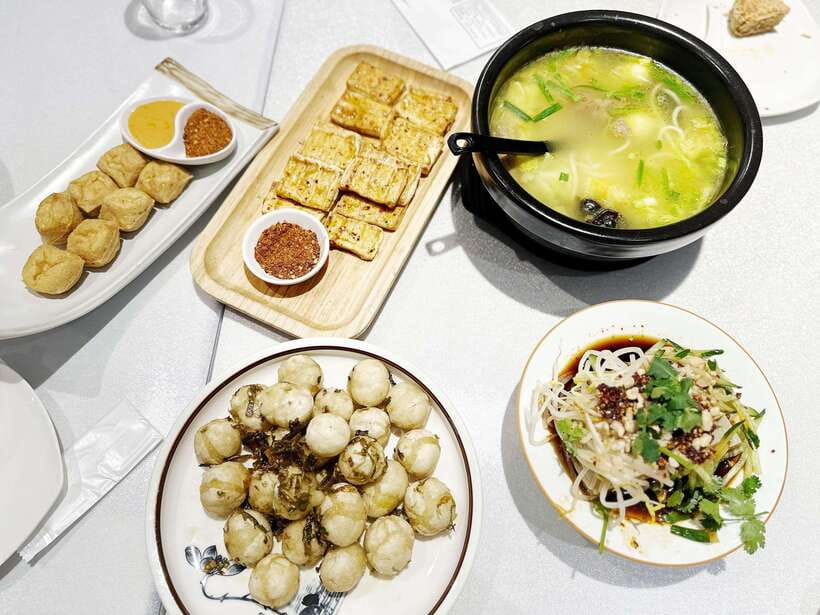
The final stop is Yunnan-style dining, tucked into the hutongs in a way that feels like it’s meant for regulars, not schedules. The centerpiece is cross-bridge rice noodles, a dish known for its rich broth and layered toppings.
This is the kind of meal that makes you slow down again. Cross-bridge noodles typically show up with a method that keeps the broth hot and the ingredients fresh, so everything tastes alive rather than reheated.
Alongside the noodles, you’ll likely see other comfort favorites such as:
- Roasted tofu
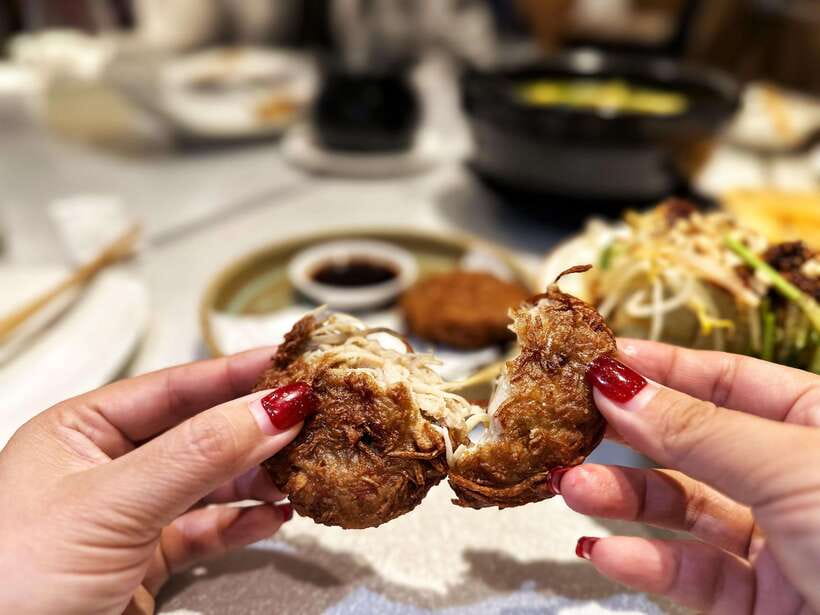
- Fried lotus root cakes
- Pickled cabbage stir-fried with sweet dumplings
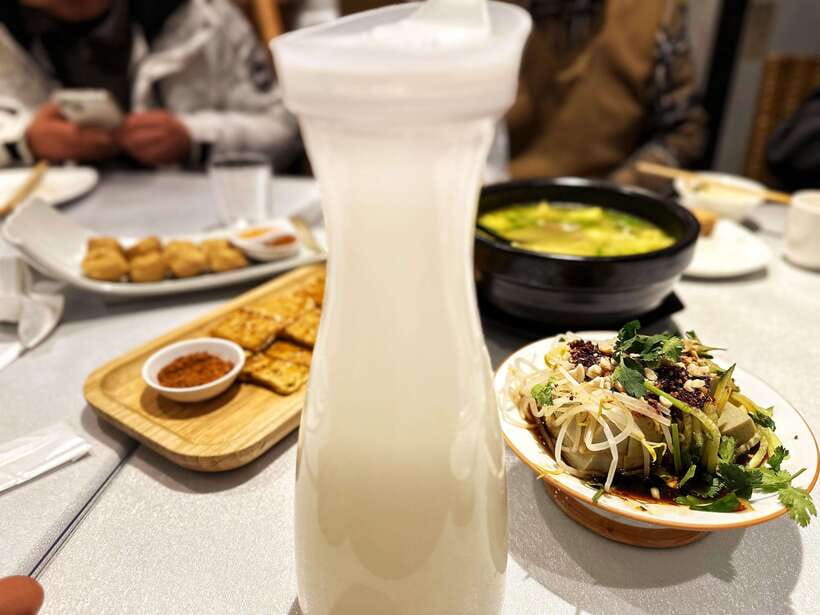
- A finishing drink: sweet and mellow rice wine
Even if you’re full, this stop has a built-in comfort factor. The flavors tend to feel rounded—savory, slightly tangy from pickles, then softened by sweetness. It’s a nice way to end a night that started with crispy duck and moved into brothy hot pot.
Tip for your order: save your rice wine taste for the end. It works best after you’ve handled the heavier savory dishes.
Unlimited Beer and Sodas: What It Changes About the Value
The tour price is $80 per person for about 3 hours, and what makes that value real is what’s included. You’re not just paying for a guide and walking. You’re paying for three food stops plus street-snack equivalents, and you also get unlimited beer and sodas to go with the meal.
That matters in Beijing, where a “food tour” can sometimes mean small samples that don’t feel like dinner. Here, the structure is dinner-like: multiple substantial tastings, not tiny cursor bites.
I also like the practical angle of including drinks. In a hot-pot setting, for example, you can balance saltiness and spice with something cold. In the duck stop, drinks can soften richness so you keep enjoying each plate.
If you don’t drink beer, sodas are included too—so you’re not locked into alcohol to get the full experience.
Group Size and Guides: Why Small Feels Better in the Hutongs
This tour runs with small capacity (under 10 people). For me, small-group matters because hutong dining is intimate. Tables are tighter, and the best part is being able to ask questions—about what you’re eating, how it’s made, and why it belongs in Beijing.
The guides have been consistently praised for being friendly, funny, and strong in English. Names that come up include Mike, Andy, Allen, Miko, and Anson. Even when the style varies, there’s a common thread: you’ll get stories that connect food to everyday Chinese life, plus answers that go beyond the menu.
If you want a guide you can actually talk to—not just listen to from a distance—this size helps.
What You’ll Learn Along the Way (Beyond the Menu)
You’re tasting dishes, but you’re also getting a mini lesson in how hutongs shaped food culture. The guide will introduce the history of the hutongs, and then connect that setting to meals—why certain cooking styles became common, and how people developed habits around shared dining.
This is not academic trivia. You’ll notice it while eating. When you understand where the food fits in daily life—courtyard neighborhoods, busy streets, and shared tables—your meal makes more sense.
Who This Tour Is Best For (and Who Should Skip It)
This is a strong fit if you:
- Want a guided way to eat Peking duck, Mongolian hot pot, and Yunnan cross-bridge noodles in one night
- Like off-the-main-road places tucked into hutongs
- Appreciate a tour that explains what you’re eating and how to eat it
- Prefer English-speaking guides and small groups
You might want to skip or rethink if you:
- Can’t eat duck or you strongly dislike hot pot
- Have spice sensitivities and don’t want to manage sauces or broth adjustments
- Expect a light, snack-only evening
Should You Book This Beijing Hutong Food Crawl?
If you like the sound of a real dinner made of three tastings—duck, hot pot, and cross-bridge noodles—this tour is an easy yes. The best part is the combination: hutong walking plus food that’s both iconic and varied, with a live carving moment and unlimited drinks that make the experience feel complete.
Book it if you only have one evening for a focused food plan and you want local restaurants you wouldn’t find by yourself. If your budget works, come hungry, be honest about spice, and wear shoes that handle hutong sidewalks.
FAQ
How long is the Beijing Hutong Food Crawl Delights tour?
The tour lasts about 3 hours.
Where is the meeting point for group tours?
Group tours meet at Dongsi Subway Station Exit B.
How does private tour pickup work?
Private tours can include optional hotel pickup with a driver and guide. You can also choose a meeting point at Dongsi Subway Station Exit B.
What food will I try during the tour?
You’ll taste Peking duck, Mongolian hot pot, and Yunnan-style cross-bridge rice noodles, plus street snacks and additional dishes like roasted tofu and fried lotus root cakes.
Are drinks included?
Yes. The tour includes unlimited beer and sodas (and featured drinks) to complement your meal.
Is the tour group size small?
Yes. It runs as a small group with fewer than 10 people.
Is the guide available in English?
Yes, the live tour guide speaks English.
Is free cancellation available?
Yes. You can cancel up to 24 hours in advance for a full refund.