REVIEW · BEIJING
Beijing: Hutong Private Culinary Walking Tour
Book on GetYourGuide →Operated by Discover Beijing Tours · Bookable on GetYourGuide
Beijing’s Hutong food scene hits different at night. This private culinary walking tour turns the backstreets into a food lesson, with an English guide and a plan that feels personal instead of crowded. I especially like the 20+ tastings across markets, bakeries, and small local stops, and I also like how guides such as Anson and Lucy are known for clear English and easy explanations.
I also like that the route can be tailored to dietary requirements, so you’re not stuck with a one-size-fits-all menu. One possible drawback: some tastings include unusual ingredients (for example offal-based broth items) and there’s an option for stinky tofu, so you’ll want to flag strong dislikes early.
In This Review
- Quick reasons this Hutong culinary walk works
- Hutong after dark: why private feels more local
- Getting to the lanes: hotel pickup, car option, and subway reality
- 20+ tastings on real streets: what you’ll eat and why it matters
- Savory street eats and breakfast-style favorites
- Fermented, fried, and sweet snacks
- Bread, cakes, and offbeat regional items
- Dumplings and hot snacks (and a stinky tofu option)
- Doughy treats and sticky rice cakes
- Drink and alcohol note
- Step-by-step flow: how the tour moves through Hutong food culture
- 1) Meet, head to the Hutong area, start with orientation
- 2) Market and shop stops: watching, ordering, and asking
- 3) Historical sights with food context
- 4) Lots of interaction, not just eating
- Guide style that makes or breaks a food tour
- Optional upgrade: Peking duck or hot pot dinner with locals
- Price and value: is $79 worth it for 4 hours and 20+ bites?
- Who should book this Hutong culinary walk
- Small practical notes that help you enjoy it more
- Final call: should you book this Hutong culinary walking tour?
- FAQ
- How long is the Beijing Hutong private culinary walking tour?
- Where does the guide meet me?
- Is the tour private?
- Can the food tastings be adjusted for dietary needs?
- What’s included in the price, and what’s not?
- Can I add Peking duck or hot pot to the tour?
Quick reasons this Hutong culinary walk works
- Private group pace means you can linger over questions and answers.
- Hotel pickup and drop-off saves you time, especially for evening plans.
- 20+ tastings across more than seven stops gives real variety, not just one snack stop.
- Diet tailoring lets you steer the menu toward your needs.
- Owner-style local stops add context beyond eating.
- Optional dinner upgrades (Peking duck or hot pot) can turn a tasting tour into a full meal.
Hutong after dark: why private feels more local
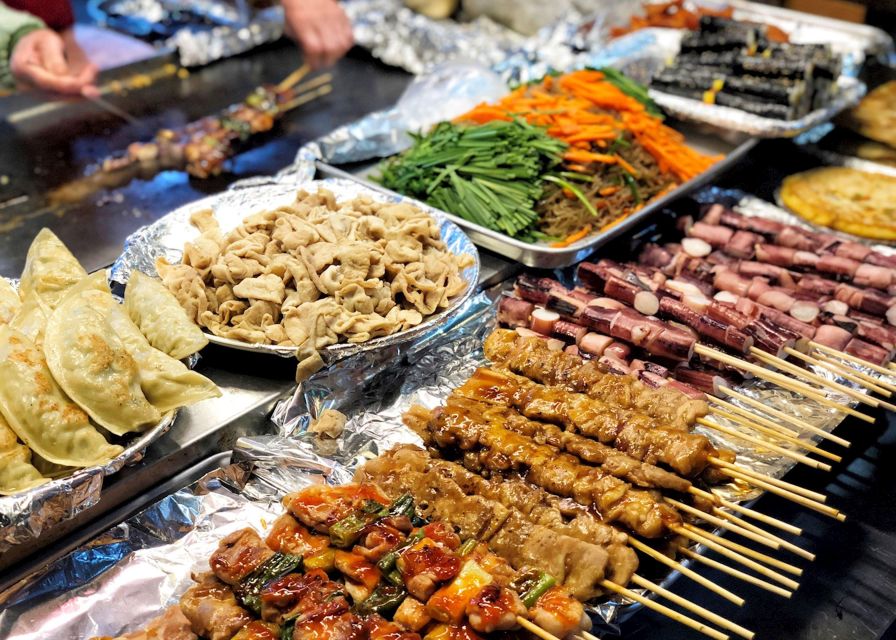
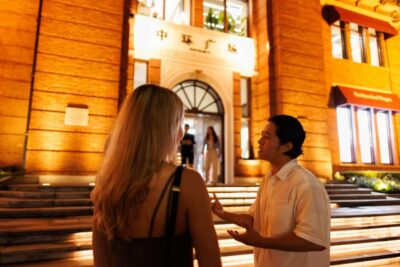
Hutong lanes can feel like a movie set when you’re on a normal group tour. A private setup changes that. You get to move at the speed of real conversation: ask questions, pause to watch how something is made, and learn what to look for without trying to catch up to everyone else.
In this 4-hour format, you’re not just eating random snacks. You’re walking through the Hutong neighborhood as a place where people actually shop, cook, and snack. That’s the magic: you see how food fits into daily life, not just into a tourist itinerary.
It also helps that the guide is an English-speaking foodie guide who explains what you’re eating and why it matters. You get the practical side of Chinese eating habits too—how the flavors make sense together, and how regional choices influence what shows up in a shop window or street stall.
You can also read our reviews of more tours and experiences in Beijing.


Getting to the lanes: hotel pickup, car option, and subway reality
The plan starts with the guide meeting you in your hotel lobby, holding a sign with your name. From there, you head to the Hutong area.
You have two main ways to get there:
- If you choose the private car/minivan option, you go by car.
- If you choose the option without transfer, you travel on your own (the subway is specifically mentioned, and the transportation fee is not included).
That detail matters. Beijing can be easy and confusing at the same time—subway routes are solid, but with an evening tour and lots of food, you’ll appreciate a pickup if your hotel is far from the Hutong area. If your hotel is well-positioned, taking the subway can still work well, but you’ll want to factor in your own transit time and energy.
The tour runs for about 4 hours, which is long enough to taste a real cross-section of street-food types, but short enough to still enjoy the rest of your Beijing evening.
20+ tastings on real streets: what you’ll eat and why it matters
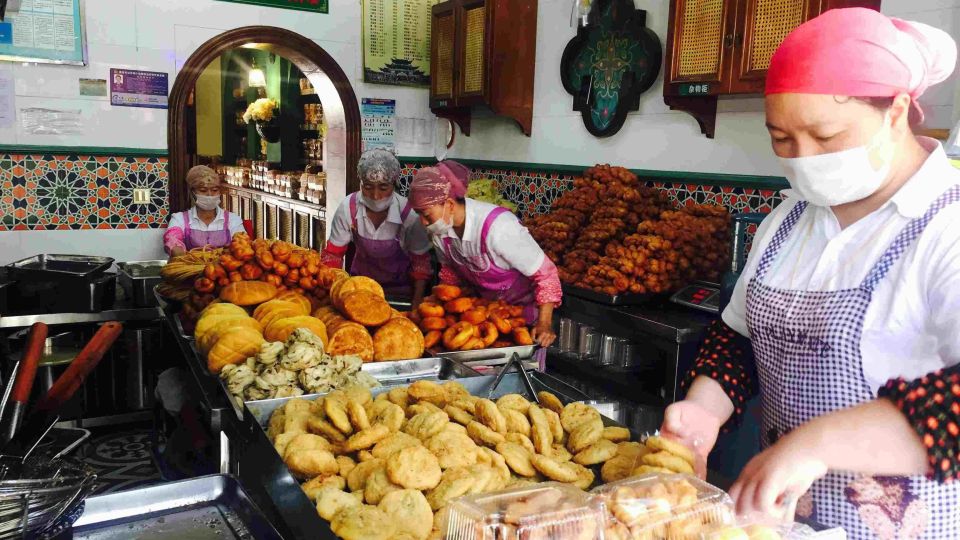
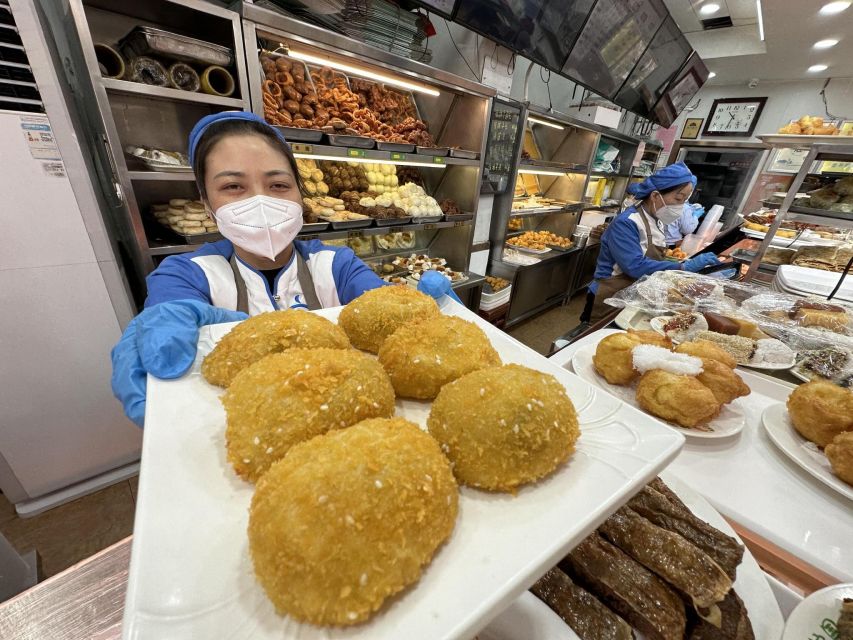
This tour is built around 20+ different food tastings across more than seven stops. That’s not a gimmick number. It’s the difference between a “light snack” and a real food tour where you can compare textures, sweetness levels, and regional influences.
Here’s what’s on the menu, with a quick sense of what each item is like:
Savory street eats and breakfast-style favorites
- Jianbing: a thin millet flour pancake, usually folded and filled right in front of you. Great for learning how Chinese street breakfasts work.
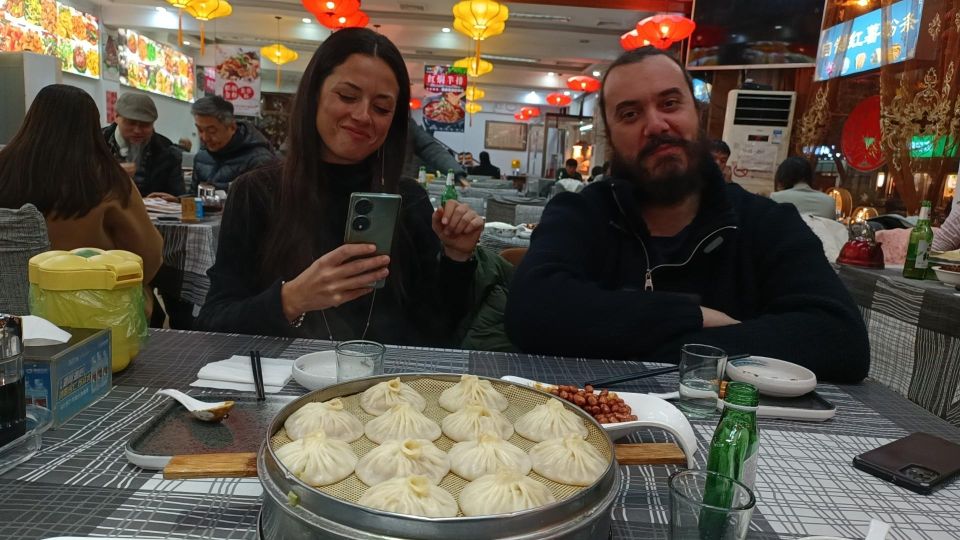
- Baozi: round steamed dumplings. Comfort food energy, and an easy baseline flavor to compare with other items.
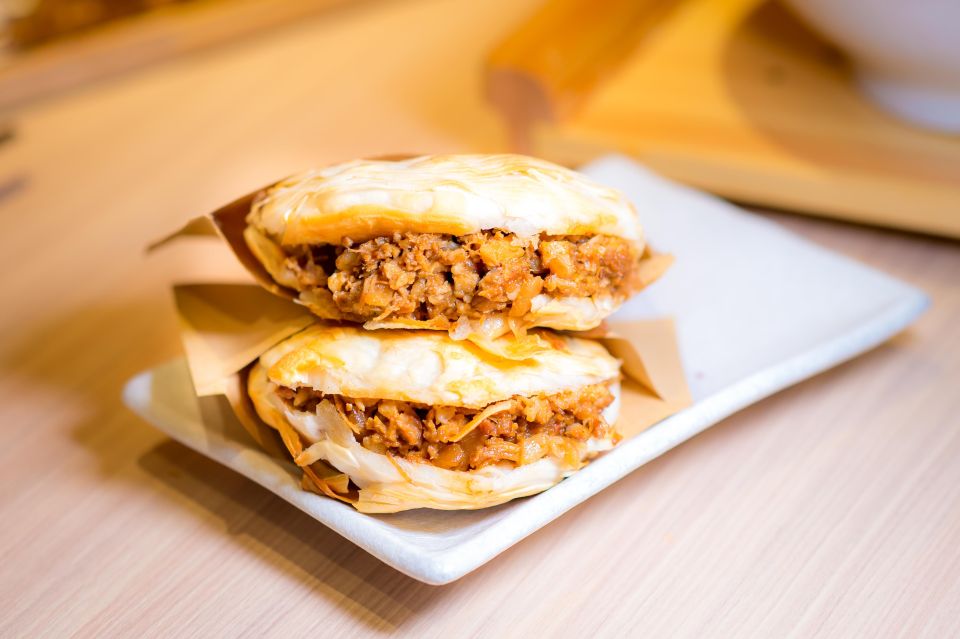
- Roujiamo: beef in bread, often called a Chinese burger by people who need a quick translation. It’s handy for understanding how “bread + filling” traditions vary by region.
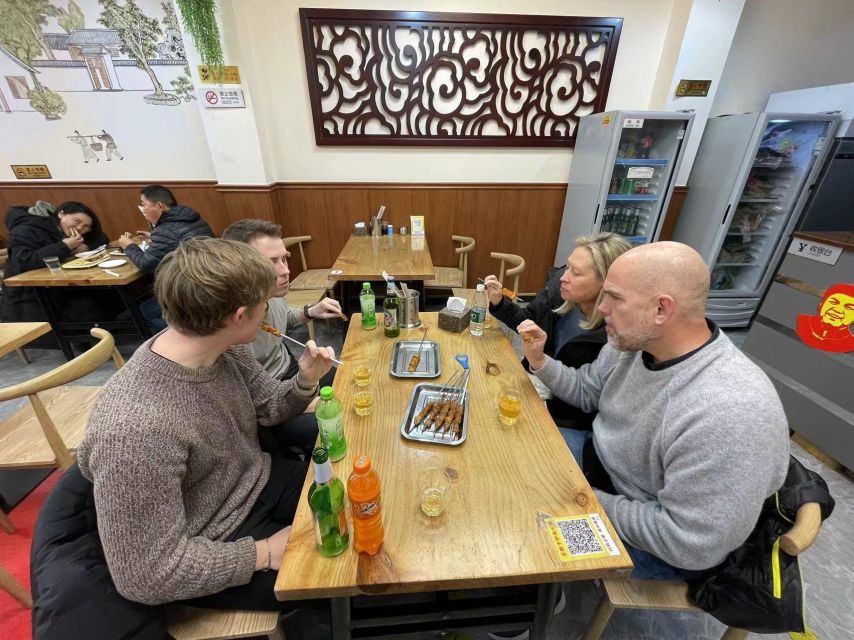
- Muslim kebabs (including lamp kebabs, leek, eggplant, etc.): you get a strong sense of how different communities shape street food around grilling and skewers.
Fermented, fried, and sweet snacks
- Ma dou fu: dried fermented mung bean juice. Bold and funky by design—this is where you learn what people mean when they say acquired taste.
- Tang Er duo: fried sugar cake. Crunchy outside, sweet inside.
- Ma Hua: fried flour. Another classic “why does this taste so good?” snack moment.
- Zha guan chang: fried corn flour cakes. Crispy, snackable, and different from typical wheat-based treats.
- Beijing suan nai: a yogurt-style drink or snack (sweet-sour is the vibe). It helps reset your palate between savory bites.
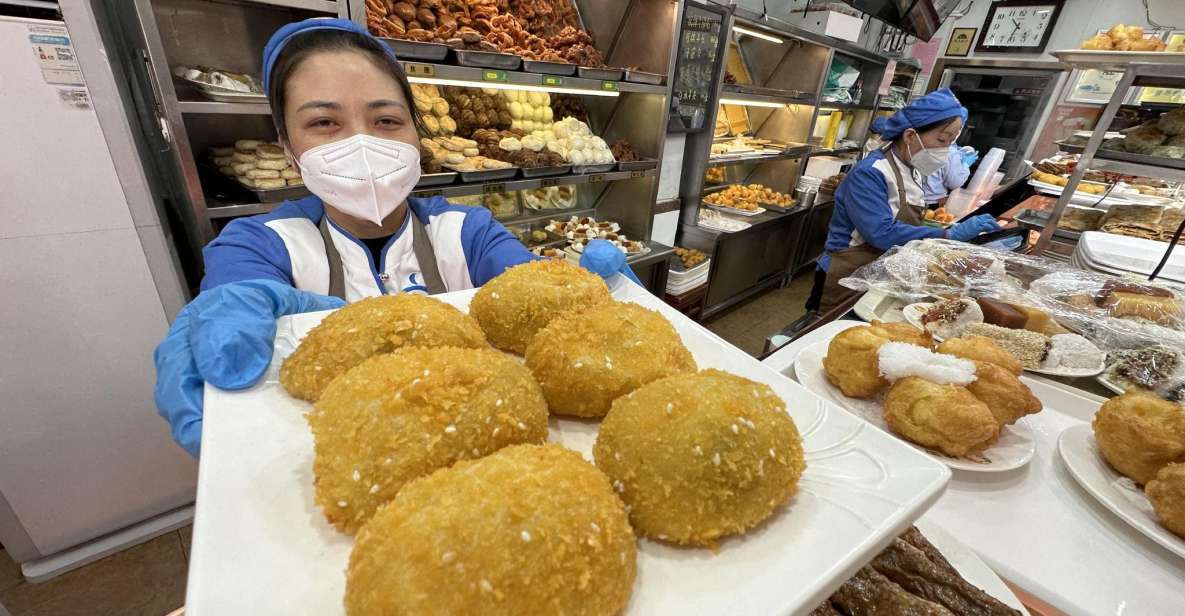
- Moon cake fried bread with red beans: a sweet bite with a familiar flavor in a street-food format.

Bread, cakes, and offbeat regional items
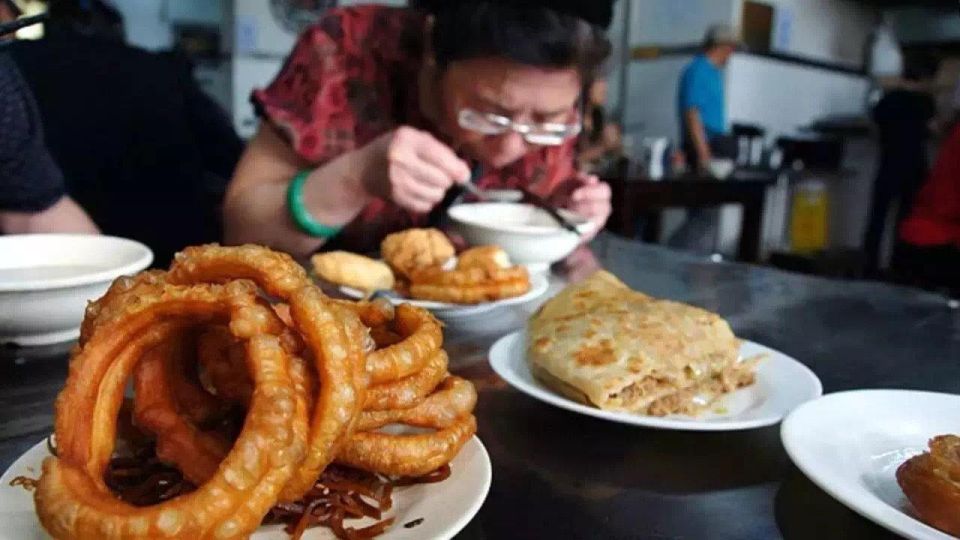
- Shaobing: baked sesame seed cake. Often layered with aroma from sesame and crisp edges.
- Ma hua-style fried items: again, lots of this tour is about comparing “fried dough” traditions across different bases and fillings.
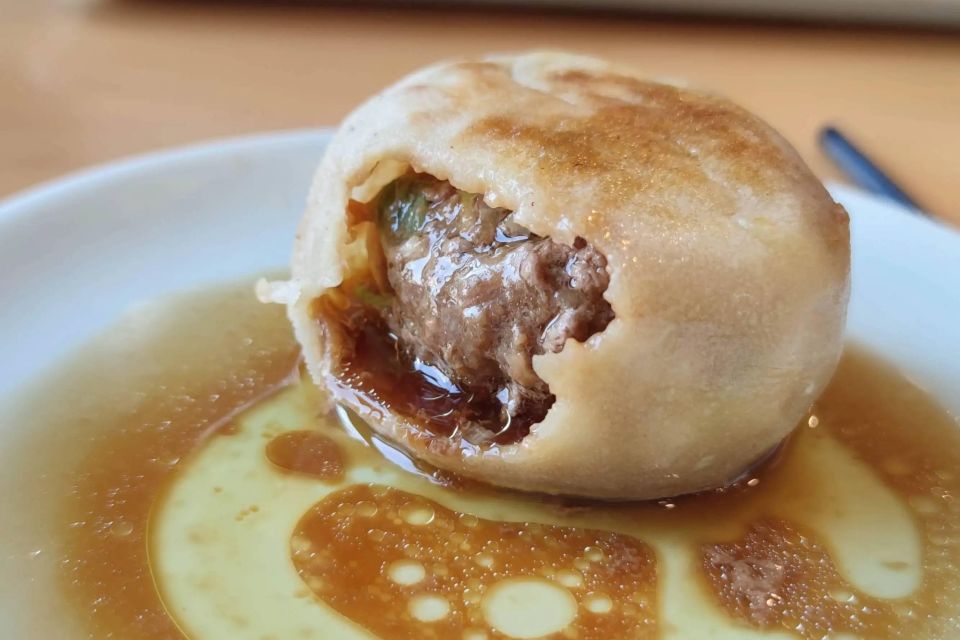
- Luzhu huosha o: wheaten cake boiled in meat broth (pig’s intestine and liver). This is the big “pay attention” item on the list. If you’re curious about real local cuisine, it’s a strong example of how “everything” gets used in traditional cooking.
Dumplings and hot snacks (and a stinky tofu option)
- Stinky tofu is offered as an option. This means you’re not automatically getting it—you can choose, which makes it more comfortable if you’re unsure.
- There’s also a Beijing snacks set (around 6–10 different snacks), which helps you sample without having to chase every single stall type.
Doughy treats and sticky rice cakes
- Hunan snacks: steamed and fried cakes made of sticky rice. If you like chewy textures, this part is worth paying attention to.
- Baozi, dumplings, and cakes also give you a sense of how different regional dough traditions show up across markets and bakeries.
Drink and alcohol note
- Baijiu is included as part of the tastings list.
- Alcohol is listed as not included, so the safest way to think about this is: you may taste baijiu, but you shouldn’t assume you’re getting alcohol poured in like a meal pairing. If you want to avoid alcohol completely, you’ll want to tell the guide up front so they steer you toward non-alcohol tasting choices.
The payoff of all this variety is that you can actually see patterns: sweet snacks often come between savory bites to reset the mouth; wheat-based items show up in different forms; fermented items teach you what locals mean by depth of flavor.
And if you’re the type who hates wasting food, this tour is useful: you’ll taste enough to find what you genuinely like, not just what sounds interesting on a list.
Step-by-step flow: how the tour moves through Hutong food culture
The exact order can vary, but the structure is consistent: you start with a neighborhood transition, then you move stop-to-stop through places that serve real locals.
Here’s how to think about the flow:
1) Meet, head to the Hutong area, start with orientation
After pickup, your guide gets you oriented before the eating really ramps up. That’s where you learn what you’re about to experience, and it helps you ask better questions once you’re standing at a counter.
2) Market and shop stops: watching, ordering, and asking
You’ll hit different types of food locations—markets, shops, bakeries, and restaurants. This matters because each stop type has its own rhythm:
- Markets emphasize selection and speed.
- Bakeries focus on dough and method.
- Restaurants often slow things down and add context.
Your guide also offers food facts, including an overview of Chinese culinary habits and a quick read on regional cuisine. The goal is to help you decode what you’re eating rather than just sampling.
3) Historical sights with food context
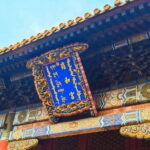
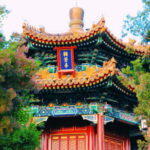
You’ll also explore historical sites that few tourists get to see. The point is not history as a lecture. It’s history as background for why certain foods and shop styles survived here.
4) Lots of interaction, not just eating
You can interact with the guide and ask questions as much as you want. That’s a big reason the private format works: you’re not stuck nodding politely while the group marches on.
Guide style that makes or breaks a food tour
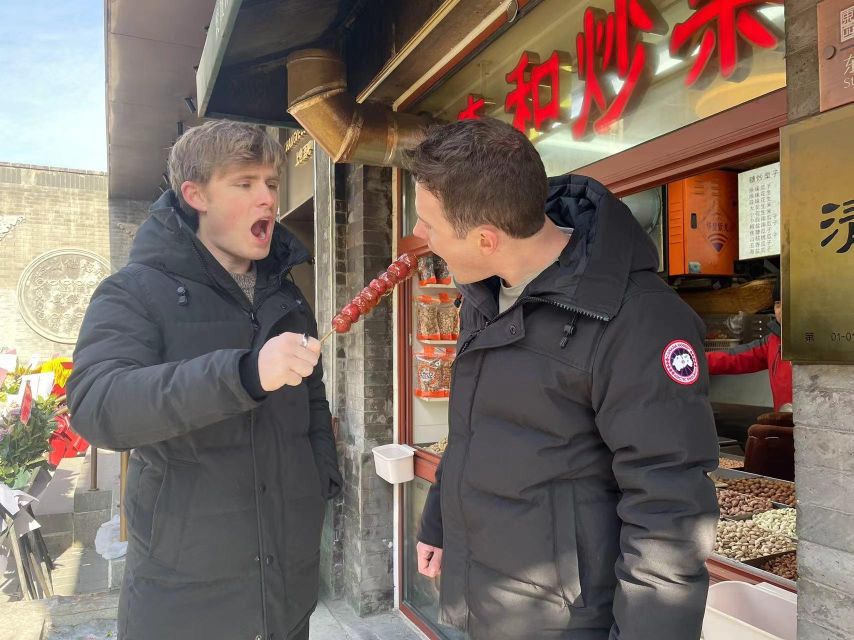
This tour lives or dies on the guide. The structure gives you the food, but the guide makes it meaningful.
You’ll see that in how guides such as Andy, Miko, Jay, Jimmy, and Mike are described: they explain clearly, they adjust on the spot, and they keep the tone friendly instead of stiff.
A few things that are especially valuable:
- Diet adjustments: One guide experience highlighted that a guide ordered only what the person liked. That’s what tailoring should feel like—less guesswork, more yes.
- Food + city context: Some guides focus on Beijing food history and what locals expect from each bite.
- Pacing and comfort: With so many tastings, you want someone who knows when to slow down and when to keep moving.
If you’re sensitive about certain textures or flavors, or if you’re excited to try the more intense items, tell your guide early. Most of the value here comes from matching your curiosity level.
Optional upgrade: Peking duck or hot pot dinner with locals
If you want more than snacks, you can add a dinner. The tour offers upgrades for a Peking Duck or Hot Pot dinner, eaten with the locals.
This upgrade is a smart move when:
- You’re hungry and want a full meal, not just tastes.
- You want to connect the earlier street snacks to a more “sit-down” Beijing classic.
- You like the idea of a guided transition from quick bites to a proper dinner table.
One practical tip: decide your comfort level with strong flavors and thicker sauces. Hot pot can be flexible, but it’s still a hot, intense meal style. Peking duck is a classic for a reason, but it’s also rich—so it helps to pace yourself through the walking tastings.
This is also where you’ll likely appreciate the private pacing. After 20+ bites, a guided dinner keeps the experience from feeling like a food marathon with no rhythm.
Price and value: is $79 worth it for 4 hours and 20+ bites?
At $79 per person for 4 hours, the question isn’t just cost. It’s how much food, guidance, and convenience you’re getting for that price.
You’re paying for:
- Hotel pickup and drop-off
- An English-speaking guide
- A private group
- 20+ tastings across more than seven stops
- Guidance that helps you understand what you’re eating (not only what it is)
Compared to doing this on your own, the biggest savings is time and guesswork. Hutong food spots aren’t labeled like theme parks. A guide also saves you from ordering the wrong thing when you’re unsure what’s inside.
The main cost risk is also simple: if you end up not liking several of the unusual items (fermented or offal-based dishes, for example), the tour can feel like a lot to spend. The counter to that is the tour’s ability to tailor what you eat based on dietary requirements—and you should absolutely use that feature.
My take: if you want a real taste of Hutong and you’re open to trying a wide range of Chinese snacks, the price is a reasonable trade for the amount of food and the local context.
Who should book this Hutong culinary walk
This tour is a great fit for:
- People who like street food but don’t want to spend hours figuring out where to go.
- Food-curious guests who enjoy variety and can handle a range of flavors.
- Anyone who values a private pace and wants questions answered in English.
- Visitors staying in Beijing who want an evening plan that feels local, not staged.
It may be less ideal if:
- You avoid foods with strong fermentation notes or unfamiliar ingredients.
- You hate walking for a full 4 hours at night. (The tour is a walking format, and Hutong streets can involve uneven sidewalks and changes in pace.)
- You want a low-food, high-lounge style experience. This is built around eating.
Small practical notes that help you enjoy it more
A few things I’d plan around so the tour feels effortless:
- Go hungry, but not panicked. You’re getting enough tastes that you’ll feel satisfied by the end.
- Tell the guide your hard no items early, especially if you want to avoid offal-based broth items or stinky tofu.
- Expect a mix of sweet and savory. That’s how the tour resets your palate across many bites.
- If you choose the upgrade, consider whether you want to treat it like a real dinner or keep it lighter at the beginning.
Final call: should you book this Hutong culinary walking tour?
If you want Hutong food with context, not just random snacking, I think this is an easy yes. The private format, the hotel pickup, and the sheer amount of tasting make it a strong way to understand Beijing’s food culture in a short window.
I’d book it if you’re excited about variety and willing to try new flavors—even a couple of the more unusual options. If your tastes are narrow, don’t guess. Use the dietary tailoring and make sure the guide knows what you love and what you refuse. With that, the tour turns into a fun, focused night where you leave full and smarter about what you just ate.
FAQ
How long is the Beijing Hutong private culinary walking tour?
It runs for 4 hours.
Where does the guide meet me?
The guide meets you in the lobby of your Beijing city hotel and holds a sign with your name.
Is the tour private?
Yes. It’s a private group tour.
Can the food tastings be adjusted for dietary needs?
Yes. The itinerary and food items included can be tailored to suit the dietary requirements of the guests.
What’s included in the price, and what’s not?
Included: hotel pickup and drop-off, an English speaking tour guide, food tastings, and private car/minivan if you choose that option. Not included: transportation fee if you choose the tour without transfer, and alcohol.
Can I add Peking duck or hot pot to the tour?
Yes. When booking, you can add a Peking duck or hot pot dinner upgrade.