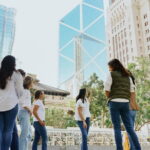
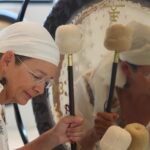
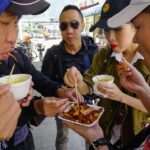
Hong Kong changes mood every few blocks. In just about 3 hours, you’ll go from neighborhood temples and wet markets to antique stalls, a design hub, and the Mid-levels escalator. It’s a fast, doable way to understand the city’s contradictions without getting lost in your own plan.
I especially like the way a local host adds context you can’t find in a guidebook. Even names from recent guide feedback pop up—Wing Wing, Angel, Ying, Matteo, Edward, and Circle—showing how different hosts keep the story focused and the pace humane.
One thing to consider: it’s still a walking tour with multiple stops and some time outdoors, so comfortable shoes matter. Also, if you’re hoping for a longer half-day, note the tour time is advertised as about 3 hours, not 4.
In This Review
- Key things I’d plan around
- Why this Hong Kong Island loop works in half a day
- Starting in Sheung Wan: a neighborhood that tells you how the city breathes
- Western Market and the story behind Edwardian walls
- Sheung Wan wet market time: vegetables, culture, and what locals actually buy
- Cat Street / Upper Lascar Row antiques: bargain, browse, or just watch
- Man Mo Temple: a quiet reset with live rituals in view
- PMQ and the design hub angle: what modern Hong Kong does with old spaces
- Graham Street Market and the Mid-levels Escalator: from street sellers to city elevation
- Soho on your feet: locals work, live, and eat right here
- Stone Slab Street: quick steps, quick photos, then back to MTR
- Price and value: what $102.69 buys you (and what it doesn’t)
- Guides set the tone: how hosts keep it personal
- Who should book this private Hong Kong Island tour
- Should you book it? My practical take
- FAQ
- How long is the private tour?
- What’s included in the price?
- Where do we meet, and does the tour start at MTR?
- Is admission required for the stops?
- Is the tour truly private?
- Can I cancel for a full refund?
Key things I’d plan around
- Private 1-on-1 feel: just you and your local guide, not a big group shuffle.
- Three neighborhoods in one sweep: from traditional Sheung Wan to antiques to Soho.
- Real rituals and real shopping: Man Mo Temple + wet markets you can actually see in action.
- Bargaining help at Cat Street area: your host can help you negotiate if you stop at antiques.
- A built-in photo-and-movement moment: the Mid-levels escalator breaks the walk and gives you that classic view.
Why this Hong Kong Island loop works in half a day
Hong Kong can feel like two cities stuck together: colonial edges, high-rises, and everyday street commerce. This tour is designed to show that in tight geographic range—so you spend your energy looking, not commuting. You’ll start at Des Voeux Road Central in Sheung Wan and end back near the same meeting point area, which keeps the logistics simple.
The private format matters more than you might think. You can ask questions as you go, and the guide can steer you toward what you care about—food, architecture, markets, or just how the neighborhoods function day to day. People in recent feedback also highlighted guides like Angel for making each stop feel connected, and Ying for tying landmarks to the broader story of Hong Kong.
At $102.69 per person, it’s not the cheapest option—but you’re paying for a local host, a private setup, and a local drink/tasting that’s included. With most major admissions listed as free, you’re not stacking surprise costs on top of the tour price.
You can also read our reviews of more tours and experiences in Hong Kong SAR.

Starting in Sheung Wan: a neighborhood that tells you how the city breathes
You begin near Sheung Wan MTR (Exit B), which is a smart move. It keeps you close to transit from the start, so you’re not wasting time “getting in position.” Sheung Wan also sets the tone: this part of Hong Kong is busy in a practical way. It’s not just scenery—it’s a working neighborhood where daily routines are visible.
From there, you’ll move into the market and architecture zone. The tour spends time in places like Western Market and the wet market area, which gives you a feel for how old buildings and everyday commerce coexist. In plain terms: you see Hong Kong doing both heritage and hustle at the same time.
If you’re the kind of person who likes to understand what you’re eating and why it’s sold here, Sheung Wan is the right launchpad.
Western Market and the story behind Edwardian walls
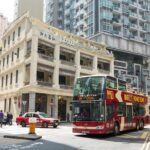
Next comes Western Market, where you get a look at Edwardian architecture and learn why it mattered. Even if you’re not an architecture nerd, this stop is useful because it teaches you to read the city’s physical clues. Buildings in Hong Kong often have layers: what they were, what they became, and how locals use them now.
The time here is short—about 20 minutes—so you’ll want to pay attention during the guide’s explanation. This is one of those stops where the “why” behind the building makes the photos more meaningful. You’ll see the architecture, but you’ll also understand how the neighborhood evolved.
Since admission is listed as free, this is one of the easier stops to enjoy without feeling like you’re being sold something. You’re paying for context, not a ticket.
Sheung Wan wet market time: vegetables, culture, and what locals actually buy
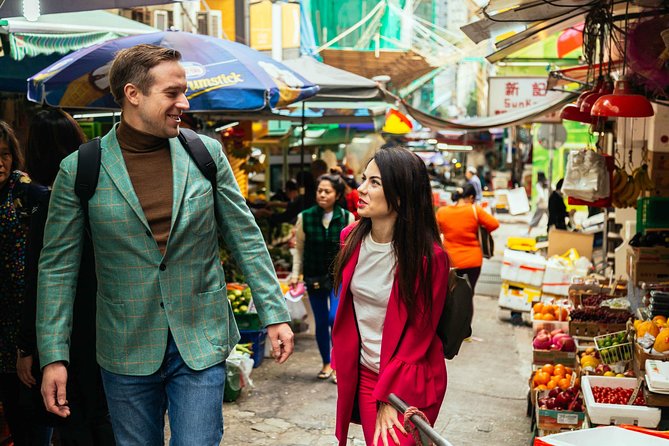
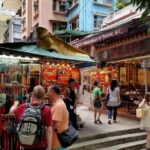
You then shift to the Sheung Wan Market area—a classic wet market moment. This is where Hong Kong gets very real, very fast: vegetables, stall displays, and the rhythm of shoppers doing what shoppers do.
This stop is especially valuable if you care about food. The guide will help you understand the role of the wet market and how Chinese vegetables are chosen and used. You’re not just looking—you’re learning how to “decode” what’s in front of you.
One practical thought: markets can vary in how lively they feel depending on the day. A guide feedback mentioned doing it on Sunday felt like markets weren’t as open, and it would likely be better on weekdays. So if you have a choice, aim for a weekday for the fullest market vibe.
Cat Street / Upper Lascar Row antiques: bargain, browse, or just watch
From the food world, you’ll head toward Upper Lascar Row Antique Street Market, including the Cat Street area. This is the antiques-and-curios corner where you can wander without feeling guilty about not buying. You can also learn how the bargaining works here—your host can help you bargain if you want to try.
This stop does two things well:
- It gives you a change of pace from markets.
- It shows you another side of Sheung Wan—less about what you eat, more about what you collect and where that culture fits.
In a private setting, you can take your time asking questions instead of rushing through. And if shopping isn’t your thing, you can still enjoy the atmosphere—signs, textures, and the little tricks of turning a narrow street into a destination.


Man Mo Temple: a quiet reset with live rituals in view
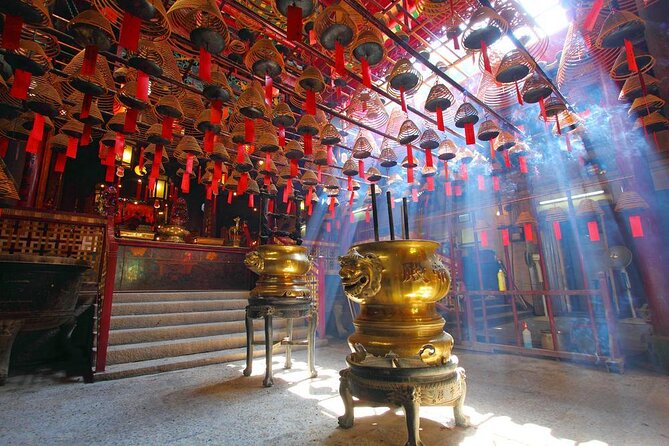
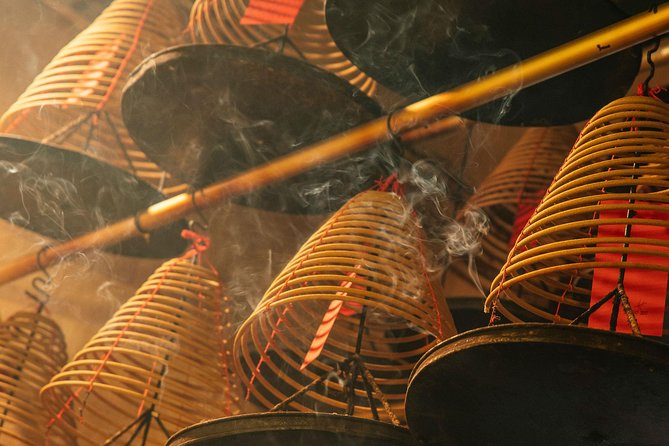
Then you step into Man Mo Temple, one of the most peaceful-feeling moments of the day. The tour includes time to see the beautiful temple space and live religious rituals.
This stop is a needed contrast to all the food and shopping you’ve been seeing. It also helps you understand Hong Kong as a place where tradition isn’t only “for tourists.” The guide can point out what you’re seeing so it doesn’t feel like you’re just watching from the doorway.
It’s about 20 minutes here. That’s enough time to slow down, look around, and appreciate details without feeling trapped in one spot.
PMQ and the design hub angle: what modern Hong Kong does with old spaces
Next is PMQ, a designers hub with an interesting backstory. This stop is a good reminder that Hong Kong doesn’t treat “old” and “new” as enemies. You’ll hear how a space with one history became a center for creators and makers.
In the guide feedback, Ying and others were praised for architecture and connecting stops to the larger city story. PMQ fits that approach perfectly: it’s not just a photo stop. It’s a clue about how Hong Kong reshapes spaces to keep moving forward.
Expect about 20 minutes. If design and creative industries aren’t your thing, you can still enjoy it as a window into how the city repurposes buildings and creates new public life inside them.
Graham Street Market and the Mid-levels Escalator: from street sellers to city elevation
After PMQ, you’ll walk to Graham Street Market, described as hosting Hong Kong’s oldest street market. You’ll see locals selling fresh vegetables—exactly the kind of everyday scene that helps you understand how neighborhoods stay alive.
Then comes the Mid-levels Escalator, the classic Hong Kong movement system. This is the longest outdoor covered escalator system in the world, and riding it gives you a feeling for how the city connects hills and districts. It’s one of the few “must-do” practical experiences that also functions like sightseeing.
This part matters because it changes your perspective. You’re not just on street level anymore—you’re lifted above the sidewalk chaos. Also, it’s outdoors (covered), so if the weather is wild, you’ll feel it. Bring a light layer or rain protection if your forecast looks questionable.
Soho on your feet: locals work, live, and eat right here
The tour finishes with Soho, a lively area where locals work, live, and eat every day. You’ll arrive and get a sense of the daily rhythm—restaurants, foot traffic, and the feel of a neighborhood that’s lived in, not only visited.
About 20 minutes here means you won’t be doing a deep restaurant crawl. Instead, it’s time to blend in and get your bearings for the rest of your Hong Kong day (or night). It’s also a nice payoff because earlier stops trained your eye. Now you can recognize the contrasts you learned about: old vs. new, market vs. office life.
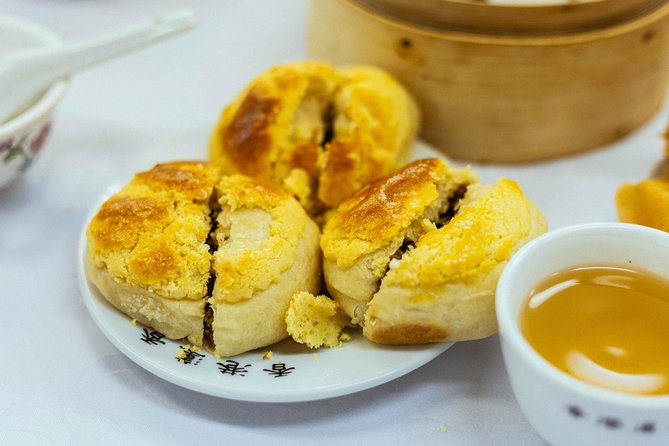
A detail I like: the tour also includes a stop time for a pineapple bun moment. That’s an easy, iconic snack that turns the day’s food theme into a concrete taste memory.
Stone Slab Street: quick steps, quick photos, then back to MTR
You’ll also walk Stone Slab Street, noted as a great Instagram stop. The key value here isn’t just the photo—it’s the way it threads the day together. It’s a short, concentrated walk that helps you see the “old street” feel before you head back toward the closest MTR.
This final short stop is about direction and closure: you’ll finish near where you started, so you don’t end up planning a separate route to get home.
Price and value: what $102.69 buys you (and what it doesn’t)
Let’s talk value without hand-waving.
You’re paying $102.69 per person for a private tour, a local guide, and 1 local drink/tasting included. Most stops here have free admission tickets listed, which matters because the tour’s value comes from access and guidance rather than paying for attractions.
What’s not included is just as important:
- No hotel pickup/drop-off, so you’ll need to get to the meeting point yourself.
- Extra food and drinks aren’t included, so if you want more than the one tasting or you want to stop for a full meal, you’ll budget for it.
At the same time, the short duration helps keep costs controlled. You get a guided overview of multiple neighborhoods without blowing a whole afternoon.
If you’re a couple, or a solo traveler who hates group pacing, private format is often the sweet spot. If you’re on a super tight budget and don’t care about narration, you could DIY with MTR and walking. But you’d miss the on-the-ground explanations that make each stop connect.
Guides set the tone: how hosts keep it personal
One of the best signals here is the guide feedback pattern. Names like Circle came up in a way that suggests they were kind and accommodating when someone in the group had mobility difficulties. Wing Wing was praised as engaging and knowledgeable, and Angel earned strong marks for making each stop feel informative and enjoyable.
Other names—Matteo for pace, Edward for clear meeting instructions, and Ying for connecting history, temples, markets, and architecture—point to the same thing: the quality isn’t only about where you go. It’s about how the guide turns the street into a story.
In a private format, that matters. If one stop doesn’t click, you can ask to adjust the focus. Even if the route stays the same, the attention you get doesn’t have to feel robotic.
Who should book this private Hong Kong Island tour
This tour is a great fit if you:
- want a fast orientation to Hong Kong Island without cramming in dozens of stops
- like markets, temples, and architecture more than theme-park attractions
- prefer a private guide who can answer questions as you walk
- enjoy food-snack moments like the pineapple bun, not just sightseeing
It’s also a good match for people with limited time—especially if you’re only in Hong Kong for a short visit. And because the meeting point is tied to MTR, you can build a tight day around it.
Should you book it? My practical take
Book it if you want a guided, private way to see how Hong Kong works day to day—markets, temples, antiques, escalators, and Soho—without needing a big itinerary. The value is strong because admissions are listed as free for the major stops and you’re getting a local drink/tasting plus direction throughout.
Skip it or rethink timing if:
- you hate walking and long stair-free routes don’t exist for you (this is still multiple stops on foot)
- you’re expecting a longer 4-hour-style outing
- you plan to go on a day when market activity feels lower, since the market portion can vary
If you want Hong Kong Island in one tight loop with a local host holding the thread, this tour is a solid choice.
FAQ
How long is the private tour?
It runs for about 3 hours.
What’s included in the price?
The tour includes a private tour, a local guide, and 1 local drink/tasting.
Where do we meet, and does the tour start at MTR?
You start at Des Voeux Road Central, Sheung Wan, Hong Kong, near the Sheung Wan MTR Exit B.
Is admission required for the stops?
For the stops listed (like Western Market, Sheung Wan Market, and Man Mo Temple), admission tickets are listed as free.
Is the tour truly private?
Yes. It’s a private tour, meaning only you and your local guide participate.
Can I cancel for a full refund?
Yes. You can cancel up to 24 hours in advance for a full refund.